
Static cling is more than just a minor annoyance—it can ruin an outfit, make movement uncomfortable, and even lead to embarrassing moments when your shirt suddenly sticks to your body. While many commercial anti-static sprays and dryer sheets promise relief, they often contain synthetic fragrances, chemicals, and plastics that aren’t ideal for sensitive skin or the environment. The good news? You don’t need artificial solutions. Understanding what causes static in clothes allows you to address it at the source—naturally.
From fabric choices to humidity levels, several factors contribute to static buildup. By making small changes in laundry habits and wardrobe care, you can significantly reduce—or even eliminate—static without relying on chemical-laden products.
The Science Behind Static Cling in Clothes
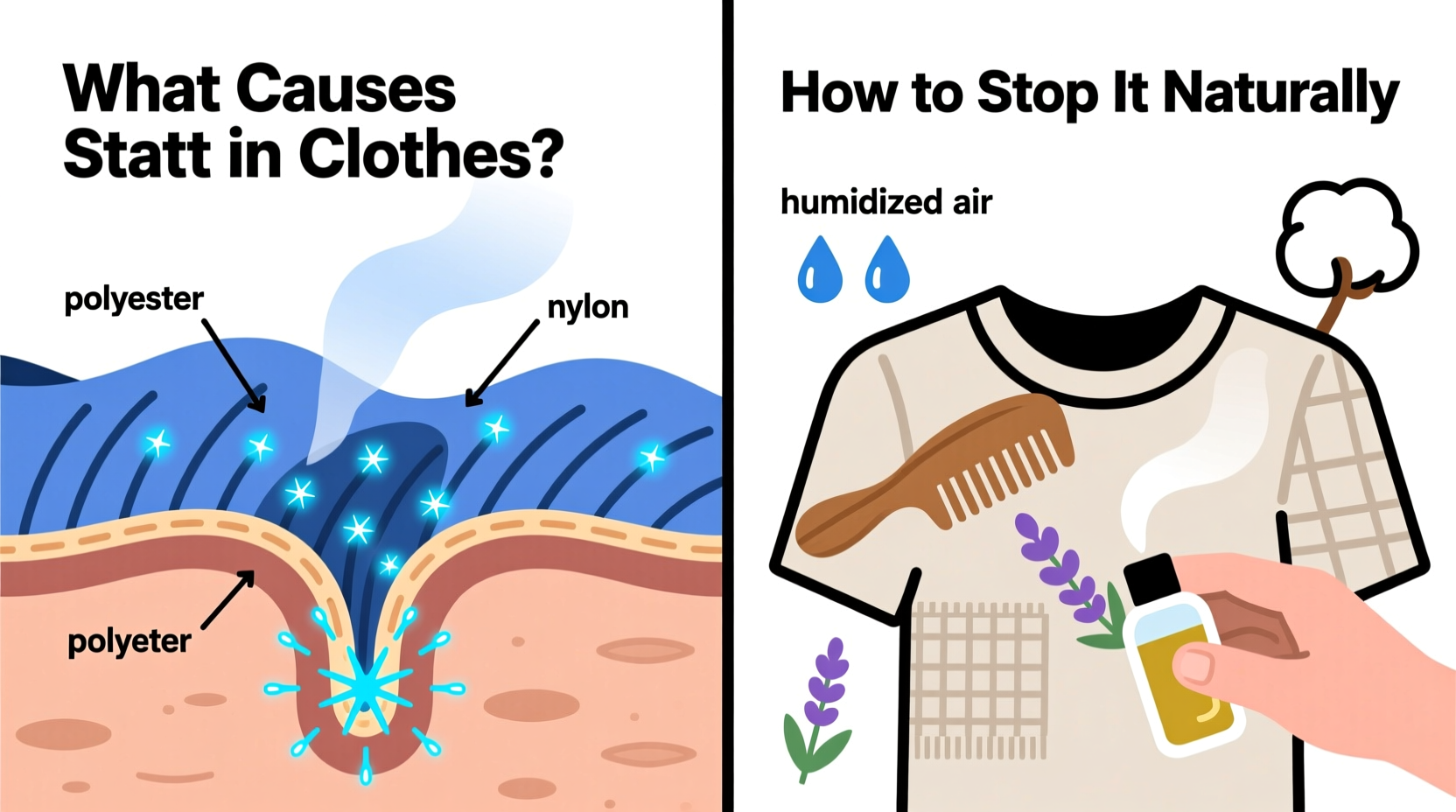
Static electricity occurs when two materials rub against each other, causing electrons to transfer from one surface to another. This imbalance of electrical charge creates what we experience as static cling. In clothing, this commonly happens during drying cycles or when synthetic fabrics move against each other or dry skin.
Dry environments are especially prone to static because moisture in the air helps dissipate electrical charges. When indoor humidity drops below 40%, typically in winter months, static problems increase dramatically. Synthetic fibers like polyester, nylon, and acrylic are particularly susceptible since they don't absorb moisture well, unlike natural fibers such as cotton, wool, or linen.
“Static isn’t just about discomfort—it’s a sign of environmental imbalance and material incompatibility.” — Dr. Lena Peterson, Textile Physicist, University of Vermont
Understanding the root causes empowers you to take targeted action. Let’s explore the key contributors and how they interact in everyday situations.
Common Causes of Static in Laundry
- Synthetic fabrics: Materials like polyester generate more friction and hold charges longer due to low moisture absorption.
- Over-drying clothes: Tumbling garments too long removes residual moisture, increasing static potential.
- Low indoor humidity: Heated homes in winter drop humidity levels, creating ideal conditions for static buildup.
- Fabric softeners and dryer sheets: Many conventional products coat fibers with chemicals that may worsen long-term static issues by reducing breathability.
- Lack of grounding: Shoes with rubber soles insulate the body, preventing natural discharge of built-up electricity.
Natural Methods to Prevent and Eliminate Static
Eliminating static doesn’t require expensive gadgets or chemical treatments. Simple, time-tested techniques using household items can be remarkably effective. Here are proven natural strategies:
1. Use Wool Dryer Balls
Wool dryer balls reduce drying time by improving airflow and gently separating clothes in the dryer. As they tumble, they soften fabrics naturally and help neutralize static. Add a few drops of essential oil to them for light fragrance—no synthetic perfumes needed.
2. Hang Clothes to Dry Indoors
Airing clothes indoors adds moisture back into the fabric and avoids high heat entirely. Even drying synthetics over a shower rod or drying rack helps maintain fiber integrity and prevents charge accumulation.
3. Mist with Water or Vinegar Spray
A fine mist of water instantly discharges static. For added softness and odor control, mix one part white vinegar with three parts water in a spray bottle. Lightly spritz the inside of clinging garments before wearing.
4. Increase Indoor Humidity
Maintain indoor humidity between 40% and 60%. Use a humidifier in frequently used rooms, especially bedrooms and living areas. Houseplants also contribute to ambient moisture through transpiration.
5. Wear Natural Fiber Layers
Choose cotton, silk, or merino wool base layers under synthetic outerwear. These breathable fabrics minimize direct contact between synthetics and skin, reducing friction-based charging.
6. Touch Grounded Metal Before Dressing
Before putting on clothes, touch a metal faucet, radiator, or appliance to discharge any existing static from your body. This simple habit prevents immediate re-clinging after dressing.
| Natural Method | Effectiveness | Best For |
|---|---|---|
| Wool Dryer Balls | High | Dryer users wanting faster drying & softening |
| Indoor Air Drying | Very High | Delicates and synthetic blends |
| Vinegar-Water Spray | Moderate (temporary) | Quick fixes before leaving home |
| Humidifier Use | High (preventive) | Winter static across all clothing types |
| Natural Fiber Underlayers | High | Long-term comfort and prevention |
Step-by-Step Guide to a Static-Free Wardrobe Routine
Creating lasting change means integrating natural practices into your regular routine. Follow this daily and weekly plan to keep static under control year-round:
- Sort laundry by fiber type: Separate natural fibers from synthetics before washing. This allows tailored drying methods and prevents excessive friction.
- Use cold water wash cycles: Hot water strips natural oils and increases static risk. Cold water preserves fibers and uses less energy.
- Add ½ cup white vinegar to the rinse cycle: Acts as a natural softener without residue. Avoids the waxy buildup caused by commercial softeners.
- Tumble dry on low or medium heat only: High heat dehydrates fibers. Remove clothes slightly damp and finish air-drying.
- Place 3–4 wool dryer balls in the dryer: They bounce between clothes, reducing clumping and shortening drying time by up to 25%.
- After drying, fold immediately: Reduces creasing and prevents stored static from building up in piles.
- Maintain home humidity above 40%: Monitor with a hygrometer and adjust humidifier settings accordingly.
- Carry a portable water mister: Keep one in your work bag or car for quick touch-ups during the day.
Real-Life Example: How One Family Reduced Static Naturally
The Thompson family in Colorado struggled with constant static shocks every winter. Their children’s school uniforms—made of polyester-cotton blends—clung uncomfortably, and laundry loads took hours to manage. After switching to wool dryer balls and installing a central humidifier, they noticed a dramatic difference within two weeks.
They began hanging shirts and dresses on racks after a short dryer cycle, which cut energy use and eliminated 90% of static issues. They also replaced plastic hangers with wooden ones, which helped dissipate charge. Within a month, the kids stopped complaining about “zaps,” and the parents appreciated fewer wrinkles and softer clothes.
This case shows that systemic changes—not quick fixes—are most effective. The Thompsons didn’t eliminate synthetics entirely but managed their impact through smarter handling and environmental adjustments.
Checklist: Your Natural Anti-Static Action Plan
Keep this checklist handy for seasonal transitions or when static starts creeping back:
- ☐ Switch to wool dryer balls instead of dryer sheets
- ☐ Clean lint filter before every dryer use
- ☐ Set dryer to low or medium heat
- ☐ Remove clothes slightly damp; air-dry the rest of the way
- ☐ Use vinegar in the rinse cycle once per week
- ☐ Run a humidifier when heating systems are active
- ☐ Store clothes in breathable cotton garment bags
- ☐ Carry a small water spray bottle for emergencies
- ☐ Choose leather-soled shoes over rubber when possible
- ☐ Ground yourself by touching metal before dressing
“Many people overlook the connection between indoor climate and textile behavior. Managing humidity is half the battle in controlling static.” — Mara Lin, Sustainable Home Consultant
Frequently Asked Questions
Can I use baking soda instead of vinegar to reduce static?
Baking soda is excellent for odor control and cleaning, but it doesn’t have the same anti-static properties as vinegar. While it softens water and boosts detergent performance, it won’t prevent static cling. For best results, use vinegar in the rinse cycle specifically for softening and static reduction.
Are there certain colors or patterns more prone to showing static?
No—static affects all colors and patterns equally. However, lighter-colored or smooth fabrics may make clinging more visible. A black wool skirt might cling just as much as a white polyester blouse, but the effect is less noticeable on textured or darker materials.
Do natural fibers ever develop static?
Rarely and minimally. Cotton, linen, silk, and wool absorb moisture from the air, which helps dissipate electrical charges. However, if these fabrics are blended with synthetics (e.g., 60% cotton, 40% polyester), static can still occur. Pure natural fibers are your best defense.
Conclusion: Take Control of Static the Natural Way
Static in clothes is not inevitable. It’s a symptom of dry conditions, synthetic materials, and outdated laundry habits. By shifting to natural methods—like air-drying, using wool balls, increasing humidity, and choosing better fabrics—you gain control over comfort, health, and sustainability.
These changes don’t require drastic lifestyle overhauls. Start with one or two steps: try vinegar in your next load, or hang a few items to dry. Observe the difference. Over time, build a full system that keeps your clothes soft, static-free, and kind to both your skin and the planet.




 浙公网安备
33010002000092号
浙公网安备
33010002000092号 浙B2-20120091-4
Comments
No comments yet. Why don't you start the discussion?