
Reusable water bottles are a staple of modern sustainable living—eco-friendly, cost-effective, and convenient. But over time, many users notice an unpleasant, musty, or sour odor emerging from their bottles, even after regular washing. This off-putting smell doesn’t just make hydration less enjoyable; it can also be a sign of microbial buildup or material degradation. Understanding the root causes and implementing proper cleaning techniques is essential to maintaining both the safety and longevity of your bottle.
This article breaks down the science behind the stink, identifies common culprits, and provides practical, long-term solutions to keep your bottle fresh and safe to use.
The Science Behind the Smell
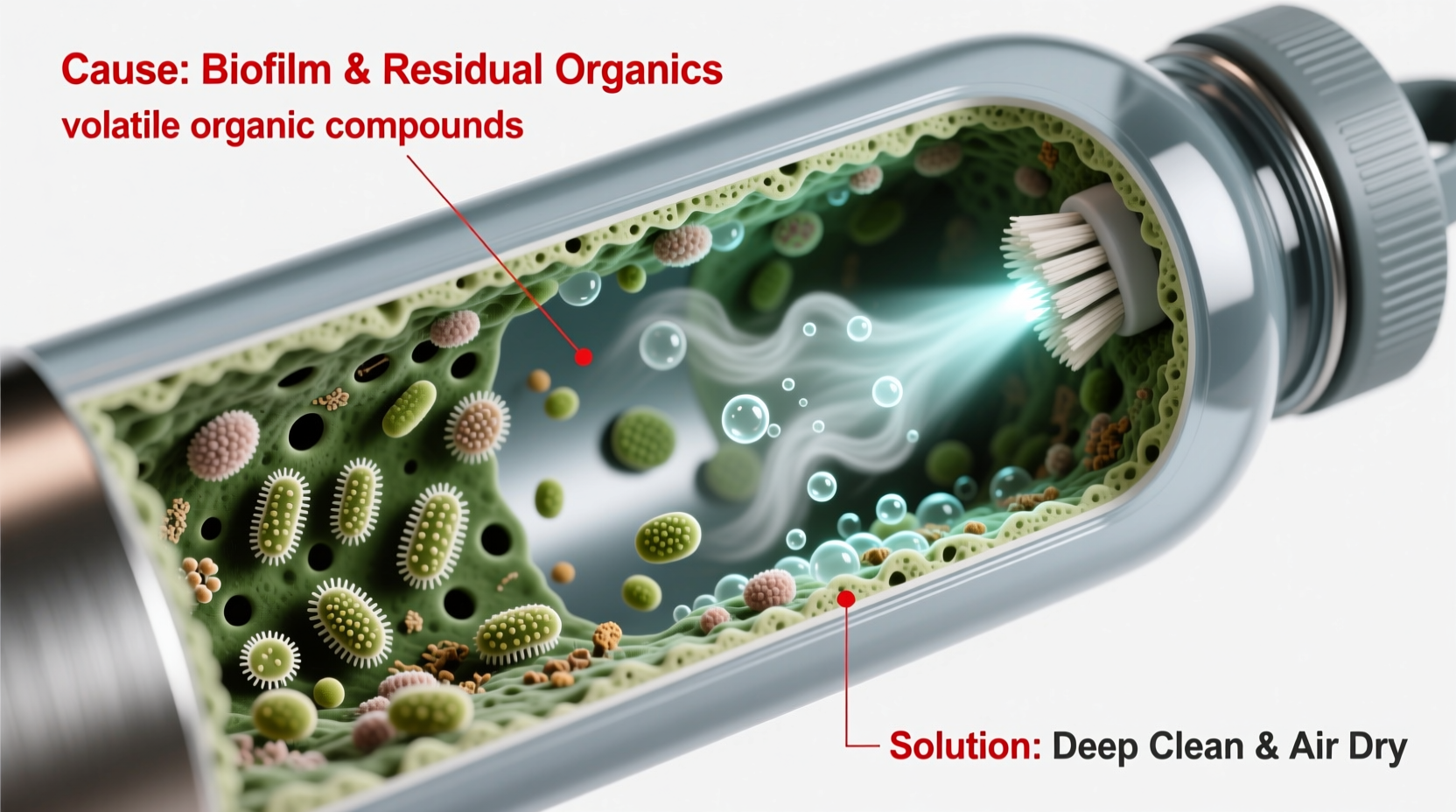
The strange odor often associated with reusable water bottles isn’t just a random occurrence—it’s typically the result of biological and chemical processes taking place inside the container. The most common source? Bacterial growth.
When moisture lingers in crevices like lids, straws, or seams, it creates a perfect breeding ground for bacteria and mold. These microorganisms feed on residual sugars, proteins, or organic matter left behind from drinks like juice, sports beverages, or even saliva. As they metabolize these substances, they release volatile organic compounds (VOCs) as byproducts—many of which have strong, foul odors reminiscent of mildew, rotten eggs, or sour milk.
In addition to bacteria, certain materials used in water bottles can absorb odors over time. Porous plastics, especially lower-grade polymers, may trap molecules from liquids, leading to persistent smells even after washing. Silicone seals and rubber gaskets are particularly prone to this issue due to their soft, absorbent nature.
“Biofilms—slimy layers of bacteria—can form within hours in moist environments. Once established, they’re difficult to remove without proper sanitation.” — Dr. Lena Torres, Microbiologist at the Institute for Environmental Health
Common Causes of Reusable Bottle Odors
Not all smelly bottles are the same. The type of odor can often point to its underlying cause. Here’s a breakdown of the most frequent contributors:
- Bacterial or mold buildup: Especially in bottles with narrow necks, straw lids, or complex sealing mechanisms where water gets trapped.
- Residue from sugary or acidic drinks: Even rinsing with water may not fully remove traces of sports drinks, tea, or flavored water.
- Porous or low-quality materials: Some plastics and silicone components absorb odors more readily than stainless steel or glass.
- Infrequent or improper cleaning: Simply rinsing isn’t enough. Without deep cleaning, biofilm accumulates over time.
- Drying in enclosed spaces: Storing a damp bottle in a bag or cupboard encourages microbial growth.
How to Eliminate the Smell: Step-by-Step Guide
Removing stubborn odors requires more than a quick rinse. Follow this thorough, science-based cleaning process to restore freshness to your reusable bottle.
- Disassemble all parts: Remove the lid, cap, straw, silicone gasket, and any other removable components. These small pieces are often the main sources of odor.
- Rinse immediately after use: Flush the bottle and parts with warm water right after emptying to prevent residue buildup.
- Use a bottle brush: A long-handled brush with soft bristles helps scrub hard-to-reach areas, especially along the inner walls and base.
- Prepare a deep-cleaning solution: Choose one of the following based on severity:
- Mix 1–2 tablespoons of baking soda with warm water and let sit overnight.
- Create a 50/50 solution of white vinegar and water; soak for 30–60 minutes.
- For tough mold or persistent smells, use a diluted bleach solution (1 teaspoon of unscented bleach per quart of water), soaking for 10–15 minutes. Rinse thoroughly afterward.
- Clean every component: Soak all detachable parts in your chosen solution. Use a small brush (like a toothbrush) to scrub around seals and straw interiors.
- Rinse completely: Residual cleaning agents can themselves cause odors or affect taste. Rinse under running water until no scent remains.
- Air-dry upside down: Place the bottle and all parts on a drying rack with openings facing down to ensure full drainage and airflow.
- Reassemble only when dry: Putting wet parts back together traps moisture and restarts the cycle of bacterial growth.
“Many people think dish soap is enough, but it doesn’t penetrate biofilms. You need either mechanical scrubbing or a reactive agent like vinegar or baking soda.” — Dr. Alan Prescott, Environmental Hygiene Researcher
Prevention Strategies and Best Practices
Once you’ve eliminated the smell, preventing its return is key. Consistent habits make a significant difference in maintaining a clean, odor-free bottle.
| Do | Don't |
|---|---|
| Wash your bottle daily with warm, soapy water | Leave liquid sitting in the bottle for more than 12 hours |
| Disassemble and clean all parts weekly | Use abrasive pads on plastic or painted surfaces |
| Air-dry completely before reassembling or storing | Store the bottle sealed while still damp |
| Replace worn gaskets or cracked straws promptly | Put insulated bottles in the dishwasher unless labeled safe |
| Use a dedicated bottle-cleaning brush | Microwave plastic bottles to sanitize (can warp or leach chemicals) |
Material Matters: Choosing the Right Bottle
The material of your water bottle plays a major role in odor resistance. Some materials are inherently easier to maintain than others.
- Stainless Steel: Non-porous, resistant to stains and odors, and naturally inhibits bacterial growth. Ideal for long-term use.
- Glass: Completely inert and non-absorbent, making it excellent for odor prevention. However, it’s fragile and heavier.
- High-Quality Plastic (e.g., Tritan): BPA-free and designed to resist clouding and odor absorption. Look for “dishwasher safe” labels.
- Silicone or Rubber Components: Often found in seals and lids. While flexible, they can retain smells if not cleaned properly.
If you frequently experience recurring odors, consider upgrading to a bottle with fewer crevices and higher-grade materials. Bottles with wide mouths are generally easier to clean than those with narrow necks or built-in straws.
Real Example: Sarah’s Straw Lid Struggles
Sarah, a fitness instructor, used her favorite insulated bottle daily, filling it with lemon water and green tea. After a few months, she noticed a persistent sour smell, especially when she opened the flip-top straw lid. She washed it regularly with soap and water, but the odor returned within days.
Upon closer inspection, she realized the silicone seal around the straw had developed tiny black specks—mold growing in the hidden groove. She disassembled the lid, soaked the parts in a vinegar solution, and scrubbed them with a toothbrush. After a 30-minute soak and thorough rinse, the smell disappeared. She now cleans the lid components twice a week and replaces the silicone gasket every three months.
Sarah’s experience highlights how easily odor-causing microbes can hide in overlooked areas—even in bottles used by health-conscious individuals.
Checklist: Keep Your Bottle Fresh and Safe
Follow this weekly maintenance checklist to prevent odors and ensure hygiene:
- ☑ Wash bottle and all parts with warm, soapy water daily
- ☑ Disassemble lid, straw, and seal at least once a week
- ☑ Soak in vinegar or baking soda solution monthly
- ☑ Inspect for mold, cloudiness, or wear on gaskets
- ☑ Replace damaged or degraded components promptly
- ☑ Air-dry completely before storage
- ☑ Avoid leaving sugary or acidic drinks in the bottle for extended periods
Frequently Asked Questions
Can I put my reusable bottle in the dishwasher?
Only if the manufacturer specifies it’s dishwasher safe. Most stainless steel and high-quality plastic bottles can go on the top rack, but hand-washing is gentler and recommended for bottles with electronic components, insulation, or delicate finishes. Lids and straws should always be placed where water can fully reach them.
Why does my bottle still smell after washing with soap?
Soap alone may not break down biofilm or neutralize absorbed odors. Organic residues and bacteria can cling to microscopic scratches or porous materials. Try soaking with baking soda or vinegar to chemically neutralize the smell and loosen buildup.
How often should I replace my reusable water bottle?
With proper care, a high-quality bottle can last 3–5 years. However, replace it sooner if you notice cracks, persistent odors despite cleaning, cloudiness in plastic, or deterioration of seals. These signs indicate reduced hygiene and potential chemical leaching.
Final Thoughts: Make Freshness a Habit
The odd smell in your reusable water bottle isn’t just annoying—it’s a signal that hygiene practices may need adjustment. With the right knowledge and routine, eliminating and preventing odors becomes simple and automatic. The key lies in consistent cleaning, proper drying, and choosing designs that support easy maintenance.
Remember, your water bottle is in constant contact with your mouth and holds what you drink. Keeping it clean isn’t just about comfort; it’s about health. By treating it with the same care as kitchen utensils or food containers, you ensure every sip remains fresh and safe.




 浙公网安备
33010002000092号
浙公网安备
33010002000092号 浙B2-20120091-4
Comments
No comments yet. Why don't you start the discussion?