
The term “Macho Pepper” does not refer to an officially recognized or standardized chili variety in botanical or agricultural databases. Instead, it is a colloquial or marketing name occasionally used in regional markets, specialty food stores, or online retailers to describe a particularly large, robust, or spicy pepper—often implying boldness in both size and heat. While no scientific classification exists under the name *Capsicum macho*, the label typically appears on products meant to evoke intensity, resilience, or culinary dominance. As such, understanding what a Macho Pepper actually is—and how to use it—requires decoding context, origin, and sensory characteristics rather than relying on formal taxonomy.
This ambiguity can confuse consumers seeking specific ingredients for recipes. However, with proper identification based on appearance, heat level, and usage patterns, cooks can confidently incorporate these peppers into their dishes. Whether encountered fresh at a farmers’ market, dried in a spice blend, or labeled on a jar of hot sauce, recognizing the likely candidates behind the “Macho” moniker allows for informed substitutions and creative applications in global cuisines.
Definition & Overview
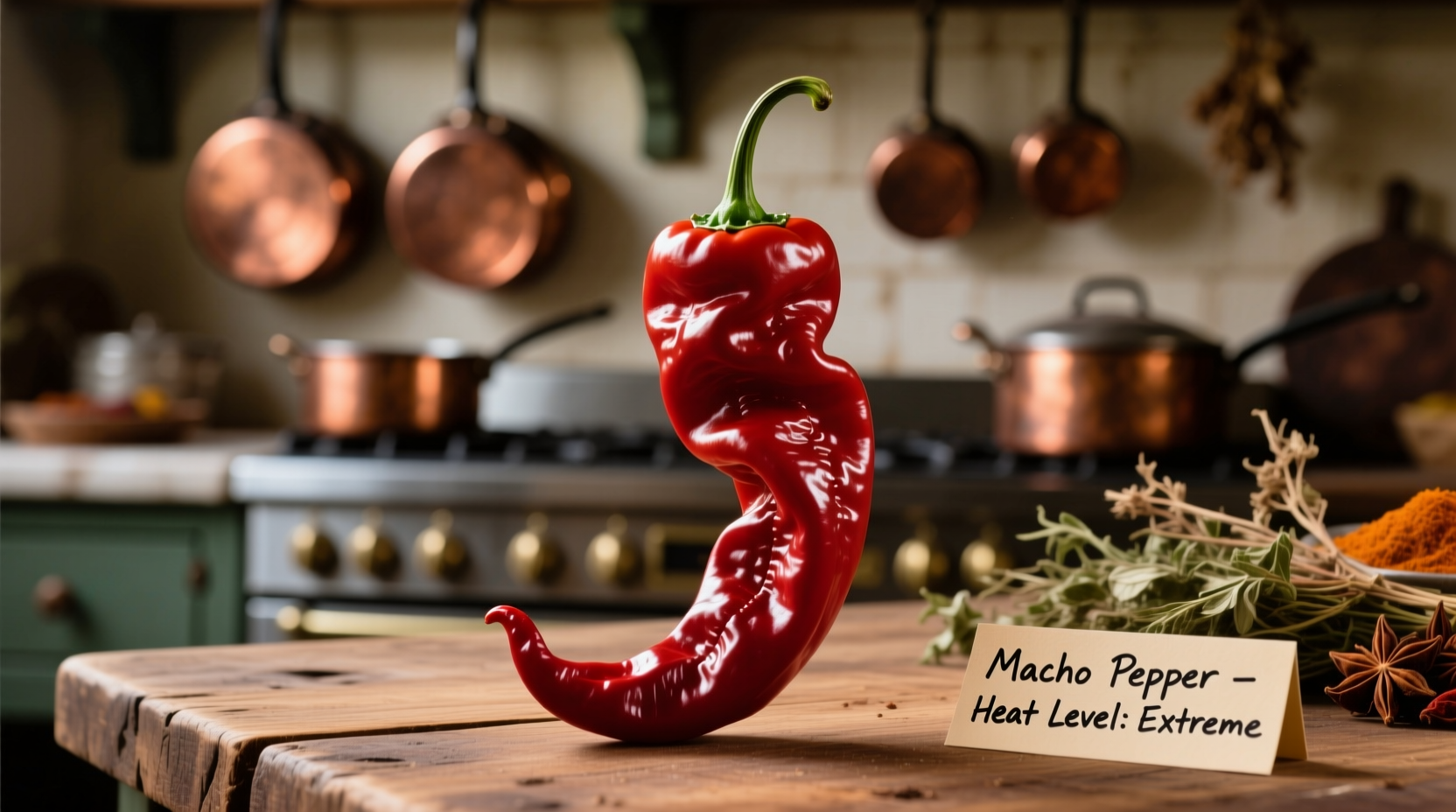
A “Macho Pepper” is best understood as a commercial or informal designation applied to certain large, potent chili peppers that exhibit exaggerated physical traits—length, girth, or pungency—relative to more common varieties. The name plays on cultural associations of strength and virility, positioning the pepper as ideal for those who enjoy intense heat and dramatic presentation. In practice, this label may refer to cultivars such as:
- An oversized habanero variant (e.g., Red Savina or Chocolate Habanero)
- A giant Scotch Bonnet strain bred for size
- A long, tapered super-hot like the Trinidad Moruga Scorpion or 7 Pot Douglah
- A non-scientific crossbreed marketed for novelty appeal
These peppers belong to the *Capsicum chinense* species, known for high capsaicin content and complex flavor profiles that include fruity, floral, and smoky notes beneath the burn. Unlike bell peppers or jalapeños, which are cultivated primarily for mildness and versatility, Macho Peppers emphasize extremity: extreme heat, extreme aroma, and often extreme visual impact.
Originating from tropical regions of Central and South America, Caribbean islands, or selectively bred in North American greenhouses, Macho Peppers are grown by niche horticulturists focused on pushing the boundaries of chili performance. They are rarely found in mainstream supermarkets but appear in specialty produce sections, farmers’ markets catering to adventurous eaters, or through online seed vendors promoting “extreme heat” gardening projects.
Key Characteristics
The defining features of a Macho Pepper depend heavily on the actual cultivar being sold under that name. However, several consistent attributes emerge across most specimens labeled as such:
| Characteristic | Description |
|---|---|
| Flavor Profile | Fruity, slightly sweet base with citrus, apricot, or tropical undertones; finishes with sustained heat and occasional earthy or smoky depth. |
| Heat Level (Scoville Scale) | Typically 300,000–1,000,000+ SHU, placing it firmly in the super-hot category. Significantly hotter than habaneros (100,000–350,000 SHU). |
| Appearance | Larger than standard hot peppers—often 2.5 to 4 inches long, with thick walls and a wrinkled or bumpy skin. Color varies from deep red, orange, chocolate-brown, to yellow when mature. |
| Aroma | Pronounced tropical fruit scent with hints of mango, peach, or fermented stone fruit; sharp and penetrating when cut open. |
| Culinary Function | Used primarily for adding intense heat and aromatic complexity to sauces, stews, marinades, and pickles. Not intended for raw consumption due to potency. |
| Shelf Life | Fresh: up to 2 weeks refrigerated in crisper drawer. Dried: up to 1 year if stored away from light and moisture. |
Due to variability in labeling, buyers should always verify the actual cultivar if possible. A true Macho Pepper isn’t defined by taxonomy but by intention: it’s designed to impress, challenge, and transform dishes through sheer sensory power.
Practical Usage: How to Use a Macho Pepper in Cooking
Using a Macho Pepper requires caution, precision, and respect for its thermal output. Because of its unpredictable heat range, it should never be treated like a jalapeño or serrano. Instead, approach it as you would handle pure capsaicin extract—with gloves, ventilation, and measured dosing.
In professional kitchens, chefs often use Macho Peppers sparingly, treating them as concentrated flavor agents rather than bulk ingredients. The key is balance: allowing the pepper’s exotic fruitiness to shine without overwhelming other components.
Step-by-Step Guide to Using Fresh Macho Peppers
- Preparation Safety: Wear nitrile gloves when handling. Avoid touching eyes, nose, or face during preparation. Work near a vent hood or open window to disperse volatile oils.
- Inspection: Examine the pepper for mold, soft spots, or shriveling. Ripe Macho Peppers should feel firm with taut, glossy skin.
- Seeding and Deseeding: Cut lengthwise and scrape out seeds and white membranes—the primary source of capsaicin. For milder effect, remove all internal ribs.
- Dicing or Mincing: Use a dedicated cutting board and knife. Even residual oil can affect future prep work.
- Dosing: Start with **¼ teaspoon of finely minced pepper per quart of sauce or stew**. Taste after 10 minutes of cooking—heat develops slowly.
- Cooking: Add early in slow-cooked dishes to mellow heat and integrate flavors. For bright, fiery notes, stir in near the end.
Pro Tip: Infuse Macho Pepper into oil or vinegar instead of direct addition. Steep one small slice in ½ cup of neutral oil for 24 hours, then strain. This creates a controllable, evenly distributed heat source perfect for finishing tacos, soups, or grilled meats.
Home Cooking Applications
- Hot Sauces: Blend 1 seeded Macho Pepper with ½ cup vinegar, 1 clove garlic, and 1 tsp sugar. Simmer 10 minutes, blend smooth, strain. Yields approximately ¾ cup of intensely flavored sauce.
- Marinades: Add ⅛ tsp minced pepper to citrus-based marinades for jerk chicken or grilled seafood. Enhances penetration and adds lingering warmth.
- Stews & Braises: Include one whole, lightly crushed Macho Pepper in pot roasts or black bean soup. Remove before serving to control exposure.
- Pickling Liquid: Drop a thin slice into jars of pickled onions, carrots, or jalapeños for subtle background fire.
- Dried Powder: Dehydrate slices at 135°F (57°C) for 8–12 hours until brittle. Grind into powder using a coffee grinder dedicated to spices. Store in airtight container.
Professional Techniques
High-end restaurants leverage Macho Peppers in controlled ways:
- Emulsified Foams: Purée cooked Macho Pepper with xanthan gum and stock to create a spicy foam garnish for seared scallops or duck breast.
- Layered Heat Profiles: Combine Macho Pepper with lower-heat chilies (like guajillo or ancho) to build dimensional spiciness in mole or adobo rubs.
- Infused Spirits: Used in craft cocktail programs to make small-batch chili-infused tequila or rum. Typically steeped for 30–60 minutes only, then filtered.
Variants & Types
Since “Macho Pepper” is not a fixed cultivar, multiple types may carry the name depending on supplier or region. Understanding these variants helps ensure consistency in cooking.
| Type | Heat (SHU) | Flavor Notes | Best Culinary Use |
|---|---|---|---|
| Macho Red (likely Red Savina Habanero) | 500,000–800,000 | Sweet, berry-like, slightly fermented | Caribbean sauces, salsas, marinades |
| Macho Chocolate (dark brown strain) | 600,000–900,000 | Earthy, smoky, dark fruit tones | Moles, braised meats, smoked cheese pairings |
| Macho Orange (large-fruited habanero) | 300,000–500,000 | Citrus, apricot, floral | Fruit chutneys, ceviche, tropical salsas |
| Macho Ghost (possibly Bhut Jolokia hybrid) | 800,000–1,000,000+ | Sharp, immediate burn with faint sweetness | Extreme heat challenges, competition foods |
Each type responds differently to heat. Darker varieties tend to develop richer, more savory notes when roasted or smoked, while brighter-colored ones retain more acidity and brightness. When purchasing, ask for the specific cultivar if available, or request a Scoville rating from the vendor.
Comparison with Similar Ingredients
The Macho Pepper is frequently mistaken for—or substituted with—other well-known super-hots. While they share genetic lineage, key differences affect usage.
| Pepper | Heat Level | Flavor Difference | Substitution Ratio |
|---|---|---|---|
| Habanero | 100,000–350,000 SHU | More balanced fruit/heat ratio; less aggressive finish | Use ½ Macho Pepper = 1 full habanero |
| Scotch Bonnet | 100,000–400,000 SHU | Sweeter, rounder shape, slightly lower heat ceiling | Replace 1 Scotch Bonnet with ⅓ to ½ Macho Pepper |
| Ghost Pepper (Bhut Jolokia) | 800,000–1,041,000 SHU | Sharper onset, shorter duration; less nuanced | Nearly interchangeable, but Macho may have deeper flavor |
| Carolina Reaper | 1,400,000–2,200,000 SHU | Intense upfront blast, followed by long tail; more erratic | Use ¼ Macho Pepper = ⅛ Carolina Reaper |
One critical distinction: Macho Peppers are often selected not just for heat, but for larger flesh-to-seed ratios, making them better suited for slicing, stuffing (with extreme caution), or dehydrating into flakes. In contrast, Reapers and Ghosts are so volatile that many chefs avoid direct handling altogether.
“Calling something a ‘Macho Pepper’ is part branding, part bravado. But behind the name, there's real horticultural effort. These aren't just hot—they're engineered to deliver complexity at extreme levels.” — Chef Elena Torres, Executive Director, Institute of Spicy Food Studies
Practical Tips & FAQs
How hot is a Macho Pepper compared to a jalapeño?
Average jalapeños range from 2,500 to 8,000 Scoville Heat Units (SHU). Most Macho Peppers start around 300,000 SHU, meaning they are **at least 40 times hotter**, and potentially over 100 times hotter than a typical jalapeño. Never substitute one-for-one.
Can I eat a Macho Pepper raw?
Technically yes, but strongly discouraged. Raw consumption can cause gastrointestinal distress, nausea, or temporary oral numbness. If attempting, use no more than a rice-grain-sized piece and follow with dairy (milk, yogurt) to neutralize capsaicin.
What should I do if I touch a Macho Pepper and my skin burns?
Wash immediately with soap and cold water. Apply milk, yogurt, or a solution of baking soda and water to soothe irritation. Avoid warm water initially, as it opens pores and increases absorption.
Is there a safe way to cook with Macho Peppers for beginners?
Yes. Use a single small slice added to a large pot of soup or sauce, simmer for 20 minutes, then remove. This infuses flavor and heat without risking overexposure. Alternatively, use commercially prepared powders with clear dosage instructions.
How should I store fresh Macho Peppers?
Place unwashed peppers in a paper towel-lined container inside the refrigerator’s crisper drawer. Use within 10–14 days. For longer storage, freeze whole peppers in a sealed bag—frozen chilies are easier to dice safely due to reduced oil volatility.
Can I grow Macho Peppers at home?
Yes, but only in warm climates (USDA zones 9–11) or under indoor grow lights. They require 90–120 days to maturity, consistent warmth (75–85°F), and well-draining soil. Start seeds indoors 8–10 weeks before last frost. Label plants clearly and keep away from children and pets.
Are Macho Peppers nutritious?
Like all chili peppers, they are rich in vitamin C, antioxidants (especially capsaicinoids), and contain modest amounts of vitamin A, potassium, and fiber. Capsaicin has been studied for potential metabolic and anti-inflammatory benefits, though effects vary by individual.
Storage Checklist:
✓ Keep fresh peppers dry and cool
✓ Freeze extras for later use
✓ Store dried powders in amber glass jars away from sunlight
✓ Label containers with date and heat level estimate
✓ Keep separate from mild spices to prevent cross-contamination
Summary & Key Takeaways
The term “Macho Pepper” refers not to a single botanical entity, but to a class of exceptionally large, hot chili peppers marketed for their intensity and visual impact. Typically belonging to the *Capsicum chinense* species, these peppers range from 300,000 to over 1 million Scoville units, far surpassing common chilies in heat and complexity.
Key points to remember:
- Always confirm the actual cultivar behind the “Macho” label to assess heat and flavor accurately.
- Treat with caution: wear gloves, ventilate your workspace, and dose conservatively.
- Best uses include hot sauces, infused oils, slow-cooked stews, and spice blends where heat integrates gradually.
- Different colors (red, orange, chocolate) offer distinct flavor nuances—choose based on desired outcome.
- Never substitute directly for milder peppers; adjust ratios downward significantly.
- Store properly to preserve potency and prevent accidental exposure.
While the name leans into machismo and spectacle, the real value of a Macho Pepper lies in its ability to elevate dishes with layered heat and aromatic depth. Used wisely, it becomes not just a test of endurance, but a sophisticated tool in the modern cook’s arsenal.
Ready to experiment? Try making a small batch of Macho Pepper-infused honey: combine 1 sliced pepper with ½ cup warmed honey, let steep 12 hours, then strain. Drizzle over goat cheese, pizza, or fried chicken for a sweet-heat punch.




 浙公网安备
33010002000092号
浙公网安备
33010002000092号 浙B2-20120091-4
Comments
No comments yet. Why don't you start the discussion?