
Pimiento peppers—often tucked inside green olives or sliced into jars of roasted red peppers—are more than just a colorful garnish. These sweet, mild chiles play a vital role in both classic and contemporary cuisine, offering a soft texture and subtle sweetness that enhances everything from sandwiches to tapenades. Despite their quiet presence, pimientos are a foundational ingredient in Southern American, Spanish, and Mediterranean cooking. Understanding their unique qualities, proper applications, and how they differ from similar peppers empowers home cooks to use them with confidence and creativity.
Definition & Overview
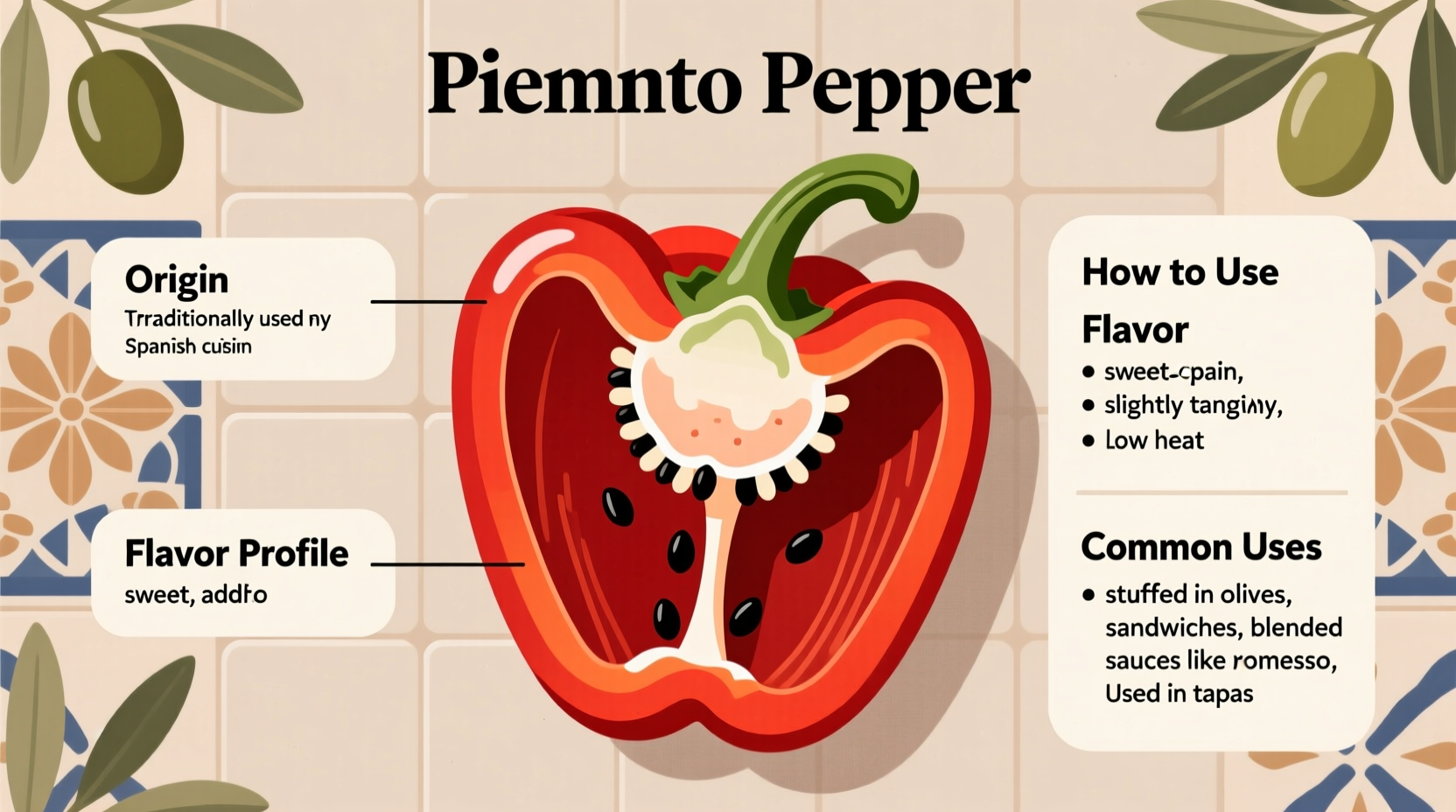
A pimiento pepper (also spelled pimento) is a large, heart-shaped chili pepper belonging to the species *Capsicum annuum*. Native to South America but now cultivated globally, pimientos are prized not for heat but for their lush sweetness, tender flesh, and vibrant red color. They are typically harvested at full maturity when deep red and fully sweet, though immature green versions exist. Unlike many chilies, pimientos register very low on the Scoville scale—so mild they are often considered non-spicy by most palates.
The name “pimiento” comes from the Spanish word for pepper, reflecting its historical use in Iberian cuisine, particularly in the stuffing of Manzanilla olives—a practice that became widespread in the early 20th century. In the United States, pimientos gained popularity through jarred forms, becoming a staple in Southern pimiento cheese, deviled eggs, and relishes.
Key Characteristics
| Attribute | Description |
|---|---|
| Flavor | Distinctly sweet, fruity, with mild earthiness; reminiscent of ripe bell pepper but more concentrated. |
| Heat Level (Scoville) | 0–100 SHU — among the mildest edible chilies, virtually heat-free. |
| Color & Shape | Bright red when mature; heart-shaped or broad-conical, about 3–4 inches long. |
| Texture | Thick-walled, juicy, and tender when roasted or canned; less crisp than raw bell pepper. |
| Culinary Function | Used for sweetness, color, moisture, and texture; rarely as a heat source. |
| Shelf Life (Fresh) | Up to 2 weeks refrigerated in crisper drawer. |
| Shelf Life (Canned/Jarred) | 1–2 years unopened; up to 1 week refrigerated after opening. |
Practical Usage: How to Use Pimiento Peppers
Pimientos are versatile due to their neutral sweetness and soft texture. Their lack of heat makes them accessible to all palates, while their rich red hue adds visual appeal to dishes. Below are practical ways to incorporate pimientos across everyday and elevated cooking.
1. In Sandwiches and Spreads
The most iconic use of pimientos is in pimiento cheese, a Southern U.S. staple combining shredded sharp cheddar, mayonnaise, and finely chopped jarred pimientos. The pepper contributes moisture and a gentle sweetness that balances the tangy cheese. This spread works on crackers, celery sticks, or thick-cut toast.
“A well-balanced pimiento cheese relies on a 3:1 ratio of cheese to pimientos. Too much pepper dilutes the cheese flavor and creates a soggy texture.”
— Chef Lila Torres, Southern Culinary Institute
2. As a Stuffing Ingredient
Pimientos are traditionally used to stuff green olives, replacing the bitter pit with a sweet, yielding contrast. Home cooks can replicate this technique by stuffing pimiento strips into homemade olive blends or using them to fill chicken breasts, fish fillets, or mushroom caps before baking.
Tip: When stuffing proteins, lightly sauté diced pimientos with garlic and herbs to concentrate flavor and reduce excess moisture that could steam the dish.
3. In Relishes, Salsas, and Chutneys
Combine chopped pimientos with onions, vinegar, sugar, and spices to create a mild relish ideal for burgers, hot dogs, or charcuterie boards. Because they don’t overpower with heat, pimientos allow other flavors—like mustard seed or tarragon—to shine.
For a modern twist, blend pimientos into a smooth salsa with tomatoes, cilantro, and lime juice. Serve with grilled fish or as a dip for plantain chips.
4. Roasted Vegetable Medleys and Ratatouille
Fresh pimientos behave like bell peppers in cooked applications. Add them to roasted vegetable trays with zucchini, eggplant, and onions. Their high sugar content promotes caramelization, enhancing depth in stews and gratins.
In ratatouille, pimientos can substitute red bell peppers for a slightly sweeter, more nuanced base. Slice into thick rounds and layer vertically for presentation.
5. In Dips and Appetizers
Mix finely diced pimientos into cream cheese for bagel spreads or savory cheesecakes. They also elevate deviled eggs—fold a tablespoon of chopped pimientos into the yolk filling and garnish with a small piece for color.
6. As a Natural Food Colorant
Due to their intense red pigment, pureed pimientos can naturally tint rice, mashed potatoes, or pasta dough without adding heat. This makes them a smart alternative to artificial dyes in family-friendly dishes.
Variants & Types
Pimientos come in several forms, each suited to different culinary needs. Choosing the right type depends on recipe requirements, availability, and desired texture.
- Fresh Pimientos: Firm, glossy, and bright red. Best for roasting, grilling, or slicing raw into salads. Less common in mainstream supermarkets but found in Latin, Mediterranean, or specialty markets.
- Jarred or Canned Pimientos: Pre-roasted and packed in brine or water. Most widely available form in the U.S. Convenient for quick prep but contains added moisture—pat dry before use to prevent sogginess.
- Dried Pimiento Flakes: Rare but occasionally used in spice blends. Rehydrate before use or grind into a sweet paprika-like powder.
- Roasted & Frozen Pimientos: Found in some gourmet or bulk retailers. Retain better texture than canned versions and are ideal for sauces and soups.
- Pimiento-Style Peppers: Some vendors label large red cherry peppers or certain sweet banana peppers as “pimientos” due to visual similarity. True pimientos are broader and flatter than cherry peppers.
| Type | Best For | Prep Needed | Storage Duration |
|---|---|---|---|
| Fresh | Roasting, grilling, raw applications | Wash, deseed, slice | 10–14 days refrigerated |
| Jarred/Canned | Spreads, dips, quick recipes | Drain, pat dry, chop | 6–7 days refrigerated after opening |
| Frozen (roasted) | Sauces, soups, casseroles | Thaw, drain, use as-is | 6 months frozen |
| Dried | Spice blends, rubs (rare) | Rehydrate or grind | 1 year in airtight container |
Comparison with Similar Ingredients
Pimientos are frequently confused with other sweet red peppers. While interchangeable in some recipes, key differences affect flavor, texture, and performance.
| Pepper Type | Heat Level | Texture | Flavor Notes | Substitution Advice |
|---|---|---|---|---|
| Pimiento | 0–100 SHU | Soft, thick-walled, moist | Very sweet, mellow, fruity | Best original choice; hard to improve upon |
| Red Bell Pepper | 0 SHU | Crisper, less tender | Sweeter grassy notes, less concentrated | Use in equal measure, but roast first for closer match |
| Cherry Pepper | 100–500 SHU | Firm, round, juicier | Slightly tangy, sometimes faintly spicy | Can substitute, but may add unwanted heat |
| Pepperoncini | 100–500 SHU | Thin-walled, tangy from brine | Vinegary, floral, mildly hot | Poor substitute—flavor profile too different |
| Paprika (ground) | 0–500 SHU (varies) | Powdered | Dried, earthy, smoky (if smoked) | Use 1 tsp paprika = ¼ cup chopped pimientos; adjust liquid |
True pimientos offer a balance of sweetness and tenderness unmatched by substitutes. When unavailable, roasted red bell peppers come closest—especially if blended with a touch of sugar and simmered to reduce moisture.
Practical Tips & FAQs
Are pimientos spicy?
No. Pimientos are among the mildest chili peppers, registering near zero on the Scoville scale. They are safe for children, sensitive eaters, and those avoiding capsaicin.
Do I need to peel pimientos?
If using fresh, peeling is optional. However, roasting loosens the skin and intensifies sweetness. To peel: roast over flame or under broiler until blackened, place in bowl covered with plastic for 10 minutes, then rub off skin with a towel.
Can I freeze fresh pimientos?
Yes, but texture will soften. For best results, roast and slice before freezing. Use within 6 months in cooked dishes only—avoid using thawed pimientos in raw salads.
How do I drain jarred pimientos properly?
Pour into a fine-mesh strainer, rinse briefly (unless brine is part of recipe), then spread on paper towels and gently press to remove excess water. This prevents watery spreads or sauces.
What’s the difference between pimiento and cherry pepper stuffed olives?
Traditional Manzanilla olives are stuffed with pimientos for sweetness and texture. Cherry peppers are larger, rounder, and sometimes slightly spicy—used in gourmet or “stuffed cocktail olive” mixes. Pimiento-stuffed olives are milder and more uniform.
Can I grow pimiento peppers at home?
Yes. Pimiento plants thrive in warm climates with full sun and well-drained soil. Start seeds indoors 8–10 weeks before last frost. Plants take 75–90 days to mature. Harvest when deep red and glossy. Wear gloves during handling, as oils can irritate skin—even without heat.
Storage Tip: Store fresh pimientos in a perforated plastic bag in the refrigerator crisper. Avoid washing until ready to use to prevent mold.
Is pimiento the same as paprika?
No, but they’re related. Paprika is made by drying and grinding various sweet peppers—including pimientos. High-quality sweet paprika often includes pimiento varieties for superior color and sweetness. However, the fresh pepper and ground spice are used differently in cooking.
What dishes showcase pimientos best?
Top dishes include:
- Pimiento cheese (classic Southern appetizer)
- Deviled eggs with pimiento filling
- Olive tapenade with pimiento and capers
- Spanish tortilla with roasted pimientos
- Creamy pimiento soup (blended with onions and stock)
- Stuffed chicken breasts with herbed pimiento mixture
Summary & Key Takeaways
Pimiento peppers are a quietly essential ingredient in global kitchens, valued for their sweetness, vivid color, and soft texture rather than heat. Botanically mild and culinarily versatile, they enhance spreads, stuffings, relishes, and cooked dishes without overwhelming other flavors.
Key points to remember:
- Pimientos are extremely low in heat—ideal for heat-sensitive diets.
- Jarred versions are convenient but must be drained well to avoid diluting recipes.
- Fresh pimientos behave like bell peppers but offer a richer, fruitier taste.
- They are not interchangeable with pepperoncini or cherry peppers due to flavor and heat differences.
- Proper storage extends shelf life: refrigerate fresh, freeze roasted, and seal opened jars tightly.
Whether crafting a nostalgic pimiento cheese sandwich or elevating a tapas platter, understanding this humble pepper unlocks new dimensions of flavor and texture. Keep a jar on hand or try growing your own—once you recognize the value of the pimiento, you’ll find countless ways to put its gentle sweetness to work.
Challenge: Replace half the bell pepper in your next roasted red pepper soup with pimientos. Notice the deeper sweetness and silkier mouthfeel. Adjust seasoning minimally—you may need less sugar or cream.




 浙公网安备
33010002000092号
浙公网安备
33010002000092号 浙B2-20120091-4
Comments
No comments yet. Why don't you start the discussion?