
When shopping for tomatoes, most consumers reach for the bright red varieties without considering the nuanced world of heirloom colors. Among them, the pink tomato stands out—not for artificial tinting or genetic modification, but for its natural pigmentation, complex flavor, and culinary versatility. Unlike supermarket beefsteaks bred for shelf life, pink tomatoes are prized by chefs and gardeners alike for their juiciness, balanced acidity, and rich umami depth. Understanding what sets a pink tomato apart—from genetics to gastronomy—empowers home cooks to make better ingredient choices, elevate dishes, and appreciate biodiversity in produce.
Definition & Overview
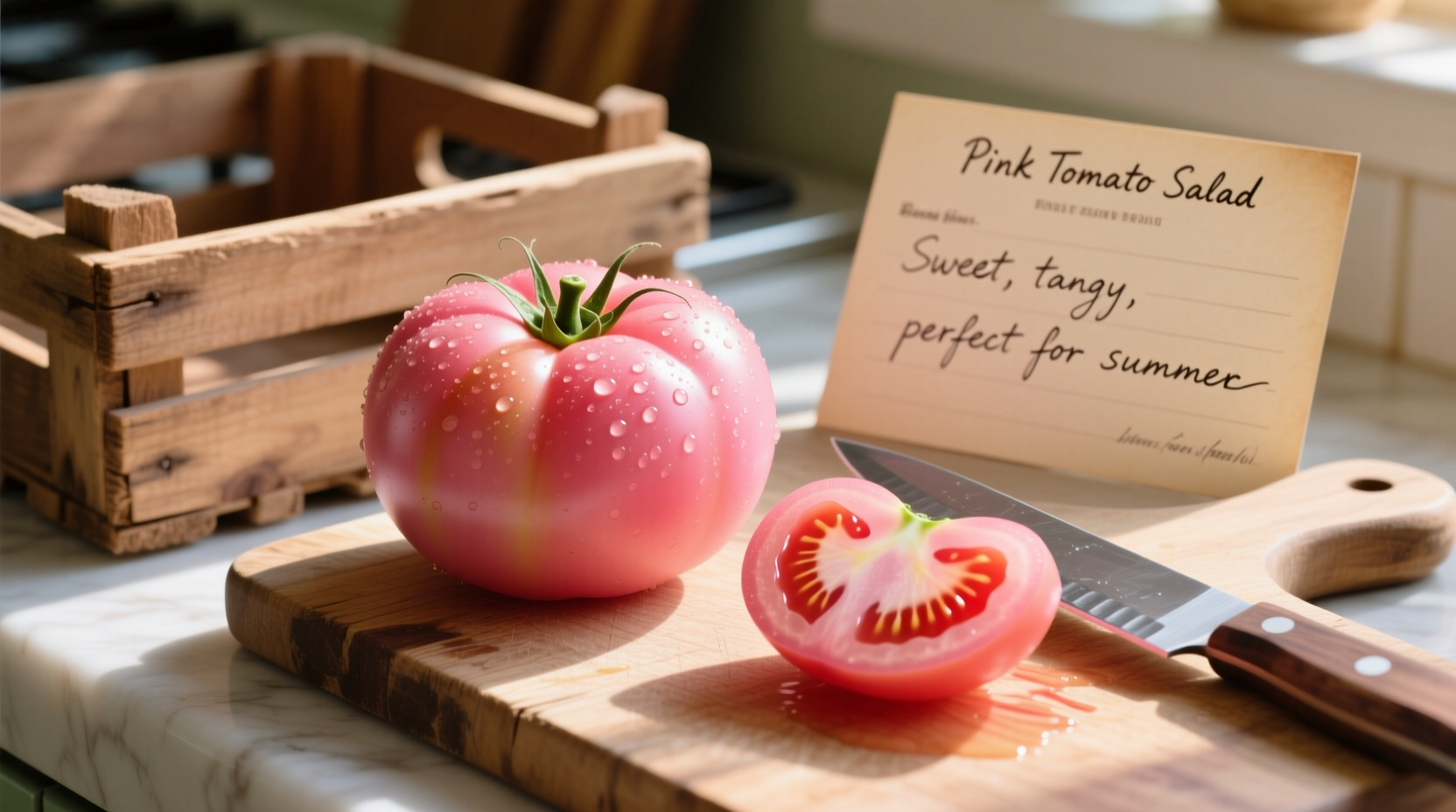
A \"pink tomato\" refers not to a single cultivar but to a broad category of tomato varieties that exhibit a rosy, blush-pink, or deep coral hue when ripe, rather than the classic fire-engine red. These tomatoes are typically heirloom types, meaning they are open-pollinated, non-hybrid plants passed down through generations. Their color results from a specific genetic expression involving lycopene and chlorophyll retention during ripening.
Unlike red tomatoes, which accumulate high levels of lycopene (a red carotenoid pigment), pink tomatoes contain lower concentrations of this compound. Instead, they retain more chlorophyll beneath the skin, blending with moderate lycopene to create a softer, pinkish exterior. The flesh inside is usually deep red or crimson, contributing to a rich internal color while maintaining an outer blush.
Pink tomatoes are commonly found in large slicing forms such as 'Brandywine,' 'Cherokee Purple,' and 'Pink Berkeley Tie-Dye.' They thrive in warm, temperate climates and are often grown by small-scale farmers and home gardeners who prioritize taste over transport durability. Their season peaks in late summer, making them a hallmark of farmers’ market abundance.
Culinarily, pink tomatoes bridge the gap between sweetness and acidity. They are less tart than yellow varieties, less aggressively fruity than black tomatoes, and more aromatic than commercial globe tomatoes. This balance makes them ideal for fresh applications where tomato flavor takes center stage.
Key Characteristics
The distinction of pink tomatoes lies in their sensory and structural profile. Below is a breakdown of their defining traits:
| Characteristic | Description |
|---|---|
| Color | Exterior ranges from soft rose to dusky mauve; interior flesh is deep red or maroon. |
| Flavor Profile | Well-balanced: moderate sweetness, pronounced umami, low to medium acidity, with earthy or wine-like undertones. |
| Texture | Juicy, tender flesh with fewer dense gel pockets; prone to cracking if overwatered. |
| Aroma | Fragrant, with notes of ripe berry, melon, and sun-warmed soil. |
| Size & Shape | Often large and beefsteak-style; can be ribbed, oblate, or slightly flattened. |
| Shelf Life | Shorter than commercial reds—3–5 days at room temperature, up to one week if perfectly ripe. |
| Nutritional Value | Rich in vitamin C, potassium, and antioxidants; contains moderate lycopene (less than red types). |
This combination of attributes makes pink tomatoes especially valuable in raw preparations, where texture and aroma are critical. Their lower acidity also renders them more digestible for individuals sensitive to acidic foods.
Practical Usage
Pink tomatoes shine in dishes that highlight freshness and complexity. Because they are not bred for long-distance shipping, they lack the firmness of grocery-store hybrids. As such, they perform best when used within a day or two of harvest.
For Home Cooking:
- Capers and Tomato Salad: Slice pink tomatoes thickly, layer with flaked sea salt, cracked pepper, extra virgin olive oil, and aged balsamic. Add capers and thinly sliced red onion for contrast. Let sit 10 minutes before serving to allow flavors to meld.
- Open-Faced Sandwiches: Use sturdy sourdough or ciabatta, spread with herbed goat cheese or mayonnaise, then top with tomato slices, microgreens, and a sprinkle of smoked paprika. The soft texture integrates well with creamy spreads.
- Salsa Cruda: Dice pink tomatoes with jalapeño, cilantro, lime juice, and red onion. Serve with grilled fish or tortilla chips. Their juiciness adds body without excessive runniness.
- Tomato Consommé: Simmer gently with shallots and herbs, strain, and chill. Serve with a dollop of crème fraîche. The subtle sweetness enhances clarity of flavor.
Professional Kitchen Applications:
- Garnishes: Chefs use thin rounds or quenelles of pink tomato to add color and freshness to composed plates, particularly seafood and charcuterie boards.
- Purees: Blended and strained, pink tomatoes yield a silky coulis for draping over roasted vegetables or enriching cold soups like vichyssoise.
- Deconstructed Caprese: Paired with burrata, basil oil, and aged balsamic pearls, their visual appeal and mellow acidity complement creamy mozzarella without overpowering it.
Tip: Never refrigerate pink tomatoes unless absolutely necessary. Cold temperatures degrade cell structure and mute flavor compounds. Store stem-side down at room temperature, away from direct sunlight.
Variants & Types
While all pink tomatoes share certain aesthetic and flavor traits, several distinct cultivars offer unique variations. Choosing the right type depends on intended use, growing conditions, and desired intensity.
Common Pink Tomato Varieties
- Brandywine (Pink): Perhaps the most famous pink tomato, known for its large size (often exceeding 1 lb), ribbed shape, and sweet, almost floral taste. Best eaten fresh or lightly grilled.
- Cherokee Purple: Though appearing nearly black in sunlight, its true classification is a dusky pink heirloom with green shoulders. Offers smoky, wine-like depth; excellent in sauces and salsas.
- Pink Berkeley Tie-Dye: A striped variety with pink base and greenish-yellow swirls. High sugar content and crisp texture make it ideal for salads and pickling.
- Mexican Pink: Smaller, round, and uniform, this variety has a bright pink skin and firm flesh. More resistant to cracking and suitable for canning.
- Anna Russian: Similar to Brandywine but earlier maturing, with a tangier edge. Performs well in cooler coastal climates.
Comparison of Key Pink Cultivars
| Variety | Size | Flavor Notes | Best Use | Days to Maturity |
|---|---|---|---|---|
| Brandywine (Pink) | Very large (12–16 oz) | Sweet, floral, low acid | Fresh eating, sandwiches | 80–100 |
| Cherokee Purple | Large (8–12 oz) | Earthy, smoky, complex | Sauces, salsas, grilling | 75–85 |
| Pink Berkeley Tie-Dye | Medium-large (6–10 oz) | Balanced sweet-tart, crisp | Salads, pickling | 78–88 |
| Mexican Pink | Medium (4–6 oz) | Bright, clean, mild | Canning, roasting | 70–75 |
| Anna Russian | Large (8–10 oz) | Tangy, citrusy finish | Grilled, fresh slicing | 72–80 |
Gardeners should consider disease resistance, climate adaptability, and harvest window when selecting seeds. For example, Cherokee Purple thrives in heat but requires consistent moisture, while Anna Russian tolerates cooler nights better than most heirlooms.
Comparison with Similar Ingredients
Pink tomatoes are frequently mistaken for red, yellow, or purple-black tomatoes. However, key differences affect both usage and expectations.
Pink vs. Red Tomatoes
- Pigmentation: Red tomatoes have high lycopene; pink types have moderate levels, resulting in softer coloration.
- Acidity: Commercial reds (e.g., ‘Roma,’ ‘Beefsteak’) are bred for higher acid to preserve brightness during storage; pinks are milder.
- Texture: Red hybrids are firmer, with thicker walls—ideal for canning and sauce-making. Pink heirlooms are juicier and more fragile.
- Flavor: Reds often taste one-dimensional due to selective breeding; pinks offer layered, aromatic profiles.
Pink vs. Yellow Tomatoes
- Sweetness: Yellow tomatoes (e.g., ‘Golden Jubilee’) are higher in sugar and lower in acid, giving a candy-like taste. Pinks balance sweetness with savory depth.
- Color Stability: Yellow tomatoes retain color when cooked; pink tomatoes may dull or brown slightly under heat.
- Nutrition: Yellows are richer in beta-carotene; pinks provide more lycopene than yellows but less than reds.
Pink vs. Black/Purple Tomatoes
- Anthocyanins: Black tomatoes (e.g., ‘Black Krim’) contain anthocyanins—antioxidants responsible for dark pigmentation. Pinks lack these compounds, relying on lycopene-chlorophyll interaction instead.
- Flavor: Black types tend toward salty, meaty notes; pinks are fruit-forward with gentle earthiness.
- Appearance: Despite names like “purple,” many black tomatoes appear dark mahogany or greenish-brown. True pink varieties display unmistakable rosy blush.
“The pink tomato represents the gold standard of flavor-first breeding. You won’t find them stacked neatly in supermarkets because they don’t ship well—but that’s exactly why they taste so good.” — Chef Elena Ruiz, Farm-to-Table Advocate
Practical Tips & FAQs
How do I know when a pink tomato is ripe?
A ripe pink tomato yields slightly to palm pressure and emits a strong, sweet aroma near the stem. The skin should feel taut but not glossy wet. Avoid specimens with cracks, sunscald, or soft spots.
Can I cook with pink tomatoes?
Yes, but carefully. Their high water content means they break down quickly. Ideal for quick-cooked sauces, chutneys, or roasted applications where texture isn’t critical. For long-simmered sauces, combine with paste tomatoes like San Marzano to stabilize consistency.
Are pink tomatoes genetically modified?
No. Their color is the result of natural genetic variation and selective breeding over decades. Most are open-pollinated heirlooms, not GMOs or hybrids.
How should I store pink tomatoes?
Keep at room temperature, stem-side down, on a plate or basket. Use within 3–5 days. If you must extend life, place in the upper part of the refrigerator (above 55°F) for no more than 24 hours—and bring back to room temperature before serving.
What are common substitutes?
If unavailable, substitute with ripe heirloom red tomatoes or a blend of red and yellow varieties to mimic balance. Avoid canned or greenhouse-grown tomatoes, which lack equivalent depth.
Are pink tomatoes healthier?
They are nutritionally comparable to other ripe tomatoes. While lower in lycopene than red types, they retain high levels of vitamin C, potassium, and flavonoids. Their real advantage lies in minimal processing and peak-season harvesting, preserving phytonutrient integrity.
Storage Checklist:
- Do not wash until ready to use.
- Store away from ethylene-producing fruits (e.g., bananas, apples).
- Keep whole—cutting accelerates spoilage.
- Use damaged tomatoes first, even if underripe.
Summary & Key Takeaways
Pink tomatoes are not a novelty but a testament to agricultural diversity and flavor-driven cultivation. Their distinctive appearance stems from natural genetics—not artificial enhancement—and reflects a deliberate balance between lycopene and chlorophyll expression. With lower acidity, higher juiciness, and complex aromatic profiles, they outperform mass-market red tomatoes in fresh culinary applications.
Chefs and home cooks benefit from understanding their fragility and seasonal nature. Proper handling—room-temperature storage, immediate use, and gentle preparation—preserves their delicate qualities. Whether sliced on toast, folded into salsa, or served alongside grilled meats, pink tomatoes deliver a sensory experience unmatched by commercially bred counterparts.
Among heirloom varieties, pink tomatoes represent a sweet spot: visually striking, nutritionally sound, and gastronomically superior. By choosing them, consumers support sustainable farming, seed preservation, and the revival of authentic tomato flavor—one juicy bite at a time.
Try This: Host a tomato tasting with three varieties—pink (Brandywine), red (heirloom beefsteak), and black (Cherokee Purple). Serve with salt, olive oil, and crusty bread. Note differences in aroma, mouthfeel, and aftertaste to deepen your palate awareness.




 浙公网安备
33010002000092号
浙公网安备
33010002000092号 浙B2-20120091-4
Comments
No comments yet. Why don't you start the discussion?