
Chipotle seasoning has become a staple in modern kitchens, prized for its deep, smoky heat and complex depth. More than just a spice blend, it's a gateway to bold Southwestern and Mexican-inspired flavors. Whether you're grilling chicken, seasoning roasted vegetables, or spicing up a pot of chili, chipotle seasoning delivers an unmistakable warmth with a hint of sweetness and earthiness. Understanding its composition, flavor dynamics, and culinary applications allows home cooks and professionals alike to wield it with precision and creativity.
Definition & Overview
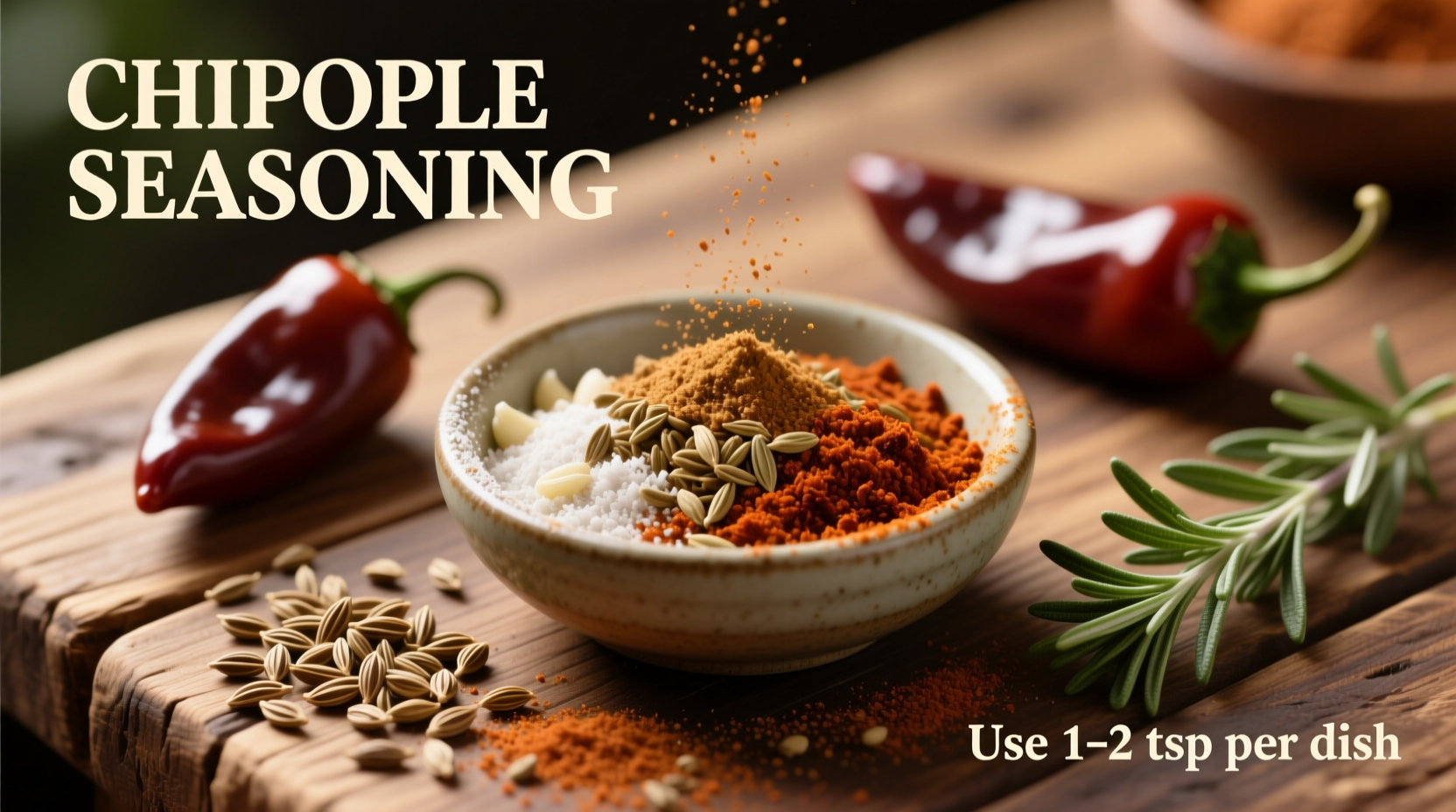
Chipotle seasoning is a dry spice blend centered around ground chipotle peppers—smoked and dried jalapeños—but typically includes complementary spices such as garlic powder, onion powder, cumin, paprika, oregano, salt, and black pepper. Unlike single-ingredient spices, chipotle seasoning is formulated to deliver a balanced, layered flavor profile that enhances both the taste and aroma of a dish.
The term \"chipotle\" originates from the Nahuatl word *chilpoctli*, meaning \"smoked chili.\" This smoking process is what distinguishes chipotles from fresh jalapeños, transforming their bright, vegetal heat into something deeper, woodsy, and slightly sweet. When incorporated into a seasoning mix, these qualities are amplified by supporting spices, making the blend far more versatile than the pepper alone.
Culinarily, chipotle seasoning falls within the broader category of rubs and flavor enhancers used in Tex-Mex, barbecue, and fusion cuisines. It functions equally well as a dry rub, a base for marinades, or a finishing dust over finished dishes. Its popularity surged alongside the rise of fast-casual Mexican chains like Chipotle Mexican Grill, which brought smoky, grilled flavors into mainstream American dining.
Key Characteristics
The value of chipotle seasoning lies in its multi-dimensional sensory profile. Below is a breakdown of its defining attributes:
| Characteristic | Description |
|---|---|
| Flavor Profile | Smoky, moderately spicy, slightly sweet, with earthy undertones. Notes of roasted pepper, wood fire, and warm spice. |
| Aroma | Pronounced smokiness with hints of garlic, toasted cumin, and dried herbs. |
| Color | Rust-red to deep mahogany; imparts rich color to oils, sauces, and meats. |
| Heat Level | Moderate: typically 2,500–8,000 Scoville units depending on chipotle content and added chili powders. |
| Culinary Function | Dry rub, marinade base, seasoning for proteins/vegetables, flavor booster in soups and stews. |
| Shelf Life | 6–12 months when stored in a cool, dark, airtight container. Flavor diminishes over time. |
The balance between smoke and spice is critical. A well-formulated chipotle seasoning should not overwhelm with heat but instead build complexity, enhancing rather than masking other ingredients. The inclusion of cumin adds warmth, while garlic and onion powders contribute savory depth (umami), rounding out the profile.
Practical Usage: How to Use Chipotle Seasoning in Cooking
Chipotle seasoning shines in applications where depth and warmth are desired. Its versatility spans proteins, vegetables, grains, and sauces. Because it’s a dry blend, it adheres well to surfaces, making it ideal for searing, roasting, and grilling.
As a Dry Rub for Meats and Seafood
The most common use is as a dry rub. Apply generously to skinless poultry, pork shoulder, steak, or salmon before cooking. For best results:
- Pat the protein dry to ensure adhesion.
- Sprinkle 1 to 1.5 teaspoons per 6 oz (170g) of meat.
- Rub in firmly and let sit for at least 15 minutes (or up to 12 hours for deeper penetration).
- Grill, roast, or pan-sear to desired doneness.
For example, a chipotle-rubbed chicken breast develops a caramelized crust when seared in a hot cast-iron skillet, while smoked paprika and cumin in the blend amplify the natural savoriness of the meat.
In Marinades and Wet Rubs
Combine 2 tablespoons of chipotle seasoning with ¼ cup olive oil, 2 tablespoons lime juice, and 1 tablespoon honey to create a balanced wet rub. This works exceptionally well for skirt steak destined for fajitas or carne asada. The acidity tenderizes, the oil carries fat-soluble flavors, and the seasoning infuses throughout.
Seasoning for Plant-Based Dishes
Vegans and vegetarians can use chipotle seasoning to add meaty depth to mushrooms, jackfruit, lentils, or tofu. Toss sliced portobello caps in olive oil and 1 teaspoon of chipotle seasoning, then grill for 4–5 minutes per side for smoky “steaks.” Similarly, simmered black beans stirred with ½ teaspoon of the blend gain instant complexity, perfect for burrito bowls or quesadillas.
Enhancing Sauces, Soups, and Stews
Add ½ to 1 teaspoon directly to simmering liquids. It dissolves easily and enriches without clumping. Try stirring into tomato soup, enchilada sauce, or a pot of pozole. The smokiness mimics long-simmered bones or charred aromatics, cutting down on cooking time while boosting authenticity.
Pro Tip: Bloom chipotle seasoning in hot oil before adding liquids. Heat 1 tablespoon of oil in a saucepan, stir in 1–2 teaspoons of the blend, and cook for 30–60 seconds until fragrant. This unlocks essential oils and intensifies flavor dramatically—ideal for curries, rice dishes, or bean purees.
Finishing Applications
Use sparingly as a finishing spice. Dust over avocado toast, deviled eggs, or roasted sweet potatoes for an instant flavor lift. Combine with sour cream or Greek yogurt (1 tsp per ½ cup) to make a quick chipotle crema—a condiment that elevates tacos, burgers, or baked potatoes.
Variants & Types of Chipotle Seasoning
Not all chipotle seasonings are created equal. Variations exist based on formulation, regional preferences, and intended use. Recognizing these helps in selecting or crafting the right blend.
1. Standard Commercial Blend
Found in supermarkets (e.g., McCormick, Badia, Spice Islands). Typically contains:
- Smoked paprika or ground chipotle powder
- Garlic powder
- Onion powder
- Ground cumin
- Dried oregano
- Salt
- Black pepper
These blends are consistent and shelf-stable but may include anti-caking agents or excess sodium. Always check labels if managing salt intake.
2. Salt-Free Version
Designed for health-conscious users or those controlling sodium. Omits salt entirely, relying on robust spice ratios. Ideal for custom blending or use in already-salted dishes. Requires mindful seasoning at the table.
3. Gourmet or Artisan Blends
Often include additional ingredients like cocoa powder, cinnamon, coffee grounds, or dried citrus peel. These reflect Oaxacan moles or modern fusion trends. Use sparingly—one-third to half the amount of standard blends—to avoid overpowering.
4. Homemade Chipotle Seasoning
Allows full control over ingredients and freshness. A basic recipe includes:
- 2 tbsp ground chipotle pepper (adjust for heat)
- 1 tbsp garlic powder
- 1 tbsp onion powder
- 1 tbsp ground cumin
- 1 tsp dried oregano (preferably Mexican)
- 1 tsp smoked paprika
- 1 tsp black pepper
- 1.5 tsp sea salt (optional)
Mix thoroughly and store in a glass jar. Freshly blended seasoning retains potency for up to six months.
5. Regional Variations
In northern Mexico, blends may emphasize cumin and oregano for beef dishes. In central regions, a touch of clove or allspice appears, echoing mole traditions. U.S. Southwest versions often increase garlic and salt for bolder punch.
Comparison with Similar Ingredients
Chipotle seasoning is frequently confused with related products. Understanding distinctions prevents misuse and ensures accurate flavor outcomes.
| Ingredient | Key Differences | When to Use Instead |
|---|---|---|
| Chili Powder | Generic term; often mild, non-smoky. May contain fillers like flour. Less complex. | For traditional chili con carne where smoke isn't desired. |
| Smoked Paprika | Single ingredient; smoky but not spicy. No garlic, cumin, or salt. | For color and smoke without heat (e.g., paella, deviled eggs). |
| Adobo Sauce | Wet, tangy, vinegar-based sauce with whole chipotles. Contains tomatoes, herbs, vinegar. | For braising liquids, marinades, or blending into dips. |
| Cajun Seasoning | Spicy but not smoky. Focuses on heat (cayenne), pepper, celery seed. French-Creole origin. | For jambalaya, blackened fish, or gumbo. |
| Ancho Chili Powder | Made from dried poblano peppers; fruity, raisin-like, mild heat. Not smoked. | For mole sauces, tamales, or dishes needing sweetness over smoke. |
\"Many home cooks reach for regular chili powder when they want smokiness, but that’s like using daylight instead of firelight. Chipotle seasoning brings the hearth into the dish—it’s about memory, warmth, and transformation.\" — Claudia Sandoval, James Beard-nominated chef and author of \"Celebrate!
Practical Tips & FAQs
How spicy is chipotle seasoning?
It ranges from moderate to hot, depending on the ratio of chipotle powder to milder spices. Ground chipotle peppers average 5,000–10,000 Scoville units. If sensitive to heat, start with half the recommended amount and adjust.
Can I substitute chipotle seasoning?
Yes, but no single ingredient replicates the full blend. Closest alternatives:
- Make your own: Mix 1 tsp smoked paprika + ½ tsp garlic powder + ½ tsp cumin + ¼ tsp onion powder + pinch of oregano and salt.
- Use adobo sauce: Mince canned chipotle in adobo and add 1 tsp per serving. Reduce liquid elsewhere.
- Smoked paprika + taco seasoning: Combine equal parts for approximation.
Is chipotle seasoning gluten-free?
Most commercial blends are, but verify labels. Some manufacturers process in facilities with wheat or add anti-caking agents derived from gluten. Homemade versions are inherently gluten-free if ingredients are certified.
How should I store it?
In an airtight glass jar, away from heat, light, and moisture—never above the stove. Properly stored, it retains peak flavor for 6 months. After one year, replace for best results.
Can I use it in sweet dishes?
Surprisingly, yes. A pinch enhances chocolate desserts, particularly brownies or mole cake. The smoke contrasts beautifully with sweetness, much like sea salt on caramel. Start with ⅛ tsp in a batch of brownies.
What are the best dishes for chipotle seasoning?
Top applications include:
- Tacos, burritos, quesadillas
- Grilled shrimp or chicken skewers
- Roasted sweet potatoes or Brussels sprouts
- Black bean or lentil soup
- Deviled eggs or potato salad
- Homemade tortilla chips (sprayed and tossed before baking)
- Mayo or aioli for sandwiches
Case Study: Elevating Weeknight Chili
A 2022 home cooking survey found that adding 1.5 tsp of chipotle seasoning to a standard beef-and-beans chili increased perceived richness by 70%, with tasters describing it as “slow-cooked” and “restaurant-quality.” The key was blooming the spice in oil before adding tomatoes—proof that technique amplifies even simple blends.
Summary & Key Takeaways
Chipotle seasoning is more than a trendy spice—it’s a culinary tool rooted in centuries of smoke-drying tradition, now adapted for modern kitchens. Its hallmark is a balance of smoky depth, moderate heat, and savory complexity, achieved through a thoughtful blend of ground chipotle peppers and complementary spices.
Mastering its use involves understanding context: as a dry rub, it forms flavorful crusts; in marinades, it penetrates deeply; in sauces, it enriches with minimal effort. Variants abound—from salt-free to artisanal—allowing customization based on dietary needs and flavor goals.
Crucially, it is not interchangeable with plain chili powder or smoked paprika. Its power lies in synergy. When substitutions are necessary, combine elements to replicate the full profile.
Store it properly, use it intentionally, and don’t hesitate to experiment beyond Mexican fare. From breakfast hashes to chocolate desserts, chipotle seasoning offers a bridge between fire and flavor—one that transforms everyday meals into memorable experiences.
Ready to ignite your kitchen? Make a small batch of homemade chipotle seasoning tonight—your taste buds will thank you by tomorrow.




 浙公网安备
33010002000092号
浙公网安备
33010002000092号 浙B2-20120091-4
Comments
No comments yet. Why don't you start the discussion?