
Cinnamon is one of the world’s most beloved spices, instantly recognizable by its warm aroma and sweet-spicy flavor. It graces everything from morning toast to holiday desserts, savory stews, and even medicinal tonics. Yet despite its ubiquity, many cooks don’t fully understand what cinnamon truly is—where it comes from, how it’s harvested, or why there are such dramatic differences in quality and taste between brands and types. Understanding cinnamon goes beyond mere identification; it’s about appreciating a globally traded botanical with deep historical roots, complex flavor chemistry, and versatile culinary applications.
The term “cinnamon” often refers generically to any rolled brown bark used as a spice. But in reality, not all cinnamon is the same. True cinnamon (Ceylon cinnamon) differs significantly from the more commonly sold cassia varieties in flavor, safety, and use. Mislabeling in supermarkets means consumers may unknowingly purchase a harsher, potentially harmful version under the assumption they’re buying the milder original. This article clarifies exactly what cinnamon is, distinguishes its major forms, explains how to use it effectively in both sweet and savory contexts, and offers practical guidance for selecting, storing, and substituting this essential pantry staple.
Definition & Overview
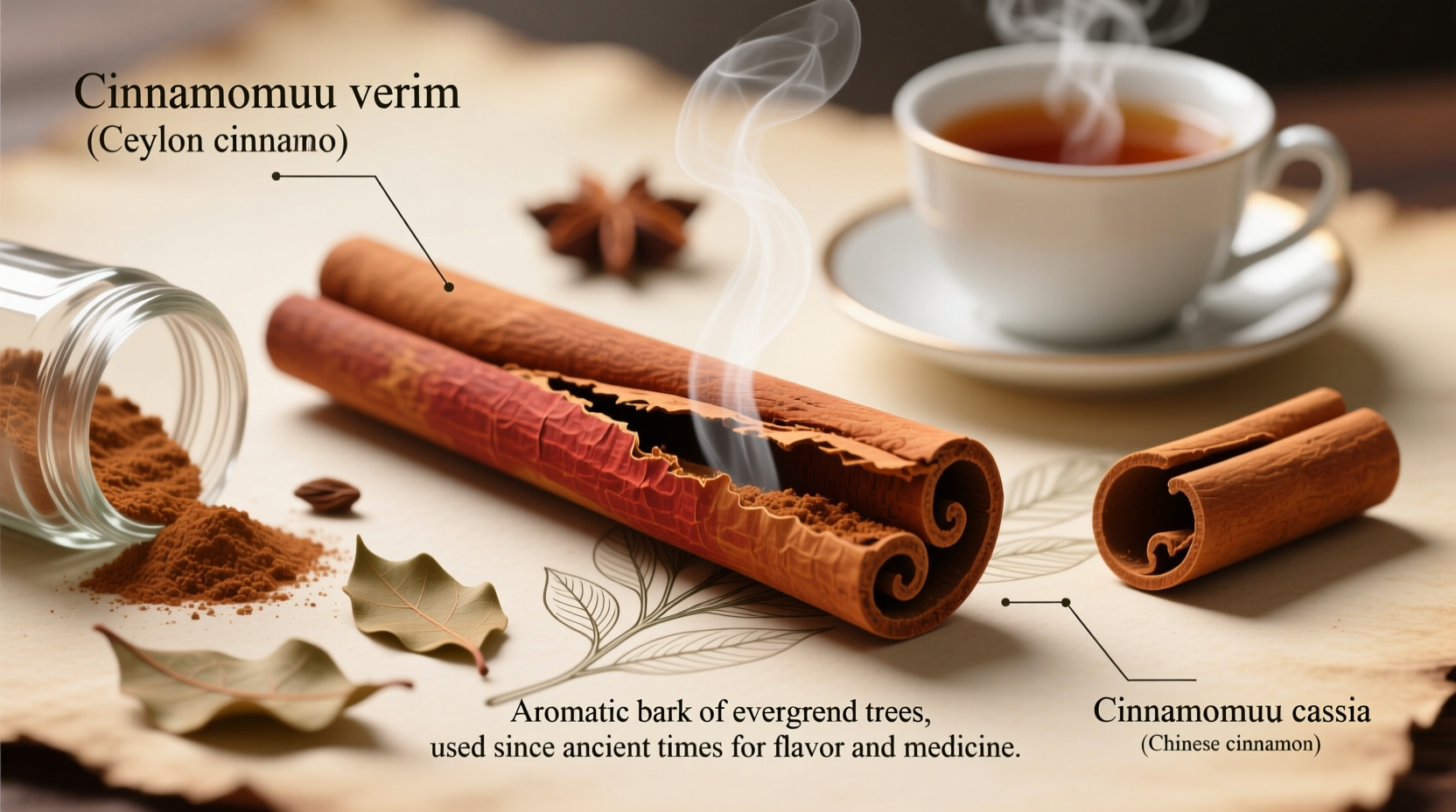
Cinnamon is a spice derived from the inner bark of trees belonging to the genus Cinnamomum, part of the laurel family (Lauraceae). When harvested, the outer bark is stripped away, and the fragrant inner layers are carefully peeled, left to dry, and naturally curl into quills—or “sticks.” These can be ground into powder or used whole in cooking.
The spice has been traded for thousands of years, originally sourced from Sri Lanka (formerly Ceylon), where Cinnamomum verum—meaning “true cinnamon”—is native. Ancient Egyptians used it in embalming, while medieval Europeans valued it so highly it was considered worth its weight in gold. Today, cinnamon remains a cornerstone of global cuisine, appearing in Indian curries, Mexican hot chocolate, Middle Eastern rice dishes, American apple pies, and Vietnamese pho.
Its signature profile combines warmth, sweetness, and mild bitterness, making it uniquely suited to balance rich or fatty ingredients and enhance fruit-based preparations. Beyond flavor, modern research highlights potential health benefits linked to its antioxidant compounds, particularly cinnamaldehyde, which gives cinnamon its distinctive scent and may support blood sugar regulation and anti-inflammatory processes.
Key Characteristics
| Attribute | Description |
|---|---|
| Flavor Profile | Warm, sweet, slightly woody with subtle citrus notes (especially in Ceylon); cassia types are sharper, spicier, and more pungent. |
| Aroma | Pronounced, sweetly spicy with volatile oils that intensify when heated. |
| Color | Light tan to medium brown; Ceylon tends to be paler, cassia darker and reddish-brown. |
| Form | Available as whole quills (sticks), ground powder, extract (liquid), or essential oil. |
| Heat Level | Not spicy in the chili sense, but provides thermal warmth on the palate, especially when consumed in larger amounts. |
| Culinary Function | Flavor enhancer, natural preservative, digestion aid, colorant, and aromatic base in spice blends. |
| Shelf Life | Ground: 6–12 months; sticks: up to 3–4 years if stored properly in airtight containers away from light and heat. |
Variants & Types
While all true cinnamon comes from Cinnamomum species, significant differences exist among commercially available types. The two primary categories are Ceylon cinnamon and cassia cinnamon, each with sub-varieties.
1. Ceylon Cinnamon (Cinnamomum verum)
Known as “true cinnamon,” this variety originates from Sri Lanka and southern India. It features multiple thin, papery layers rolled into delicate, soft quills that resemble cigars. When broken, it reveals a light tan color and fine texture. Its flavor is nuanced—sweet, floral, and mildly citrusy—with low levels of coumarin, a compound that can be toxic in high doses. Because of its subtlety and safety, Ceylon is preferred in fine baking, herbal teas, and infant foods.
2. Cassia Cinnamon (Commonly Labeled as “Cinnamon”)
This includes several closely related types:
- Chinese Cassia (Cinnamomum cassia): The most common form sold in North America and Europe. It has thick, hard quills with a dark reddish-brown hue and a bold, intense flavor. High in coumarin, long-term consumption in large quantities may pose liver risks.
- Indonesian Cassia (Cinnamomum burmannii): Often called \"korintje,\" this type is cheaper to produce and dominates mass-market ground cinnamon. It has an earthy, robust taste and is frequently blended with other cassias.
- Saigon Cinnamon (Cinnamomum loureiroi): Grown in Vietnam, this is the most aromatic and highest in essential oils, especially cinnamaldehyde. It delivers a fiery heat and intense sweetness, prized by pastry chefs for standout flavor impact.
TIP: Always check labels. If a product simply says “cinnamon” without specifying Ceylon, it is almost certainly cassia. For daily use or sensitive populations (children, pregnant women, those with liver conditions), opt for labeled Ceylon cinnamon.
Comparison with Similar Ingredients
Cinnamon is sometimes confused with other warming spices due to overlapping uses in baking and spice blends. However, key distinctions set it apart.
| Ingredient | Difference from Cinnamon |
|---|---|
| Nutmeg | More resinous and hallucinogenic in excess; derived from a seed, not bark; used sparingly; lacks cinnamon’s sweetness. |
| Allspice | A single berry that mimics a blend of cinnamon, cloves, and nutmeg; stronger clove note; better for jerk seasoning and pickling. |
| Ground Cloves | Sharper, more medicinal; overpowering if overused; complements but does not replace cinnamon. |
| Pumpkin Pie Spice | A pre-mixed blend typically containing cinnamon, ginger, nutmeg, allspice, and cloves; not a substitute for pure cinnamon in precise recipes. |
| Cassia vs. Ceylon | Though both are technically cinnamon, cassia is stronger, harsher, and higher in coumarin; Ceylon is delicate, layered, and safer for regular intake. |
Practical Usage: How to Use Cinnamon in Cooking
Cinnamon functions differently depending on whether it's used whole or ground, and which type is selected. Understanding these nuances allows cooks to maximize flavor and avoid imbalance.
Sweet Applications
In desserts, cinnamon enhances fruit flavors, cuts through richness, and adds depth to doughs and custards. Ground cinnamon disperses evenly, making it ideal for batters, frostings, and spiced milk drinks like chai or golden milk.
- Add ½ teaspoon ground cinnamon per cup of flour in muffins or quick breads.
- Infuse whole Ceylon sticks in poaching liquid for pears or apples—remove before serving.
- Blend with sugar for streusel toppings or cinnamon toast.
- Stir into oatmeal or yogurt with honey and nuts for breakfast.
Savory Applications
Cinnamon plays a critical role in global savory cuisines, particularly in the Middle East, North Africa, and Southeast Asia. Whole sticks are preferred here, as they release flavor slowly during simmering and are easily removed later.
- Add one small Ceylon or cassia stick to biryanis, pilafs, or lentil soups for background warmth.
- Include in Moroccan tagines with lamb, apricots, and almonds—balances sweetness and fat.
- Use in Chinese five-spice powder (where cassia is dominant).
- Simmer in broths for ramen or pho to deepen umami complexity.
Professional Techniques
High-end kitchens leverage cinnamon’s aromatic volatility through controlled heating methods:
- Bloom in Fat: Toast ground cinnamon briefly in oil or ghee to unlock essential oils before adding liquids—common in Indian curry bases.
- Dry-Toasting Spices: Lightly roast whole sticks with other spices before grinding for custom blends; brings out smoky-sweet notes.
- Infused Liquids: Steep a broken quill in warm cream, milk, or syrup for 15–20 minutes, then strain—ideal for ice cream bases or cocktails.
- Layered Flavoring: Combine different cinnamon types—a touch of Saigon for punch, balanced with Ceylon for finesse.
PRO TIP: Never add ground cinnamon directly to boiling liquids—it can clump and scorch. Instead, mix it with a neutral oil, blend with sugar, or incorporate into a slurry with cold liquid first.
Health Considerations & Safety
Cinnamon has gained attention for potential metabolic benefits, including improved insulin sensitivity and reduced blood glucose spikes after meals. However, the type matters greatly.
Coumarin, abundant in cassia cinnamon, is a natural blood thinner and hepatotoxin at high doses. The European Food Safety Authority recommends a tolerable daily intake of 0.1 mg of coumarin per kilogram of body weight. One teaspoon (about 2.5 grams) of Chinese cassia contains roughly 5–12 mg of coumarin—potentially exceeding safe limits with daily use.
In contrast, Ceylon cinnamon contains only trace amounts (typically less than 0.017 mg per gram), making it the safer choice for therapeutic or frequent consumption.
“For patients managing diabetes with dietary cinnamon supplementation, I recommend only water-extracted Ceylon cinnamon supplements standardized for polyphenols, not raw cassia powders. Safety must precede trend-following.” — Dr. Lena Torres, Integrative Nutrition Specialist
Storage, Shelf Life & Substitutions
How to Store Cinnamon
To preserve potency:
- Keep in airtight glass or metal containers.
- Store in a cool, dark cupboard—away from stove heat or sunlight.
- Whole sticks retain freshness far longer than ground spice.
- Label with purchase date; replace ground cinnamon after 12 months.
Substitution Guide
If cinnamon is unavailable, consider these alternatives based on recipe context:
| Substitute | Best For | Ratio | Notes |
|---|---|---|---|
| Pumpkin Pie Spice | Baking, lattes | 1:1 | Contains cinnamon already; will add clove/nutmeg notes. |
| Allspice (ground) | Marinades, stews | ¾ tsp per 1 tsp cinnamon | Stronger; use less to avoid medicinal flavor. |
| Nutmeg + Clove | Ragouts, mulled wine | ½ tsp nutmeg + ⅛ tsp clove | Lacks sweetness; combine with sugar if needed. |
| Ginger (ground) | Quick breads, cookies | ¾ tsp per 1 tsp | Adds heat but no warmth; pair with vanilla for balance. |
There is no perfect replacement for cinnamon’s unique profile—but combining substitutes thoughtfully can maintain overall harmony in a dish.
Frequently Asked Questions
Is cinnamon good for you?
Yes, in moderation. Cinnamon is rich in antioxidants and may help regulate blood sugar, reduce inflammation, and inhibit microbial growth. Most evidence supports benefit from moderate intake (½ to 1 teaspoon daily), particularly using Ceylon cinnamon. However, it should complement—not replace—medical treatment.
Can you eat too much cinnamon?
Yes. Consuming large amounts of cassia cinnamon regularly can lead to coumarin toxicity, causing liver damage. The infamous “cinnamon challenge” poses additional risks, including lung aspiration and mucosal injury. Stick to culinary amounts.
Why does my ground cinnamon taste bitter?
Bitterness may result from old or degraded spice, overheating during cooking, or excessive use. Cassia varieties are inherently more astringent. Always bloom ground cinnamon gently and avoid prolonged exposure to high heat.
Can I grow my own cinnamon tree?
Yes, but it requires tropical conditions (USDA zones 10–12). Cinnamomum verum grows as an evergreen shrub reaching 30–40 feet. Harvesting bark for spice involves pruning young stems and peeling inner layers—feasible for enthusiasts in warm climates or greenhouses.
Does organic cinnamon make a difference?
Organic certification ensures no synthetic pesticides or fumigants were used during cultivation or processing. Given that bark absorbs environmental contaminants, organic sourcing can improve purity—especially important for daily users.
Summary & Key Takeaways
Cinnamon is far more than a kitchen staple—it’s a biologically active plant product with a storied past and diverse modern applications. To use it wisely, remember these core principles:
- Ceylon is “true” cinnamon: Milder, safer, and more refined than common cassia types.
- Cassia dominates the market: Stronger and cheaper, but high in coumarin—limit regular intake.
- Form affects function: Whole sticks for infusions and savory dishes; ground for baking and rubs.
- Store properly: Protect from heat, light, and moisture to extend shelf life.
- Bloom ground cinnamon: Enhance flavor by heating in fat before adding liquids.
- Know substitutions: No direct swap exists, but pumpkin pie spice or allspice can work in a pinch.
- Respect dosage: Therapeutic benefits occur at culinary—not extreme—levels.
Start building a dual-cinnamon pantry: keep Ceylon for daily use and delicate dishes, and reserve Saigon or Chinese cassia for bold recipes requiring intense heat and aroma. Label your jars clearly, and always read ingredient lists—especially in pre-made blends. With informed choices, cinnamon can remain a safe, delicious, and transformative element in your cooking repertoire for years to come.




 浙公网安备
33010002000092号
浙公网安备
33010002000092号 浙B2-20120091-4
Comments
No comments yet. Why don't you start the discussion?