
Togarashi seasoning is a bold, aromatic Japanese spice blend that brings heat, umami, and complexity to dishes with just a light sprinkle. While often spotted on restaurant tables next to soy sauce and pickled ginger, many home cooks remain unfamiliar with its components, variations, and culinary potential. More than just \"Japanese chili powder,\" togarashi—particularly shichimi togarashi—is a carefully balanced mix of spices, seeds, and dried elements that elevate both traditional and modern cuisine. Understanding what togarashi is, how its ingredients interact, and when to apply it can transform everyday meals into vibrant, layered experiences.
Definition & Overview
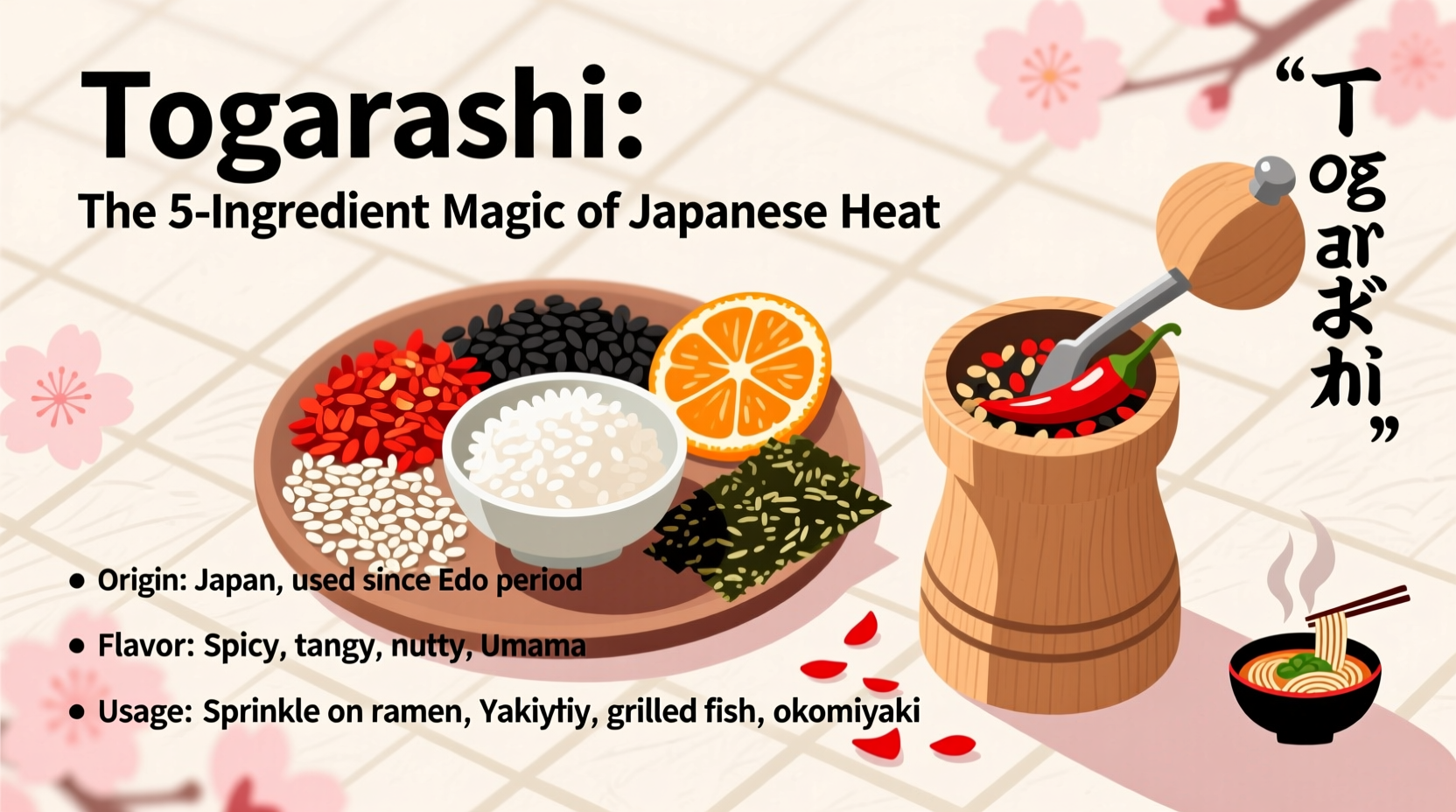
The term togarashi (唐辛子) literally means \"Chinese chili pepper\" in Japanese and traditionally refers to chili peppers themselves. However, in contemporary culinary usage—especially outside Japan—the phrase “togarashi seasoning” almost always refers to shichimi togarashi, a seven-spice blend with centuries of history. This seasoning originated in 17th-century Japan and was initially sold by herb vendors in Edo (modern-day Tokyo). Over time, it evolved into a staple condiment found in homes, noodle shops, and sushi bars across the country.
Shichimi togarashi translates to “seven-flavor chili,” though the exact ingredients can vary by region, producer, or household. Unlike monosodium glutamate or single-note spices, shichimi togarashi functions as a finishing seasoning that adds texture, warmth, aroma, and depth. It is not used in large quantities during cooking but rather applied at the end to preserve its volatile oils and nuanced character.
While less common, another variant called naniwa shichimi (from Osaka) or regional house blends may include additional elements such as yuzu peel or sansho leaf. Despite these differences, all forms share a foundational identity: a harmonious balance between heat, citrus, nuttiness, and savory notes.
Key Characteristics
| Characteristic | Description |
|---|---|
| Flavor Profile | Spicy, citrusy, slightly nutty, with herbal and toasty undertones. The dominant impression is warmth rather than searing heat. |
| Aroma | Fragrant and complex—bright from orange or yuzu zest, earthy from sesame and poppy seeds, sharp from chili and sansho pepper. |
| Heat Level | Moderate (3–5 on a scale of 10). Not intended to overwhelm; instead, it enhances without dominating. |
| Texture & Appearance | Coarse, multi-colored blend with visible flakes of red chili, black and white sesame seeds, dried citrus peel, and seed fragments. |
| Culinary Function | Finishing spice—used to garnish or season after cooking. Adds aroma, color, and dimension. |
| Shelf Life | 6–12 months if stored properly in an airtight container away from light and moisture. |
Variants & Types
Although “togarashi” typically refers to shichimi togarashi, there are several distinct versions and related products worth distinguishing:
1. Shichimi Togarashi (Seven-Spice Blend)
This is the most widely recognized form. A classic formulation includes:
- Red chili flakes (ground or flaked)
- Roasted white sesame seeds
- Roasted black sesame seeds
- Crushed sansho pepper (Japanese prickly ash)
- Dried ground orange or yuzu peel
- Popped rice (arare) or hemp seeds (in some versions)
- Seaweed (nori or aonori), sometimes powdered
The inclusion of popped rice or hemp seeds adds crunch and mild fermentation notes, while nori contributes umami. Some premium blends also incorporate perilla seed or shiso flakes.
2. Ichimi Togarashi (One-Spice Blend)
Unlike the complex shichimi, ichimi togarashi contains only ground red chili pepper—usually tōgarashi tane, a Japanese variety milder than cayenne. It’s pure heat without added aromatics, commonly used in soups, udon, or dipping sauces where a clean spicy kick is desired. Often sold in small paper packets at ramen shops.
3. Regional & Artisan Variations
Regional producers create unique interpretations. For example:
- Kyoto-style: May emphasize yuzu peel and reduce chili for a more floral profile.
- Tokyo-style (Yagenbori): One of the oldest commercial blends, featuring strong sansho presence and arare.
- Modern Fusion Blends: Include additions like smoked paprika, matcha, or even truffle salt for gourmet applications.
Tip: Always check ingredient labels when purchasing pre-made togarashi. High-quality versions avoid fillers, anti-caking agents, or artificial colors. Look for whole seeds and natural citrus peel for optimal freshness and flavor.
Comparison with Similar Ingredients
Togarashi is often mistaken for other spicy seasonings, but key distinctions set it apart:
| Seasoning | How It Differs from Togarashi |
|---|---|
| Gochugaru (Korean chili flakes) | Used in bulk during cooking (e.g., kimchi, stews); larger flakes, fruitier, less complex. Contains no citrus, sesame, or herbs. |
| Chili Powder (American) | Typically a blend of ground chilies and spices like cumin, garlic, oregano—designed for Tex-Mex dishes. Lacks citrus, umami, and textural elements. |
| Urfa Biber (Turkish chili) | Smoky, raisin-like, moderately hot. Used similarly as a finisher, but lacks citrus and seed components. Deeper in color and oil content. |
| Sichuan Peppercorn Blend | Focuses on ma-la (numbing-spicy) sensation. While sansho in togarashi provides mild numbing, it's balanced by sweetness and brightness absent in Sichuan mixes. |
| Everything Bagel Seasoning | Shares sesame and crunch, but no heat or citrus. Entirely different flavor goal—savory-salty vs. spicy-aromatic. |
“Shichimi togarashi isn’t about heat—it’s about awakening the palate. The citrus lifts rich broths, the sansho tingles subtly, and the seeds add body. It’s seasoning as counterpoint.” — Chef Mari Tanaka, Kappo Dining Riku, Tokyo
Practical Usage: How to Use Togarashi in Cooking
Togarashi shines when used thoughtfully. Its strength lies in contrast and enhancement—not masking flavors, but revealing them. Here are proven ways to integrate it into your kitchen repertoire:
1. As a Finishing Garnish
Sprinkle lightly over finished dishes just before serving:
- Ramen and Udon: A pinch over tonkotsu, miso, or shoyu ramen cuts richness and adds fragrance.
- Grain Bowls: Elevates rice, quinoa, or barley bowls with roasted vegetables or tofu.
- Avocado Toast: Combine with sesame oil and flaky salt for a Japanese-inspired twist.
- Scrambled Eggs or Tofu: Dust over just before plating for a warm lift.
2. In Marinades and Rubs
Mix into dry rubs or wet marinades for proteins:
- Combine 1 tsp shichimi togarashi with 1 tbsp soy sauce, 1 tsp honey, 1 minced garlic clove, and 1 tsp grated ginger.
- Marinate chicken thighs for 30 minutes.
- Grill or broil until caramelized. The togarashi adds depth without overpowering.
Works equally well with salmon, shrimp, or tempeh.
3. Infused Oils and Butters
Create versatile flavored fats:
- Add ½ tsp ichimi togarashi to warm neutral oil (like grapeseed) and drizzle over grilled corn or noodles.
- Mix 1 tsp shichimi into softened butter with a touch of yuzu juice. Roll into a log, chill, and slice over grilled fish or steak.
4. In Sauces and Dressings
Stir into vinaigrettes, mayo, or yogurt-based dips:
- Spicy Yuzu Mayo: Whisk 1 tsp togarashi into ¼ cup mayonnaise + 1 tbsp yuzu or lemon juice.
- Noodle Dressing: Blend with peanut butter, soy sauce, rice vinegar, and a splash of sesame oil for cold soba or ramen salads.
5. With Vegetables and Snacks
Transform simple sides:
- Toss roasted Brussels sprouts with olive oil and a pinch of togarashi before serving.
- Season popcorn or roasted chickpeas with melted butter and ½ tsp shichimi for a savory snack.
- Brush mushrooms with soy glaze and dust with togarashi before grilling.
Pro Tip: Start with ¼ to ½ tsp per serving. You can always add more, but once applied, you can't remove it. Remember: togarashi is a highlight, not a base note.
Practical Tips & FAQs
Is togarashi very spicy?
No, not in the way cayenne or ghost pepper is. Shichimi togarashi delivers moderate warmth with a slow-building sensation, enhanced by the numbing quality of sansho pepper. Most people find it approachable, even those sensitive to heat. Ichimi is spicier due to concentrated chili content.
Can I make my own togarashi at home?
Yes—and doing so ensures maximum freshness and customization. Here’s a basic recipe:
- Toast 1 tbsp each: white sesame seeds, black sesame seeds, and ½ tsp hemp seeds (optional) in a dry pan until fragrant. Cool.
- Grind 1 tsp sansho pepper (or Sichuan peppercorns if unavailable) in a mortar or spice grinder.
- In a bowl, combine:
- 2 tbsp crushed red chili flakes (preferably Korean gochugaru for texture)
- 1 tbsp dried orange or yuzu zest (dehydrated and finely ground)
- 1 tsp crumbled nori sheet
- 1 tsp popped rice (crushed arare crackers work)
- toasted seeds from step 1
- ground sansho from step 2
- Mix thoroughly and store in an airtight jar. Use within 3 months for best flavor.
Where can I buy togarashi?
Available at Japanese grocery stores, Asian markets, or online retailers (e.g., Amazon, Umami Mart, Mitsukan Shop). Look for brands like Yagenbori, Shichimiya Honpo, or House Foods. Avoid generic “Japanese chili powder” unless labeled as shichimi or ichimi.
How should I store it?
Keep in a cool, dark place in an airtight container. Exposure to air, light, or humidity degrades the citrus oils and sesame fats quickly. Do not store above the stove or near windows.
What are good substitutes if I don’t have togarashi?
None perfectly replicate it, but in a pinch:
- Mild Option: Mix equal parts paprika, lemon zest, toasted sesame seeds, and a pinch of ground Sichuan peppercorn.
- Spicier Option: Combine gochugaru, orange zest, sesame seeds, and a dash of celery salt.
- Quick Fix: Sprinkle with chili flakes + lemon pepper + sesame seeds.
Note: These lack the full complexity but mimic the general effect.
Does togarashi contain allergens?
Common allergens include sesame seeds and seaweed (nori). Check labels if allergic. Some blends may be processed in facilities with nuts or gluten-containing ingredients (e.g., arare).
Is togarashi vegan and gluten-free?
Traditional formulations are naturally vegan and gluten-free. However, verify packaging—some commercial versions may include additives or non-gluten-free arare.
Summary & Key Takeaways
Togarashi seasoning—specifically shichimi togarashi—is a sophisticated Japanese spice blend that combines heat, citrus, nuttiness, and umami in one versatile condiment. Far more nuanced than plain chili powder, it functions as a finishing touch that elevates dishes through aroma, texture, and balanced warmth.
- It is not a single spice, but a blend—typically seven ingredients including chili, sesame, citrus, and sansho pepper.
- Two main types exist: shichimi (complex, aromatic) and ichimi (pure chili heat).
- Use sparingly as a garnish or finishing element, not a cooking spice.
- Ideal pairings include ramen, grilled proteins, roasted vegetables, grain bowls, and creamy sauces.
- Homemade versions offer superior freshness and control over ingredients.
- Store properly to preserve volatile oils and prevent rancidity.
Final Thought: Keep a small shaker of shichimi togarashi on your dining table. Like flaky salt or freshly cracked pepper, it invites diners to personalize their experience—one vibrant pinch at a time.




 浙公网安备
33010002000092号
浙公网安备
33010002000092号 浙B2-20120091-4
Comments
No comments yet. Why don't you start the discussion?