
White pepper often appears in recipes without explanation, leaving home cooks wondering: why use it instead of the familiar black variety? Unlike its more common counterpart, white pepper delivers a distinct flavor profile and visual advantage in light-colored dishes. While both originate from the same plant, their processing methods yield different sensory experiences and culinary applications. Understanding white pepper—its origin, taste, forms, and best uses—elevates precision in seasoning and expands creative control in the kitchen. For chefs and home cooks alike, mastering this subtle yet powerful spice unlocks cleaner finishes, refined textures, and authentic flavors in global cuisines.
Definition & Overview
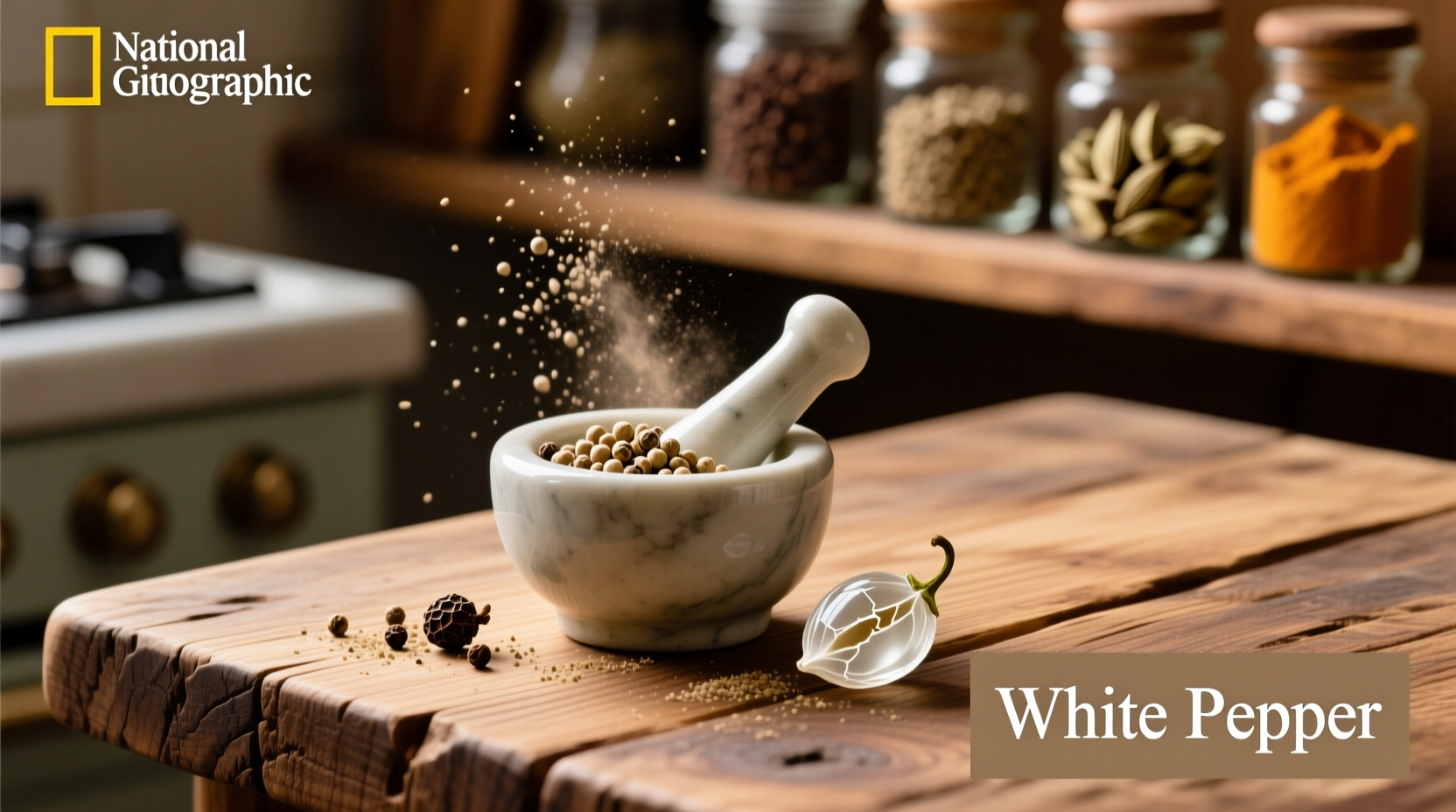
White pepper is a spice derived from the ripe fruit of the *Piper nigrum* plant, the same tropical vine that produces black, green, and red peppercorns. The key difference lies in post-harvest treatment. To produce white pepper, the outer layer (pericarp) of the fully matured peppercorn is removed before drying, leaving only the inner seed. This process results in pale, nearly ivory-colored peppercorns with a milder, earthier heat compared to black pepper.
Historically cultivated in India’s Malabar Coast, Vietnam, and Indonesia, white pepper has long been valued in Chinese, French, and Vietnamese cooking. Its use was partly aesthetic—avoiding dark specks in pale sauces and soups—but also rooted in tradition and regional flavor preferences. Today, it remains a staple in professional kitchens and households seeking subtlety and elegance in seasoning.
Key Characteristics
| Attribute | Description |
|---|---|
| Flavor Profile | Earthy, musty, mildly pungent with less sharpness than black pepper; develops warmth rather than immediate bite. |
| Aroma | Subtle, fermented notes due to retting process; less floral or citrusy than black pepper. |
| Color | Creamy beige to pale tan; blends seamlessly into light dishes. |
| Heat Level | Moderate—around 5,000–6,000 Scoville units; perceived as smoother but can build over time. |
| Culinary Function | Seasoning agent that adds depth without visual disruption; enhances savory notes in stocks, creams, and purees. |
| Shelf Life | 3–4 years when stored properly; ground form loses potency faster than whole berries. |
Practical Usage: How to Use White Pepper in Cooking
White pepper shines where appearance and nuanced heat matter. It's not merely a substitute for black pepper but a deliberate choice for specific outcomes.
In Sauces and Cream-Based Dishes
Use white pepper in béchamel, velouté, mashed potatoes, or Alfredo sauce to maintain a smooth, uniform appearance. A pinch added at the end of cooking provides gentle warmth without the visual distraction of black flecks. For example, in a classic French onion soup finished with a creamy topping, white pepper preserves the golden hue while contributing necessary piquancy.
In Light-Colored Soups and Broths
Clear consommés, chicken noodle soup, or fish chowder benefit from white pepper’s ability to season without altering presentation. Add during simmering to allow flavors to meld, starting with ¼ teaspoon per quart and adjusting to taste.
In Asian Cuisine
White pepper is essential in many Chinese and Vietnamese dishes. It features prominently in dumpling fillings, hot and sour soup, and stir-fried tofu. In Cantonese steamed fish with ginger and scallions, a dusting of white pepper enhances aroma without overpowering delicate proteins.
In Marinades and Brines
Because it dissolves more evenly than cracked black pepper, ground white pepper integrates smoothly into liquid-based preparations. Combine with soy sauce, rice wine, garlic, and sugar for pork marinades or poultry brines.
For Delicate Proteins
When seasoning poached fish, steamed chicken breasts, or egg dishes like quiche or custard, white pepper offers a clean finish. Its lower volatility means fewer aromatic compounds escape during gentle cooking, preserving intended flavor balance.
Pro Tip: Toast whole white peppercorns lightly in a dry skillet before grinding to awaken deeper, nuttier notes. Let cool slightly, then grind using a mortar and pestle or electric mill for maximum fragrance.
Variants & Types of White Pepper
Not all white pepper is created equal. Differences in origin, processing, and quality significantly affect performance in cooking.
- Indonesian White Pepper (Muntok): Considered the gold standard. Grown on Bangka Island, it undergoes natural fermentation in seawater or freshwater, producing a clean, rounded heat with minimal harshness. Ideal for fine dining and delicate sauces.
- Vietnamese White Pepper (Saigon or Ceylon style): More robust and slightly spicier. Often used in Southeast Asian street food and hearty stews. Offers bold presence in pho broth or meatball mixtures.
- Indian White Pepper (Malabar): Earthy and complex, with hints of wood and dried herb. Best suited for spice blends or long-cooked curries where depth matters more than neutrality.
- French Sichuan-Inspired White Pepper: Not true white pepper, but sometimes labeled as such in European markets. Typically refers to bleached pink peppercorns—botanically unrelated and potentially allergenic. Always verify botanical source (*Piper nigrum*) on packaging.
Forms Available
- Whole Berries: Longest shelf life; preferred for pickling, infusions, or controlled grinding.
- Coarsely Ground: Adds texture in rubs or stuffing; releases flavor slowly during cooking.
- Fine Powder: Dissolves quickly; ideal for batters, dressings, and emulsified sauces.
- Extract or Oleoresin: Used commercially in processed foods for consistent heat distribution.
Storage Advice: Keep white pepper in an airtight container away from light and moisture. Whole peppercorns retain potency up to four years; ground pepper should be replaced every 18–24 months for optimal flavor.
Comparison with Similar Ingredients
White pepper is frequently misunderstood in relation to other peppercorns and spices. Clarifying these distinctions ensures proper usage.
| Spice | Difference from White Pepper |
|---|---|
| Black Pepper | Made from unripe fruit dried with outer skin intact. Sharper, more aromatic, with citrusy and pine-like top notes. Provides visual contrast; better for finishing grilled meats or rustic dishes. |
| Green Pepper | Unripe peppercorns preserved in brine or freeze-dried. Fresher, grassier taste. Lacks the earthiness of white pepper; used in Thai salads or seafood dishes. |
| Pink Peppercorns | Not true pepper (from Schinus tree). Sweet, resinous, mildly numbing. Can cause allergic reactions in some. Never interchangeable with white pepper in function or safety. |
| Cubeb Pepper | Berries with tail-like stem; spicier and more camphoraceous. Sometimes blended with white pepper in historical recipes but distinct in profile. |
| Long Pepper (Pippali) | Complex, sweet-heat with cinnamon and clove notes. Historically used before black pepper dominated Europe. Not a substitute for white pepper’s neutral warmth. |
“In classical French cuisine, we choose white pepper not because it’s milder, but because it respects the dish’s integrity. A velouté isn’t about showcasing pepper—it’s about harmony. White pepper supports; black pepper announces.” — Chef Élise Moreau, former sous-chef at Le Bernardin
Practical Tips & FAQs
Can I substitute white pepper for black pepper?
Yes, but with caveats. In most savory dishes, a 1:1 substitution works, though expect a shift in flavor character. Black pepper brings brightness; white pepper adds warmth. Avoid substituting in dishes where appearance is irrelevant unless aiming for a mellower profile. In steak seasoning or chili, stick with black pepper. In creamed spinach or potato leek soup, white pepper excels.
Why does my white pepper taste musty?
The retting process—soaking peppercorns to loosen the husk—can impart mild fermentation notes, especially in lower-quality products. Opt for Muntok or premium Vietnamese white pepper for cleaner taste. If mustiness persists, the spice may be old or improperly stored. Discard if stale or damp.
Is white pepper less spicy than black pepper?
Subjectively, yes—though chemically, capsaicinoids are present in similar concentrations. The absence of outer fruit reduces volatile aromatics responsible for the \"sharp\" sensation. Heat builds gradually rather than hitting upfront, making it feel gentler on the palate.
Does white pepper have health benefits?
Like black pepper, white pepper contains piperine, which may enhance nutrient absorption (particularly curcumin from turmeric) and support digestive enzyme production. However, due to removal of the pericarp, it has slightly lower antioxidant content. Both varieties offer modest metabolic stimulation and anti-inflammatory potential when consumed regularly in culinary amounts.
How much white pepper should I use?
Start conservatively: ⅛ to ¼ teaspoon for four servings in soups, sauces, or casseroles. Taste and adjust. Overuse leads to a medicinal or overly earthy note. When blending into dry rubs or spice mixes, combine with complementary ingredients like garlic powder, onion, or coriander to balance intensity.
Is white pepper suitable for special diets?
Yes. White pepper is naturally gluten-free, vegan, keto-friendly, and low-FODMAP in typical serving sizes. Ensure no cross-contamination if purchasing pre-ground blends. Always check labels for additives like anti-caking agents in commercial powders.
Can I grow my own white pepper?
Possibly, but impractical for most. *Piper nigrum* requires tropical conditions—high humidity, consistent warmth (70–90°F), and partial shade. Vines take 3–4 years to fruit. Home processors can mimic white pepper by soaking ripe red peppercorns in water for 7–10 days, rubbing off skins, then sun-drying seeds. Labor-intensive, but rewarding for spice enthusiasts.
Quick Checklist: Choosing Quality White Pepper
- Look for whole berries over pre-ground whenever possible.
- Check origin: Muntok (Indonesia), Saigon (Vietnam), or Tellicherry (India) indicate premium sources.
- Smell test: Should be clean and faintly warm, not musty or dull.
- Avoid products with visible mold, clumping, or off-colors (gray or yellow tints).
- Buy from reputable spice merchants who disclose harvest dates.
Summary & Key Takeaways
White pepper is far more than a cosmetic alternative to black pepper. It is a refined seasoning tool with a unique role in global cuisine. Derived from the same plant as black pepper, it undergoes a specialized process that strips away the outer fruit, resulting in a lighter color and earthier, more subdued heat. Its value lies in discretion—enhancing flavor without dominating appearance—making it indispensable in white sauces, clear broths, and delicate proteins.
Chefs prize it for consistency and subtlety; home cooks benefit from understanding when to reach for it over its darker sibling. Varieties differ by region, with Indonesian Muntok offering the cleanest profile and Vietnamese types providing bolder punch. Proper storage and grinding techniques preserve its nuanced character.
While not universally interchangeable, white pepper earns its place in any well-stocked pantry. By recognizing its strengths—visual neutrality, gradual heat, and compatibility with dairy and light proteins—cooks gain greater control over final dish balance. Whether crafting a silky risotto, seasoning dim sum filling, or perfecting a consommé, white pepper offers a quiet but essential voice in the chorus of flavor.
Challenge Yourself: Next time you make mashed potatoes or a cream-based pasta, try seasoning half with black pepper and half with white. Taste them side by side. Notice how the white pepper integrates seamlessly, allowing butter and potato to shine, while black pepper adds punctuation. This simple experiment reveals the power of thoughtful spice selection.




 浙公网安备
33010002000092号
浙公网安备
33010002000092号 浙B2-20120091-4
Comments
No comments yet. Why don't you start the discussion?