
Allspice is a staple in spice cabinets around the world, yet many home cooks remain unaware of what it actually is. Despite its name, allspice is not a blend but a single dried berry with a complex aroma that evokes cinnamon, cloves, nutmeg, and pepper simultaneously. This unique sensory profile has made it indispensable in Caribbean, Middle Eastern, and European cuisines. Understanding what makes up allspice—its botanical source, chemical composition, and culinary behavior—is essential for using it effectively. This article breaks down the science and tradition behind allspice, offering clarity on its structure, function, and application in everyday cooking.
Definition & Overview
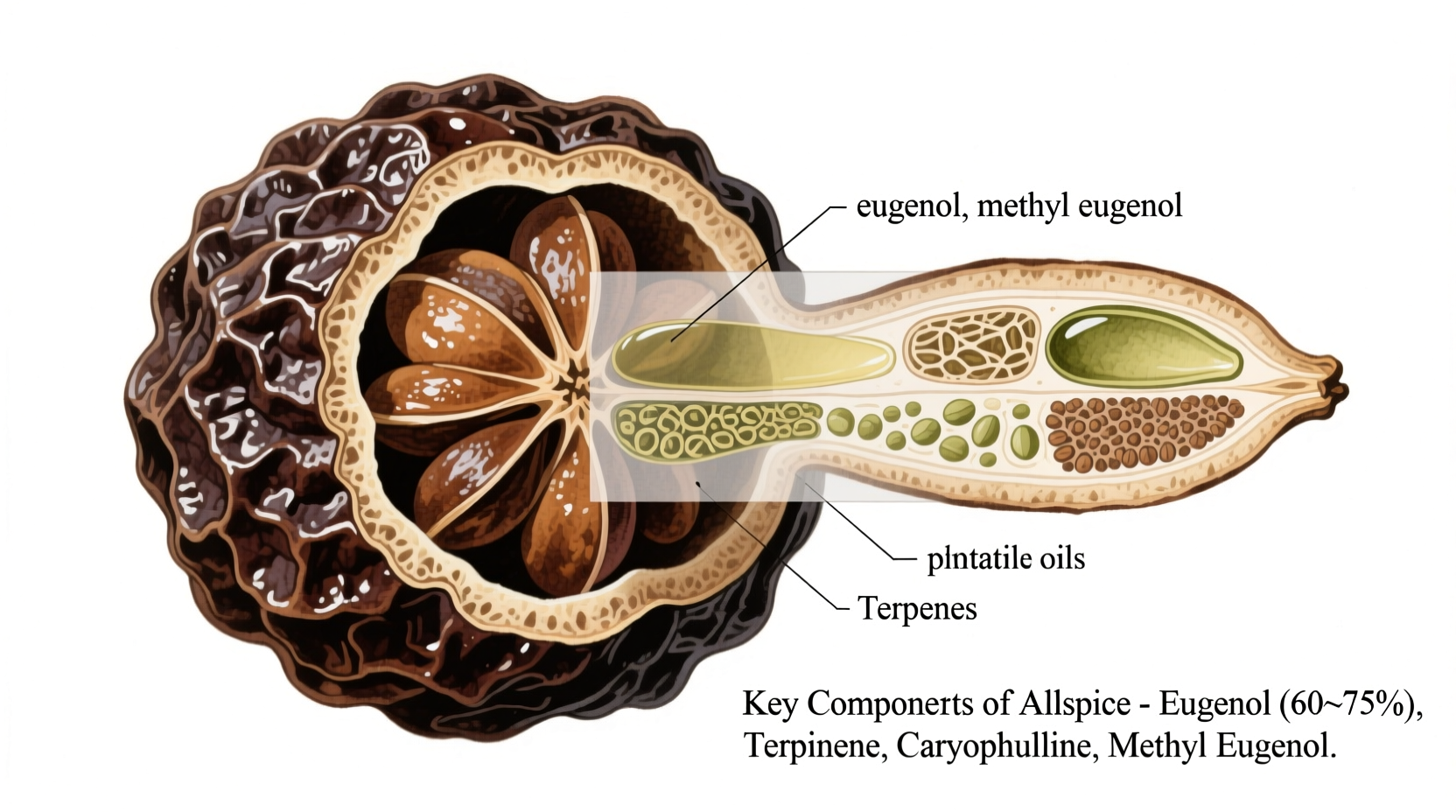
Allspice comes from the dried unripe berries of Pimenta dioica, an evergreen tree native to the Greater Antilles, southern Mexico, and Central America. The name “allspice” was coined by English explorers in the 17th century who noted its combined flavor of cinnamon, nutmeg, and cloves—three distinct spices rolled into one. Its scientific name, Pimenta dioica, reflects its botanical classification within the myrtle family (Myrtaceae), which also includes clove and guava.
The berries are harvested when green and then sun-dried until they turn brown and hard, resembling large peppercorns. Whole allspice berries retain their potency far longer than ground allspice, which loses volatile oils quickly. The flavor is warm, slightly sweet, and pungent, with subtle peppery heat and balsamic depth. It plays a crucial role in jerk seasoning, pickling blends, mulled wines, and spiced desserts.
Key Characteristics
The sensory and chemical complexity of allspice arises from a precise combination of natural compounds. These contribute to its distinctive taste, aroma, color, and shelf life.
| Characteristic | Description |
|---|---|
| Flavor Profile | Warm, sweet, and mildly spicy; combines notes of clove (eugenol), cinnamon (cinnamaldehyde), nutmeg (myristicin), and black pepper (piperine-like heat). |
| Aroma | Fragrant and layered: clove dominates initially, followed by woody sweetness and a faint peppery backnote. |
| Form | Available as whole dried berries or ground powder. Whole form preserves freshness significantly longer. |
| Color | Dark brown to reddish-brown when dried; ground version is fine, medium-brown powder. |
| Heat Level | Mild warmth (1–2 on a scale of 10); not truly hot, but provides background piquancy without overwhelming. |
| Culinary Function | Acts as a warming aromatic in both savory and sweet dishes; enhances depth in stews, marinades, baked goods, and preserved foods. |
| Shelf Life | Whole berries: up to 3–4 years if stored properly. Ground allspice: 6 months to 1 year before significant flavor loss. |
Chemical Composition: The Science Behind the Flavor
The magic of allspice lies in its essential oil content, which constitutes about 3–4.5% of the dried berry. Over 50 volatile compounds have been identified, but a few dominate the sensory experience:
- Eugenol (60–80%): The primary compound responsible for the clove-like aroma. Eugenol is also found in cloves, cinnamon, and bay leaf. It contributes antiseptic properties and a sharp, medicinal warmth.
- Acetyleugenol: A derivative of eugenol that softens the intensity and adds floral-sweet nuances.
- Caryophyllene (10–15%): A sesquiterpene also prominent in black pepper and cannabis. It imparts a woody, peppery bite and contributes to the spice’s mouthfeel.
- Cinnamyl alcohol and cinnamaldehyde: Present in smaller amounts, these compounds echo the sweet-spicy character of cinnamon.
- Terpenes (e.g., α-humulene, limonene): Add citrusy and pine-like top notes, enhancing complexity.
- Gallic acid and tannins: Contribute mild astringency and antioxidant activity, influencing preservation qualities.
This synergistic blend creates the illusion of multiple spices while remaining botanically singular. No other single spice replicates this exact balance, making allspice chemically unique among culinary aromatics.
Practical Usage: How to Use Allspice in Cooking
Allspice functions as a bridge between sweet and savory applications. Its versatility spans global cuisines, but proper usage depends on form, quantity, and pairing.
Savory Applications
In savory dishes, whole allspice berries are ideal for slow-cooked preparations where they can infuse flavor without becoming gritty. They are commonly used in:
- Stews and braises: Add 2–3 whole berries to beef stew, oxtail, or lentil soup. Remove before serving.
- Pickling brines: Combine with cloves, mustard seed, and vinegar for pickled vegetables. Use 1/2 teaspoon crushed berries per quart of brine.
- Marinades and rubs: Ground allspice is key in Jamaican jerk seasoning. Blend with thyme, scallions, Scotch bonnet peppers, and soy sauce for authentic flavor.
- Meatloaf and sausages: Use 1/4 to 1/2 teaspoon ground allspice per pound of meat to enhance richness without overpowering.
Sweet Applications
In baking, ground allspice complements other warm spices. It shines in:
- Pumpkin pie and squash desserts: Substitute 1/2 teaspoon allspice for a mix of cinnamon, nutmeg, and cloves.
- Spiced cakes and cookies: Add 1/4 to 1/2 teaspoon to gingerbread, snickerdoodles, or spice cakes.
- Compotes and poached fruits: Simmer pears or apples with a cracked allspice berry, lemon peel, and honey.
Liquid Infusions
Allspice is excellent in beverages:
- Mulled wine or cider: Tie 3–4 whole berries in cheesecloth with orange peel and cinnamon stick; simmer for 15 minutes.
- Coffee and chocolate drinks: Add a pinch of ground allspice to mocha or spiced hot chocolate for depth.
Pro Tip: Toast whole allspice berries lightly in a dry skillet before grinding to intensify aroma. Cool completely before use to preserve volatile oils.
Variants & Types
Allspice is available in several forms, each suited to different culinary needs:
| Type | Description | Best Used For |
|---|---|---|
| Whole Berries | Hard, round, dark brown berries, 4–7 mm in diameter. Most stable form. | Slow-cooked dishes, pickling, infusions. Ideal for long storage. |
| Ground Allspice | Fine powder made from milled berries. Loses potency faster due to surface exposure. | Baking, rubs, quick sauces. Use within 6–12 months. |
| Crushed Allspice | Coarsely broken berries. Offers more texture and slower release than ground. | Pickling, artisanal sausages, rustic stews. |
| Allspice Leaves | Dried leaves of the Pimenta dioica tree. Less common outside Jamaica. | Used like bay leaves in jerk pork or fish. Impart smoky, herbal notes. |
| Essential Oil | Highly concentrated extract. Not for culinary use unless food-grade and diluted. | Perfumery, aromatherapy, or industrial flavoring (not recommended for home cooking). |
For maximum freshness, buy whole berries from reputable spice merchants and grind them as needed using a mortar and pestle or dedicated spice grinder.
Comparison with Similar Ingredients
Allspice is frequently mistaken for a spice blend due to its multifaceted flavor. However, it is botanically distinct from other warm spices. Here’s how it compares:
| Ingredient | Botanical Source | Key Flavor Compounds | Distinguishing Features |
|---|---|---|---|
| Allspice | Pimenta dioica berry | Eugenol, caryophyllene, cinnamaldehyde | Single spice with blended aroma; peppery warmth and clove dominance. |
| Cloves | Dried flower buds of Syzygium aromaticum | Eugenol (85–95%) | Sharper, more medicinal; higher eugenol concentration makes it stronger and less balanced. |
| Cinnamon | Inner bark of Cinnamomum trees | Cinnamaldehyde (60–80%) | Sweeter, woodier; lacks clove and pepper notes. |
| Nutmeg | Seed of Myristica fragrans | Myristicin, elemicin | More delicate, hallucinogenic in excess; no clove intensity. |
| Pumpkin Pie Spice | Blend (typically cinnamon, ginger, nutmeg, allspice, cloves) | Mixed compounds | Contains allspice as one component; sweeter and more varied. |
\"Allspice is nature’s most elegant shortcut. One berry delivers the harmony that others achieve through blending. But it’s not a substitute—it’s a centerpiece.\" — Chef Lila Mendez, Culinary Institute of the Caribbean
Practical Tips & FAQs
Can I substitute allspice with a mix of other spices?
Yes, but with limitations. A close approximation: combine 1/2 teaspoon ground cinnamon, 1/4 teaspoon ground cloves, and 1/4 teaspoon ground nutmeg to replace 1 teaspoon ground allspice. However, this blend lacks the peppery backbone and balanced synergy of real allspice.
Is allspice safe to consume daily?
In culinary amounts, yes. Eugenol-rich spices like allspice have antioxidant and anti-inflammatory properties. However, excessive intake (especially via supplements or essential oil) may cause liver stress or interact with blood thinners.
How should I store allspice?
Keep whole berries in an airtight glass jar, away from heat, light, and moisture. Store in a cool, dark cupboard. Ground allspice should be used within a year and kept sealed tightly. Avoid storing near the stove or dishwasher.
Why does my ground allspice lack flavor?
Ground allspice degrades rapidly. If it smells faint or musty, it has lost its volatile oils. Always check the harvest or packaging date when purchasing. Opt for small quantities from high-turnover retailers.
Can I grow my own allspice?
Only in tropical climates (USDA zones 10–11). Pimenta dioica requires consistent warmth, humidity, and well-drained soil. Trees take 5–7 years to bear fruit and are dioecious (require both male and female plants for berries).
Is allspice related to juniper or black pepper?
No. Though allspice berries resemble large peppercorns, they are unrelated to Piper nigrum. Juniper berries come from coniferous trees and have a piney, resinous profile distinct from allspice’s warmth.
Storage Checklist
- Use amber or opaque glass containers to block light.
- Label jars with purchase date.
- Never store spices above the stove.
- Grind only what you need for immediate use.
- Refresh your spice rack every 12–18 months.
Summary & Key Takeaways
Allspice is a singular botanical entity—a dried berry from the Pimenta dioica tree—that delivers a complex flavor reminiscent of multiple spices. Its chemical profile, dominated by eugenol, caryophyllene, and cinnamaldehyde, creates a warm, sweet, and subtly peppery taste unmatched by any blend. Available as whole berries, ground powder, or leaves, it serves diverse roles in both savory and sweet cooking.
Key points to remember:
- Allspice is not a mixture—it’s one spice with a blended aroma.
- Whole berries last longer and offer superior flavor retention.
- It excels in slow-cooked dishes, pickling, jerk seasoning, and spiced desserts.
- Its dominant compound, eugenol, links it chemically to cloves but with greater balance.
- Proper storage is critical, especially for ground allspice.
- No substitute fully replicates its unique synergy.
Understanding what makes up allspice empowers cooks to use it with intention. Whether crafting a traditional Jamaican curry goat or spicing apple butter, recognizing its botanical and chemical foundation elevates both technique and flavor. Keep a jar of whole allspice berries on hand—they’re one of the most cost-effective, long-lasting, and versatile tools in the spice pantry.
Next time you reach for cinnamon, cloves, or nutmeg, consider whether a single allspice berry might deliver deeper harmony. Experiment with toasting and grinding your own—it’s a small step that transforms ordinary dishes into layered, aromatic experiences.




 浙公网安备
33010002000092号
浙公网安备
33010002000092号 浙B2-20120091-4
Comments
No comments yet. Why don't you start the discussion?