
When you're cooking a perfectly fresh piece of salmon, the sudden appearance of a white, gooey substance can be alarming. It oozes from the sides or surface, looks unappetizing, and raises questions: Is it safe? Is my fish spoiled? Did I do something wrong? The truth is, this white substance is completely natural—and more common than most people realize. Understanding what it is, why it forms, and how to minimize its appearance can transform your salmon-cooking experience from uncertain to confident.
What Is the White Stuff on Salmon?
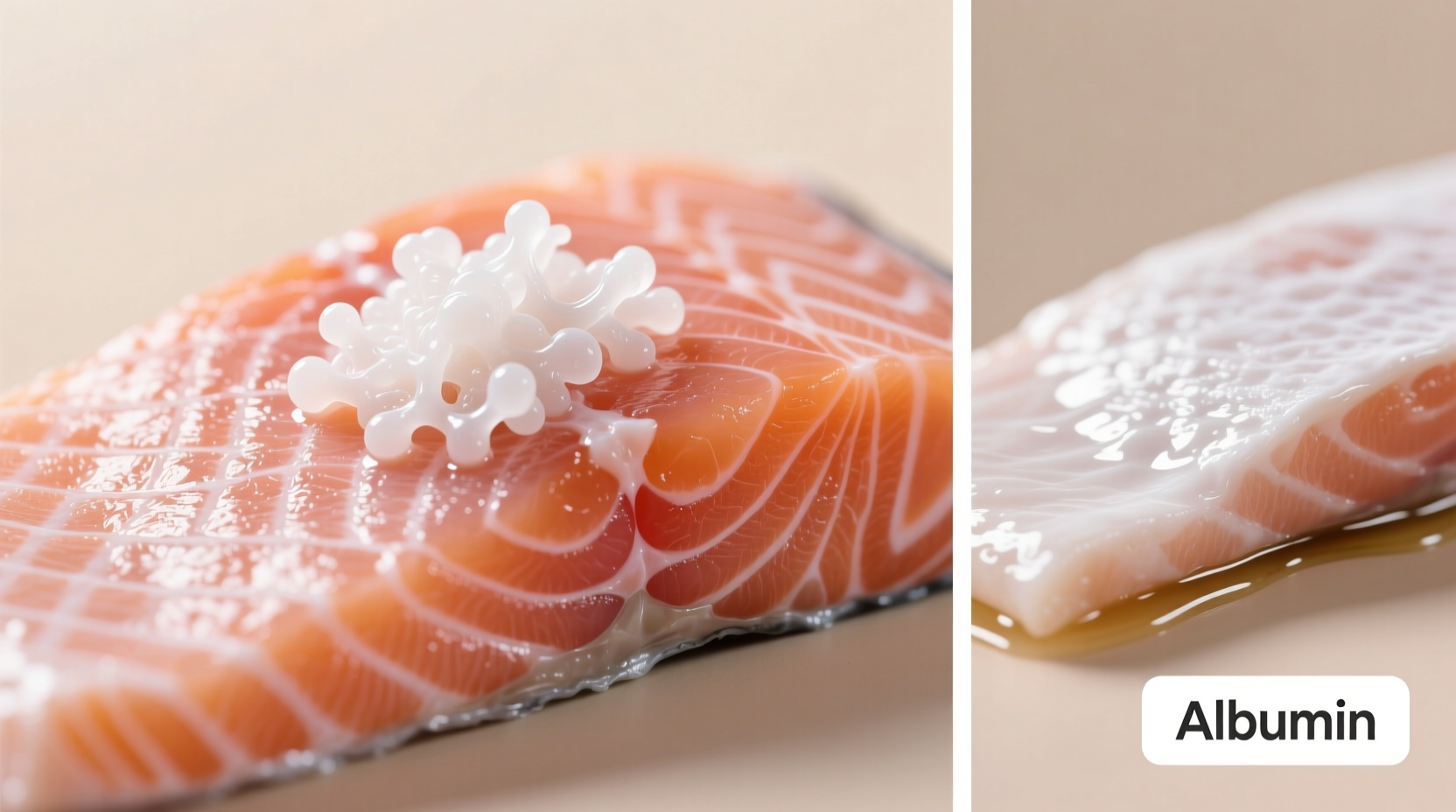
The white substance often seen on cooked salmon is primarily **albumin**, a type of protein found in muscle tissue. When salmon is heated, the proteins begin to denature and contract. As the muscle fibers tighten, they squeeze out moisture along with dissolved proteins—mainly albumin—which coagulate upon contact with heat and appear as a milky-white foam or film.
This process is not unique to salmon. Similar protein leakage occurs in other animal proteins like chicken or egg whites when exposed to high heat. However, because salmon has a delicate texture and vibrant color, the contrast makes the albumin far more noticeable.
“Albumin exudation is a normal physical response during cooking. It doesn’t indicate spoilage—it’s just science in action.” — Dr. Linda Harper, Food Scientist & Seafood Safety Specialist
Why Does Albumin Form More in Some Cases Than Others?
Not all salmon dishes produce visible albumin. The amount depends on several factors, including temperature, cooking method, and fish quality. Here’s a breakdown of key influences:
- High Heat Exposure: Rapid cooking at high temperatures causes proteins to contract quickly, forcing out more albumin before the exterior seals.
- Overcooking: The longer salmon cooks past its ideal internal temperature (125°F–130°F for medium), the more moisture and protein are expelled.
- Cold Starting Temperature: Placing cold salmon straight into a hot pan increases thermal shock, accelerating protein release.
- Fish Freshness and Handling: While freshness doesn’t cause albumin, improperly stored fish may degrade faster under heat, increasing moisture loss.
How to Prevent or Minimize the White Stuff
You don’t need to eliminate albumin entirely—after all, it’s harmless—but reducing its visibility improves both presentation and texture. These strategies help maintain juiciness while limiting unsightly seepage.
1. Use Gentle, Even Heat
Avoid blasting salmon with maximum heat. Instead, cook over medium-low to medium heat, especially when pan-searing. This allows the proteins to coagulate gradually and retain more moisture inside the fillet.
2. Brine Before Cooking
A simple saltwater brine (e.g., 1 tablespoon salt per cup of water) for 10–15 minutes helps stabilize the muscle proteins. This reduces moisture loss during cooking, which in turn limits albumin leakage. Rinse the fillet after brining and pat dry before seasoning.
3. Choose Low-Temperature Methods
Cooking techniques that use indirect or controlled heat significantly reduce albumin production. Consider:
- Poaching: Gently simmering in flavorful liquid keeps temperatures low and even.
- Baking at lower temps (275°F–325°F): Slow roasting preserves moisture and minimizes protein migration.
- Sous-vide: Precise temperature control ensures perfect doneness without overcooking.
4. Don’t Overcook
Salmon continues to cook slightly after removal from heat due to residual warmth. Remove it from the heat source when the thickest part reaches about 125°F. Tent loosely with foil and let rest for 5 minutes—the internal temp will rise to 130°F, yielding moist, flaky results with minimal albumin.
5. Score Thick Fillets
If your salmon has a pronounced thick end, make shallow diagonal cuts along the fatty edge. This allows heat to penetrate evenly, preventing one area from overcooking while another remains underdone—a common trigger for excessive albumin.
Storage and Preparation: Setting Yourself Up for Success
Proper handling before cooking plays a crucial role in how your salmon behaves on the heat. Poor storage leads to dehydration or structural degradation, making albumin more likely—even with careful cooking.
| Do | Don’t |
|---|---|
| Store salmon in the coldest part of the fridge, ideally on ice and wrapped tightly | Leave salmon uncovered or in loosely sealed containers |
| Use within 1–2 days of purchase (or freeze immediately) | Keep raw salmon in the fridge for more than two days |
| Pat fillets dry before cooking to ensure better browning | Wash salmon under water before cooking (increases moisture and splatter risk) |
| Thaw frozen salmon slowly in the refrigerator overnight | Defrost at room temperature or in warm water |
Real Example: A Home Cook’s Transformation
Sarah, a home cook from Portland, used to dread making salmon. “Every time I grilled it, this weird white gunk would bubble up,” she recalls. “I thought I was doing something wrong or that the fish had gone bad.” After switching to a slow-roasting method at 300°F and letting the fish come close to room temperature first, her results changed dramatically. “Now it’s tender, flakes beautifully, and there’s almost no white stuff. I finally feel proud serving it to guests.”
Her story reflects a common misunderstanding: many assume visual imperfections mean culinary failure. But with small adjustments, even novice cooks can achieve restaurant-quality results.
Step-by-Step Guide to Cooking Salmon Without Excess Albumin
- Thaw properly: If frozen, transfer salmon to the refrigerator 24 hours before cooking.
- Brine (optional but effective): Soak in a 3% salt solution (1 tbsp salt per cup of water) for 10–15 minutes.
- Dry and temper: Pat fillets dry with paper towels and let sit at room temperature for 10–15 minutes.
- Preheat gently: Warm your pan over medium heat or preheat oven to 300°F–325°F.
- Cook slowly: Place skin-side down (if applicable) and cook until edges begin to lighten and center is slightly translucent.
- Check temperature: Insert an instant-read thermometer into the thickest part; remove at 125°F.
- Rest: Cover loosely and wait 5 minutes before serving.
Frequently Asked Questions
Is the white stuff on salmon safe to eat?
Yes. The white substance is coagulated protein (albumin), not fat, mold, or parasites. It’s safe and tasteless, though some prefer to wipe it off for aesthetic reasons.
Does the presence of albumin mean the salmon is old or low quality?
No. Even high-quality, fresh salmon produces albumin when cooked at high heat. Appearance isn't an indicator of spoilage. Trust your nose—if it smells sour or ammonia-like, discard it regardless of albumin.
Can I prevent albumin entirely?
While you can’t eliminate it completely due to natural protein behavior, following low-and-slow cooking methods, brining, and proper preparation reduces it significantly—often to the point of invisibility.
Final Thoughts: Confidence Starts with Knowledge
The next time you see white residue on your salmon, resist the urge to panic. That’s not a flaw—it’s physics. With the right approach, you can cook salmon that’s not only healthy and delicious but also visually appealing. By mastering gentle heat, smart preparation, and proper timing, you take full control of the outcome.
Great cooking isn’t about perfection—it’s about understanding. And now you know: the white stuff isn’t a mistake. It’s a lesson in patience, technique, and respect for the ingredients you work with.




 浙公网安备
33010002000092号
浙公网安备
33010002000092号 浙B2-20120091-4
Comments
No comments yet. Why don't you start the discussion?