
On March 31, 2019, the music world and the city of Los Angeles were stunned by the fatal shooting of Nipsey Hussle, a Grammy-nominated rapper, activist, and community developer. Born Ermias Asghedom, he was known not only for his music but also for his deep commitment to revitalizing South Los Angeles. His death sparked national grief and raised urgent questions about gang violence, urban development, and justice. This article examines who killed Nipsey Hussle, the underlying motives, and the legal consequences that followed.
The Shooting: What Happened?
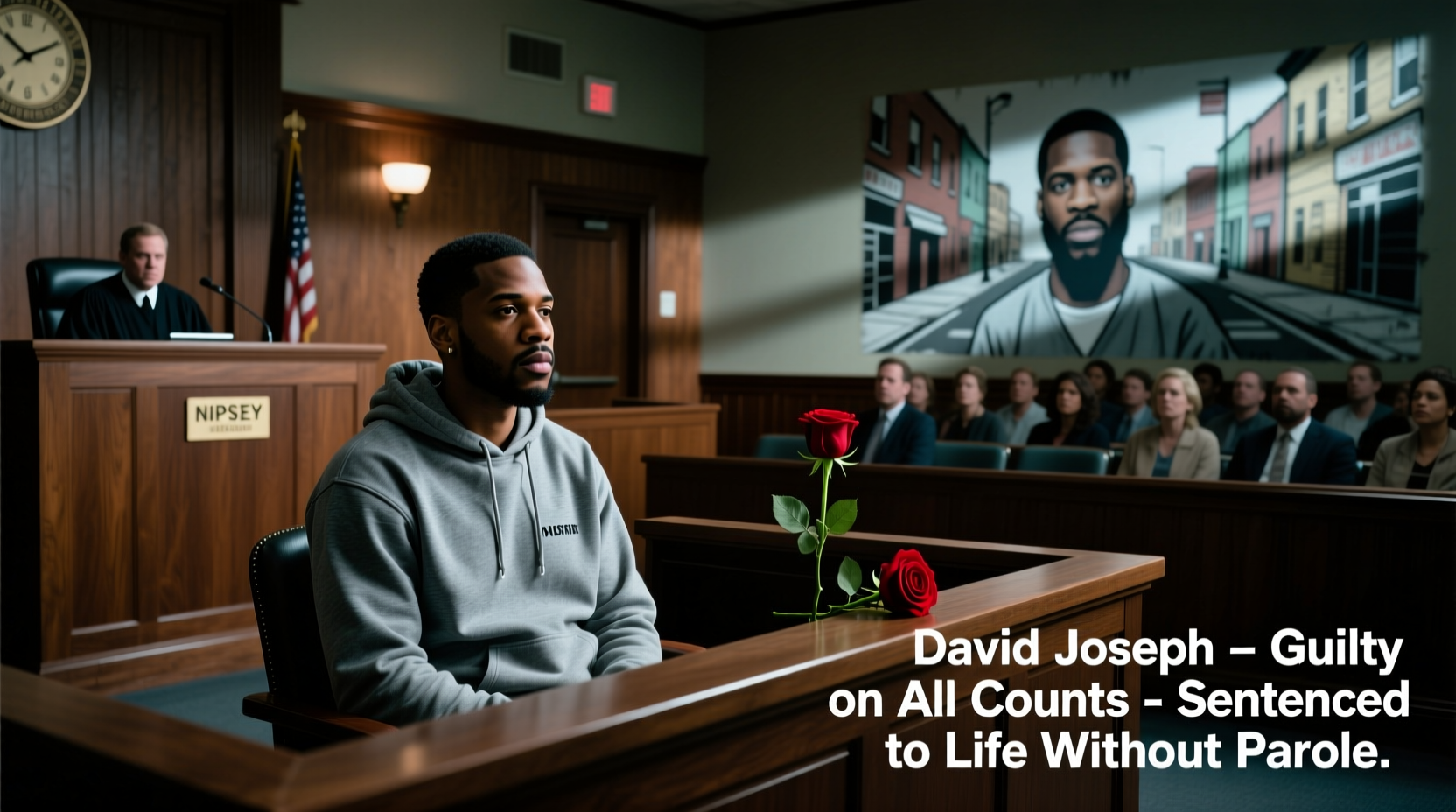
Nipsey Hussle was shot multiple times outside Marathon Clothing, a store he co-owned on Slauson Avenue in Hyde Park, Los Angeles. The incident occurred around 3:20 PM. Surveillance footage showed the rapper speaking with two men before one pulled out a handgun and opened fire. Hussle was struck at least 10 times and pronounced dead at a nearby hospital. Two bystanders were also injured but survived.
The suspect fled the scene in a silver sedan and was identified through video evidence and witness testimony. Within days, Los Angeles Police Department (LAPD) arrested Eric Ronald Holder Jr., a 29-year-old man with documented ties to local gang activity. Holder was charged with first-degree murder, attempted murder of two others, and possession of a firearm by a felon.
Who Was Eric Holder? Background of the Killer
Eric Holder was not a random assailant. He had a criminal record that included assault and drug-related offenses. More significantly, investigators linked him to the Toonerville Rifa 13 (TR-13), a neighborhood gang based in the Glassell Park area of Los Angeles. While Nipsey Hussle was associated with the Rollin’ 60s Crips during his youth, he had long since distanced himself from gang life and dedicated his energy to economic empowerment and mentorship.
Despite his public transformation, tensions persisted. Some within rival gangs perceived Hussle’s outreach efforts—such as hosting peace summits and promoting business over violence—as attempts to undermine traditional gang hierarchies or exert influence in contested territories.
“Nipsey wasn’t just a rapper—he was becoming a leader. And leadership, especially in marginalized communities, can be threatening to those invested in the status quo.” — Dr. Tyrone Freeman, Urban Studies Scholar
Motive Behind the Murder
The prosecution argued that Holder killed Nipsey Hussle due to escalating personal and gang-related tensions. According to court testimony, Holder believed Hussle had been identifying him to law enforcement as a gang member and spreading rumors that he was a snitch—a charge that carries extreme stigma and danger in gang culture.
Text messages presented during the trial showed Holder expressing anger toward Hussle in the weeks leading up to the shooting. One message read: “He talking about me like I’m nothing… I’m fixing to show him who the real veteran is.” Prosecutors contended these messages reflected premeditation and a desire for retaliation.
Hussle had recently hosted meetings between rival gangs aimed at reducing violence, which may have increased scrutiny on individuals like Holder. Though there was no direct evidence that Hussle cooperated with police against Holder, the perception alone was enough to trigger a violent response under the unwritten codes of street loyalty.
Timeline of Key Events
- March 31, 2019: Nipsey Hussle is shot and killed outside his clothing store.
- April 2, 2019: Eric Holder is arrested in Van Nuys after being identified via surveillance and vehicle registration.
- July 2019: Holder pleads not guilty; trial date set for early 2020.
- September 2021: Jury selection begins after delays due to the pandemic.
- September 27, 2022: After a six-week trial, Holder is found guilty of first-degree murder and two counts of attempted murder.
- February 2, 2023: Holder is sentenced to 60 years to life in prison without parole.
Sentencing and Legal Outcome
On February 2, 2023, Los Angeles County Superior Court Judge John L. Segal handed down the sentence: 60 years to life in state prison. The sentence included enhancements for using a firearm and committing the crime in furtherance of a criminal street gang.
The judge emphasized the gravity of the act, stating, “This was not a crime of passion—it was deliberate, calculated, and carried out in broad daylight.” Family members of Nipsey Hussle delivered emotional victim impact statements, describing how his absence continues to affect their lives and the broader community.
Holder maintained his innocence throughout the trial and did not testify. His defense team argued that while he was present, someone else fired the shots. However, forensic evidence, digital records, and eyewitness accounts—including DNA on the gun—overwhelmingly pointed to Holder as the shooter.
Sentencing Breakdown
| Charge | Penalty | Notes |
|---|---|---|
| First-Degree Murder | 25 years to life | Enhanced due to gang affiliation and firearm use |
| Attempted Murder (2 counts) | Consecutive 15-to-life terms | For injuries to two bystanders |
| Firearm Enhancement | Additional 10 years | Mandatory addition per California law |
| Total Sentence | 60 years to life | No possibility of parole |
Community Impact and Legacy
Nipsey Hussle’s death ignited a wave of activism and reflection across Los Angeles and beyond. In the months following his murder, community leaders, artists, and policymakers amplified calls for investment in underserved neighborhoods. The rapper’s vision—embodied in initiatives like Vector90, a STEM-focused co-working space, and the acquisition of properties to prevent displacement—became a blueprint for sustainable urban renewal.
In 2021, the intersection of Slauson Avenue and Crenshaw Boulevard was renamed \"Ermias 'Nipsey Hussle' Asghedom Square.\" A towering mural of the artist stands as both tribute and reminder of what was lost—and what still must be built.
Frequently Asked Questions
Did Nipsey Hussle have ongoing gang affiliations at the time of his death?
No credible evidence suggests Nipsey Hussle remained active in gang life. While he acknowledged his past involvement with the Rollin’ 60s Crips, he spent his later years actively working to reduce gang violence, promote entrepreneurship, and support youth programs. His efforts included organizing peace walks and mediating disputes between rival factions.
Was the murder related to a personal dispute or broader gang conflict?
The killing stemmed from a mix of personal grievance and gang dynamics. Eric Holder believed Nipsey Hussle was labeling him a snitch, which threatened his standing in the TR-13 gang. Although the immediate trigger was interpersonal, the context was rooted in longstanding territorial tensions and the fragile balance of power in LA’s street networks.
Can Eric Holder ever be released from prison?
No. With a sentence of 60 years to life and no possibility of parole, Holder will not be eligible for release. Given the minimum term, he would not even qualify for a parole hearing until 2078, when he would be nearly 90 years old.
Conclusion: Justice Served, But Work Remains
The conviction and sentencing of Eric Holder brought a measure of closure to Nipsey Hussle’s family and fans. Yet, the circumstances surrounding his death underscore deeper challenges: the persistence of gang culture, the risks faced by community leaders, and the urgent need for systemic change in urban policy.
Nipsey Hussle’s legacy endures not in tragedy, but in action. His life reminds us that real change comes not from avoidance, but from engagement—with neighbors, with history, and with the future. As communities continue to honor his vision, the best tribute lies not in mourning, but in building.




 浙公网安备
33010002000092号
浙公网安备
33010002000092号 浙B2-20120091-4
Comments
No comments yet. Why don't you start the discussion?