
In healthcare, research laboratories, and pharmaceutical manufacturing, sterilization is a non-negotiable step in ensuring safety and preventing contamination. Among the most reliable methods available, steam sterilization using an autoclave stands out due to its efficiency and proven effectiveness. Central to this process is a specific temperature: 121°C. But why exactly 121°C? This temperature isn't arbitrary—it’s rooted in microbiology, physics, and decades of scientific validation. Understanding the science behind this standard reveals how critical precision is in eliminating dangerous pathogens.
The Science Behind 121°C
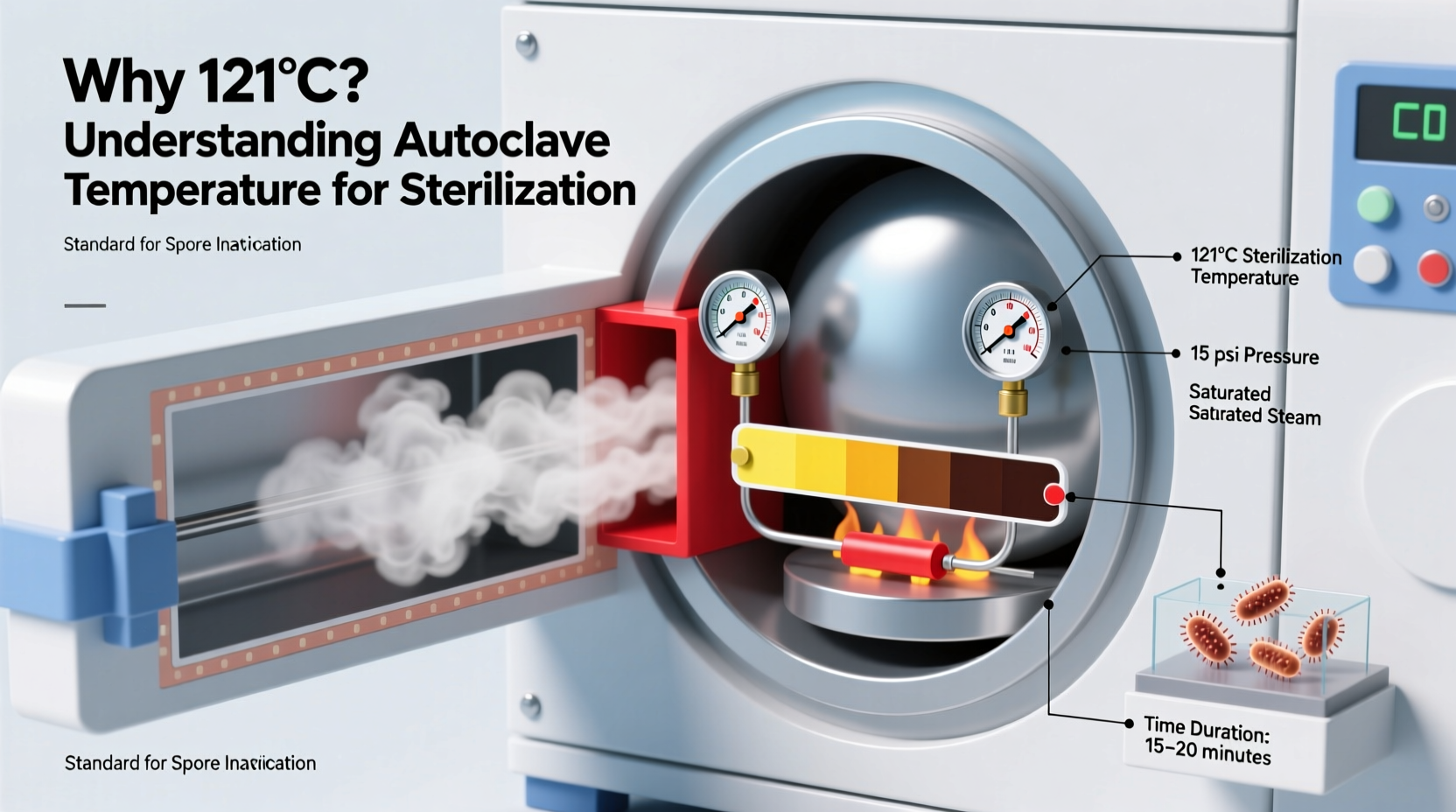
Autoclaves use pressurized saturated steam to kill all forms of microbial life, including bacteria, viruses, fungi, and especially heat-resistant bacterial spores like those from Geobacillus stearothermophilus, a common biological indicator used to validate sterilization cycles.
At sea level, water boils at 100°C. However, boiling alone is insufficient for sterilization because many microorganisms, particularly endospores, can survive prolonged exposure at that temperature. To achieve sterilization, higher temperatures are required. By increasing pressure inside the autoclave chamber, the boiling point of water rises, allowing steam to reach temperatures above 100°C.
At 15 pounds per square inch (psi) of pressure, the temperature inside the autoclave reaches 121°C. This combination of temperature, pressure, and time (typically 15–20 minutes) effectively denatures proteins, disrupts cell membranes, and destroys nucleic acids in microorganisms, rendering them nonviable.
“Steam sterilization at 121°C under 15 psi pressure remains the gold standard because it reliably inactivates even the most resistant spores.” — Dr. Linda Park, Clinical Microbiologist and Sterilization Safety Advisor
Why Not Higher or Lower?
Selecting the right temperature involves balancing efficacy with practicality and material safety. Here's why 121°C hits the sweet spot:
- Lower than 121°C: At 115°C or 118°C, some spores may survive, especially if exposure time is inadequate. This increases the risk of incomplete sterilization.
- Higher than 121°C: While more effective biologically, temperatures like 134°C require specialized equipment and shorter exposure times. They also increase the risk of damaging heat-sensitive instruments, plastics, and media components.
Thus, 121°C offers a reliable compromise—high enough to ensure sterility across diverse load types while remaining compatible with most materials used in medical and laboratory environments.
Time, Pressure, and Temperature: The Sterilization Triangle
Sterilization efficacy depends on three interdependent factors: temperature, exposure time, and pressure. Adjusting one affects the others. At 121°C, a minimum of 15 minutes of exposure is required for effective sterilization of wrapped instruments. Unwrapped items may require only 3–5 minutes at the same temperature, provided steam penetration is optimal.
| Temperature (°C) | Pressure (psi) | Minimum Time (minutes) | Common Use Case |
|---|---|---|---|
| 121 | 15 | 15–20 | Wrapped surgical tools, culture media |
| 126 | 20 | 10–15 | Dense instrument loads |
| 134 | 30 | 3–5 | Rapid cycle for unwrapped metal tools |
This table illustrates how higher temperatures reduce required exposure time but demand greater pressure and place more stress on equipment and materials. The 121°C cycle remains the most universally applicable setting across clinical and research settings.
Step-by-Step: How a 121°C Autoclave Cycle Works
To fully appreciate the importance of 121°C, it helps to understand what happens during a typical sterilization cycle:
- Chamber Loading: Items are arranged to allow steam penetration. Overloading blocks airflow and creates cold spots.
- Air Removal: Air is evacuated via vacuum pulses or steam displacement to ensure pure saturated steam fills the chamber.
- Heating Phase: Steam is injected, raising temperature and pressure until 121°C and 15 psi are reached.
- Sterilization Hold: The chamber maintains 121°C for 15–20 minutes, ensuring thermal lethality throughout the load.
- Exhaust and Drying: Pressure is released, and residual moisture is removed via drying phase, especially important for wrapped instruments.
Failure at any stage—especially inadequate air removal or premature cooling—can result in sublethal conditions despite reaching 121°C.
Real-World Example: Hospital Sterilization Failure
In 2021, a regional hospital experienced a series of post-surgical infections linked to improperly sterilized laparoscopic tools. An internal audit revealed that while the autoclave displayed 121°C, the chamber’s drain filter was clogged, preventing full steam penetration. As a result, instruments in the center of the tray never reached the target temperature.
The root cause wasn’t equipment failure, but lack of routine maintenance and absence of biological monitoring. After implementing weekly spore testing and preventive cleaning schedules, infection rates dropped to zero. This case underscores that achieving 121°C isn’t just about dial settings—it requires system-wide vigilance.
Best Practices Checklist for Effective 121°C Sterilization
To ensure your autoclave cycle at 121°C delivers true sterility, follow this checklist:
- ✅ Load items loosely to allow steam circulation
- ✅ Use appropriate packaging (e.g., autoclave bags, wraps) that permit steam entry
- ✅ Verify temperature and pressure readings with calibrated sensors
- ✅ Run biological indicators weekly using Geobacillus stearothermophilus
- ✅ Perform regular maintenance on gaskets, valves, and filters
- ✅ Document each cycle with time, temperature, and operator details
- ✅ Allow proper drying time before storing sterilized items
Frequently Asked Questions
Can I sterilize liquids at 121°C?
Yes, but with caution. Liquids such as broth or agar must be sterilized using a slow exhaust cycle to prevent superheating and boil-over. Exposure time may need adjustment based on volume. Always leave headspace in containers and avoid sealing tightly.
Is 121°C enough for prions or viruses?
For most viruses and bacteria, yes. However, prions—misfolded proteins linked to diseases like Creutzfeldt-Jakob—are highly resistant. Special protocols involving extended cycles (e.g., 121°C for 30–60 minutes) or sodium hydroxide treatment are recommended for suspected prion contamination.
Do all autoclaves automatically run at 121°C?
Most modern autoclaves have preset programs, including a standard 121°C cycle. However, users must select the correct program and ensure calibration is up to date. Never assume the default setting is active without verification.
Conclusion: Precision Saves Lives
The choice of 121°C as the standard autoclave temperature is not accidental—it’s the result of rigorous scientific validation and real-world performance. When properly executed, this cycle eliminates even the most resilient microbes, protecting patients, researchers, and product integrity. But technology alone isn’t enough. Success depends on trained personnel, consistent monitoring, and adherence to protocol.




 浙公网安备
33010002000092号
浙公网安备
33010002000092号 浙B2-20120091-4
Comments
No comments yet. Why don't you start the discussion?