
Afternoon bloating is a surprisingly common complaint—many people feel fine in the morning only to find their stomach distended, tight, and uncomfortable by midday. This post-lunch puffiness isn’t just uncomfortable; it can affect confidence, energy levels, and productivity. While occasional bloating is normal, consistent daily swelling after meals signals that something in your diet or routine needs adjustment. The good news? Most causes are manageable with simple, targeted changes.
Bloating occurs when gas builds up in the digestive tract or when fluid accumulates in the abdominal area. It’s often accompanied by feelings of fullness, pressure, or even mild pain. Unlike weight gain, bloating tends to come and go throughout the day. Afternoon bloating specifically points to triggers related to what you’re eating at lunch, how you’re eating it, or underlying digestive rhythms that shift as the day progresses.
Common Causes of Afternoon Bloating
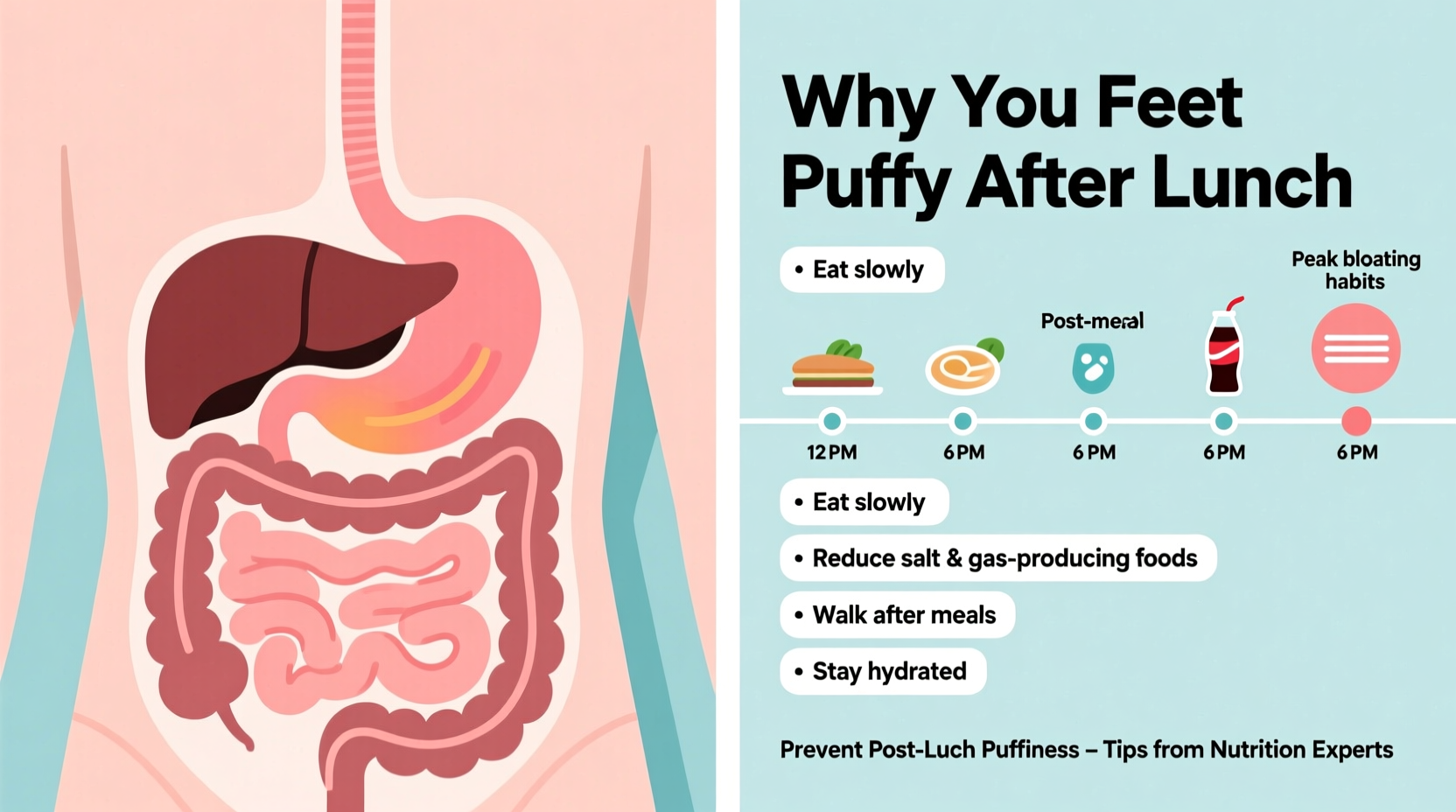
Understanding the root cause of your post-lunch bloat is essential before making changes. Several factors interact to create this discomfort, and they often compound each other.
- Dietary choices: Certain foods—especially those high in sodium, refined carbohydrates, or fermentable fibers (FODMAPs)—can trigger gas production and water retention.
- Eating speed: Eating too quickly leads to swallowing air (aerophagia), which contributes to gas buildup.
- Portion size: Large lunches stretch the stomach and slow digestion, increasing fermentation and bloating.
- Food intolerances: Lactose, gluten, or fructose intolerance may not cause immediate symptoms but can build up over hours, peaking in the afternoon.
- Hormonal fluctuations: For women, progesterone levels rise after ovulation and can slow gut motility, contributing to bloating during the luteal phase of the menstrual cycle.
- Sedentary behavior: Sitting for long periods after lunch reduces intestinal contractions, allowing gas and contents to pool.
“Chronic afternoon bloating is rarely due to one single food. It's usually a combination of meal composition, timing, and individual digestive sensitivity.” — Dr. Lena Torres, Gastroenterology Specialist
How Digestion Changes Throughout the Day
Your digestive system follows a circadian rhythm, meaning its efficiency varies depending on the time of day. Research shows that gastric emptying—the rate at which food leaves the stomach—is slower in the evening than in the morning. However, many people eat their largest meal at lunch, overwhelming a system that may already be slowing down compared to breakfast.
Additionally, cortisol levels peak in the morning and gradually decline, which can influence fluid balance and inflammation. Insulin sensitivity also decreases slightly as the day progresses, meaning your body handles carbohydrates less efficiently later in the day. This can lead to increased fermentation in the gut and greater bloating after carb-heavy lunches.
Morning meals are often lighter and include proteins and fats that digest smoothly. Lunches, on the other hand, frequently contain processed grains, beans, carbonated drinks, or large salads—all of which can contribute to gas and distension if not balanced properly.
Foods That Contribute to Post-Lunch Bloating
Not all healthy foods are well-tolerated by everyone. Some nutrient-dense options commonly found in lunches can be major bloating culprits:
- Raw cruciferous vegetables: Broccoli, kale, and cauliflower contain raffinose, a complex sugar that ferments in the colon.
- Legumes: Beans and lentils are rich in fiber and prebiotics but produce gas during digestion.
- Carbonated beverages: Even sparkling water introduces excess air into the digestive tract.
- High-sodium meals: Salty deli meats, dressings, and packaged sides promote water retention.
- Artificial sweeteners: Sorbitol, mannitol, and xylitol (common in sugar-free gum or diet products) are poorly absorbed and ferment in the gut.
- Wheat-based grains: For some, gluten or fructans in bread and pasta trigger bloating, even without celiac disease.
It’s not always about eliminating these foods entirely—but rather managing portion sizes, preparation methods, and combinations. For example, steaming broccoli instead of eating it raw makes it easier to digest. Rinsing canned beans thoroughly removes some of the oligosaccharides responsible for gas.
Do’s and Don’ts for Lunch Choices
| Do | Avoid |
|---|---|
| Choose cooked vegetables over raw ones | Large salads with raw cabbage, kale, or onions |
| Opt for lean proteins like grilled chicken or fish | Fatty or fried foods that delay stomach emptying |
| Use herbs like ginger, mint, or fennel in meals or teas | Carbonated drinks or excessive caffeine |
| Select low-FODMAP grains like rice or quinoa | Large portions of wheat pasta or rye bread |
| Drink water steadily throughout the day | Chugging water during or right after meals |
Step-by-Step Guide to Reducing Afternoon Bloating
Addressing post-lunch puffiness requires a strategic approach. Follow this five-step plan to identify triggers and implement lasting change:
- Track your meals and symptoms for one week. Use a journal or app to log everything you eat, when you eat it, and any bloating, gas, or discomfort. Note the severity and duration. This helps pinpoint patterns.
- Modify your lunch composition. Reduce high-FODMAP ingredients, limit added salt, and increase easily digestible proteins and cooked vegetables. Aim for a plate that’s 50% non-starchy vegetables (cooked), 25% lean protein, and 25% low-FODMAP starch.
- Slow down while eating. Chew each bite thoroughly—aim for 20–30 chews per mouthful. Put your fork down between bites. This reduces swallowed air and improves digestion.
- Take a short walk after lunch. Just 10–15 minutes of light movement stimulates peristalsis (intestinal contractions) and helps move gas through the digestive tract.
- Hydrate wisely. Drink most of your water earlier in the day. Avoid drinking large amounts during meals, as this can dilute stomach acid and impair digestion.
Mini Case Study: Sarah’s Afternoon Relief
Sarah, a 34-year-old marketing executive, came to a nutritionist complaining of daily bloating that started around 1:30 PM and lasted until dinner. She felt self-conscious wearing fitted clothing and often avoided afternoon meetings. Her typical lunch was a large kale salad with chickpeas, goat cheese, dried cranberries, sunflower seeds, and balsamic vinaigrette, paired with sparkling water.
After tracking her intake, she realized the combination of raw kale, legumes, high-fat cheese, dried fruit (high in fructose), and carbonation created a perfect storm for fermentation and gas. She also ate quickly at her desk while working.
With guidance, Sarah switched to a warm bowl of quinoa, roasted zucchini, grilled salmon, and a lemon-herb dressing. She replaced sparkling water with still water and took a 10-minute walk after eating. Within three days, her bloating decreased significantly. By week two, it was rare and mild. The change wasn’t about eating “less” but eating more strategically.
Checklist: Prevent Post-Lunch Puffiness
Use this practical checklist daily to minimize bloating:
- ✅ Eat slowly and chew thoroughly
- ✅ Limit carbonated drinks and straws
- ✅ Choose cooked over raw vegetables at lunch
- ✅ Avoid oversized portions, especially of grains and legumes
- ✅ Include a source of protein in every lunch
- ✅ Take a 10-minute walk after eating
- ✅ Monitor sodium intake—check dressings, sauces, and packaged foods
- ✅ Drink herbal tea like ginger or peppermint if prone to bloating
- ✅ Stay hydrated earlier in the day, not during meals
- ✅ Keep a food and symptom journal for at least 5 days
When to Consider Food Intolerances
If dietary adjustments don’t resolve the issue, an underlying food intolerance may be involved. Common culprits include lactose, fructose, and gluten. These don’t always cause diarrhea or severe pain—sometimes bloating is the primary symptom.
A structured elimination diet, guided by a healthcare provider, can help identify sensitivities. For example, removing dairy for two weeks and reintroducing it while monitoring symptoms can reveal lactose intolerance. Similarly, a low-FODMAP diet—temporarily restricting fermentable carbohydrates—has been shown in clinical studies to reduce bloating in up to 75% of people with irritable bowel syndrome (IBS).
However, elimination diets should not be followed long-term without professional supervision, as they can lead to nutrient deficiencies. Testing such as hydrogen breath tests for lactose or fructose malabsorption may also provide clarity.
“Many patients assume they have IBS when they’re simply eating foods that don’t agree with their gut microbiome. A careful elimination and reintroduction process can be transformative.” — Dr. Arjun Patel, Functional Medicine Practitioner
FAQ
Why do I bloat every day after lunch but not after dinner?
This pattern often reflects differences in meal composition and activity level. Lunches may be higher in fiber, legumes, or sodium than dinners. Additionally, sitting for hours after lunch slows digestion, whereas evening movement (like walking or chores) helps move gas along. Circadian changes in gut motility also play a role.
Can drinking water make bloating worse?
Drinking water doesn’t cause bloating—it helps prevent it by supporting digestion and reducing water retention. However, chugging large amounts during or immediately after meals can distend the stomach temporarily. Sip water steadily throughout the day instead.
Is afternoon bloating a sign of a serious condition?
Usually not. Occasional or predictable bloating after certain meals is normal. However, if bloating is severe, persistent, or accompanied by unexplained weight loss, changes in bowel habits, or pain, consult a doctor to rule out conditions like IBS, SIBO (small intestinal bacterial overgrowth), or ovarian issues.
Conclusion: Take Control of Your Comfort
Afternoon bloating doesn’t have to be an inevitable part of your day. By understanding the interplay between food choices, eating habits, and your body’s natural rhythms, you can make targeted changes that bring real relief. Start with small, sustainable steps—adjusting your lunch plate, slowing down your eating pace, or taking a post-meal walk. Track your progress and listen to your body.
Most importantly, remember that digestive wellness is deeply personal. What works for one person may not work for another. Be patient, stay curious, and treat your gut with the care it deserves. With consistency, you can enjoy satisfying lunches without the puffiness that follows.




 浙公网安备
33010002000092号
浙公网安备
33010002000092号 浙B2-20120091-4
Comments
No comments yet. Why don't you start the discussion?