
Many people assume that struggling with weight means only losing it—but for a growing number, the challenge lies in the opposite direction: gaining weight healthily. Despite eating what feels like enough, some individuals remain underweight or fail to see progress on the scale. This isn't just about appetite; it's often a complex interplay of metabolism, lifestyle, underlying health conditions, and nutrition quality. Understanding the root causes and adopting effective strategies can make all the difference.
Common Reasons You’re Not Gaining Weight
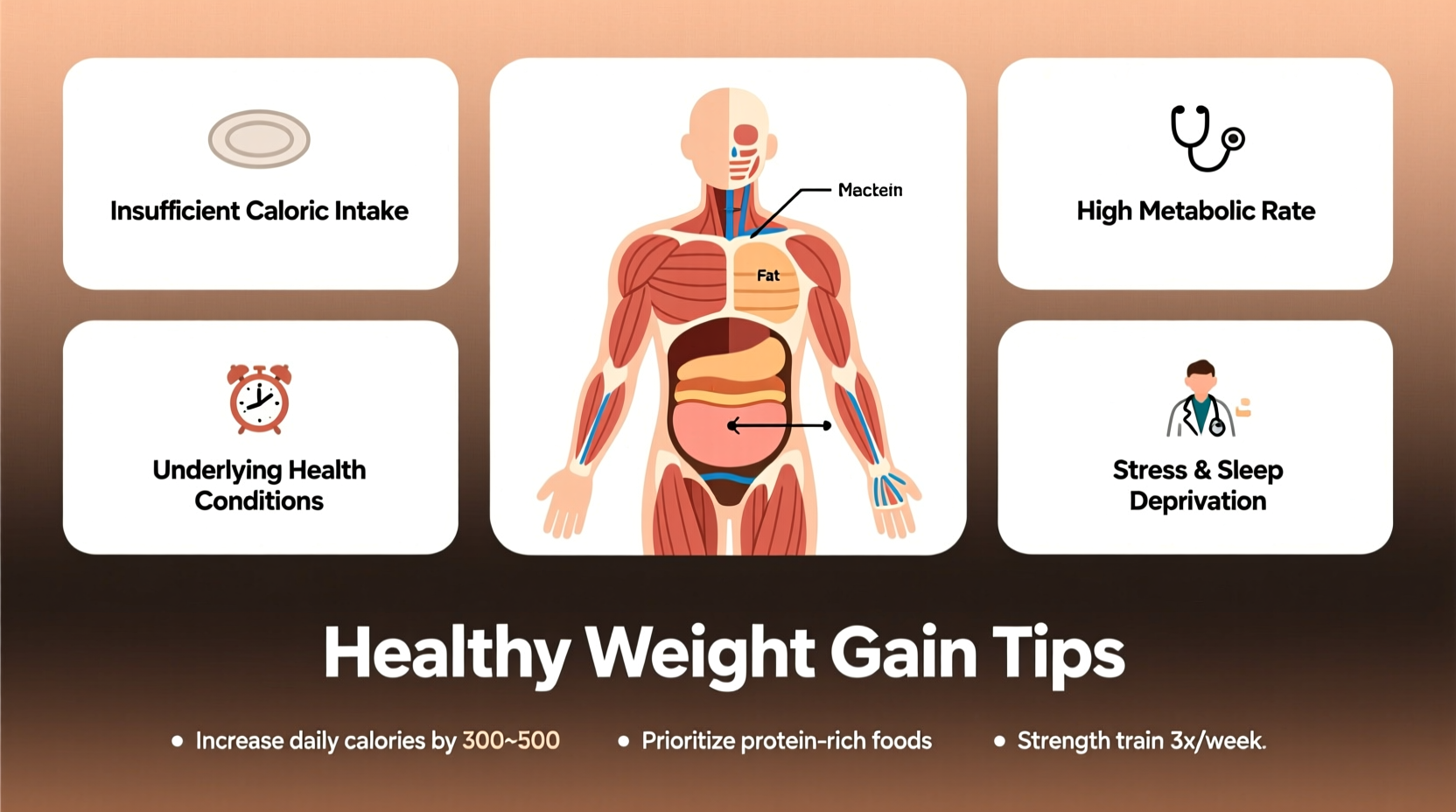
Weight gain, like weight loss, hinges on energy balance—consuming more calories than your body burns. If you're not gaining weight despite efforts, the issue may lie beneath the surface. Here are some of the most common reasons:
- High metabolic rate: Some people naturally burn calories faster due to genetics, high muscle mass, or overactive thyroid function (hyperthyroidism).
- Poor calorie intake: Even if you eat frequently, portion sizes or food choices might not deliver enough energy-dense nutrients.
- Digestive issues: Conditions like celiac disease, Crohn’s, or chronic diarrhea impair nutrient absorption, limiting caloric uptake.
- Stress and anxiety: Elevated cortisol levels can suppress appetite and increase calorie expenditure.
- Excessive physical activity: High-intensity workouts or jobs requiring constant movement can offset surplus intake.
- Undiagnosed medical conditions: Infections, diabetes, cancer, or malabsorption disorders may prevent weight gain.
- Genetics: Body type plays a role—ectomorphs tend to be leaner and find it harder to add mass.
Nutrition Strategies for Healthy Weight Gain
Gaining weight shouldn’t mean loading up on junk food. The goal is to build lean mass and improve overall health—not just inflate numbers on the scale. Focus on nutrient-dense, calorie-rich foods that support muscle growth and energy balance.
Choose Calorie-Dense Whole Foods
Replace low-calorie meals with higher-energy alternatives without sacrificing nutrition:
| Low-Calorie Food | Higher-Calorie Swap | Calorie Increase (approx.) |
|---|---|---|
| White rice | Brown rice or wild rice blend | +50 kcal per cup |
| Skinless chicken breast | Chicken thighs with skin | +100 kcal per 100g |
| Skim milk | Whole milk or fortified plant-based milk | +40–60 kcal per cup |
| Fruit salad | Fruit with nut butter or yogurt | +150–200 kcal |
| Steamed vegetables | Veggies sautéed in olive oil | +80–100 kcal |
Increase Meal Frequency
If large meals feel uncomfortable, aim for five to six smaller meals throughout the day. This approach reduces digestive strain while steadily increasing total calorie intake.
“Consistent energy intake every 2–3 hours signals the body to shift from catabolism to anabolism—key for building tissue.” — Dr. Lena Patel, Registered Dietitian and Sports Nutrition Specialist
Step-by-Step Guide to Sustainable Weight Gain
Gaining weight healthily takes time and consistency. Follow this structured plan to see measurable results within 8–12 weeks.
- Assess current intake: Use a food tracking app to log everything you eat for 3–5 days. Calculate average daily calories.
- Set a realistic surplus: Add 300–500 extra calories per day above maintenance. For most men, this starts around 2,500–3,000 kcal/day; women may need 2,000–2,500+.
- Optimize protein: Consume 1.6–2.2 grams of protein per kg of body weight daily to support muscle synthesis.
- Strength train 3–4 times weekly: Resistance training stimulates muscle growth, ensuring weight gain is lean rather than fat-dominated.
- Monitor progress weekly: Weigh yourself at the same time each week and take body measurements. Adjust intake if no gain occurs after two weeks.
- Stay hydrated and sleep well: Poor recovery hinders muscle repair and appetite regulation.
Real Example: How Mark Gained 10 Pounds in 3 Months
Mark, a 27-year-old software developer, struggled for years to gain weight despite eating regularly. At 5'10\" and 135 lbs, he was underweight but felt too full to eat more. After consulting a dietitian, he discovered his daily intake averaged only 1,900 calories—far below his estimated 2,800-calorie maintenance level.
He made simple changes: added peanut butter to toast, drank two glasses of whole milk daily, included nuts and dried fruit as snacks, and began lifting weights three times a week. Within 12 weeks, he gained 10 pounds of mostly lean mass, improved strength, and reported better energy levels. His success came not from drastic overhauls, but consistent, manageable adjustments.
Checklist for Healthy Weight Gain
Use this checklist weekly to stay on track:
- ✅ Consuming at least 300–500 calories above maintenance
- ✅ Eating every 2–3 hours (5–6 meals/snacks)
- ✅ Including protein in every meal (eggs, dairy, legumes, meat, tofu)
- ✅ Adding healthy fats (avocado, olive oil, nuts, seeds)
- ✅ Engaging in resistance training 3x/week
- ✅ Tracking weight and measurements weekly
- ✅ Getting 7–8 hours of sleep nightly
- ✅ Addressing stress through mindfulness or therapy if needed
Frequently Asked Questions
Is it possible to gain weight too quickly?
Yes. Rapid weight gain—especially beyond 1–2 pounds per week—often leads to excessive fat accumulation rather than muscle. It can also strain organs and increase long-term health risks. Aim for gradual, steady gains supported by proper nutrition and exercise.
Can being underweight affect my health?
Absolutely. Chronic underweight status increases risk for osteoporosis, hormonal imbalances, weakened immunity, fatigue, and fertility issues. Maintaining a healthy weight range is crucial for long-term wellness.
Should I use weight gain supplements?
They can help if whole foods aren’t sufficient. Look for weight gainers with minimal added sugar and real ingredients. However, prioritize whole-food sources first—supplements should complement, not replace, your diet.
Final Thoughts and Call to Action
Gaining weight healthily is not about mindless overeating—it's about strategic fueling, consistent effort, and addressing underlying barriers. Whether your goal is to build muscle, improve vitality, or reach a healthier BMI, the foundation lies in balanced nutrition, strength training, and patience. Small, sustainable changes compound over time into lasting results.




 浙公网安备
33010002000092号
浙公网安备
33010002000092号 浙B2-20120091-4
Comments
No comments yet. Why don't you start the discussion?