
Bloating is one of the most common digestive complaints, affecting millions of people daily. It’s that uncomfortable feeling of fullness, tightness, or swelling in the abdomen—often accompanied by gas, burping, or even pain. While occasional bloating is normal, persistent or severe bloating can interfere with daily life and may signal an underlying issue. Understanding the root causes and knowing how to respond effectively can make a significant difference in your comfort and well-being.
Common Causes of Bloating
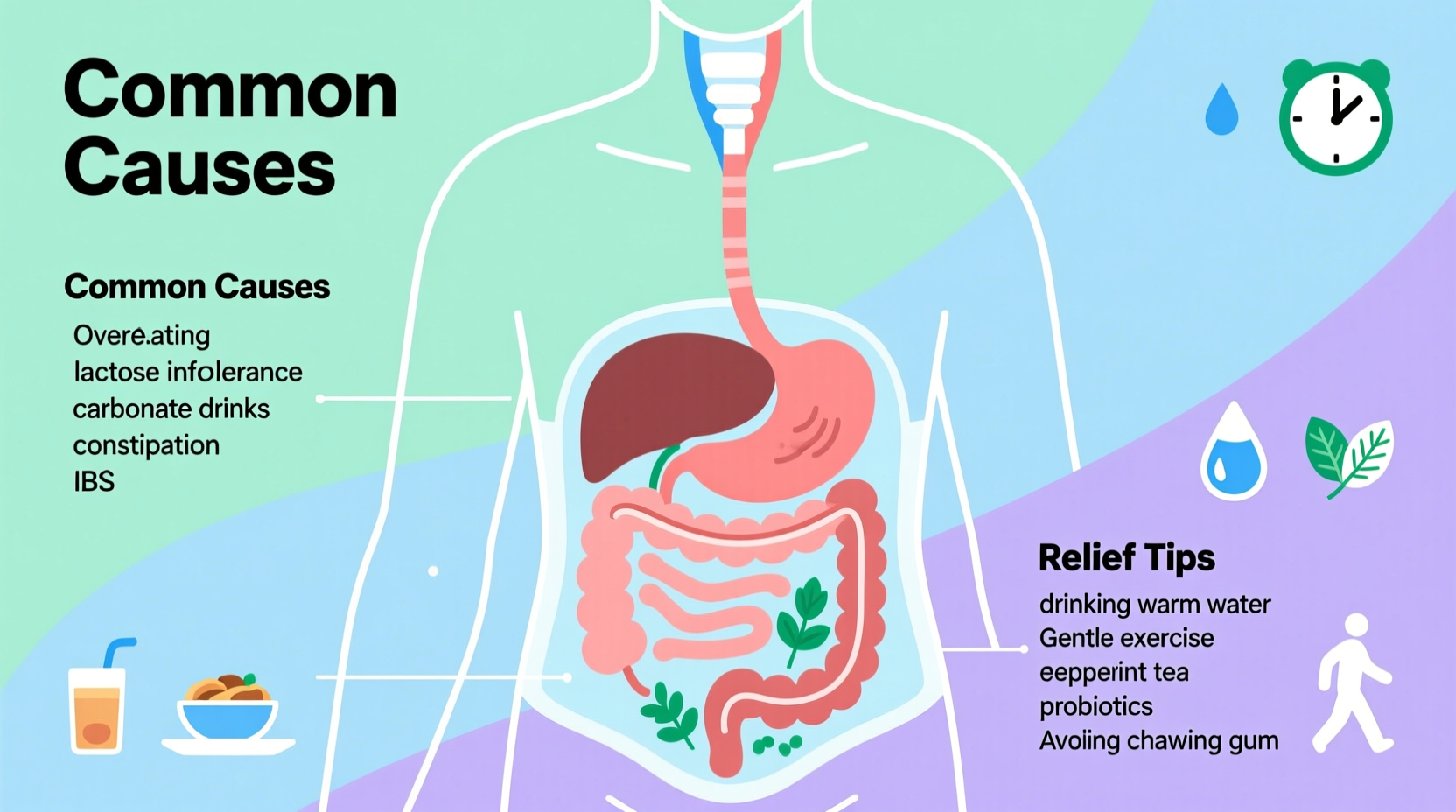
Bloating doesn’t happen without reason. Several factors—ranging from diet to medical conditions—can trigger this uncomfortable sensation. Identifying the cause is the first step toward relief.
- Dietary choices: Certain foods like beans, lentils, cruciferous vegetables (e.g., broccoli, cabbage), carbonated drinks, and artificial sweeteners (sorbitol, xylitol) are known to produce gas during digestion.
- Swallowing air: Eating too quickly, chewing gum, drinking through straws, or talking while eating can lead to excess air intake, contributing to bloating.
- Lactose intolerance: People who lack the enzyme lactase cannot properly digest lactose in dairy products, leading to gas, bloating, and diarrhea.
- Irritable Bowel Syndrome (IBS): A functional gastrointestinal disorder where bloating is a hallmark symptom, often triggered by stress or certain foods.
- Constipation: When stool moves slowly through the colon, gas builds up behind it, causing distension and pressure.
- Hormonal fluctuations: Many women experience bloating before or during menstruation due to water retention and changes in gut motility caused by estrogen and progesterone shifts.
- Small Intestinal Bacterial Overgrowth (SIBO): An overgrowth of bacteria in the small intestine can ferment carbohydrates prematurely, producing excessive gas.
- Food intolerances: Beyond lactose, sensitivities to gluten (in celiac disease or non-celiac gluten sensitivity), fructose, or FODMAPs can provoke bloating.
Relief Strategies That Work
Once you understand potential triggers, targeted strategies can help reduce or prevent bloating. These approaches combine lifestyle adjustments, dietary tweaks, and mindful habits.
Adjust Your Eating Habits
How you eat matters as much as what you eat. Slowing down and improving mealtime behaviors can significantly reduce bloating.
- Eat slowly and chew thoroughly—this reduces swallowed air and supports better digestion.
- Avoid using straws and limit gum chewing to minimize air intake.
- Don’t skip meals; irregular eating can disrupt digestion and increase gas production.
- Stop eating when you’re 80% full to avoid overloading your digestive system.
Modify Your Diet
Certain foods consistently contribute to bloating. Reducing or eliminating them—even temporarily—can bring relief.
| Foods That Commonly Cause Bloating | Better Alternatives |
|---|---|
| Beans and lentils | Soak and rinse before cooking; try smaller portions or sprouted versions |
| Carbonated beverages | Still water, herbal teas (peppermint, ginger) |
| Cruciferous vegetables (raw) | Cooked broccoli, zucchini, carrots |
| Dairy (if lactose intolerant) | Lactose-free milk, almond or oat milk |
| Artificial sweeteners | Small amounts of honey or maple syrup |
“Dietary modification remains the cornerstone of managing chronic bloating, especially in patients with IBS or food sensitivities.” — Dr. Alicia Nguyen, Gastroenterologist
Step-by-Step Guide to Reducing Bloating
If you're struggling with frequent bloating, follow this structured approach to pinpoint causes and find lasting relief.
- Track your symptoms: For two weeks, record everything you eat, drink, and any bloating episodes, including severity and timing.
- Eliminate common triggers: Remove carbonated drinks, artificial sweeteners, and high-FODMAP foods (onions, garlic, apples, etc.) for 2–3 weeks.
- Reintroduce foods systematically: Add one eliminated food back every 3–4 days to test tolerance.
- Incorporate digestive aids: Try peppermint tea, ginger, or over-the-counter simethicone if gas is a major issue.
- Stay active: Walk for 15–30 minutes after meals to stimulate intestinal movement.
- Consult a professional: If bloating persists despite changes, see a doctor to rule out SIBO, celiac disease, or other conditions.
Real-Life Example: Sarah’s Journey to Relief
Sarah, a 34-year-old teacher, experienced daily bloating, especially after lunch. She felt embarrassed wearing fitted clothes and often canceled social plans. After tracking her diet, she noticed bloating worsened after eating salads with onions, apples, and yogurt. With guidance from a dietitian, she adopted a low-FODMAP diet. Within three weeks, her symptoms improved dramatically. Reintroducing foods one at a time helped her identify garlic and apples as key triggers. Now, she enjoys meals confidently, armed with knowledge and simple swaps.
When to See a Doctor
While most bloating is benign and manageable at home, some signs warrant medical evaluation:
- Unintentional weight loss
- Persistent abdominal pain
- Changes in bowel habits (diarrhea, constipation, or blood in stool)
- Nausea or vomiting without clear cause
- Bloating that doesn’t improve with dietary changes
These could indicate conditions like celiac disease, inflammatory bowel disease (IBD), ovarian cysts, or even certain cancers. Early diagnosis improves outcomes.
FAQ
Can drinking more water help with bloating?
Yes. Staying hydrated helps your body flush excess sodium and prevents water retention. Paradoxically, dehydration can worsen bloating because the body holds onto fluid.
Are probiotics effective for bloating?
They can be—but results vary. Some people benefit from specific strains like Bifidobacterium infantis or Lactobacillus acidophilus, especially those with IBS. However, others may feel worse initially as gut bacteria adjust.
Does exercise really help reduce bloating?
Absolutely. Physical activity stimulates peristalsis—the natural contractions of the digestive tract—helping move gas and stool through the intestines. Even a short walk after meals can make a noticeable difference.
Checklist: Daily Habits to Prevent Bloating
- ✅ Eat slowly and chew each bite thoroughly
- ✅ Avoid carbonated drinks and sugar alcohols
- ✅ Drink plenty of water throughout the day
- ✅ Limit processed and high-sodium foods
- ✅ Take a 15-minute walk after meals
- ✅ Manage stress with breathing exercises or meditation
- ✅ Consider a low-FODMAP trial if bloating is chronic
Final Thoughts
Bloating is more than just a nuisance—it can affect confidence, comfort, and quality of life. The good news is that most cases respond well to simple, evidence-based changes. By paying attention to your diet, eating habits, and bodily signals, you can regain control. Don’t suffer in silence or assume bloating is inevitable. Small, consistent actions often yield the biggest improvements.




 浙公网安备
33010002000092号
浙公网安备
33010002000092号 浙B2-20120091-4
Comments
No comments yet. Why don't you start the discussion?