
It’s not uncommon to experience sudden shifts in sexual desire. One day, sex is just a passing thought; the next, it's on your mind constantly. If you've been asking yourself, “Why am I so horny lately?” you're not alone. Increased libido can stem from a complex interplay of biological, psychological, and environmental factors. While high sex drive is often misunderstood or stigmatized, it’s usually a normal variation of human sexuality. Understanding the root causes can help you navigate your feelings with confidence and clarity.
Hormonal Shifts: The Body’s Natural Triggers
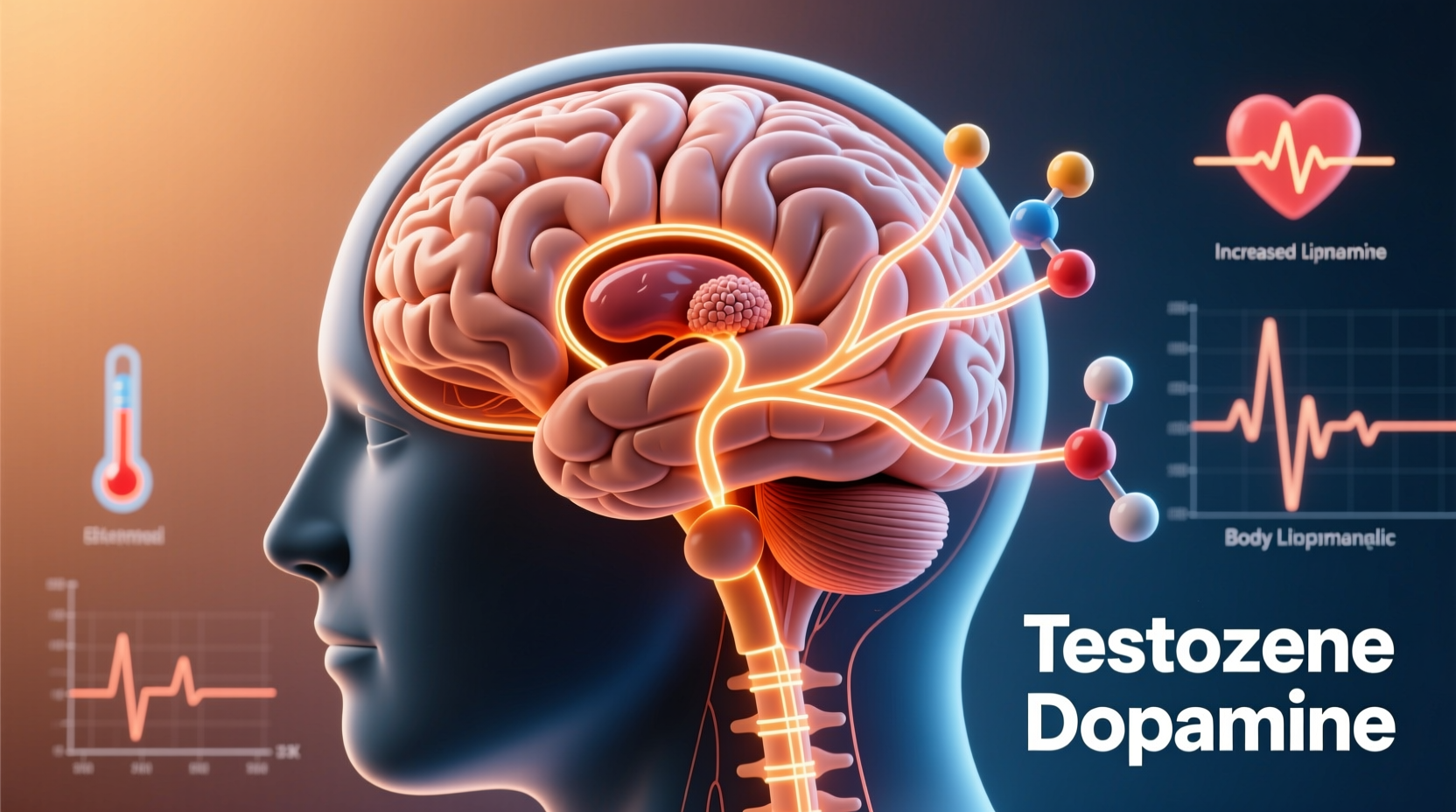
Your sex drive is heavily influenced by hormones, particularly testosterone, estrogen, dopamine, and oxytocin. Though commonly associated with men, testosterone plays a crucial role in female libido as well. Fluctuations in these hormones can significantly increase sexual desire.
For people with menstrual cycles, the fertile phase—typically around ovulation—is often accompanied by a spike in libido. This is an evolutionary mechanism designed to enhance reproductive success. During this window, estrogen and luteinizing hormone peak, making arousal more frequent and intense.
In men, testosterone levels follow a daily rhythm, often highest in the morning, which explains why many experience strong urges upon waking. Temporary increases due to fitness routines, weight loss, or improved sleep can also elevate testosterone, boosting sexual interest.
Lifestyle and Environmental Influences
Daily habits and surroundings play a larger role in sexual desire than many realize. Consider how recent changes in your routine might be amplifying arousal.
- Sleep improvement: Chronic sleep deprivation suppresses libido. If you’ve recently started sleeping better, your body may be responding with increased sexual energy.
- Exercise: Regular physical activity enhances blood flow, improves body image, and elevates endorphins—all of which can fuel desire.
- Diet: Foods rich in zinc (like oysters, nuts, and seeds) support healthy hormone production. A cleaner diet may subtly boost your sex drive.
- Media consumption: Increased exposure to erotic content, romantic films, or even social media influencers can subconsciously heighten arousal cues.
“Libido isn’t static—it responds dynamically to our environment, relationships, and self-perception.” — Dr. Lena Patel, Clinical Sexologist
Psychological and Emotional Factors
Mental health and emotional states are deeply intertwined with sexual desire. Periods of heightened attraction or horniness often coincide with positive psychological shifts.
Feeling emotionally secure, either through a fulfilling relationship or personal growth, can lower inhibitions and make space for sexual exploration. Conversely, some people experience increased libido during times of stress or anxiety—a phenomenon known as “stress-induced hypersexuality.” In these cases, sex acts as a coping mechanism, offering temporary relief through dopamine release.
New romantic interest or reconnection with a partner can also trigger a surge in desire. The early stages of attraction—what psychologists call limerence—are flooded with dopamine and norepinephrine, creating obsessive thoughts and physical longing.
Mini Case Study: Sarah’s Sudden Surge
Sarah, a 29-year-old graphic designer, noticed her libido skyrocketing after ending a long-term relationship. At first, she was concerned, wondering if something was wrong. But upon reflection, she realized several contributing factors: she had started running three times a week, was sleeping more soundly, and felt a newfound sense of freedom. Without the emotional burden of a strained partnership, her body responded with increased sexual energy. With guidance from a therapist, Sarah learned to embrace her desire as a sign of healing and self-renewal—not something to suppress.
Medical and Medication-Related Causes
Sometimes, increased libido signals underlying medical conditions or side effects of medication.
| Cause | Description | Action Step |
|---|---|---|
| Hormone therapy | Testosterone replacement or birth control adjustments can elevate desire. | Discuss changes with your doctor. |
| Medications | Drugs like bupropion (an antidepressant) are known to increase libido. | Review prescriptions with a healthcare provider. |
| Hypersexuality disorders | Rare but possible; linked to bipolar disorder or brain injury. | Seek evaluation if behavior feels compulsive or disruptive. |
| Pregnancy | Hormonal surges and increased blood flow can enhance arousal. | Normal in many cases; consult OB-GYN if concerning. |
If your heightened libido is accompanied by impulsive behavior, difficulty concentrating, or mood swings, it’s wise to consult a medical professional. These could be signs of mania or other neurological conditions requiring attention.
When High Libido Becomes Overwhelming
While a strong sex drive is generally healthy, it can become problematic if it interferes with daily life, relationships, or mental well-being. Signs that your libido may need management include:
- Difficulty focusing at work or school due to intrusive sexual thoughts
- Engaging in risky sexual behaviors
- Feeling guilt, shame, or distress about your level of desire
- Neglecting responsibilities to pursue sexual activity
In such cases, speaking with a therapist—especially one trained in sex therapy—can provide valuable tools for balance.
Checklist: What to Do If Your Libido Feels Out of Sync
- Track your arousal patterns for two to four weeks.
- Assess recent lifestyle changes (sleep, exercise, diet).
- Review medications with your doctor.
- Reflect on emotional states: Are you stressed, excited, or in a new relationship?
- Determine if your desire aligns with your values and boundaries.
- Seek professional support if it feels compulsive or distressing.
Frequently Asked Questions
Is it normal to suddenly feel hornier for no reason?
Yes. Libido fluctuates naturally. Even without obvious triggers, hormonal rhythms, subconscious emotional shifts, or subtle lifestyle improvements can increase desire. As long as it’s not causing distress, it’s likely a normal variation.
Can anxiety make me more sexually aroused?
Paradoxically, yes. While chronic stress often lowers libido, acute anxiety or nervous excitement can trigger physiological arousal. This is sometimes called \"nervous horniness\" and is linked to adrenaline and cortisol spikes that mimic sexual tension.
Should I be worried if my partner’s libido has increased suddenly?
Not necessarily. Sudden changes in a partner’s sex drive can reflect improved health, emotional availability, or new attractions. Open communication is key. Discuss the shift calmly and curiously, not judgmentally.
Understanding Your Desire Is Empowering
Feeling hornier than usual isn’t inherently good or bad—it’s information. Your body is communicating something about your health, emotions, and environment. Instead of questioning whether your desire is “too much,” focus on understanding its source and whether it aligns with your overall well-being.
Sexual energy is a natural, powerful force. When channeled with awareness, it can deepen intimacy, boost confidence, and enhance quality of life. Rather than suppress it, learn to listen. Journal your experiences, communicate openly with partners, and don’t hesitate to seek expert insight when needed.




 浙公网安备
33010002000092号
浙公网安备
33010002000092号 浙B2-20120091-4
Comments
No comments yet. Why don't you start the discussion?