
Waking up feeling groggy or struggling to stay awake by mid-afternoon is more than just inconvenient—it can disrupt productivity, mood, and overall well-being. If you've found yourself asking, \"Why am I so sleepy today?\" you're not alone. Millions experience unexplained fatigue daily, often without realizing the underlying triggers. The good news is that most causes are manageable with simple lifestyle adjustments. Understanding why your body feels drained is the first step toward restoring energy and focus.
Sleep Quality vs. Sleep Quantity
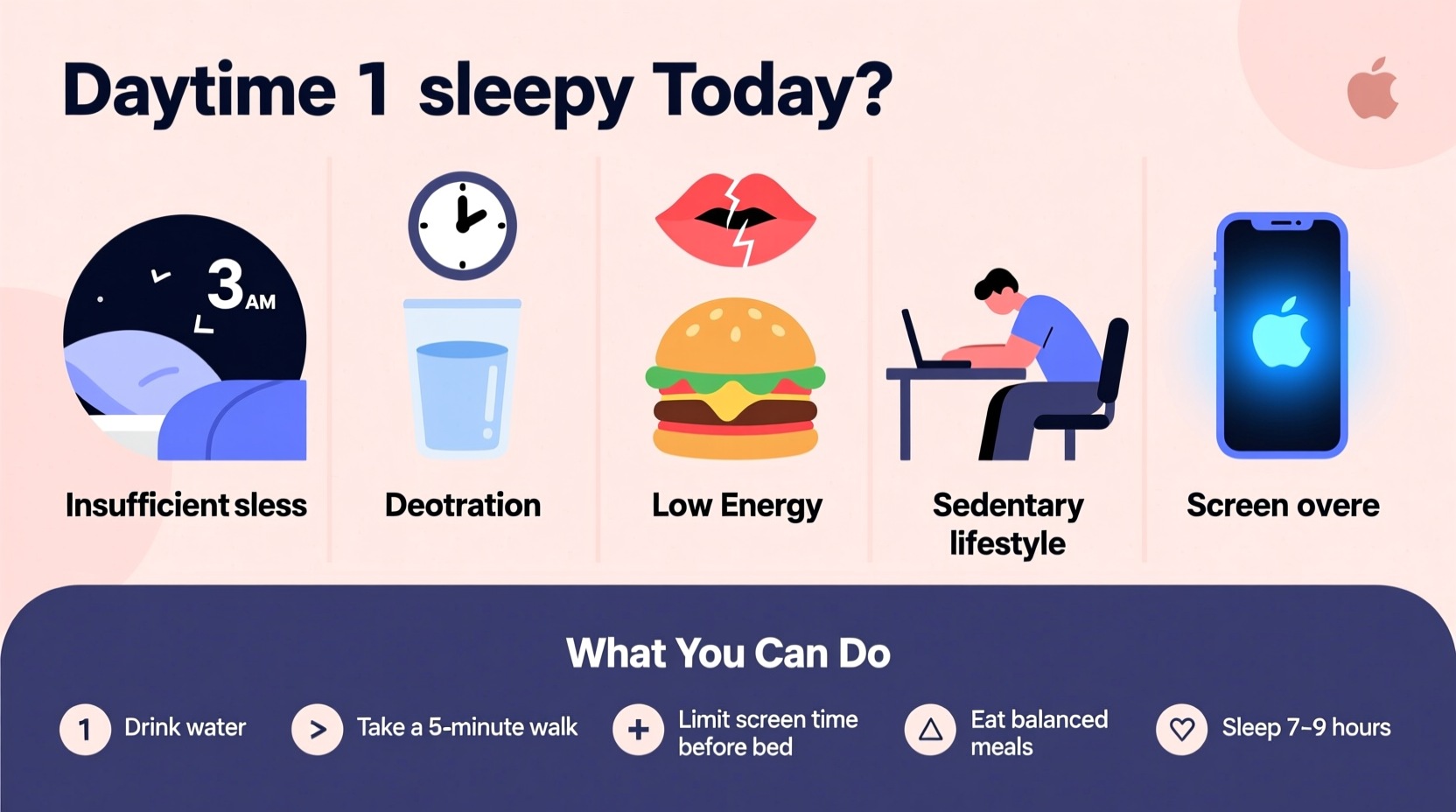
Many people assume that sleeping eight hours guarantees restfulness, but quality matters just as much as quantity. Fragmented sleep, frequent awakenings, or conditions like sleep apnea can leave you exhausted even after a full night in bed. During deep sleep cycles, your brain consolidates memories, repairs tissues, and balances hormones. When these stages are disrupted, you wake up without the physical and mental restoration your body needs.
Common signs of poor sleep quality include:
- Waking up multiple times during the night
- Snoring or gasping for air while asleep
- Feeling unrested despite long sleep duration
- Daytime brain fog or irritability
Dietary Influences on Energy Levels
What you eat directly impacts how alert or sluggish you feel. Meals high in refined carbohydrates—like white bread, pastries, or sugary drinks—cause rapid spikes and crashes in blood sugar. This rollercoaster effect often leads to post-meal drowsiness, especially after lunch.
Conversely, balanced meals rich in protein, healthy fats, and complex carbohydrates stabilize energy. Nutrient deficiencies, particularly in iron (leading to anemia), vitamin B12, or magnesium, can also contribute to chronic fatigue.
“Even mild dehydration can impair concentration and increase feelings of tiredness.” — Dr. Lena Torres, Clinical Nutritionist
Foods That Boost Alertness
| Fuel Source | Benefit | Examples |
|---|---|---|
| Complex Carbs | Steady glucose release | Oats, quinoa, sweet potatoes |
| Lean Protein | Sustained energy and focus | Chicken, eggs, Greek yogurt |
| Healthy Fats | Brain function support | Avocado, nuts, olive oil |
| Hydration | Prevents cognitive decline | Water, herbal tea, cucumber-infused drinks |
Hidden Health Conditions Behind Fatigue
Persistent sleepiness isn't always due to late nights or coffee habits. Certain medical issues mimic everyday tiredness but require professional diagnosis. These include:
- Iron-deficiency anemia: Reduces oxygen delivery to cells, causing weakness and fatigue.
- Hypothyroidism: An underactive thyroid slows metabolism, leading to low energy.
- Diabetes: Poorly regulated blood sugar results in energy crashes.
- Chronic fatigue syndrome (CFS): Characterized by extreme exhaustion not relieved by rest.
- Sleep disorders: Such as insomnia or obstructive sleep apnea, which interrupt breathing during sleep.
If fatigue persists for more than two weeks despite improved sleep and diet, consult a healthcare provider. Blood tests can identify hormonal imbalances, nutrient deficiencies, or metabolic issues.
Step-by-Step Guide to Regain Your Energy
When sudden sleepiness strikes, reacting strategically can make a difference. Follow this timeline to reset your energy levels naturally:
- 7:00 AM – Hydrate Immediately: Drink a glass of water upon waking. Dehydration from overnight fasting contributes to morning lethargy.
- 7:15 AM – Get Natural Light: Step outside or sit near a window. Sunlight helps regulate circadian rhythms and suppresses melatonin.
- 7:30 AM – Eat a Balanced Breakfast: Combine protein, fiber, and healthy fat (e.g., scrambled eggs with spinach and avocado).
- 10:00 AM – Move Your Body: Take a 10-minute walk or stretch. Physical activity boosts circulation and alertness.
- 1:00 PM – Avoid Heavy Lunches: Skip large portions and fried foods. Opt for grilled fish, salad, or lentil soup.
- 3:00 PM – Short Power Nap (Optional): Limit to 10–20 minutes to avoid grogginess.
- 6:00 PM – Wind Down Routine: Begin reducing screen brightness and avoiding caffeine after this hour.
Real-Life Example: Maria’s Afternoon Crash
Maria, a 34-year-old project manager, consistently felt drowsy by 2 p.m., affecting her ability to lead meetings. She initially blamed long work hours, but after tracking her habits, she discovered a pattern: large pasta lunches followed by immediate desk work. Her blood sugar spiked and plummeted within 90 minutes.
She adjusted her routine—replacing carb-heavy meals with protein-rich options and taking a 10-minute walk post-lunch. Within a week, her afternoon alertness improved significantly. A follow-up visit revealed mild iron deficiency, which was corrected with dietary changes and supplements. Today, Maria reports sustained energy and better focus throughout the day.
Quick Checklist: What to Do When You’re Suddenly Sleepy
Keep this list handy for immediate relief when fatigue hits:
- ✅ Drink a glass of water
- ✅ Step outside for fresh air and sunlight
- ✅ Perform 2 minutes of light exercise (jumping jacks, stretching)
- ✅ Chew sugar-free gum to stimulate alertness
- ✅ Listen to upbeat music or a short motivational podcast
- ✅ Adjust room lighting to brighter settings
- ✅ Avoid reaching for sugary snacks or extra coffee
Frequently Asked Questions
Is it normal to feel sleepy every afternoon?
Some dip in energy between 1 p.m. and 3 p.m. is natural due to circadian rhythms. However, severe or disruptive sleepiness may indicate poor sleep, diet, or an underlying condition. Consistent patterns warrant evaluation.
Can stress make me more tired?
Yes. Chronic stress elevates cortisol, which disrupts sleep and depletes energy reserves over time. Mental fatigue from anxiety or burnout often manifests as physical exhaustion.
How much sleep do adults really need?
Most adults require 7–9 hours per night. Individual needs vary slightly, but consistently getting less than 7 hours impairs cognitive performance, immunity, and emotional regulation.
Final Thoughts: Reclaim Your Day
Sleepiness isn’t something you have to accept as inevitable. While occasional fatigue is normal, recurring or intense drowsiness signals a need for attention—whether it's adjusting your sleep schedule, improving nutrition, managing stress, or seeking medical advice. Small, consistent changes compound into significant improvements in energy and clarity.
You don’t need a complete lifestyle overhaul to feel better. Start with one change: drink more water, eat a protein-rich breakfast, or go to bed 20 minutes earlier. Track how you feel over the next few days. Awareness is power, and action is transformation.




 浙公网安备
33010002000092号
浙公网安备
33010002000092号 浙B2-20120091-4
Comments
No comments yet. Why don't you start the discussion?