
Feeling constantly thirsty is more than just a minor inconvenience—it can be a signal from your body that something needs attention. While drinking water is essential for life, an unrelenting urge to consume liquids may point to physiological imbalances, lifestyle habits, or medical conditions. Understanding why you're so thirsty involves looking beyond dehydration and examining diet, environment, medication, and potential health disorders. This article breaks down the science behind excessive thirst, identifies red flags, and offers actionable insights to help you regain balance.
The Physiology of Thirst: What Triggers It?
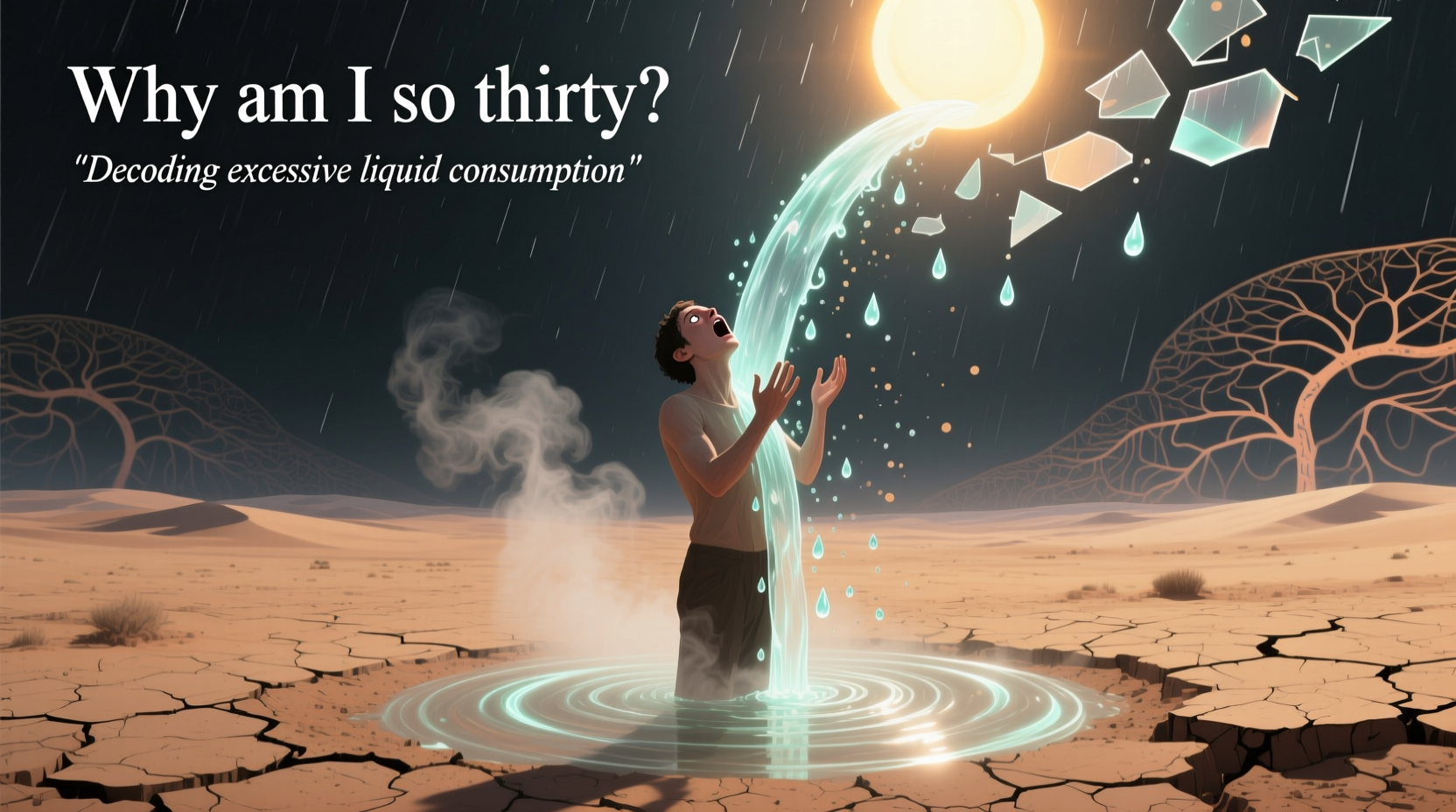
Thirst is a finely tuned biological mechanism governed by the hypothalamus in the brain. When blood volume drops or blood osmolarity (the concentration of solutes like sodium) increases, sensors in the brain detect these changes and initiate the sensation of thirst. The goal is to restore fluid balance and maintain homeostasis. However, not all thirst signals are created equal. Some are acute and easily resolved—like after exercise or salty food—while others persist despite adequate hydration.
Persistent thirst, medically known as polydipsia, becomes concerning when it continues even after drinking sufficient fluids. This could indicate that the body is struggling to retain water or is experiencing abnormal fluid loss through urine, sweat, or respiration.
Common Causes of Excessive Thirst
Several everyday factors can lead to increased thirst without indicating serious illness:
- Dietary choices: High-sodium meals, spicy foods, and alcohol increase fluid needs.
- Caffeine intake: Coffee and energy drinks act as diuretics, promoting urine production and fluid loss.
- Environmental exposure: Hot climates, dry air, or heated indoor spaces accelerate moisture loss through skin and lungs.
- Physical activity: Sweating during workouts demands higher fluid replacement.
- Medications: Antihistamines, antidepressants, and certain blood pressure drugs list dry mouth and thirst as side effects.
These causes are typically temporary and resolve with behavioral adjustments. But when thirst persists despite addressing these variables, deeper investigation is warranted.
When Thirst Signals a Medical Condition
Chronic excessive thirst can be a symptom of several systemic conditions. Recognizing patterns helps differentiate between benign triggers and pathological causes.
Diabetes Mellitus
One of the most common medical explanations for unquenchable thirst is diabetes. Elevated blood glucose levels cause the kidneys to work overtime to filter and absorb excess sugar. When they can’t keep up, glucose spills into the urine, pulling water along with it—a process called osmotic diuresis. This leads to frequent urination (polyuria) and compensatory thirst. Other symptoms include fatigue, blurred vision, and unexplained weight loss.
“Persistent thirst accompanied by frequent urination should prompt immediate blood glucose testing.” — Dr. Lena Torres, Endocrinologist
Diabetes Insipidus
Unlike diabetes mellitus, this rare condition stems from a problem with antidiuretic hormone (ADH), also known as vasopressin. Either the body doesn’t produce enough ADH (central diabetes insipidus) or the kidneys don’t respond to it (nephrogenic). The result is the excretion of large volumes of dilute urine, leading to extreme thirst. Patients may drink 3–20 liters of water per day to compensate.
Dry Mouth (Xerostomia)
Saliva plays a crucial role in oral comfort. Conditions like Sjögren’s syndrome, radiation therapy, or nerve damage can reduce saliva production, creating a constant feeling of dryness mistaken for general thirst. Medication-induced xerostomia is especially common among older adults.
Electrolyte Imbalances
Abnormal levels of sodium, potassium, or calcium disrupt fluid regulation. Hypernatremia (high sodium) directly stimulates thirst centers in the brain. This imbalance can arise from inadequate water intake, excessive salt consumption, or conditions like adrenal insufficiency.
Do’s and Don’ts: Managing Excessive Fluid Intake
| Do’s | Don’ts |
|---|---|
| Track daily fluid intake and urinary frequency | Ignore persistent thirst lasting more than 48 hours |
| Reduce processed foods high in sodium | Assume all thirst is due to dehydration |
| Use a humidifier in dry environments | Drink excessive amounts of water without medical advice |
| Consult a doctor if thirst disrupts sleep or daily function | Rely solely on sports drinks for hydration—they can worsen electrolyte issues |
Mini Case Study: Sarah’s Unrelenting Thirst
Sarah, a 34-year-old teacher, began noticing she was refilling her water bottle six times a day. She attributed it to summer heat until she started waking up three times nightly to drink and urinate. Despite consuming nearly four liters of water daily, her mouth felt parched. Her primary care physician ordered a fasting glucose test, which revealed a blood sugar level of 280 mg/dL—well above the normal range. Further evaluation confirmed type 2 diabetes. With insulin therapy and dietary changes, her thirst normalized within two weeks. Sarah’s case illustrates how excessive thirst can be an early, overlooked warning sign of metabolic disease.
Step-by-Step Guide to Assessing Your Thirst
- Record your fluid intake and output: Note how much you drink and how often you urinate over 24 hours.
- Review medications: Check labels or consult your pharmacist for drugs that cause dry mouth or diuresis.
- Adjust diet: Eliminate high-sodium snacks and reduce caffeine/alcohol for three days to observe changes.
- Monitor symptoms: Track additional signs like fatigue, headaches, or blurred vision.
- See a healthcare provider: Request blood tests for glucose, electrolytes, kidney function, and ADH levels if symptoms persist.
FAQ
Is drinking too much water dangerous?
Yes. Overhydration can lead to hyponatremia—dangerously low sodium levels in the blood. Symptoms include nausea, confusion, seizures, and in severe cases, coma. This is more common in endurance athletes or individuals with psychogenic polydipsia.
Can anxiety cause constant thirst?
Indirectly, yes. Anxiety often leads to rapid breathing (hyperventilation), which dries out the mouth. Additionally, stress can heighten bodily awareness, making normal sensations feel amplified. However, anxiety-related thirst usually lacks accompanying urinary changes seen in medical conditions.
How much water should I really drink each day?
The “8x8” rule (eight 8-ounce glasses) is a myth. Needs vary by age, sex, climate, and activity level. A better guideline: let thirst guide you and ensure urine remains pale yellow. Most adults need 2.5–3.5 liters of total fluids daily, including those from food and beverages.
Checklist: When to Seek Medical Help
- ✅ Thirst persists despite drinking adequate fluids
- ✅ Urinating more than 8 times per day or waking multiple times at night
- ✅ Experiencing unexplained weight loss or fatigue
- ✅ Dry mouth that doesn’t improve with hydration
- ✅ Family history of diabetes or autoimmune disorders
- ✅ Taking medications linked to fluid imbalance
Conclusion
Excessive thirst is not something to dismiss as mere dehydration. It can be a subtle but powerful indicator of underlying health dynamics—from dietary imbalances to chronic diseases. By paying attention to patterns, adjusting lifestyle factors, and knowing when to seek professional evaluation, you can decode what your body is trying to tell you. Hydration is vital, but so is understanding why you need it. Take control of your well-being by listening closely to your body’s signals—and acting with informed confidence.




 浙公网安备
33010002000092号
浙公网安备
33010002000092号 浙B2-20120091-4
Comments
No comments yet. Why don't you start the discussion?