
Occasional muscle twitches—those sudden, involuntary flickers under the skin—are common and usually harmless. But when twitching becomes frequent, persistent, or widespread, it’s natural to wonder: why am I so twitchy? While most twitches stem from lifestyle factors like stress or caffeine, some may signal underlying health conditions. Understanding the difference between benign twitches and those requiring medical attention is essential for peace of mind and timely care.
Common Causes of Muscle Twitching
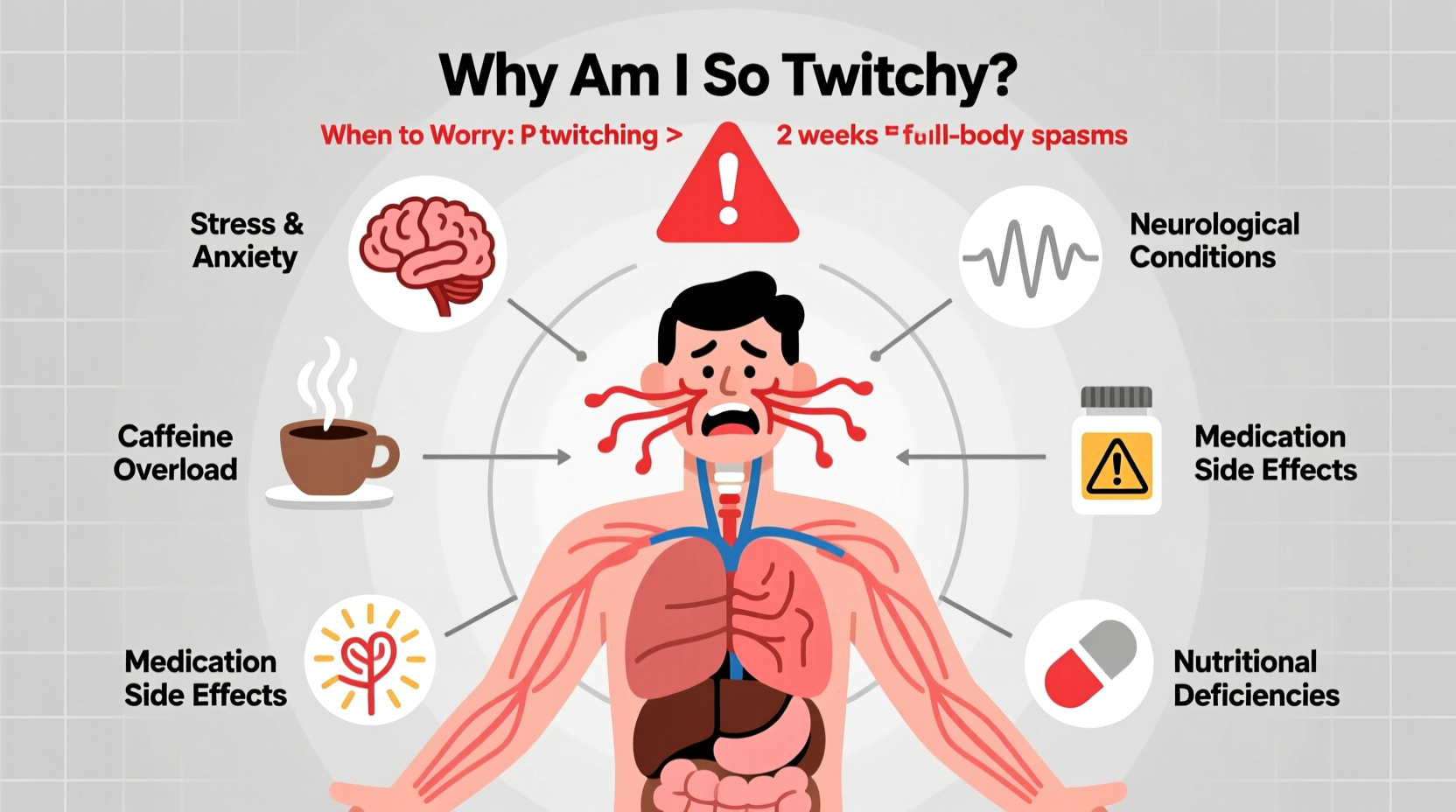
Muscle twitches, also known as fasciculations, occur when small groups of muscle fibers contract spontaneously. These contractions are typically painless and fleeting, but their frequency and location can offer clues about their origin. The most frequent triggers are often related to daily habits and temporary physiological imbalances.
- Stress and Anxiety: Elevated cortisol levels from chronic stress can overstimulate the nervous system, leading to increased muscle activity, including twitching.
- Caffeine and Stimulants: Excessive coffee, energy drinks, or certain medications (like decongestants) can excite nerve endings and trigger muscle spasms.
- Sleep Deprivation: Poor sleep disrupts neurotransmitter balance, increasing neuromuscular excitability.
- Physical Overexertion: Intense workouts or repetitive motions can fatigue muscles, causing localized twitching, especially in arms, legs, or eyelids.
- Nutrient Deficiencies: Low levels of magnesium, calcium, potassium, or vitamin D impair nerve signaling and muscle function.
When Twitching May Signal a Medical Condition
While most twitches resolve on their own, persistent or spreading fasciculations may point to an underlying neurological or systemic issue. These conditions require evaluation by a healthcare provider.
Neurological Disorders
Chronic or progressive twitching, especially when accompanied by weakness, atrophy, or cramping, may be linked to nerve-related diseases. Examples include:
- Benign Fasciculation Syndrome (BFS): Characterized by long-term muscle twitching without muscle weakness or degeneration. Often triggered by anxiety or physical exhaustion.
- Multiple Sclerosis (MS): An autoimmune condition affecting the central nervous system, which may cause muscle spasms among other neurological symptoms.
- ALS (Amyotrophic Lateral Sclerosis): A rare but serious neurodegenerative disease. Early signs may include twitching, but it's almost always paired with progressive muscle weakness and atrophy.
“Isolated muscle twitching is rarely the first sign of ALS. Clinicians look for a combination of fasciculations, weakness, and loss of motor function over time.” — Dr. Alan Reyes, Neurologist, Johns Hopkins Medicine
Metabolic and Endocrine Imbalances
Electrolyte disturbances or hormonal changes can also lead to neuromuscular instability. Conditions such as:
- Thyroid disorders (hyperthyroidism)
- Kidney dysfunction affecting electrolyte balance
- Diabetes-related neuropathy
…can manifest with muscle twitching as one of several symptoms.
Where You Twitch Matters
The location of twitching provides valuable diagnostic insight. Some areas are more prone to benign causes, while others warrant closer scrutiny.
| Location | Common Cause | When to Worry |
|---|---|---|
| Eyelid | Stress, fatigue, eye strain | Rarely concerning; lasts days to weeks |
| Arm or hand | Overuse, caffeine, poor ergonomics | If weakness develops or spreads |
| Leg or foot | Dehydration, mineral deficiency | With numbness, cramping, or gait changes |
| Tongue or face | Less common; may indicate nerve irritation | Persistent twitching needs evaluation |
| Widespread | BFS, electrolyte imbalance | If progressive or disabling |
Step-by-Step: What to Do If You’re Frequently Twitching
Before jumping to conclusions, take a systematic approach to assess and address potential causes.
- Track Your Symptoms: Keep a journal noting when and where twitching occurs, duration, and any associated factors (e.g., after coffee, during stress).
- Review Lifestyle Habits: Evaluate caffeine intake, sleep quality, hydration, and exercise routine.
- Improve Nutrition: Incorporate magnesium-rich foods (spinach, nuts), bananas (potassium), and dairy or fortified products (calcium and vitamin D).
- Reduce Stress: Practice mindfulness, deep breathing, or yoga to lower nervous system activation.
- Consult a Doctor: If twitching persists beyond a few weeks, worsens, or is accompanied by weakness, schedule a visit with your primary care physician or neurologist.
Mini Case Study: Sarah’s Eyelid Twitch
Sarah, a 34-year-old project manager, noticed her left eyelid twitching daily for two weeks. Initially dismissive, she became concerned when it started affecting her concentration. She tracked her habits and realized she’d been drinking four energy drinks a day and sleeping less than six hours. After cutting caffeine and improving sleep hygiene, the twitch resolved within five days. Her experience highlights how lifestyle factors often drive benign twitching—and how simple changes can make a significant difference.
Checklist: When to Seek Medical Advice
Use this checklist to determine if your twitching warrants professional evaluation:
- ✅ Twitching lasts longer than 2–3 weeks without improvement
- ✅ Spreads to multiple muscle groups
- ✅ Accompanied by muscle weakness or atrophy
- ✅ Occurs with numbness, tingling, or coordination problems
- ✅ Begins after starting a new medication
- ✅ Affects speech, swallowing, or facial movements
If you check two or more of these, consult a healthcare provider for further assessment, which may include blood tests, EMG (electromyography), or neurological exams.
Frequently Asked Questions
Can dehydration cause muscle twitching?
Yes. Dehydration alters electrolyte levels—especially sodium, potassium, and magnesium—which are critical for proper nerve-to-muscle communication. Even mild dehydration can trigger fasciculations, particularly after intense sweating or illness.
Is twitching a sign of anxiety?
Absolutely. Anxiety increases nervous system arousal, leading to muscle tension and spontaneous contractions. People with panic disorder or generalized anxiety often report twitching in the face, hands, or chest as part of their symptom profile.
Should I worry about twitching after exercise?
Not usually. Post-workout twitching, especially in overused muscles, is common and results from fatigue, lactic acid buildup, and electrolyte shifts. It typically resolves within hours or days. However, persistent twitching after recovery should be evaluated.
Conclusion: Know Your Body, Trust Your Instincts
Being “twitchy” is often a temporary response to stress, poor sleep, or dietary gaps. In most cases, simple lifestyle adjustments bring relief. But when twitching becomes a constant companion—spreading, worsening, or disrupting daily life—it’s time to listen closely. Don’t dismiss persistent symptoms out of fear, nor panic over every minor spasm. Instead, take informed action: monitor patterns, optimize self-care, and seek expert guidance when needed.




 浙公网安备
33010002000092号
浙公网安备
33010002000092号 浙B2-20120091-4
Comments
No comments yet. Why don't you start the discussion?