
In a world increasingly aware of social justice and environmental sustainability, the conversation around animal rights has gained significant momentum. While many recognize the moral implications of cruelty toward animals, the full scope of why animal rights matter extends far beyond compassion. It touches on ecological balance, public health, ethical consistency, and even the future of our planet. Understanding the importance of animal rights is not just about protecting individual creatures—it’s about redefining humanity’s relationship with all living beings.
The Ethical Foundation of Animal Rights
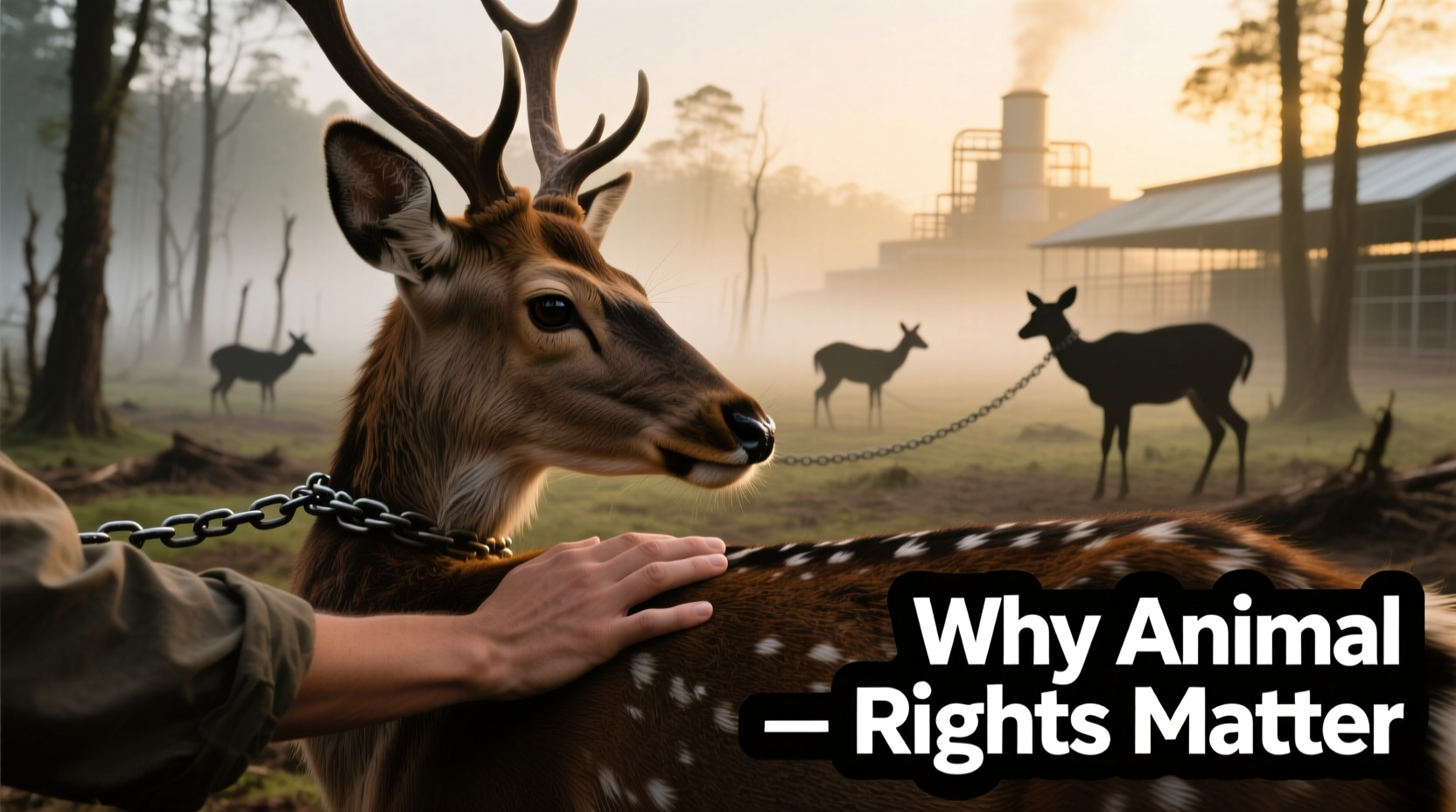
At its core, the concept of animal rights rests on the principle that non-human animals are sentient beings capable of experiencing pain, fear, joy, and suffering. Just like humans, they have intrinsic value that does not depend on their utility to us. Philosophers such as Peter Singer and Tom Regan have long argued that speciesism—the assumption of human superiority leading to the exploitation of animals—is morally indefensible, akin to racism or sexism.
Animals used in factory farming, scientific experiments, entertainment, and fashion often endure conditions that would be considered torture if inflicted on humans. Recognizing their right to live free from unnecessary harm challenges us to reconsider practices that prioritize convenience over conscience.
“Ethics is not limited to our own species. When we deny rights to sentient beings simply because they are not human, we undermine the very foundation of moral reasoning.” — Dr. Christine Korsgaard, Harvard Philosophy Professor
Environmental Impact of Ignoring Animal Rights
The degradation of natural ecosystems is closely tied to how we treat animals, particularly in industrial agriculture. Livestock production is a leading cause of deforestation, water pollution, and greenhouse gas emissions. According to the United Nations Food and Agriculture Organization, animal agriculture contributes nearly 15% of global carbon emissions—more than the entire transportation sector combined.
Mass breeding of animals for food leads to overuse of antibiotics, contributing to antimicrobial resistance, one of the top global public health threats. Moreover, monoculture feed crops like soy and corn displace native habitats, threatening biodiversity and pushing countless wild species toward extinction.
Protecting animal rights means advocating for sustainable food systems, reducing reliance on animal-based agriculture, and preserving ecosystems where both wild and domesticated animals can thrive without exploitation.
Economic and Public Health Considerations
The mistreatment of animals isn’t just an ethical issue—it has tangible consequences for human well-being. Zoonotic diseases, such as COVID-19, Ebola, and avian flu, often emerge from environments where animals are kept in crowded, unsanitary conditions or captured from the wild. Wet markets, factory farms, and illegal wildlife trade create perfect breeding grounds for pathogens to jump species.
By respecting animal rights and ending high-risk practices, we reduce the likelihood of future pandemics. Additionally, shifting toward plant-based diets and humane farming methods can lower healthcare costs associated with heart disease, obesity, and diabetes—all linked to excessive meat consumption.
| Issue | Consequence of Animal Exploitation | Benefit of Respecting Animal Rights |
|---|---|---|
| Climate Change | High methane emissions from livestock | Reduced carbon footprint with plant-based alternatives |
| Pandemic Risk | Zoonotic disease transmission | Lower outbreak potential through ethical animal treatment |
| Water Scarcity | Excessive water use in meat production | Conservation via reduced demand for animal products |
| Biodiversity Loss | Habitat destruction for grazing and feed crops | Preservation of ecosystems and species |
Real-World Example: The Case of Battery Cage Egg Farms
In many countries, egg-laying hens are confined to battery cages so small they cannot spread their wings. These birds live in constant stress, suffer from bone loss due to inactivity, and are often debeaked without anesthesia. In 2010, the European Union banned battery cages, mandating enriched housing that allows for nesting, perching, and movement.
After the ban, studies showed not only improved hen welfare but also better egg quality and fewer Salmonella outbreaks. Farmers adapted by redesigning facilities, and consumer trust in the egg industry increased. This case demonstrates that prioritizing animal rights doesn’t necessarily harm economic interests—in fact, it can lead to safer, more sustainable outcomes for everyone involved.
How to Support Animal Rights: A Practical Checklist
Advocacy begins with individual action. You don’t need to be an activist to make a meaningful difference. Here’s a checklist of practical steps you can take today:
- Adopt a plant-forward diet: Reduce meat and dairy consumption; explore plant-based alternatives.
- Choose cruelty-free products: Look for labels like “Leaping Bunny” or “PETA-certified” on cosmetics and household goods.
- Support humane legislation: Vote for policies that ban cruel practices like fur farming or cosmetic testing on animals.
- Avoid entertainment exploiting animals: Steer clear of circuses, zoos with poor conditions, and dolphin shows.
- Donate or volunteer: Support shelters, sanctuaries, or organizations working to protect wildlife and farm animals.
- Educate others: Share documentaries like *The Game Changers* or *Earthlings* to spark informed conversations.
Common Misconceptions About Animal Rights
Some argue that focusing on animal rights distracts from pressing human issues. However, this is a false dichotomy. Social justice and animal rights are interconnected. Factory farming exploits not only animals but also low-wage workers, often immigrants, who face dangerous conditions and minimal protections.
Others claim that animals lack the cognitive capacity to deserve rights. Yet science confirms that many species—from elephants to octopuses—exhibit complex emotions, memory, and problem-solving skills. Sentience, not intelligence, should be the benchmark for moral consideration.
Frequently Asked Questions
Don’t humans have the right to use animals for food and research?
While tradition and necessity have justified animal use in the past, modern alternatives make many forms of exploitation unnecessary. Lab-grown meat, plant-based proteins, and advanced computer modeling offer ethical substitutes that reduce harm without sacrificing progress.
Is veganism the only way to support animal rights?
No. While veganism aligns closely with animal rights principles, meaningful change also comes from reduction, advocacy, and policy reform. Every step toward minimizing harm counts.
Can one person really make a difference?
Absolutely. Consumer choices shape markets. When enough people reject products from cruel systems, companies adapt. The rise of plant-based brands like Beyond Meat and Oatly reflects growing public demand for ethical options.
Conclusion: A Call for Compassionate Evolution
Recognizing animal rights is not about placing animals above humans—it’s about expanding our circle of empathy to include all sentient life. As stewards of this planet, we hold the power to end needless suffering, restore ecological harmony, and build a more just world.
The movement for animal rights is not radical; it is reasonable, scientifically supported, and ethically urgent. Whether through dietary changes, conscious consumerism, or civic engagement, each of us can contribute to a future where compassion guides our choices.




 浙公网安备
33010002000092号
浙公网安备
33010002000092号 浙B2-20120091-4
Comments
No comments yet. Why don't you start the discussion?