
For decades, Birkenstock has occupied a unique space in footwear culture—simultaneously dismissed as “ugly” and celebrated as revolutionary. Once associated with orthopedic clinics and crunchy health food stores, Birkenstocks have undergone a remarkable transformation. Today, they’re seen on city sidewalks, fashion runways, and even red carpets. What explains this enduring popularity? The answer lies in a blend of ergonomic innovation, cultural shifts, sustainability values, and unexpected celebrity endorsements that have redefined what it means to be stylish—and comfortable.
The Origins of a Comfort Revolution
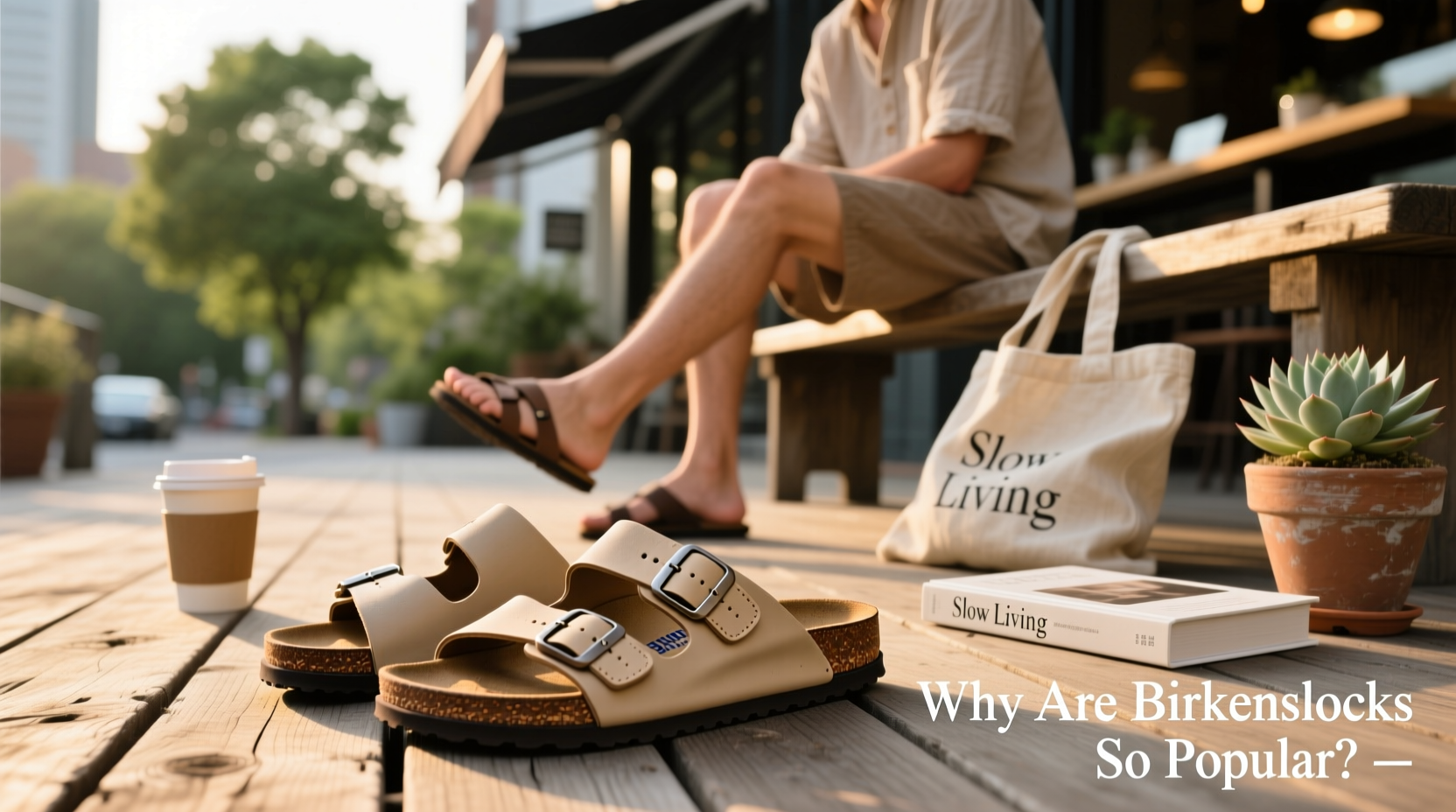
Birkenstock’s story begins in 1774 in Germany, when Johann Adam Birkenstock registered as a shoemaker in the village of Langen-Bergheim. But it wasn’t until the early 20th century that the brand began focusing on foot health. In 1902, Konrad Birkenstock developed a flexible insole designed to support the natural shape of the foot—a radical idea at a time when most shoes were rigid and uniform.
The modern Birkenstock sandal, introduced in the 1960s, featured a contoured cork-latex footbed molded to mirror the anatomy of a healthy foot: deep heel cup, raised toe bar, and arch support. This design wasn’t about aesthetics—it was engineered for biomechanical alignment. Doctors and podiatrists began recommending them for people with foot pain, plantar fasciitis, or flat feet. Their clinical utility earned them a loyal niche following, particularly among those prioritizing long-term foot health over fleeting trends.
“Birkenstock didn’t invent comfort—they reinvented it by treating the foot like an engineering problem worth solving.” — Dr. Lena Peters, Podiatrist & Footwear Researcher
From Counterculture Symbol to Fashion Staple
In the 1970s, Birkenstocks became emblematic of the back-to-nature movement. Worn by environmentalists, hippies, and holistic practitioners, they signaled a rejection of industrial consumerism. Their handcrafted appearance and natural materials aligned with values of simplicity and authenticity. Yet this association also cemented their reputation as “unfashionable”—a label that persisted for years.
The turning point came gradually. Starting in the 2010s, minimalist fashion and wellness culture converged. Designers began embracing functional clothing, and consumers grew more skeptical of fast fashion. Suddenly, comfort wasn’t a compromise—it was a statement. High-end retailers like Nordstrom and Net-a-Porter started carrying Birkenstocks. Collaborations with designers such as Rick Owens and Dior elevated the brand into luxury territory.
This cultural pivot allowed Birkenstocks to transcend their utilitarian roots. People weren’t just wearing them because they were good for their feet—they were wearing them because they represented a new kind of cool: effortless, grounded, and self-assured.
The Science Behind the Support
What sets Birkenstocks apart isn’t just branding—it’s biomechanics. The signature footbed is made from layers of cork, latex, and suede, forming a structure that adapts to the wearer’s foot over time. Unlike mass-produced shoes with flat insoles, Birkenstocks encourage proper weight distribution and reduce strain on joints.
Key features include:
- Deep heel cup: Stabilizes the heel and aligns the ankle joint.
- Longitudinal arch support: Prevents overpronation and reduces fatigue.
- Toe bar: Encourages natural toe grip and muscle engagement.
- Soft footbed: Molds over time for personalized fit.
A 2021 study published in the *Journal of Foot and Ankle Research* found that participants who wore supportive sandals like Birkenstocks reported significantly lower levels of foot pain during prolonged standing compared to those wearing conventional flip-flops. For nurses, teachers, retail workers, and others on their feet all day, this isn’t just comfort—it’s occupational necessity.
Celebrity Endorsements and Cultural Validation
No discussion of Birkenstock’s resurgence would be complete without acknowledging its celebrity fanbase. Stars like Hailey Bieber, Rihanna, and Harry Styles have been photographed wearing classic models like the Arizona and Boston clogs—often styled with designer jeans or tailored suits. These appearances did more than boost visibility; they reframed the narrative around comfort footwear.
When Harry Styles wore a floral-print pair of Birkenstocks with a lace blouse and wide-leg trousers during a performance, he challenged traditional gender norms in fashion. When Hailey Bieber paired hers with bike shorts and an oversized blazer, she helped define the “clean girl” aesthetic—one that values practicality and self-care.
Social media amplified this effect. TikTok and Instagram influencers began showcasing how to style Birkenstocks in creative ways—under cropped socks, with midi skirts, or layered with jewelry. The message was clear: you don’t have to sacrifice style to prioritize well-being.
Sustainability and Ethical Appeal
In an era where consumers scrutinize brand ethics, Birkenstock stands out for its commitment to durability and responsible production. Most models are made in Germany or Portugal using sustainable materials like renewable cork and natural rubber. The company avoids PVC and uses water-based adhesives, reducing environmental impact.
Unlike fast-fashion footwear designed to last one season, Birkenstocks are built to endure years of use. Many customers report wearing the same pair for five, ten, or even fifteen years. Some models can be resoled, extending their lifespan further. This longevity resonates with eco-conscious buyers seeking alternatives to disposable culture.
| Feature | Birkenstock | Typical Fast-Fashion Sandal |
|---|---|---|
| Lifespan | 5–15 years | 1–2 seasons |
| Materials | Cork, latex, EVA, suede | PVC, synthetic foam, plastic |
| Repairable? | Yes (resoling available) | No |
| Production Transparency | High (EU manufacturing) | Limited (offshore factories) |
How to Choose and Style Your Pair
Selecting the right Birkenstock involves more than picking a color. Consider your lifestyle, climate, and wardrobe preferences. Here’s a simple checklist to guide your decision:
Choosing the Right Model: A Checklist
- ✅ Assess your daily activity: Do you walk long distances or stand for hours?
- ✅ Determine openness preference: Sandals (Arizona), closed-back (Boston), or full coverage (Zürich)?
- ✅ Think about seasons: Nubuck leather works year-round; consider lined versions for winter.
- ✅ Try before you buy: Sizing varies slightly between models—fit should feel snug but not tight.
- ✅ Decide on footbed type: Regular (softer) vs. firm (more structured support).
Styling Birkenstocks has evolved beyond “socks with sandals.” Modern approaches include pairing Boston clogs with ankle-grazing pants, wearing Gizeh sandals with slip dresses, or using Arizona styles as beach-to-bar footwear. The key is confidence—own the look rather than apologize for it.
Real-World Example: From Nurse to Influencer
Maria Thompson, a critical care nurse in Seattle, bought her first pair of Birkenstocks in 2018 after suffering chronic plantar fasciitis. “I was skeptical,” she admits. “They looked clunky. But within two weeks, my foot pain dropped by 70%.” She started posting about them on Instagram, sharing styling tips for healthcare workers. Her account, @NurseInBirks, now has over 80,000 followers. “People DM me every day saying they switched because of me,” she says. “It’s not just about shoes—it’s about giving yourself permission to choose comfort without guilt.”
Frequently Asked Questions
Are Birkenstocks good for flat feet?
Yes. The built-in arch support and deep heel cup make Birkenstocks especially beneficial for people with low or fallen arches. Many podiatrists recommend them as part of non-invasive treatment plans.
Do Birkenstocks stretch over time?
The footbed molds to your foot, and the straps (especially leather ones) will soften and conform with wear. However, the sole itself does not stretch significantly, so initial fit matters.
Can I wear Birkenstocks in the rain?
Occasional exposure won’t ruin them, but prolonged wetness can damage the cork and warp the footbed. If they get wet, let them dry slowly at room temperature—never near direct heat.
Final Thoughts: More Than Just a Trend
The rise of Birkenstocks isn’t a passing fad—it’s a reflection of deeper societal changes. As people prioritize mental and physical well-being, reject unsustainable consumption, and embrace individuality in fashion, Birkenstocks offer a rare convergence of function, ethics, and identity.
Their popularity endures because they solve real problems. They protect feet. They last. They adapt. And increasingly, they empower wearers to move through the world with less pain and more purpose.




 浙公网安备
33010002000092号
浙公网安备
33010002000092号 浙B2-20120091-4
Comments
No comments yet. Why don't you start the discussion?