
Eye twitching—also known as myokymia—is a common experience that most people encounter at some point. While it's usually harmless and temporary, having both eyes twitch simultaneously can be unsettling. Unlike the occasional single-eye spasm, bilateral twitching may suggest underlying factors beyond fatigue or caffeine. Understanding the root causes, recognizing when it’s time to be concerned, and knowing how to manage symptoms can help you regain comfort and peace of mind.
What Causes Both Eyes to Twitch?
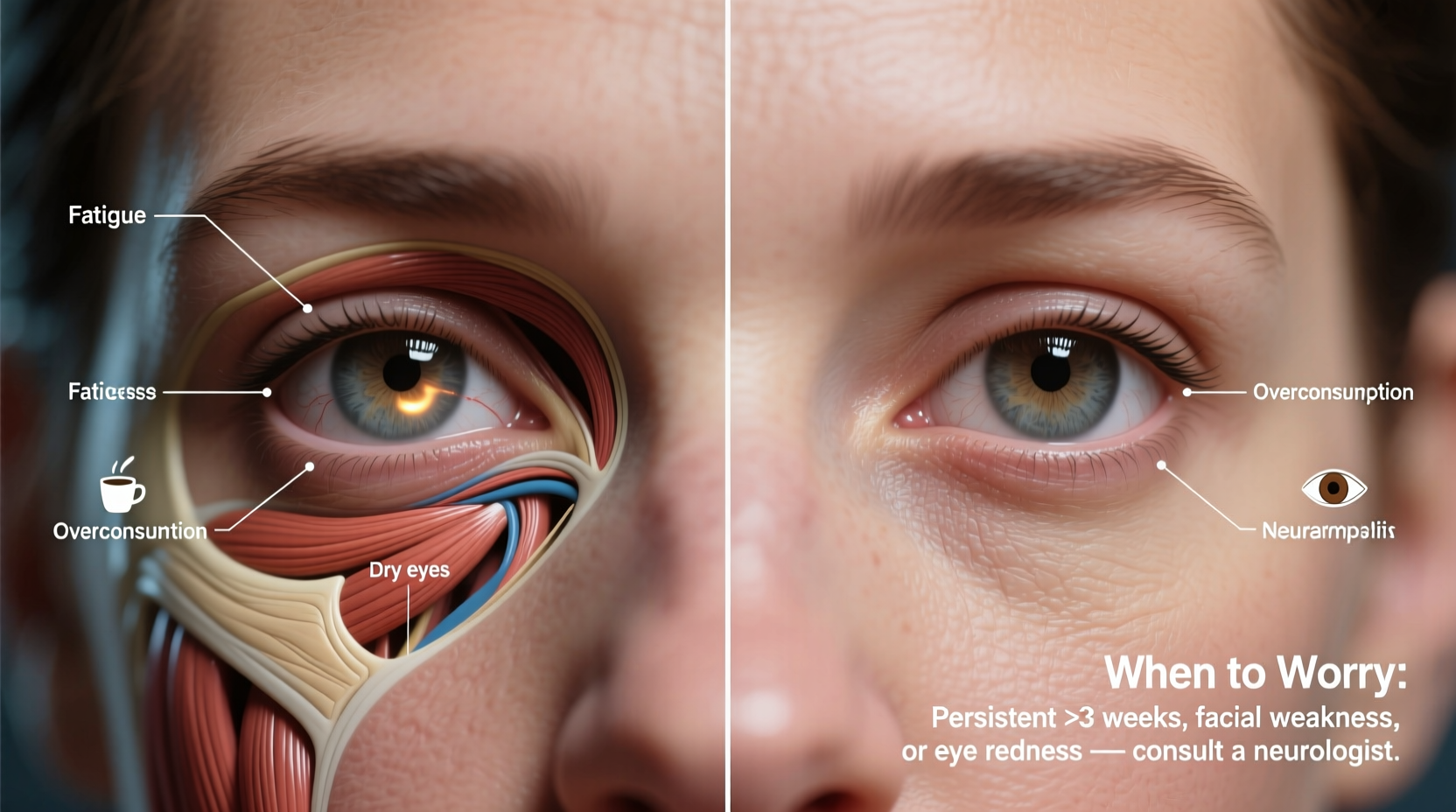
Bilateral eye twitching typically stems from overactivity in the nerves controlling the eyelid muscles. The orbicularis oculi muscle, which surrounds each eye, can contract involuntarily due to various internal and external triggers. While most cases resolve on their own, recurring or prolonged twitching may indicate deeper imbalances.
- Stress and Anxiety: Chronic stress increases cortisol levels, which can disrupt nerve signaling and lead to muscle spasms, including in the eyelids.
- Sleep Deprivation: Lack of quality sleep impairs nervous system regulation, making muscles more prone to erratic behavior.
- Caffeine and Stimulants: Excessive coffee, energy drinks, or certain medications can overstimulate the central nervous system.
- Dry Eyes: Particularly common with screen overuse, dryness irritates the ocular surface and triggers reflexive blinking or twitching.
- Nutritional Deficiencies: Low levels of magnesium, potassium, or vitamin B12 affect neuromuscular function.
- Eye Strain: Prolonged focus on digital screens, uncorrected vision problems, or intense reading can fatigue eye muscles.
When Should You Be Concerned?
Most eye twitches last a few seconds to several days and disappear without treatment. However, if both eyes continue to twitch for more than two weeks, worsen over time, or are accompanied by other symptoms, it may signal a neurological condition requiring evaluation.
Red flags include:
- Twitching that spreads to other facial areas (e.g., cheek or mouth)
- Eyes closing involuntarily during spasms
- Noticeable facial weakness or drooping
- Redness, swelling, or discharge from the eyes
- Sensitivity to light or blurred vision
“Persistent bilateral eye twitching should not be ignored—especially when associated with facial movement changes. It could point to benign essential blepharospasm or even rarer neurologic disorders.” — Dr. Lena Patel, Neuro-Ophthalmologist, Massachusetts Eye & Ear
Medical Conditions Linked to Bilateral Eye Twitching
While lifestyle factors are the most common culprits, chronic or severe twitching may reflect an underlying health issue:
Benign Essential Blepharospasm
A progressive neurological disorder causing involuntary muscle contractions around both eyes. It often begins with increased blinking and escalates to forceful eyelid closure. Though rare, it can significantly impact daily life.
Neurological Disorders
In very rare cases, persistent bilateral twitching may be linked to conditions such as multiple sclerosis, Parkinson’s disease, or Tourette syndrome. These are typically accompanied by additional symptoms like tremors, balance issues, or cognitive changes.
Medication Side Effects
Drugs used for psychosis, depression, or nausea (particularly dopamine antagonists) can cause movement side effects, including eye twitching. Always review medication side effects with your prescribing physician.
Dry Eye Syndrome and Meibomian Gland Dysfunction
Chronic dryness leads to irritation and compensatory muscle activity. People who work long hours on computers or wear contact lenses are especially vulnerable.
Practical Steps to Reduce Eye Twitching
Addressing the root cause is key to stopping recurrent eye spasms. Here’s a step-by-step approach to calming twitching and supporting overall eye and nerve health.
- Track Triggers: Keep a journal noting when twitching occurs, along with your sleep, diet, screen time, and stress levels.
- Limit Caffeine and Alcohol: Try eliminating coffee, tea, soda, and alcohol for 5–7 days to assess improvement.
- Improve Sleep Hygiene: Aim for 7–8 hours of uninterrupted sleep. Maintain a consistent bedtime and avoid screens before bed.
- Use Artificial Tears: If your eyes feel gritty or dry, preservative-free lubricating drops can reduce irritation.
- Apply Warm Compresses: Place a clean, warm cloth over closed eyes for 5–10 minutes twice daily to relax muscles and improve oil gland function.
- Manage Stress: Incorporate mindfulness, deep breathing, or yoga into your routine to lower nervous system arousal.
- Supplement Wisely: Consider magnesium glycinate (200–400 mg/day) or a B-complex vitamin after consulting your doctor.
Do’s and Don’ts: Managing Eye Twitching
| Do | Don't |
|---|---|
| Get 7+ hours of quality sleep nightly | Consume more than 200mg of caffeine per day |
| Use lubricating eye drops if eyes are dry | Rub your eyes aggressively |
| Practice stress-reduction techniques | Ignore worsening or spreading twitching |
| Take regular breaks from screens | Self-diagnose serious neurological conditions |
| Consult a doctor if twitching persists beyond 2 weeks | Stop prescribed medications without medical advice |
Real-Life Example: When Lifestyle Changes Made a Difference
Sarah, a 34-year-old software developer, began experiencing constant twitching in both eyes after transitioning to remote work. She was averaging five hours of sleep, drinking three energy drinks daily, and spending 10+ hours in front of screens. After two weeks of worsening spasms and increasing anxiety, she visited an optometrist.
The doctor identified severe eye strain and dryness, recommended reducing screen time, switching to blue-light glasses, using artificial tears, and cutting out energy drinks. Sarah also started practicing evening meditation and improved her sleep schedule. Within 10 days, the twitching stopped completely. Her case highlights how modern work habits can directly impact neurological signals—even in subtle ways like eyelid spasms.
Frequently Asked Questions
Can dehydration cause both eyes to twitch?
Yes. Dehydration affects electrolyte balance, particularly sodium, potassium, and magnesium, all critical for proper nerve and muscle function. Even mild dehydration can trigger muscle fasciculations, including in the eyelids.
Is it normal for both eyes to twitch at the same time?
Less common than unilateral twitching, but not unheard of. Bilateral twitching often points to systemic factors like stress, fatigue, or nutrient imbalance rather than localized eye issues.
Can eye twitching be a sign of a stroke?
Isolated eye twitching is not a typical sign of stroke. However, if twitching is accompanied by facial drooping, slurred speech, weakness on one side of the body, or confusion, seek emergency care immediately.
Conclusion: Know Your Body, Trust Your Instincts
Occasional eye twitching in both eyes is usually a temporary response to lifestyle stressors. With simple adjustments—better sleep, reduced screen time, and mindful consumption of stimulants—most people find relief within days. But when twitching persists, spreads, or disrupts your vision or comfort, it’s worth a professional evaluation.
Your eyes are highly sensitive indicators of your nervous system’s health. Pay attention not just to the twitch itself, but to what else is happening in your body. Small changes today can prevent bigger complications tomorrow.




 浙公网安备
33010002000092号
浙公网安备
33010002000092号 浙B2-20120091-4
Comments
No comments yet. Why don't you start the discussion?