
It’s a common experience: you notice a small bump on your arm or leg, and it feels warm to the touch. The area is red, swollen, and tender—sometimes even painful. Why are bug bites hot? This sensation isn’t just random discomfort; it’s your body’s immune system responding to foreign substances introduced by insects. Understanding why this happens, what symptoms to expect, and when to be concerned can help you manage reactions safely and avoid complications.
The Science Behind Hot Bug Bites
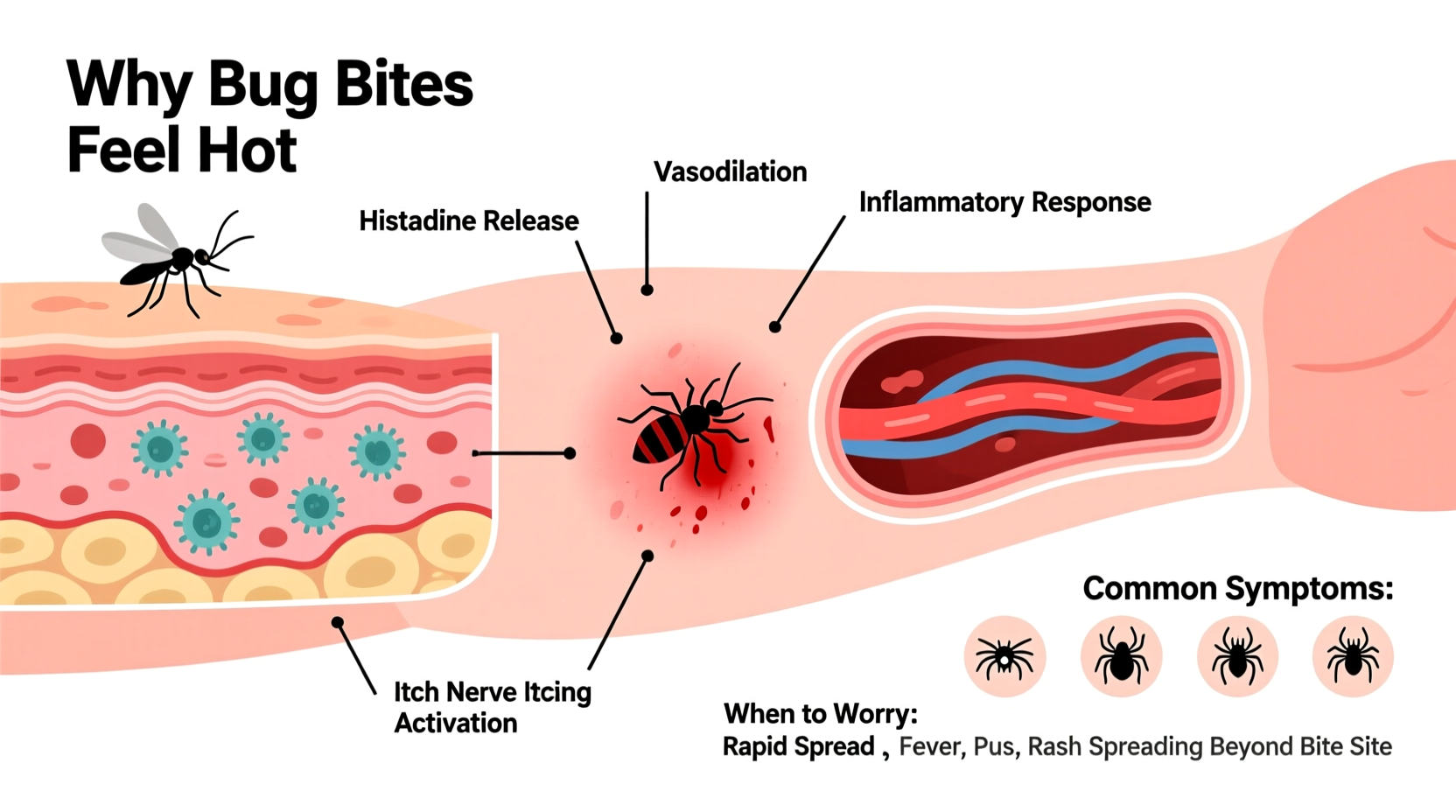
When an insect bites, it injects saliva into your skin. This saliva contains proteins that prevent blood from clotting, allowing the insect to feed more efficiently. However, your immune system recognizes these proteins as invaders. In response, it releases histamine and other inflammatory mediators to neutralize the threat.
This immune reaction increases blood flow to the affected area, bringing white blood cells and antibodies to fight potential infection. The increased circulation causes localized warmth—hence, the bite feels hot. Swelling, redness, and itching are also direct results of this inflammatory process.
“Local heat at a bite site is usually a sign of normal immune activity. But if the warmth spreads or intensifies, it could signal infection.” — Dr. Lena Torres, Board-Certified Dermatologist
Common Causes and Symptoms of Bug Bites
Different insects provoke different reactions. Some bites cause mild irritation, while others lead to severe swelling or systemic responses. Below is a breakdown of common biting insects and their typical effects:
| Insect | Bite Characteristics | Common Symptoms |
|---|---|---|
| Mosquitoes | Small, raised, pinkish bump | Itching, mild swelling, brief warmth |
| Fleas | Clusters of small red dots, often on ankles | Intense itching, possible blistering |
| Bed Bugs | Linear pattern of bites, often on exposed skin | Redness, burning, delayed itching (up to 14 days) |
| Spiders (non-venomous) | Two puncture marks, central red spot | Pain, heat, moderate swelling |
| Bees/Wasps | Puncture with stinger (bees only) | Sharp pain, immediate redness, warmth, swelling |
| Fire Ants | Blister-like pustule within hours | Burning sensation, intense heat, pus formation |
While most bites resolve within a few days, secondary infections can occur if the area is scratched excessively, introducing bacteria like *Staphylococcus aureus*.
When Normal Reactions Turn Serious
Some people experience stronger-than-average reactions known as “large local reactions.” These include swelling exceeding 4 inches in diameter, prolonged heat lasting over 48 hours, and increasing pain. While not always dangerous, they require closer monitoring.
More concerning are signs of infection or systemic allergic reactions. Infections typically develop when bacteria enter through broken skin. Watch for:
- Expanding redness beyond the initial bite
- Pus or oozing discharge
- Increasing pain and warmth
- Fever or chills
If any of these appear, especially spreading red streaks under the skin, seek medical attention promptly. This could indicate cellulitis, a bacterial skin infection requiring antibiotics.
Recognizing Allergic Reactions
A small percentage of people have severe allergies to insect venom, particularly from bees, wasps, hornets, or fire ants. Anaphylaxis is a life-threatening condition that demands immediate treatment. Symptoms include:
- Hives or widespread rash away from the bite site
- Swelling of the face, lips, or throat
- Difficulty breathing or wheezing
- Dizziness, rapid pulse, or drop in blood pressure
- Nausea, vomiting, or loss of consciousness
If someone exhibits these symptoms after a sting, use an epinephrine auto-injector (if available) and call emergency services immediately.
Step-by-Step Care for Bug Bites
Most bug bites can be managed at home with simple care. Follow this timeline to minimize discomfort and reduce the risk of complications:
- Immediately after the bite: Wash the area with soap and water to remove residual saliva or venom.
- Within 1 hour: Apply a cold pack for 10–15 minutes to reduce swelling and numb itching.
- First 24 hours: Use over-the-counter hydrocortisone cream or calamine lotion to soothe irritation.
- Day 2–3: Monitor for worsening redness, heat, or pain. Take oral antihistamines (like cetirizine) if itching persists.
- Day 4 onward: If symptoms improve, continue gentle cleansing. If they worsen, consult a healthcare provider.
Real-Life Scenario: A Hiker’s Reaction
Mark, a 34-year-old hiker, returned from a weekend trail trip with several itchy bumps on his legs. Initially dismissing them as mosquito bites, he noticed one area becoming increasingly hot and swollen by day three. The redness spread outward, and he developed a low-grade fever.
He visited an urgent care clinic, where a physician diagnosed early cellulitis caused by a tick or spider bite that had been scratched. He was prescribed a course of antibiotics and advised to keep the leg elevated. Within 48 hours, the heat and swelling began to subside.
Mark’s case illustrates how a seemingly minor bite can escalate without proper care. Early intervention prevented hospitalization and more serious outcomes.
Prevention Checklist
To reduce your risk of problematic bug bites, follow this actionable checklist:
- ✔ Wear long sleeves and pants in wooded or grassy areas
- ✔ Use EPA-approved insect repellents containing DEET, picaridin, or oil of lemon eucalyptus
- ✔ Avoid wearing strong perfumes or floral prints outdoors
- ✔ Check your body and clothing after spending time outside
- ✔ Keep windows screened and beds free of clutter where bugs hide
- ✔ Treat pets regularly for fleas and ticks
Frequently Asked Questions
Can a bug bite stay hot for more than a week?
A bite that remains hot beyond five to seven days may be infected or part of an ongoing inflammatory response. Persistent heat, especially with pain or spreading redness, warrants medical evaluation.
Are some people more prone to hot, swollen bites?
Yes. Individuals with sensitive immune systems or those who’ve been bitten frequently may develop heightened reactions. Children and people with eczema are also more likely to experience pronounced swelling and warmth.
Is it safe to pop a blister from a fire ant bite?
No. Popping blisters increases the risk of infection. Allow them to heal naturally, and keep the area clean and covered if needed.
Know When to Seek Help
While most bug bites are harmless and self-limiting, certain warning signs should never be ignored. Seek medical attention if you experience:
- Red streaks radiating from the bite
- High fever or chills
- Severe pain or growing swelling
- Symptoms spreading to other parts of the body
- Signs of an allergic reaction (difficulty breathing, dizziness, etc.)
Certain regions also carry risks of vector-borne diseases. In areas where Lyme disease, West Nile virus, or Rocky Mountain spotted fever are prevalent, monitor for flu-like symptoms following a bite—even if the initial reaction seemed mild.
Conclusion
Bug bites become hot due to your body’s natural inflammatory defense. While warmth, redness, and swelling are typically short-lived, understanding the progression of symptoms empowers you to respond appropriately. Most cases resolve with basic care, but vigilance prevents minor issues from turning into serious health concerns.




 浙公网安备
33010002000092号
浙公网安备
33010002000092号 浙B2-20120091-4
Comments
No comments yet. Why don't you start the discussion?