
Bulls have long been symbols of power, strength, and dominance. Yet their reputation for sudden, explosive aggression often raises concern—especially among farmers, ranchers, and spectators at events like bullfights or rodeos. While not all bulls are inherently violent, their potential for aggression is real and rooted in a complex mix of biology, instinct, and environmental factors. Understanding the causes behind bull aggression isn’t just about safety—it’s about responsible animal management and humane treatment.
The Biological Basis of Bull Aggression
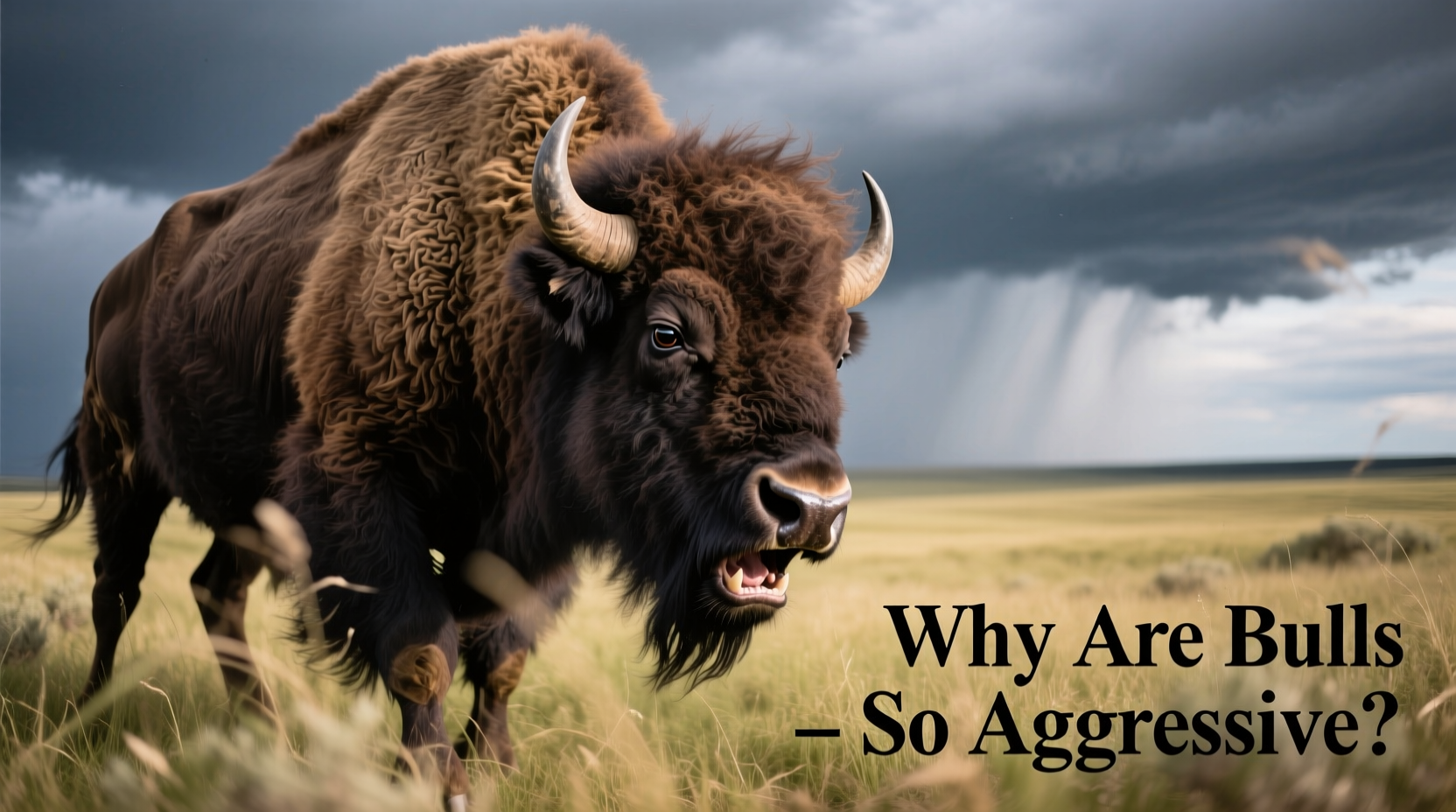
At the core of bull aggression lies testosterone. As male cattle reach sexual maturity, testosterone levels surge, influencing both physical development and behavior. This hormone increases muscle mass, promotes territorial instincts, and heightens reactivity to perceived threats. Unlike steers (castrated males), bulls retain full reproductive hormones, which directly contribute to more assertive and dominant behaviors.
Studies show that intact bulls exhibit significantly higher levels of aggression compared to their castrated counterparts. The limbic system—the part of the brain responsible for emotions and survival responses—is particularly sensitive to hormonal fluctuations. In bulls, this can translate into rapid shifts from calm grazing to defensive or offensive posturing when they sense intrusion or challenge.
Additionally, genetics play a role. Certain breeds, such as Brahman, Belgian Blue, and Spanish Fighting Bulls, have been selectively bred over generations for traits like size, musculature, and heightened alertness—all of which correlate with increased aggression under stress.
“Testosterone doesn’t make bulls aggressive by default, but it amplifies their response to threats. A well-managed bull can be predictable; an unmanaged one becomes dangerous.” — Dr. Laura Simmons, Animal Behavior Specialist, University of Nebraska-Lincoln
Environmental Triggers and Stress Factors
While biology sets the stage, environment determines whether aggression manifests. Bulls are highly sensitive to changes in their surroundings. Common stressors include:
- Loud noises or sudden movements
- Unfamiliar humans or animals entering their space
- Poor handling practices (e.g., rough prodding)
- Crowded or confined spaces
- Pain from injury or illness
A bull kept in a quiet pasture with consistent routines may remain docile for years. But introduce unfamiliar people during breeding season, or confine him in a small pen during transport, and his natural defensiveness can escalate quickly. This is especially true during rutting season, when bulls are biologically primed to defend territory and mates.
Differences Between Cows and Bulls in Social Behavior
Cattle are herd animals with a defined social hierarchy. In cow-calf operations, cows generally maintain stable group dynamics with minimal confrontation. Bulls, however, operate differently. They are typically solitary or semi-solitary outside breeding periods, and their role centers on dominance rather than cooperation.
When multiple bulls are housed together, competition for rank leads to frequent sparring. These interactions start as ritualized displays—head lowering, ground pawing, and bellowing—but can escalate to head-to-head clashes using their horns. Even dehorned bulls use their heads as battering rams, capable of inflicting serious injury.
This behavioral contrast explains why bulls are rarely integrated into general herds. Their presence disrupts the peace, increases stress among females, and poses risks to handlers and other animals.
Real-Life Scenario: The Rancher’s Close Call
In central Texas, rancher Mark Delgado learned the hard way about underestimating bull temperament. He had raised a Red Angus bull from calfhood, bottle-feeding him and believing the animal trusted him completely. One morning during spring turnout, Mark entered the pasture alone to guide the bull toward a new paddock. The bull, normally calm, suddenly charged without warning.
It turned out the bull was suffering from a subclinical hoof infection, making him irritable and hypersensitive to movement nearby. Combined with the onset of breeding season, the pain lowered his threshold for aggression. Mark escaped with minor bruises after scrambling over a fence, but the incident changed his management approach forever.
He now uses remote gates, avoids close contact during high-risk periods, and has his veterinarian routinely screen bulls for health issues. “I thought I knew him,” Mark said later. “But animals don’t hold grudges—they react. And if you ignore the signs, you pay the price.”
Managing Bull Aggression: A Step-by-Step Guide
Safety around bulls requires proactive planning. Follow these steps to minimize risk:
- Assess Temperament Early: Observe calves for signs of hyper-reactivity. Early indicators include charging fences, excessive vocalization, and refusal to retreat from humans.
- Provide Adequate Space: Bulls need large, secure pastures with escape routes for handlers. Avoid overcrowding.
- Schedule Handling Wisely: Work with bulls during cooler parts of the day and outside breeding season when possible.
- Use Proper Equipment: Employ headgates, chutes, and crowd pens designed for large, powerful animals. Never rely on fences alone.
- Train with Consistency: Habituate bulls to human presence through regular, non-threatening interaction—but always maintain a barrier.
- Monitor Health Regularly: Pain from lameness, dental issues, or internal conditions can trigger unpredictable aggression.
- Consider Castration When Appropriate: For non-breeding purposes, early castration dramatically reduces aggression and improves manageability.
Do’s and Don’ts Around Bulls
| Do’s | Don’ts |
|---|---|
| Maintain eye contact and move slowly | Turn and run if threatened |
| Use barriers or vehicles for protection | Approach from behind or the side |
| Work with a partner when near bulls | Enter a bull pen alone |
| Watch for warning signs (pawing, head-lowering) | Assume familiarity equals safety |
| Keep children and pets away | Allow public access to bull enclosures |
Frequently Asked Questions
Are all bulls aggressive?
No, not all bulls are aggressive. Many can be calm and manageable with proper upbringing and environment. However, all bulls should be treated with caution due to their size, strength, and potential for sudden reactions.
Can a bull be tamed like a pet?
Bulls should never be treated as pets. While they may appear friendly or tolerant, they remain large, unpredictable animals driven by instinct. Familiarity does not eliminate the risk of injury.
Why do some bulls charge without provocation?
Charging behavior often stems from fear, pain, territorial defense, or hormonal surges. Even seemingly unprovoked charges usually follow subtle triggers like sudden noise, unfamiliar scents, or perceived encroachment on personal space.
Expert Insight on Prevention and Safety
Veterinarians and animal scientists emphasize that most bull-related incidents are preventable. According to Dr. Alan Prescott, a livestock safety researcher at Colorado State University:
“The majority of bull injuries occur because people forget they’re dealing with a half-ton prey animal with a fight-or-flight response. Respect, routine, and redundancy in safety measures save lives.” — Dr. Alan Prescott, CSU Livestock Safety Program
He recommends installing double-gated entry systems, using remote feeding methods, and conducting monthly behavioral assessments to catch changes early.
Conclusion: Respecting Power and Instinct
Understanding bull aggression means recognizing the interplay between nature and nurture. These animals aren’t malicious—they’re responding to biological imperatives shaped by evolution. With thoughtful management, vigilance, and respect for their capabilities, humans can coexist safely with bulls in agricultural and educational settings.
Whether you're a seasoned rancher or simply curious about animal behavior, the key takeaway is clear: never underestimate a bull. Knowledge, preparation, and humility go far beyond brute force when working around one of nature’s most powerful land mammals.




 浙公网安备
33010002000092号
浙公网安备
33010002000092号 浙B2-20120091-4
Comments
No comments yet. Why don't you start the discussion?