
Tobacco use has shaped economies, influenced global trade, and sparked decades of public health controversy. Despite overwhelming evidence linking smoking to cancer, heart disease, and respiratory illness, cigarettes remain legal in nearly every country. This raises a critical question: why are cigarettes still legal when their dangers are so well-documented? The answer lies not in ignorance of harm, but in a complex interplay of history, economics, regulation, and individual freedom.
A Historical Perspective: From Sacred Leaf to Global Commodity
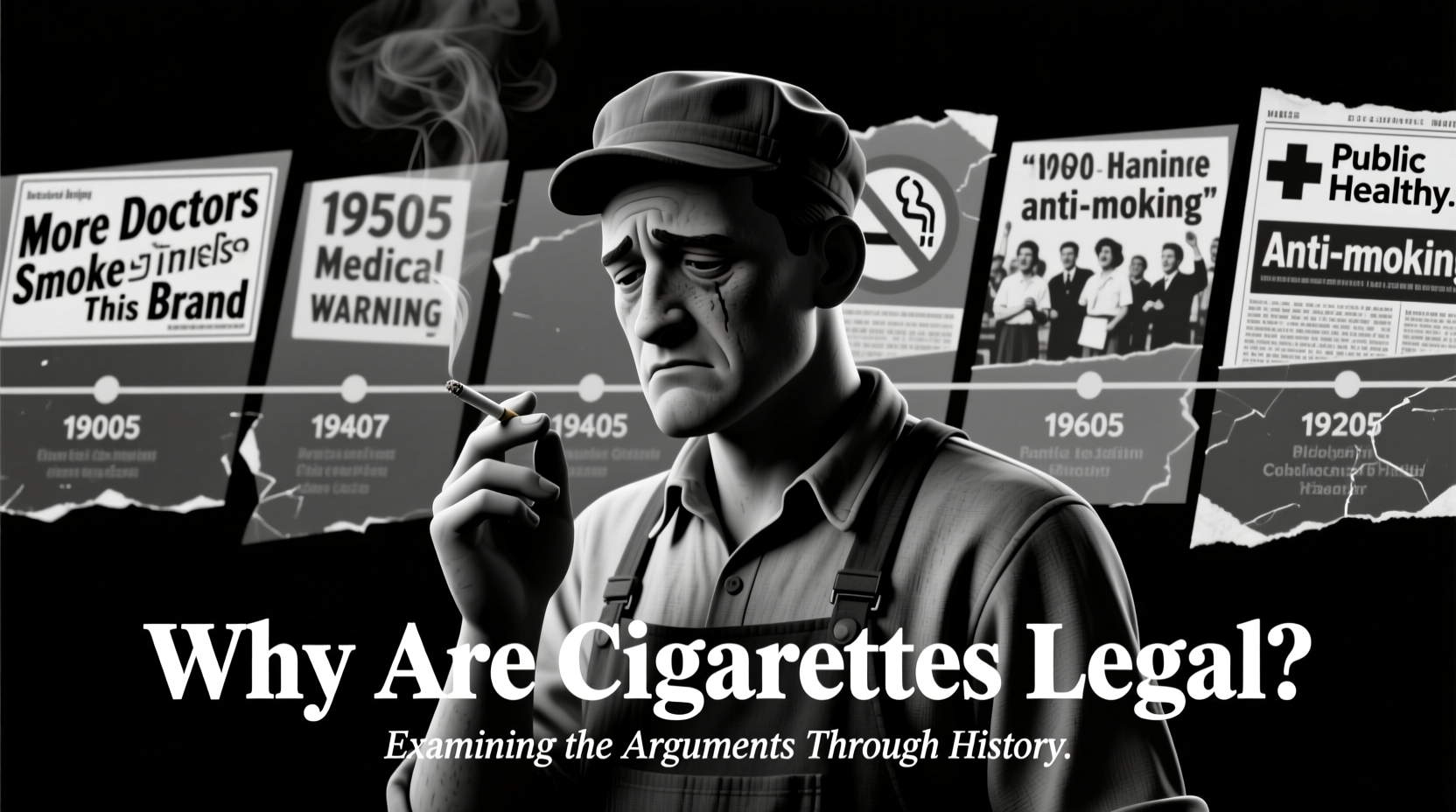
The story of tobacco begins long before modern cigarettes. Indigenous peoples in the Americas used tobacco ceremonially and medicinally for centuries. When European explorers arrived in the 15th century, they brought tobacco back to Europe, where it quickly gained popularity as a luxury item. By the 17th century, tobacco cultivation had become a cornerstone of colonial economies—especially in Virginia, where it was literally used as currency.
The industrial revolution transformed tobacco from a hand-rolled indulgence into a mass-produced product. In 1880, James Bonsack invented a cigarette-rolling machine capable of producing 200 cigarettes per minute, drastically reducing costs and increasing accessibility. By the early 20th century, cigarette consumption soared, aided by aggressive advertising and wartime distribution—soldiers received free cigarettes in rations during both World Wars.
It wasn’t until the mid-20th century that science began catching up with perception. Landmark studies in the 1950s and 1960s, including the British Doctors Study and the U.S. Surgeon General’s 1964 report, established a definitive link between smoking and lung cancer. Yet despite these revelations, outright prohibition never followed.
Economic Dependence and Tax Revenue
One of the most powerful reasons cigarettes remain legal is economic. Governments worldwide rely on tobacco taxation as a significant source of revenue. In the United States alone, federal and state excise taxes on tobacco generated over $14 billion in 2022. Many low- and middle-income countries also depend heavily on tobacco farming and exports.
Consider Malawi or Zimbabwe, where tens of thousands of livelihoods are tied to tobacco farming. A complete ban would trigger massive unemployment and economic disruption. Even in developed nations, abrupt prohibition could destabilize rural economies and tax structures.
| Country | Annual Tobacco Tax Revenue (USD) | Approximate Smokers (Millions) |
|---|---|---|
| United States | $14+ billion | 30.8 |
| China | $150+ billion | 300+ |
| India | $10+ billion | 100+ |
These figures illustrate why policymakers hesitate to eliminate such a lucrative—and entrenched—industry. As long as governments benefit financially, full prohibition remains politically unfeasible.
Regulation Over Prohibition: The Public Health Strategy
Rather than banning cigarettes, most governments have adopted a harm-reduction approach through regulation. Measures include:
- Age restrictions (e.g., raising the purchase age to 21)
- Bans on advertising, promotion, and sponsorship
- Mandatory health warnings on packaging
- Smoke-free public spaces
- Plain packaging laws (as seen in Australia and the UK)
This strategy acknowledges addiction while attempting to reduce initiation, especially among youth. According to the World Health Organization, comprehensive tobacco control policies have contributed to a global decline in smoking rates—from 22.7% of adults in 2007 to 17.5% in 2025 (projected).
“Prohibition often leads to black markets and unintended consequences. Smart regulation can reduce harm without fueling illicit trade.” — Dr. Margaret Chan, Former Director-General, WHO
The Role of Personal Freedom and Autonomy
A central argument for keeping cigarettes legal is individual liberty. In democratic societies, adults are generally allowed to make risky choices—skydiving, alcohol consumption, and even unhealthy eating—if they do not directly harm others. Smoking, while harmful to the smoker, falls into a gray area due to secondhand smoke exposure.
Still, many argue that competent adults should retain the right to choose, even if that choice carries health risks. Legal philosopher Joel Feinberg articulated this principle: “The only purpose for which power can be rightfully exercised over any member of a civilized community, against his will, is to prevent harm to others.” By this standard, regulating smoking in public spaces addresses external harm, but banning personal use exceeds justified state intervention.
Case Study: Bhutan’s Bold Experiment
In 2004, Bhutan became the first country to ban the sale and production of tobacco products entirely. Violators faced fines or jail time. While the move was lauded by global health advocates, enforcement proved difficult. A thriving black market emerged, and smuggling from India became widespread. In practice, the ban reduced visibility of smoking but did not eliminate usage.
By 2010, reports indicated that nearly 10% of Bhutanese still smoked regularly, often purchasing contraband cigarettes. The government eventually relaxed enforcement, focusing instead on education and cessation programs. Bhutan’s experience illustrates a key lesson: legality does not always correlate with effectiveness. Without robust support systems, bans can fail to change behavior and may disproportionately penalize low-income users.
Why Not Ban Cigarettes Like Other Drugs?
Cocaine, heroin, and methamphetamine are illegal in most countries due to high addiction potential and societal harm. Yet cigarettes—which kill more people annually than all illicit drugs combined—are treated differently. Several factors explain this disparity:
- Historical normalization: Cigarettes were legal and socially accepted long before their risks were known.
- Scale of use: With hundreds of millions of users globally, enforcement would require immense resources.
- Addiction infrastructure: Unlike harder drugs, nicotine is widely available and culturally embedded.
- Political lobbying: Tobacco companies have historically wielded significant influence over legislation.
Attempts to reclassify nicotine as a controlled substance have failed in most jurisdictions due to practicality concerns and resistance from civil liberties groups.
- Recognize the historical roots of tobacco use
- Assess economic dependencies on tobacco revenue
- Understand the balance between public health and personal freedom
- Examine the effectiveness of regulation vs. prohibition
- Consider real-world outcomes of attempted bans (e.g., Bhutan)
Frequently Asked Questions
Can governments legally ban cigarettes?
Yes, governments have the authority to ban substances deemed hazardous. However, doing so for cigarettes would face major legal, economic, and logistical challenges, including constitutional questions about personal liberty and the risk of creating large black markets.
Are there countries where cigarettes are completely banned?
No country has fully banned cigarette possession or personal use. Bhutan banned sales and production but allows limited personal importation with heavy taxation. Most nations regulate rather than prohibit.
If cigarettes are so dangerous, why aren’t they taxed out of existence?
While high taxes do reduce consumption, especially among youth, excessively high levies can encourage smuggling and illegal trade. There is a threshold beyond which increased taxation yields diminishing public health returns and creates new social problems.
Conclusion: A Complex Balance of Interests
The legality of cigarettes is not an oversight—it is the result of decades of negotiation between public health imperatives, economic realities, and philosophical principles of freedom. While the harms of smoking are undeniable, the path to meaningful change lies not in sudden prohibition, but in sustained, evidence-based policy: raising awareness, supporting cessation, restricting youth access, and investing in alternatives like vaping or nicotine replacement therapies.
Ultimately, the goal should not merely be to keep cigarettes legal or illegal, but to make them obsolete through education, innovation, and compassion. As society evolves, so too must our approach to one of its oldest and most persistent vices.




 浙公网安备
33010002000092号
浙公网安备
33010002000092号 浙B2-20120091-4
Comments
No comments yet. Why don't you start the discussion?