
The perception of beauty has long captivated philosophers, artists, scientists, and everyday individuals. When it comes to women, the idea that they are inherently beautiful transcends mere opinion—it is deeply rooted in evolutionary biology, psychological mechanisms, cultural narratives, and aesthetic principles. While beauty is subjective, certain patterns emerge across time and geography that help explain why female beauty is not only celebrated but also studied with scientific rigor. This article explores the multifaceted reasons behind the widespread admiration for female beauty, blending biological truths with cultural constructs.
The Evolutionary Roots of Female Beauty
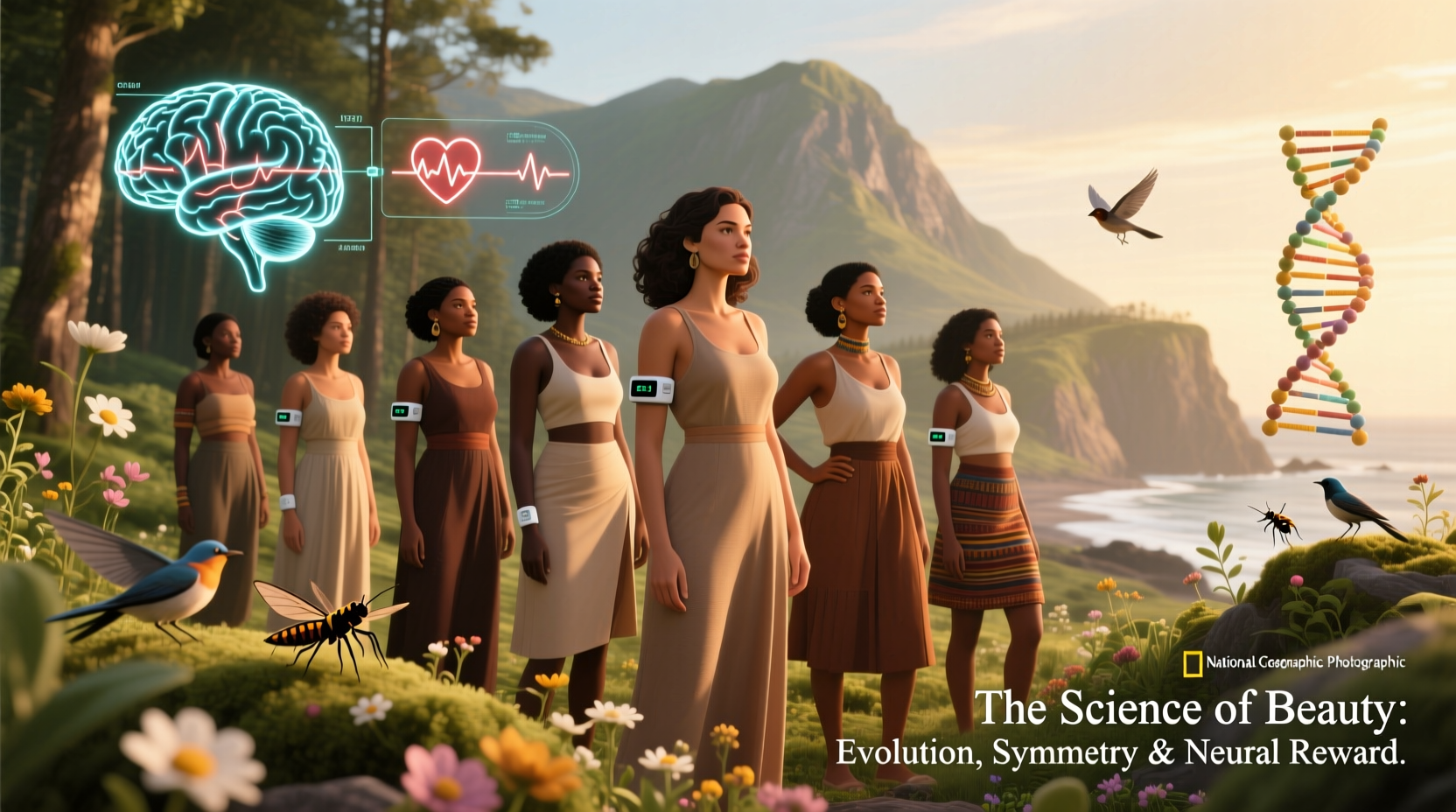
From an evolutionary standpoint, physical attractiveness serves as a signal of reproductive fitness. Traits commonly associated with female beauty—such as clear skin, symmetrical features, full lips, and lustrous hair—are not arbitrary preferences. They are indicators of health, hormonal balance, and genetic quality.
Symmetry, for instance, is linked to developmental stability. A face or body with balanced proportions suggests that the individual experienced minimal environmental stress or genetic mutations during growth. Studies show that people consistently rate symmetrical faces as more attractive, regardless of cultural background.
Hormonal markers also play a crucial role. Estrogen influences fat distribution, leading to a lower waist-to-hip ratio (WHR), which numerous studies identify as a cross-culturally preferred trait. A WHR around 0.7 is frequently cited as ideal because it correlates with fertility and lower risk of chronic disease.
“Facial symmetry and waist-to-hip ratio aren’t just cultural trends—they’re biological signals we’ve evolved to notice.” — Dr. Helen Fisher, Biological Anthropologist
Persuasive Psychology: How the Brain Perceives Beauty
The human brain processes beauty rapidly—within milliseconds. Neuroimaging studies reveal that viewing an attractive face activates the orbitofrontal cortex, a region tied to reward processing and emotional valuation. Essentially, perceiving beauty triggers a neurological response akin to pleasure.
This response isn't limited to men admiring women; both genders exhibit similar brain activity when evaluating attractiveness. However, social conditioning amplifies the focus on female beauty in media and interpersonal dynamics, reinforcing its prominence in public consciousness.
Psychologists also point to the \"halo effect\"—a cognitive bias where attractive individuals are unconsciously assumed to possess other positive traits such as intelligence, kindness, and competence. This phenomenon elevates not only how women are seen but how they may be treated in professional, social, and romantic contexts.
Cultural Ideals and Their Global Variations
While biology provides a foundation, culture shapes the specifics of what is deemed beautiful. In Western societies, tanned skin might symbolize leisure and vitality, whereas in parts of East Asia, fair skin has historically been prized as a sign of nobility and refinement. Similarly, body ideals vary: curvaceous figures are celebrated in some African cultures, while slenderness dominates fashion standards in many urban centers.
Media plays a powerful role in disseminating these ideals. The global reach of Hollywood, K-pop, and European fashion houses means that local standards increasingly blend—or clash—with international trends. Yet, even amid this diversity, certain elements persist: smooth skin, expressive eyes, and signs of youth remain nearly universal benchmarks.
| Feature | Biological Significance | Cultural Interpretation |
|---|---|---|
| Skin Clarity | Indicates absence of disease and hormonal balance | Symbol of purity and care in many Asian cultures |
| Facial Symmetry | Marker of genetic health and developmental stability | Universally preferred, often enhanced in portraiture |
| Full Lips | Sign of estrogen levels and hydration | Associated with sensuality in Western art |
| Long Hair | Demonstrates sustained health over time | Valued as feminine virtue in multiple traditions |
The Role of Art, Media, and Social Constructs
Throughout history, the female form has been a central motif in art, religion, and storytelling. From Venus figurines of the Paleolithic era to Renaissance paintings and modern cinema, women have been portrayed as muses, goddesses, and symbols of divine grace. These representations don’t merely reflect beauty—they shape it.
Contemporary media continues this tradition, though with greater complexity. Advertising, film, and social platforms amplify narrow beauty standards, often promoting unattainable ideals. Filters, photo editing, and curated lifestyles can distort reality, leading to unrealistic expectations and psychological strain.
Yet there’s a growing counter-movement. Body positivity, inclusive representation, and campaigns celebrating natural aging challenge outdated norms. Increasingly, beauty is being redefined—not as a fixed ideal, but as a diverse, dynamic expression of identity.
Mini Case Study: The Dove Real Beauty Campaign
In 2004, Dove launched its “Campaign for Real Beauty,” featuring women of various sizes, ethnicities, and ages—many without makeup. The initiative disrupted conventional advertising by questioning who gets labeled “beautiful.” Sales increased by over $1 billion in the first decade, proving that authenticity resonates with consumers.
The campaign didn’t just boost profits; it sparked global conversations about self-worth and inclusivity. It demonstrated that when beauty standards broaden, so does public engagement. Women reported higher self-esteem when seeing relatable images, underscoring the power of representation.
Modern Science and the Future of Beauty Perception
Today, researchers use tools like facial recognition algorithms and eye-tracking technology to study beauty with unprecedented precision. Machine learning models trained on thousands of faces can now predict attractiveness ratings with high accuracy, based on symmetry, contrast, and proportion.
Interestingly, these models often align with human judgments, suggesting shared perceptual frameworks. But they also expose biases—such as favoring lighter skin or specific nose shapes—highlighting how societal prejudices become embedded in both human and artificial systems.
As science advances, so too does our understanding of beauty as a blend of nature and nurture. Epigenetics, for example, shows how environment and lifestyle affect gene expression, influencing appearance over time. Nutrition, sleep, and stress management all contribute to how radiant or weary someone appears—factors within personal control.
Checklist: Cultivating Inner and Outer Radiance
- Stay hydrated to maintain skin elasticity and clarity
- Prioritize sleep to reduce puffiness and support cell regeneration
- Engage in regular exercise to improve circulation and posture
- Practice mindfulness to reduce stress-related aging signs
- Embrace skincare routines suited to your skin type
- Seek diverse representations of beauty to expand your own perceptions
- Nurture self-confidence—authentic presence enhances perceived attractiveness
Frequently Asked Questions
Is beauty entirely objective or completely subjective?
Beauty lies at the intersection of both. While biological cues like symmetry and skin tone have near-universal appeal, personal and cultural preferences shape individual tastes. One person’s ideal may differ significantly from another’s, yet common threads persist across populations.
Can someone become more attractive over time?
Absolutely. While genetics set baseline features, lifestyle choices profoundly impact appearance. Confidence, grooming, emotional well-being, and healthy habits can enhance attractiveness at any age. Moreover, familiarity and emotional connection often deepen perceived beauty in relationships.
Does society place unfair pressure on women to be beautiful?
Historically and globally, yes. Women have faced disproportionate scrutiny regarding appearance, affecting mental health and opportunities. However, increasing awareness and advocacy are shifting norms toward equity, emphasizing character and capability alongside looks.
Conclusion: Redefining Beauty Beyond the Surface
The question of why females are perceived as beautiful cannot be answered solely through biology or culture—it requires both. Evolution has wired us to respond to certain cues, but society amplifies, distorts, and sometimes liberates those instincts. True beauty extends beyond facial features or body shape; it resides in expression, movement, voice, and presence.
Recognizing the science behind attraction empowers us to appreciate beauty with greater depth and less judgment. It invites us to celebrate diversity, challenge stereotypes, and cultivate self-respect grounded in health rather than comparison.




 浙公网安备
33010002000092号
浙公网安备
33010002000092号 浙B2-20120091-4
Comments
No comments yet. Why don't you start the discussion?