
Walking down a quiet suburban street or driving past a government building, you may have noticed the American flag fluttering in the breeze. You might wonder: Why are flags flying today? Is it a holiday? A memorial day? Or simply routine protocol? The display of the U.S. flag is not random—it follows a structured system of observances, proclamations, and traditions that reflect the nation’s values, history, and moments of unity. Understanding when and why the flag flies provides insight into civic life and national identity.
The United States Flag Code, established by Congress and maintained through executive orders and federal guidelines, governs how and when the flag should be displayed. While many assume the flag flies every day, there are specific days when its presence carries added significance—days of celebration, mourning, or recognition. Knowing these distinctions helps citizens engage more meaningfully with national events and honors those who serve and sacrifice.
National Observances That Prompt Flag Display
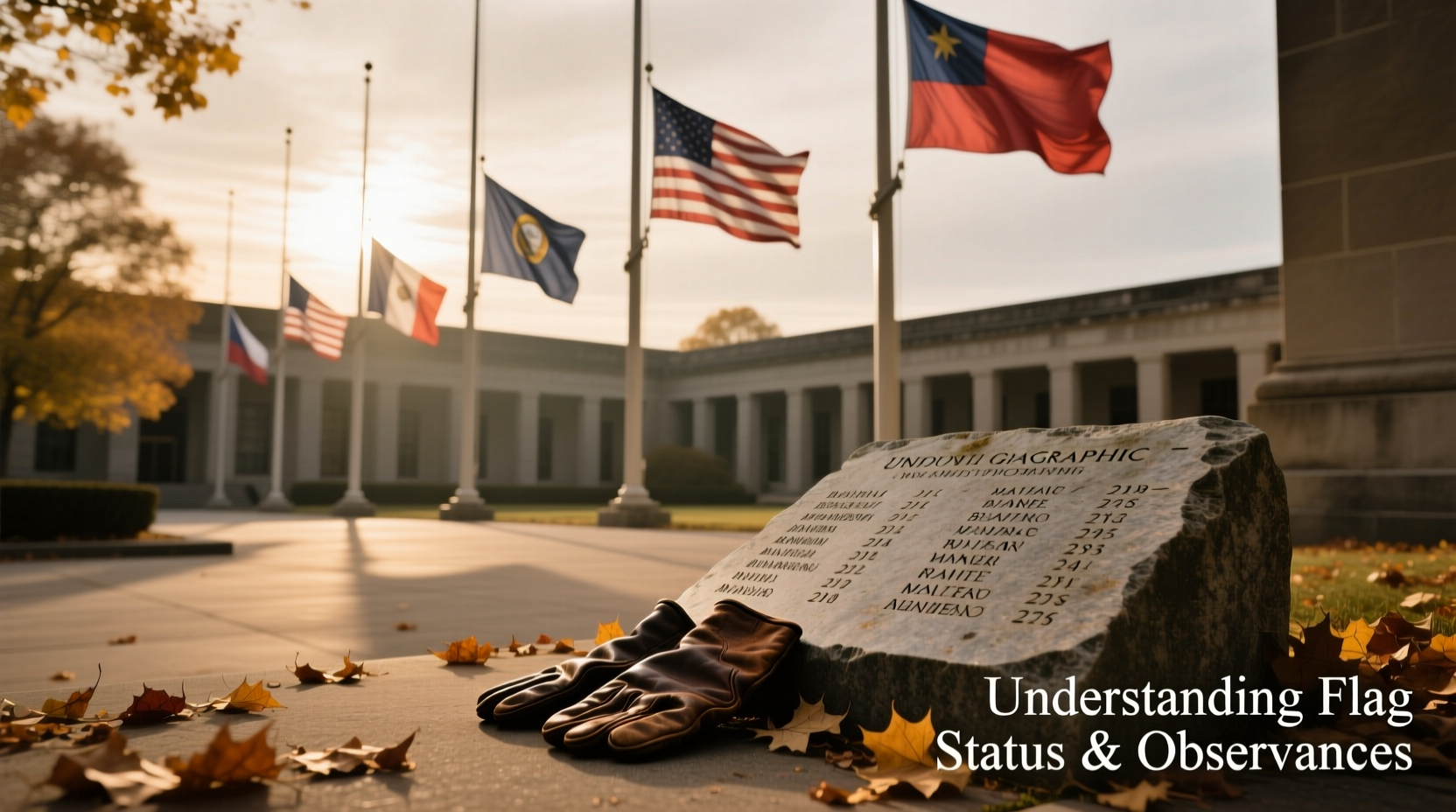
The U.S. flag is typically flown daily at federal installations, military bases, and many private homes. However, certain dates trigger formal directives for widespread display, often accompanied by presidential proclamations. These include:
- New Year’s Day (January 1) – Marks the beginning of the calendar year with a symbol of national continuity.
- Birthday of Martin Luther King Jr. (Third Monday in January) – Honors civil rights leadership and advocacy.
- Presidents’ Day (Third Monday in February) – Commemorates George Washington, Abraham Lincoln, and all U.S. presidents.
- Memorial Day (Last Monday in May) – Flags fly at half-staff until noon, then raised to full staff to honor fallen service members.
- Independence Day (July 4) – One of the most prominent flag-flying days, celebrating the nation’s founding.
- Labor Day (First Monday in September) – Recognizes the contributions of American workers.
- Veterans Day (November 11) – Honors all military veterans with full-staff display.
- Christmas Day (December 25) – Symbolizes peace, reflection, and national unity during the holiday season.
On these days, the President of the United States often issues a proclamation encouraging citizens to display the flag. Federal buildings automatically comply, but state and local governments, schools, and individuals also participate as a sign of patriotism and civic engagement.
Flag Status During Times of Mourning
One of the most visible uses of flag symbolism occurs during periods of national grief. When a sitting or former president, vice president, Supreme Court justice, or high-ranking military official passes away, the flag is flown at half-staff as a mark of respect. This directive usually comes from a presidential proclamation and lasts for a specified number of days—for example, 30 days for a current or former president.
Moments of tragedy also prompt temporary half-staff observances. After mass shootings, natural disasters, or terrorist attacks, the President may order flags lowered across the country. For instance, following the 9/11 attacks, flags flew at half-staff for an extended period. Similarly, after the Sandy Hook Elementary School shooting in 2012, a seven-day mourning period was declared.
“Flying the flag at half-staff is one of the most solemn traditions in American civic life. It reminds us that even in unity, we carry loss together.” — Dr. Rebecca Langford, Historian of American Symbols
It's important to note that on Memorial Day, the flag follows a unique ritual: it begins at half-staff to honor the dead, then is raised to full height at noon to symbolize living veterans and national resilience.
How to Verify Today’s Flag Status
If you're unsure whether flags should be flying—or at what height—you can consult several reliable sources:
- WhiteHouse.gov Proclamations: The official site publishes all presidential proclamations related to flag observances.
- U.S. Code Title 4, Chapter 1: Outlines legal guidelines for flag display, including designated national holidays.
- Federal Agency Websites: The Department of Defense, General Services Administration (GSA), and National Park Service often post updates.
- Local Government Pages: May issue additional guidance for municipal buildings and public spaces.
- News Alerts: Major news outlets report when the President orders flags lowered after a national tragedy.
A growing number of websites and apps now offer real-time flag status updates, sending notifications when changes occur. Some communities even maintain digital calendars that sync with federal observances.
Common Misunderstandings About Flag Etiquette
Despite widespread familiarity with the American flag, misconceptions persist about proper display. Below is a comparison of common do’s and don’ts:
| Do’s | Don’ts |
|---|---|
| Fly the flag from sunrise to sunset unless illuminated at night. | Leave the flag out overnight without proper lighting. |
| Raise the flag briskly and lower it slowly and ceremoniously. | Let the flag touch the ground or water. |
| Display the flag during inclement weather only if made of all-weather material. | Expose a standard fabric flag to rain or snow unprotected. |
| Lower to half-staff only under official proclamation or on designated days. | Arbitrarily fly the flag at half-staff to express personal sorrow. |
| Retire worn flags respectfully, preferably by ceremonial burning. | Discard old flags in the trash or reuse them decoratively. |
Understanding these rules ensures that the flag is treated with dignity and in accordance with long-standing tradition.
Real Example: A Community Responds to Tragedy
In early 2023, a small town in Colorado lost three firefighters in a wildfire. Within hours, the governor issued a proclamation ordering all state-owned buildings to fly the flag at half-staff for five days. The mayor followed suit, coordinating with schools and fire departments to ensure uniformity. Residents began displaying their own flags at half-staff, some attaching black ribbons as a sign of mourning.
At the community memorial, a full honor guard raised the flag to full staff at noon on the final day, symbolizing enduring courage. Local officials credited the shared visual language of the flag with helping residents process grief collectively. “We didn’t need words,” said one attendee. “Seeing every house with a lowered flag told us we weren’t alone.”
Step-by-Step Guide to Proper Flag Display
Whether you’re observing a national holiday or honoring a personal loss, follow this sequence to display the flag correctly:
- Check official sources for current flag status (e.g., White House proclamation).
- Select a suitable flagpole that allows clear visibility and secure mounting.
- Inspect the flag for tears, fading, or soiling; retire damaged flags respectfully.
- Raise the flag briskly to full height if flying at full staff.
- To fly at half-staff, raise the flag to the peak first, then lower it to mid-pole. Never leave it at half-staff from the start.
- Maintain the display throughout the day, ensuring it does not become entangled or touch the ground.
- Lower the flag slowly at sunset, folding it into a triangle as per tradition.
- Store the flag in a clean, dry place, preferably in a protective case or cloth.
FAQ
Why are flags sometimes flown at half-staff for non-government figures?
While the Flag Code primarily designates half-staff status for government officials, the President may extend the honor to civilians who have made exceptional contributions—such as astronauts, civil rights leaders, or victims of national tragedies.
Can I fly the flag on non-official days?
Absolutely. The Flag Code encourages private citizens to display the flag on any day they wish, provided it’s done respectfully. Many families fly the flag on birthdays of veterans, anniversaries of service, or personal milestones.
What should I do if I see a flag being flown incorrectly?
Address the situation politely. If it’s a neighbor, consider sharing educational resources. For public displays, contact the managing authority—such as a city office or school district—with a respectful inquiry.
Conclusion
The sight of the American flag flying overhead is more than a decorative gesture—it’s a dynamic form of communication rooted in law, history, and collective memory. Whether marking Independence Day, honoring a fallen hero, or uniting in grief, the flag serves as a silent yet powerful expression of national sentiment. By understanding why flags are flying today, citizens participate more fully in the rhythm of civic life.




 浙公网安备
33010002000092号
浙公网安备
33010002000092号 浙B2-20120091-4
Comments
No comments yet. Why don't you start the discussion?