
In today’s digital landscape, visibility and engagement are critical for any brand aiming to grow its online presence. While many marketers focus on keywords, backlinks, and paid advertising, one often underutilized yet powerful tool is the humble hashtag. From HubSpot’s data-driven marketing standpoint, hashtags are far more than social media decoration—they serve as strategic instruments that enhance discoverability, amplify reach, and support inbound content strategies. When used effectively, hashtags can turn isolated posts into interconnected conversations, helping brands attract the right audience at the right time.
The Strategic Role of Hashtags in Inbound Marketing
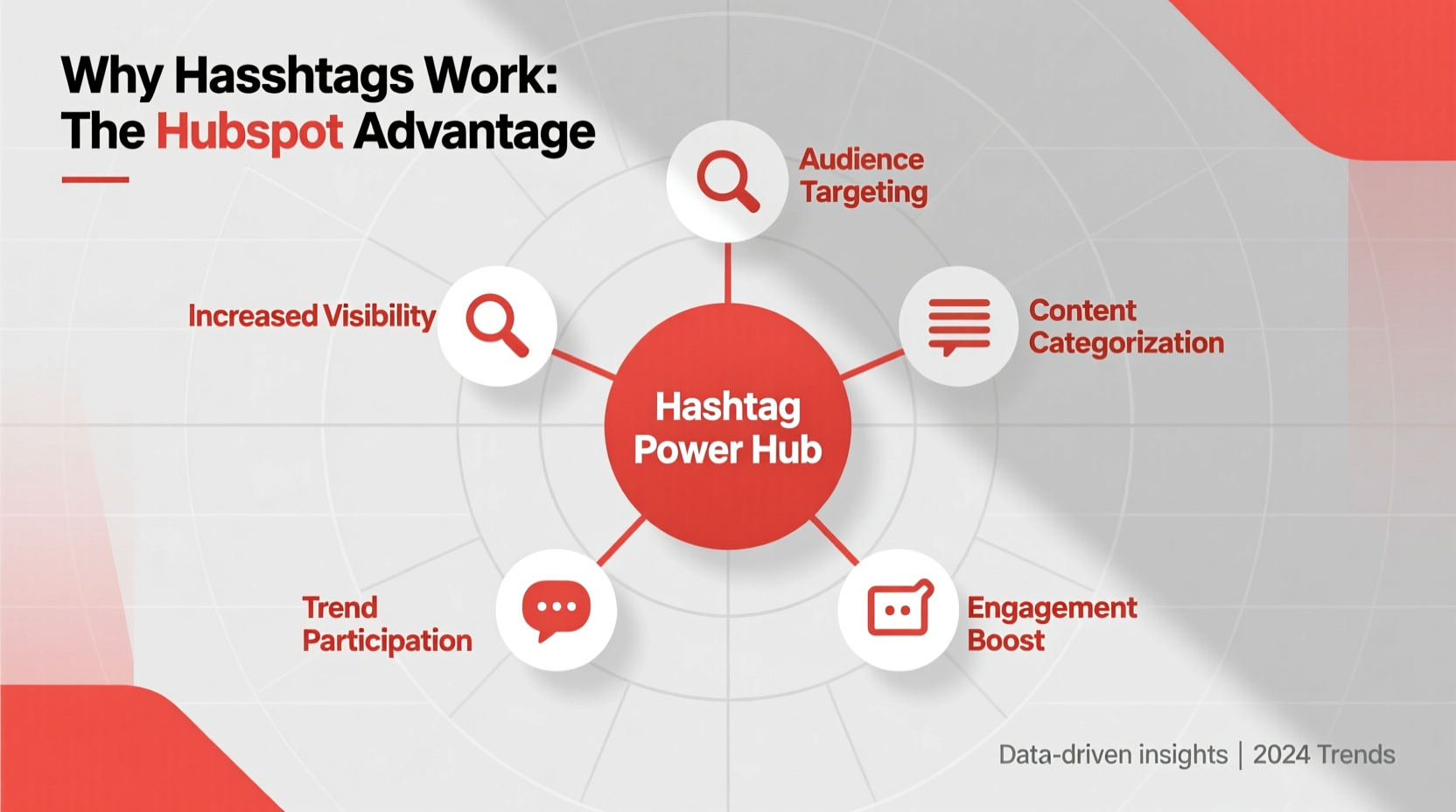
HubSpot, a leader in inbound marketing methodology, emphasizes attracting customers through valuable content rather than interruptive advertising. Hashtags align perfectly with this philosophy by acting as digital signposts that guide users to relevant content. On platforms like Instagram, Twitter (X), LinkedIn, and even Facebook, hashtags categorize content, making it easier for users to find topics they care about.
For example, a blog post shared on LinkedIn about “content optimization” gains significantly more traction when paired with tags like #ContentMarketing or #SEOStrategy. These tags don’t just add flair—they increase the likelihood that professionals searching for those terms will encounter the content organically.
How Hashtags Improve Content Discoverability
Searchability is one of the most underrated functions of hashtags. Unlike traditional search engines, social networks rely heavily on user behavior and metadata to surface content. Hashtags provide structured metadata that algorithms can interpret, improving how and where your content appears.
HubSpot’s research shows that tweets with hashtags receive **twice as much engagement** as those without. Similarly, Instagram posts using at least one hashtag see a notable increase in impressions. This isn't coincidental—it reflects how hashtags function as mini-SEO tools within social ecosystems.
Moreover, branded hashtags (e.g., #HubSpotTips) allow companies to create a unique content ecosystem. Followers who engage with these tags become part of a community, increasing brand loyalty and providing valuable user-generated content.
Benefits of Hashtags According to HubSpot’s Framework
From HubSpot’s holistic marketing approach, hashtags deliver value across multiple dimensions:
- Increased Reach: Hashtags expose content to audiences beyond existing followers.
- Better Audience Targeting: Niche hashtags help connect with specific buyer personas.
- Content Organization: Teams can track campaigns and measure performance using consistent tagging.
- Lead Generation Support: Educational content tagged appropriately draws in early-stage buyers.
- Social Listening Opportunities: Monitoring hashtags reveals customer sentiment and industry trends.
“Hashtags are not just for influencers. They’re essential for any business trying to be found in the noise of social feeds.” — Kipp Bodnar, CMO at HubSpot
Best Practices for Using Hashtags Effectively
To maximize the impact of hashtags, follow a structured approach grounded in HubSpot’s emphasis on alignment between sales, marketing, and service teams. Here’s a step-by-step guide to integrating hashtags into your content strategy:
- Research Industry-Relevant Tags: Use tools like HubSpot’s Social Media Tool or free options like Hashtagify to identify high-performing, low-competition hashtags.
- Create a Branded Hashtag: Develop a unique tag tied to your company, campaign, or value proposition (e.g., #GrowBetter).
- Segment by Platform: Tailor hashtag use to each network—LinkedIn favors professional tags (#DigitalTransformation), while Instagram leans toward visual storytelling (#MarketingDesign).
- Monitor Performance: Track engagement metrics (likes, shares, profile visits) associated with specific hashtags.
- Encourage Employee Advocacy: Empower team members to use company hashtags when sharing content, amplifying organic reach.
| Platform | Recommended Hashtag Count | Top-Performing Types |
|---|---|---|
| 5–10 | #MarketingTips, #SmallBusiness, #ContentCreation | |
| Twitter (X) | 1–2 | #InboundMarketing, #SEO, #TechNews |
| 3–5 | #Leadership, #CustomerExperience, #GrowthMarketing | |
| 1–3 | #EntrepreneurLife, #MarketingStrategy, #RemoteWork |
Real-World Example: HubSpot’s #Inbound Success
One of the most compelling demonstrations of hashtag effectiveness is HubSpot’s long-term use of #Inbound. What began as a tag for conference attendees has evolved into a global movement representing customer-centric marketing principles.
Today, #Inbound is used across thousands of posts annually by marketers, entrepreneurs, and educators. HubSpot leverages this tag to curate content, promote events, and reinforce thought leadership. By consistently associating their brand with this term, they’ve achieved top-of-mind awareness in the marketing space—without relying solely on paid promotion.
This case illustrates how a well-managed hashtag becomes more than a label; it becomes a brand asset. The #Inbound community generates content, asks questions, and shares insights—all while reinforcing HubSpot’s authority in the field.
Common Hashtag Mistakes to Avoid
Even with good intentions, poor hashtag practices can dilute your message or damage credibility. Here are key pitfalls based on HubSpot’s content audits:
- Overloading posts: More than 10 hashtags on non-Instagram platforms appears desperate.
- Using irrelevant trending tags: Hijacking unrelated viral hashtags confuses algorithms and audiences.
- Ignoring analytics: Failing to review which tags drive traffic means missed optimization opportunities.
- Not customizing by platform: Repeating the exact same set of hashtags everywhere reduces engagement.
Frequently Asked Questions
Do hashtags improve SEO?
Directly, no—search engines like Google don’t index social hashtags as ranking factors. However, hashtags boost content visibility on social platforms, leading to increased traffic, shares, and potential backlinks, all of which support SEO indirectly.
Should B2B companies use hashtags?
Absolutely. B2B audiences are active on LinkedIn and Twitter, where hashtags like #SaaS, #ABM, or #SalesEnablement help professionals discover educational content. HubSpot’s own success with #MarketingAutomation proves their B2B value.
How do I create a successful branded hashtag?
Keep it short, memorable, and aligned with your mission. Test it internally first, ensure it’s not already in use, and promote it across email signatures, social bios, and campaigns.
Conclusion: Turn Hashtags Into Strategic Tools
From HubSpot’s perspective, hashtags are not fleeting trends but integral components of a modern content strategy. They bridge the gap between creation and discovery, enabling businesses to pull in interested audiences rather than push messages outward. Whether you're launching a new product, hosting a webinar, or publishing a blog, the right hashtags ensure your content doesn’t get lost in the feed.
The key lies in intentionality—choosing tags that reflect your audience’s language, monitoring their performance, and evolving your approach based on real data. As HubSpot continues to advocate for smarter, human-centered marketing, hashtags remain a simple yet potent way to connect, engage, and grow.




 浙公网安备
33010002000092号
浙公网安备
33010002000092号 浙B2-20120091-4
Comments
No comments yet. Why don't you start the discussion?