
In recent years, the traditional Christmas tree has evolved from a simple centerpiece adorned with lights and ornaments into a sophisticated, multi-sensory experience. One of the most notable advancements in holiday decor is the integration of hidden speaker systems directly into artificial Christmas trees. No longer limited to external sound sources like portable Bluetooth speakers or home theater setups, families are now embedding high-quality audio technology within the very structure of their trees. This shift reflects broader trends in smart home integration, minimalist design, and immersive holiday experiences. But what exactly is driving this trend? And how does it enhance — or complicate — the way we celebrate the season?
The Rise of Immersive Holiday Experiences
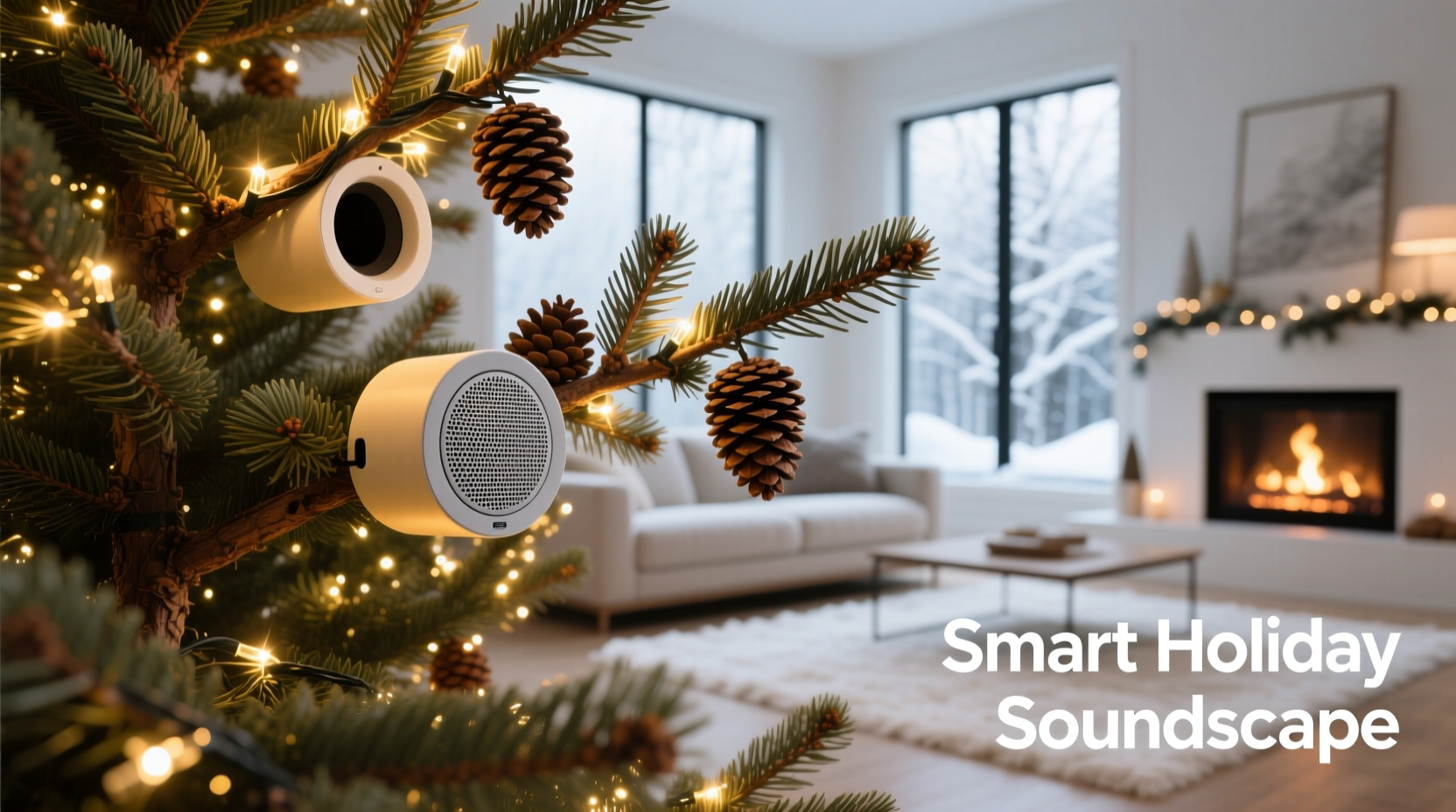
Holiday traditions are no longer confined to visual appeal alone. Homeowners and event designers alike are seeking ways to create emotionally resonant environments that engage multiple senses. The addition of music, nature sounds, or even narrated stories transforms a static display into a dynamic atmosphere. Hidden speakers in Christmas trees allow for spatially accurate, ambient audio that feels as though carols are emanating naturally from the tree itself.
This approach mimics professional installations seen in luxury hotels, shopping malls, and public displays, where synchronized lighting and directional sound create a cohesive sensory environment. As consumers gain access to similar technology at home, the demand for integrated solutions grows. A tree that plays “Silent Night” not from a corner speaker but seemingly from its own branches creates a more magical, believable illusion.
Design and Aesthetic Benefits of Concealed Audio
One of the primary reasons for concealing speakers in Christmas trees is aesthetics. Traditional audio setups often require visible components — wires, speaker grilles, stands, or bulky units — that disrupt the visual harmony of a decorated tree. In contrast, built-in speakers eliminate clutter, preserving the clean lines and fullness of the tree’s silhouette.
Manufacturers embed small drivers within the central pole or trunk of pre-lit artificial trees, routing wiring through internal channels. Speaker baffles are disguised under foliage or behind decorative elements, making them nearly invisible once the tree is fully decorated. This seamless integration aligns with modern interior design principles that favor minimalism and intentional concealment of technology.
Moreover, because the speakers are designed specifically for the tree’s structure, acoustics can be tuned to project sound outward in a 360-degree pattern, avoiding hotspots or dead zones common with off-the-shelf speakers placed on shelves or tables.
How Hidden Tree Speakers Work: Technology Behind the Magic
Hidden speaker systems in Christmas trees typically use compact full-range drivers mounted inside the central support pole. These drivers are connected to an amplifier and audio input module, which may support Bluetooth, AUX, or Wi-Fi streaming via apps like Spotify or Apple Music. Some premium models even include voice assistants such as Alexa or Google Assistant, allowing users to control music, lights, and smart home devices directly from the tree.
The internal architecture of these trees is engineered to accommodate both structural integrity and acoustic performance. Materials used in the pole — often reinforced ABS plastic or aluminum — are selected not only for strength but also for resonance control. Acoustic dampening materials may line the interior to reduce distortion and enhance clarity.
Audio distribution is carefully calibrated. Instead of relying on a single speaker, some systems use multiple drivers spaced vertically along the trunk to create layered sound dispersion. This vertical array mimics natural sound fields, producing a richer, more enveloping listening experience.
“Integrating audio into the tree isn’t just about convenience — it’s about redefining the emotional impact of holiday spaces. When sound comes from where the lights are, the brain perceives unity.” — Dr. Lena Pruitt, Acoustic Environment Designer
Practical Advantages Over External Speakers
Beyond aesthetics and immersion, hidden speaker systems offer tangible practical benefits:
- Space-saving: Eliminates the need for additional furniture or floor space to house external speakers.
- Simplified setup: Wiring is pre-installed; users only need to plug in the tree and connect via Bluetooth or app.
- Cable management: Power and audio cables run internally, reducing tripping hazards and improving safety, especially in homes with children or pets.
- Weather resistance (for outdoor models): Some commercial-grade trees with built-in speakers are rated for outdoor use, with sealed components protecting against moisture and temperature fluctuations.
- Sync capabilities: Many systems allow synchronization between audio output and LED lighting effects, creating choreographed holiday displays without third-party controllers.
| Feature | Hidden Tree Speakers | External Portable Speakers |
|---|---|---|
| Visibility | Completely concealed | Visible, may clash with decor |
| Sound Direction | Omni-directional, centered on tree | Directional, limited coverage |
| Setup Time | Minimal (plug-and-play) | Moderate (placement, pairing) |
| Integration with Lights | Often synchronized | Requires separate software/hardware |
| Long-Term Storage | All-in-one unit | Multiple components to store |
Step-by-Step: Installing and Using a Tree with Built-In Speakers
For those considering upgrading to a tree with embedded audio, here’s a practical guide to ensure smooth setup and optimal performance:
- Unpack and inspect: Carefully remove all sections of the tree, checking for any damage to branches, lights, or the central pole. Confirm that the speaker compartment is intact.
- Assemble the base and trunk: Attach the bottom section to the stand, then stack upper segments. Ensure internal wiring connectors are properly aligned and seated.
- Fluff and position branches: Arrange limbs evenly, taking care not to crush or block potential speaker vents near the midsection or top of the trunk.
- Connect power and test audio: Plug the tree into a grounded outlet. Turn on the system and use the included remote or app to activate the speaker. Play a test track to verify sound quality and balance.
- Pair your device: Enable Bluetooth on your smartphone or tablet and select the tree’s audio module from the list of available devices.
- Customize settings: Adjust volume, equalizer presets, and light-audio sync modes according to your preference and room size.
- Decorate thoughtfully: Avoid packing heavy ornaments or tinsel too densely around the trunk, which could muffle sound. Use lighter decorations near the center.
Real-World Example: A Family’s First Smart Tree Experience
The Thompson family in Portland, Oregon, replaced their decade-old artificial tree with a new model featuring built-in speakers and app-controlled lighting for the 2023 holiday season. Initially skeptical about the added cost, they quickly appreciated the difference during their first gathering.
Instead of placing a speaker on a side table — where sound felt disconnected from the visual focus of the tree — they streamed a playlist of classic carols directly through the tree’s system. Guests remarked how the music seemed to “dance” with the twinkling lights, enhancing the cozy ambiance. Younger relatives used voice commands to switch between playlists, while older family members enjoyed the lack of tangled wires.
By Christmas Eve, the tree had become the heart of the home, not just visually but sonically. The parents noted that even after the holidays, they continued using the speaker for morning news briefings and evening relaxation playlists, making the investment feel justified beyond seasonal use.
Considerations and Limitations
While the benefits are compelling, hidden speaker systems aren’t without trade-offs:
- Cost: Trees with integrated audio can cost 30–50% more than standard models.
- Repair complexity: If a speaker fails, repairs may require disassembling the tree or sending it back to the manufacturer.
- Sound fidelity: While adequate for background music, most built-in systems don’t match the audio quality of dedicated high-end speakers.
- Upgrade limitations: Unlike standalone audio gear, you can’t easily upgrade the speakers without replacing the entire tree.
For audiophiles or those with large living spaces, supplementing the built-in system with discreet satellite speakers may be necessary for full coverage. However, for most households, the convenience and cohesion outweigh these limitations.
Checklist: Choosing the Right Tree with Hidden Speakers
Before purchasing, use this checklist to ensure you select a model that meets your needs:
- ✅ Confirmed Bluetooth 5.0 or higher for stable connectivity
- ✅ Independent controls for lights and audio
- ✅ At least two internal drivers for balanced sound
- ✅ Compatibility with major streaming platforms (Spotify, Apple Music, etc.)
- ✅ Internal cable routing for clean setup
- ✅ User-replaceable fuses or modular electronics for easier maintenance
- ✅ Warranty covering both lighting and audio components
Frequently Asked Questions
Can I still use my own speaker system with a tree that has built-in audio?
Yes. Most trees with hidden speakers function as Bluetooth receivers, meaning you can choose whether to use the internal system or continue using external speakers. You’re not locked into one option.
Are these trees safe to use around children and pets?
Absolutely. All electrical components, including speakers and wiring, are enclosed within insulated, non-conductive housings. The low-voltage systems used are comparable in safety to standard pre-lit trees. Just ensure the base remains stable and cords are secured.
Do I need technical skills to set up a tree with hidden speakers?
No. These trees are designed for consumer use and require no special tools or knowledge. Pairing with a mobile device works the same way as connecting to wireless headphones. Setup typically takes under 30 minutes.
Conclusion: The Future of Festive Design Is Integrated
The move toward hidden speaker systems in Christmas trees reflects a broader cultural shift — one where technology blends quietly into our lives, enhancing rather than interrupting moments of joy. It’s not just about playing music; it’s about creating environments where tradition and innovation coexist harmoniously.
As smart homes become the norm and consumers seek more personalized, immersive experiences, the Christmas tree is evolving into a true multimedia centerpiece. Whether you're drawn to cleaner aesthetics, easier setup, or deeper emotional engagement during the holidays, a tree with built-in audio offers a compelling upgrade path.




 浙公网安备
33010002000092号
浙公网安备
33010002000092号 浙B2-20120091-4
Comments
No comments yet. Why don't you start the discussion?