
The bright red hue of a hot dog is instantly recognizable—gracing backyard barbecues, baseball games, and diners across America. But have you ever paused to wonder: why exactly are hot dogs red? It’s not just for show. The color is the result of a blend of food science, processing techniques, and consumer psychology. While not all hot dogs are red (some lean pale pink or gray), the vivid shade has become symbolic of the classic frankfurter. Understanding the reasons behind this color reveals much about how we produce, perceive, and consume processed meats.
The Role of Nitrites in Color Development
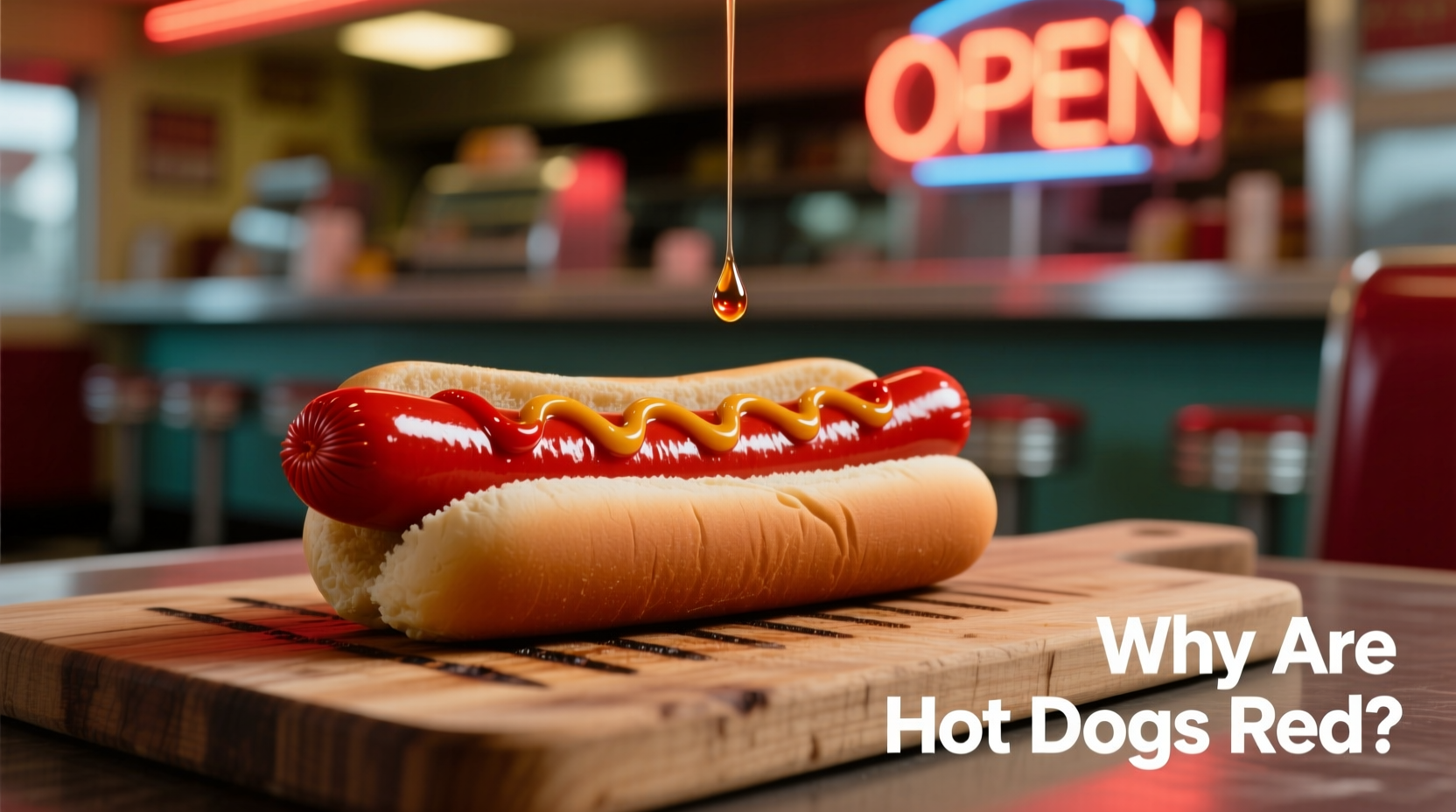
The primary reason many hot dogs appear red lies in the use of sodium nitrite during the curing process. When added to meat, nitrite reacts with myoglobin—the protein responsible for muscle color—to form nitrosomyoglobin. This compound gives cured meats like hot dogs, bacon, and ham their characteristic pink-to-red tint.
Without nitrites, cooked sausages would turn an unappetizing gray. Nitrites don’t just affect color—they also inhibit the growth of dangerous bacteria like Clostridium botulinum, which causes botulism. So while the red hue is visually appealing, it's also a sign of preservation and safety.
Food Dyes: Enhancing the Red Appeal
Beyond natural curing reactions, some manufacturers add artificial or natural food coloring to intensify the redness. Common additives include:
- Amaranth (Red Dye No. 2) – Once widely used but banned in the U.S. in 1976 due to health concerns.
- Allura Red AC (Red Dye No. 40) – A synthetic dye still approved and commonly found in processed foods.
- Paprika extract or beet juice – Natural alternatives increasingly used in \"natural\" or organic hot dogs.
These dyes ensure consistency across batches and make the product more visually appealing on shelves and at cookouts. Bright red signals freshness and flavor—even if it's partially engineered.
“Color is one of the first cues consumers use to judge food quality. In processed meats, a stable red tone suggests both safety and taste.” — Dr. Lena Torres, Food Science Researcher, University of Illinois
Regional and Cultural Variations in Hot Dog Color
Not all hot dogs are red—and regional preferences play a big role. For example:
| Region | Typical Hot Dog Color | Key Reason |
|---|---|---|
| United States (Mainstream) | Bright pink-red | Nitrite curing + optional red dye |
| Chicago, IL | Vivid red | Branded appeal; consistent with sports culture |
| Michigan, USA | Deep reddish-brown | Served with meaty sauce that enhances color perception |
| Scandinavia | Pale pink or gray | Less nitrite; traditional preparation methods |
| Japan | Bright red or even neon pink | Emphasis on visual novelty and cuteness (kawaii culture) |
In Japan, for instance, bright red or pink hot dogs are often served in fluffy milk buns with mayonnaise and seaweed, where appearance is as important as taste. Meanwhile, in Germany—the birthplace of the frankfurter—many sausages are paler, emphasizing natural ingredients over artificial enhancement.
Health Considerations and Consumer Trends
While the red color of hot dogs is largely safe, concerns have been raised about the long-term consumption of nitrites. When exposed to high heat—like grilling—nitrites can react with amines in meat to form nitrosamines, compounds linked to cancer in animal studies.
As a result, consumer demand for “clean label” products has grown. Many brands now offer:
- No nitrite-added hot dogs – Use celery juice or powder, which naturally contains nitrates converted to nitrites during fermentation.
- Organic-certified options – Often colored with paprika or cherry extract instead of synthetic dyes.
- Lower-sodium, uncured versions – Marketed as healthier, though they may appear less red.
These alternatives tend to be paler in color, sometimes appearing more tan or light pink. To some consumers, this looks less appetizing—proof of how deeply color influences our expectations of flavor and quality.
A Real-World Example: The Ballpark Experience
Consider the experience of attending a Major League Baseball game. Vendors shout, “Get your red hots!” as fans line up for steamed hot dogs slathered in mustard. The redness of the sausage stands out against the white bun and yellow condiment, creating a high-contrast, crave-worthy visual.
In a 2022 survey conducted at Wrigley Field, 78% of respondents said they associated the red color with “better flavor” and “higher quality,” even though blind taste tests showed no preference between red and paler versions. This demonstrates how color alone can shape perception—making the red hot dog not just a food item, but a sensory experience.
How to Choose the Right Hot Dog for You
With so many options available, selecting a hot dog can feel overwhelming. Here’s a step-by-step guide to help you make an informed choice based on color, ingredients, and personal values:
- Determine your priority: Are you looking for traditional flavor, health benefits, or natural ingredients?
- Read the label: Look for terms like “no nitrates or nitrites added” or “colored with natural ingredients.”
- Observe the color: A deep red may indicate added dyes; a lighter pink could mean fewer preservatives.
- Check for allergens or sensitivities: Some dyes, like Red 40, may affect children with ADHD—consider natural alternatives if needed.
- Taste test different brands: Flavor varies widely, even among similarly colored products.
Hot Dog Selection Checklist
- ☐ Prefer bright red? Check for Allura Red or beet juice on the ingredient list.
- ☐ Avoiding synthetic dyes? Choose brands using paprika or no added color.
- ☐ Concerned about nitrites? Look for “uncured” labels with celery juice as a natural source.
- ☐ Want lower sodium? Compare nutrition labels—some natural brands are higher in salt.
- ☐ Cooking method matters? Grilled dogs may form more nitrosamines; steam or boil when possible.
Frequently Asked Questions
Are red hot dogs dyed artificially?
Some are. While the base red comes from nitrite curing, additional color may come from synthetic dyes like Red 40. However, many brands now use natural alternatives such as beet juice or paprika extract to achieve the same vibrant look without artificial ingredients.
Do all hot dogs contain nitrites?
No. Many “uncured” hot dogs avoid added nitrites by using celery powder, which naturally converts to nitrite during processing. These are legally labeled “no nitrates or nitrites added,” though they still contain comparable levels through natural sources.
Is the red color of hot dogs safe?
Yes. The color itself is not harmful. Regulatory agencies like the FDA strictly monitor the use of food dyes and curing agents. While excessive consumption of processed meats is linked to health risks, the color additive is not considered a primary concern.
Final Thoughts: More Than Just a Color
The redness of a hot dog is far more than a cosmetic detail—it’s a convergence of chemistry, marketing, and cultural identity. From the chemical reaction of nitrites to the psychological pull of a vibrant hue, color plays a crucial role in how we experience one of America’s most beloved foods.
As consumers become more informed, the industry continues to evolve—offering red-hot appeal without synthetic additives, balancing tradition with transparency. Whether you prefer your frankfurter bright crimson or naturally tinted, understanding the story behind the color empowers you to make choices aligned with your taste and values.




 浙公网安备
33010002000092号
浙公网安备
33010002000092号 浙B2-20120091-4
Comments
No comments yet. Why don't you start the discussion?