
Kenyans have dominated long-distance running for decades. From Olympic gold medals to world records in marathons, athletes from Kenya consistently outperform competitors on the global stage. The question isn’t whether they’re exceptional—it’s why. While talent plays a role, the answer lies in a complex interplay of geography, lifestyle, culture, and physiology. This article explores the deeper reasons behind Kenya’s running supremacy, going beyond clichés to uncover what truly fuels their success.
Ethnic and Genetic Factors: A Natural Advantage?
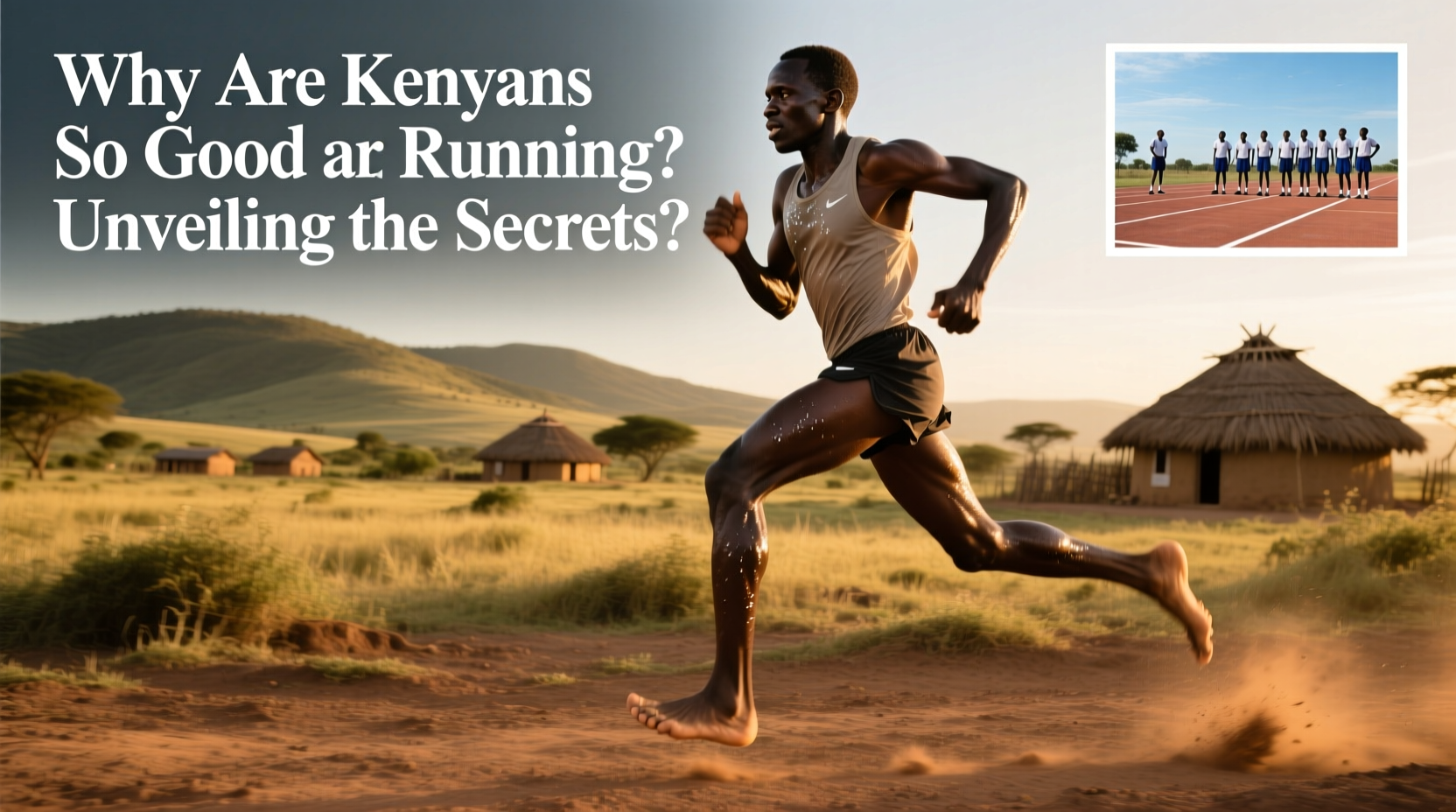
The Kalenjin people, particularly the Nandi subgroup, make up a disproportionate number of Kenya’s elite runners. Though they represent just 12% of the country’s population, they account for over 70% of Kenya’s international running champions. Researchers have studied this phenomenon extensively, pointing to potential genetic predispositions that enhance endurance performance.
Studies suggest that Kalenjin runners often have slender limbs, low body fat, and efficient thermoregulation—traits beneficial for heat dissipation and oxygen efficiency during prolonged exertion. Their calf-to-foot ratio allows for more elastic energy return with each stride, reducing metabolic cost. While no single \"running gene\" has been identified, the clustering of these physical traits within specific communities suggests a hereditary advantage shaped by generations of high-altitude living and active lifestyles.
“East African runners don’t win because they train harder alone—they win because their bodies are biomechanically tuned for endurance.” — Dr. Bengt Saltin, former director of the Copenhagen Muscle Research Centre
High-Altitude Training and Natural Environment
Many elite Kenyan runners train in the Rift Valley, at elevations between 2,000 and 2,500 meters (6,500–8,200 feet) above sea level. Living and training at altitude naturally increases red blood cell production, enhancing the body’s oxygen-carrying capacity—a critical factor in endurance sports.
Unlike artificial altitude training used by some Western athletes, Kenyans experience this adaptation continuously. Their daily routines—from school runs to farm chores—are conducted in thin air, building aerobic capacity from childhood. The terrain itself is also a factor: unpaved roads, steep hills, and uneven trails strengthen stabilizing muscles and improve running economy.
Cultural Values and Socioeconomic Motivation
In rural Kenya, running is more than sport—it’s a pathway out of poverty. For many young athletes, success on the track means access to education, healthcare, and financial stability for their families. This powerful incentive drives intense dedication from an early age.
Children as young as ten run several kilometers to and from school every day, often barefoot or in worn-out shoes. By the time they reach adolescence, many have already logged thousands of miles. Running is normalized, celebrated, and woven into community identity. Talent scouts frequently visit schools and local races, offering promising youth the chance to join formal training camps.
This cultural ecosystem rewards perseverance. Failure isn’t stigmatized; it’s seen as part of the journey. Success stories like Eliud Kipchoge—who once ran 3 km to school daily before becoming a marathon legend—serve as inspiration and proof that effort can change lives.
Training Philosophy: Simplicity and Consistency
Kenyans follow a deceptively simple training model: high volume, moderate intensity, and minimal distractions. Unlike some Western programs that emphasize periodization, advanced analytics, and recovery tech, Kenyan training thrives on consistency and natural progression.
A typical week for an elite runner includes:
- 180–220 kilometers (110–140 miles) of running
- Morning and evening sessions, six days a week
- Fartlek-style interval runs on dirt tracks or roads
- Limited use of heart rate monitors or GPS watches
- Recovery through walking, stretching, and sleep—not cryotherapy or compression gear
This approach builds unmatched aerobic base fitness. Speed work is integrated organically—through racing, surges during long runs, or informal time trials—rather than rigidly scheduled workouts. The focus remains on feeling strong and maintaining rhythm, not chasing data metrics.
Comparison: Kenyan vs. Typical Western Runner Training
| Aspect | Kenyans (Elite Level) | Western Runners (Amateur/Pro) |
|---|---|---|
| Weekly Mileage | 110–140 miles | 40–80 miles |
| Training Altitude | 6,500–8,200 ft | Sea level to moderate |
| Use of Technology | Minimal (watch only) | GPS, HRM, power meters |
| Recovery Methods | Sleep, walking, cold showers | Massage, ice baths, physiotherapy |
| Motivation Drivers | Economic uplift, family support | Personal achievement, competition |
Nutrition and Lifestyle: Fueling Performance Naturally
Diet plays a supporting but vital role. Traditional Kenyan meals are high in complex carbohydrates and low in processed foods. A staple called *ugali*—a dense maize porridge—provides sustained energy. It’s often eaten with vegetables, beans, or small portions of meat.
Runners consume locally grown foods: millet, sweet potatoes, greens like *sukuma wiki*, and milk from pasture-fed cows. Sugar intake is relatively low, and hydration comes primarily from water and herbal teas. There’s little reliance on supplements, protein powders, or energy gels.
Lifestyle habits further support performance. Most elite runners live communally in training camps with strict curfews, no alcohol, and limited social distractions. Sleep is prioritized, typically 7–9 hours per night. This disciplined environment minimizes stress and maximizes recovery.
Checklist: Key Elements Behind Kenyan Running Dominance
- ✅ High-altitude upbringing and training
- ✅ Early and consistent running from childhood
- ✅ Cultural emphasis on perseverance and sacrifice
- ✅ Lean physique with favorable biomechanics
- ✅ High-mileage, low-tech training philosophy
- ✅ Carbohydrate-rich, whole-food diet
- ✅ Strong socioeconomic motivation to succeed
- ✅ Community-based training and mentorship
Mini Case Study: From Village Schoolboy to Marathon Champion
Take the story of Geoffrey Kamworor. Born in the village of Marakwet, he ran 5 kilometers barefoot to school each morning. His talent was noticed during a local cross-country race, where he finished first among hundreds. Coaches from a nearby training camp invited him to join.
Within three years, he was competing internationally. He went on to win multiple World Half Marathon Championships and set course records in major city marathons. His journey wasn’t fueled by state funding or private coaches—but by raw determination, community support, and a system that identifies and nurtures talent early.
Kamworor still trains in the Rift Valley, wakes at 5:30 a.m. for his first run, and eats ugali with sukuma wiki most nights. His success reflects not just personal excellence, but a replicable model rooted in environment and culture.
Frequently Asked Questions
Do all Kenyans excel at running?
No. While Kenya produces a high number of elite runners, most Kenyans do not run competitively. The dominance is concentrated among specific ethnic groups in the Rift Valley. Generalizing all Kenyans as naturally gifted runners overlooks regional and cultural diversity.
Can non-Kenyans replicate their training methods?
Yes, many elements can be adapted. Increasing weekly mileage gradually, running on varied terrain, simplifying training routines, and focusing on consistency over gadgets can yield significant improvements. However, replicating the full context—altitude, childhood activity levels, and socioeconomic drive—is challenging outside Kenya.
Is their success due to genetics or hard work?
It’s both. Genetics may provide a physiological edge, but without the cultural reinforcement, economic motivation, and environmental conditions, talent alone wouldn’t sustain such consistent success. Hard work amplifies natural advantages.
Conclusion: What the World Can Learn
The dominance of Kenyan runners isn’t a mystery—it’s a product of a unique ecosystem where biology, environment, culture, and opportunity intersect. While not everyone can move to the Rift Valley or grow up running barefoot to school, there are lessons to take: embrace simplicity in training, prioritize consistency over intensity, and connect your goals to deeper purpose.




 浙公网安备
33010002000092号
浙公网安备
33010002000092号 浙B2-20120091-4
Comments
No comments yet. Why don't you start the discussion?