
Lucchese boots have long stood as a symbol of American cowboy heritage, luxury footwear, and artisanal excellence. While their price tags—often ranging from $500 to well over $2,000—can raise eyebrows, they reflect far more than brand prestige. Behind every pair lies generations of craftsmanship, meticulous attention to detail, and a commitment to quality that few bootmakers can match. Understanding why Lucchese boots command such high prices requires looking beyond surface appeal and into the tangible elements of production, material selection, labor, and legacy.
Handcrafted Excellence: The Labor Behind Every Pair
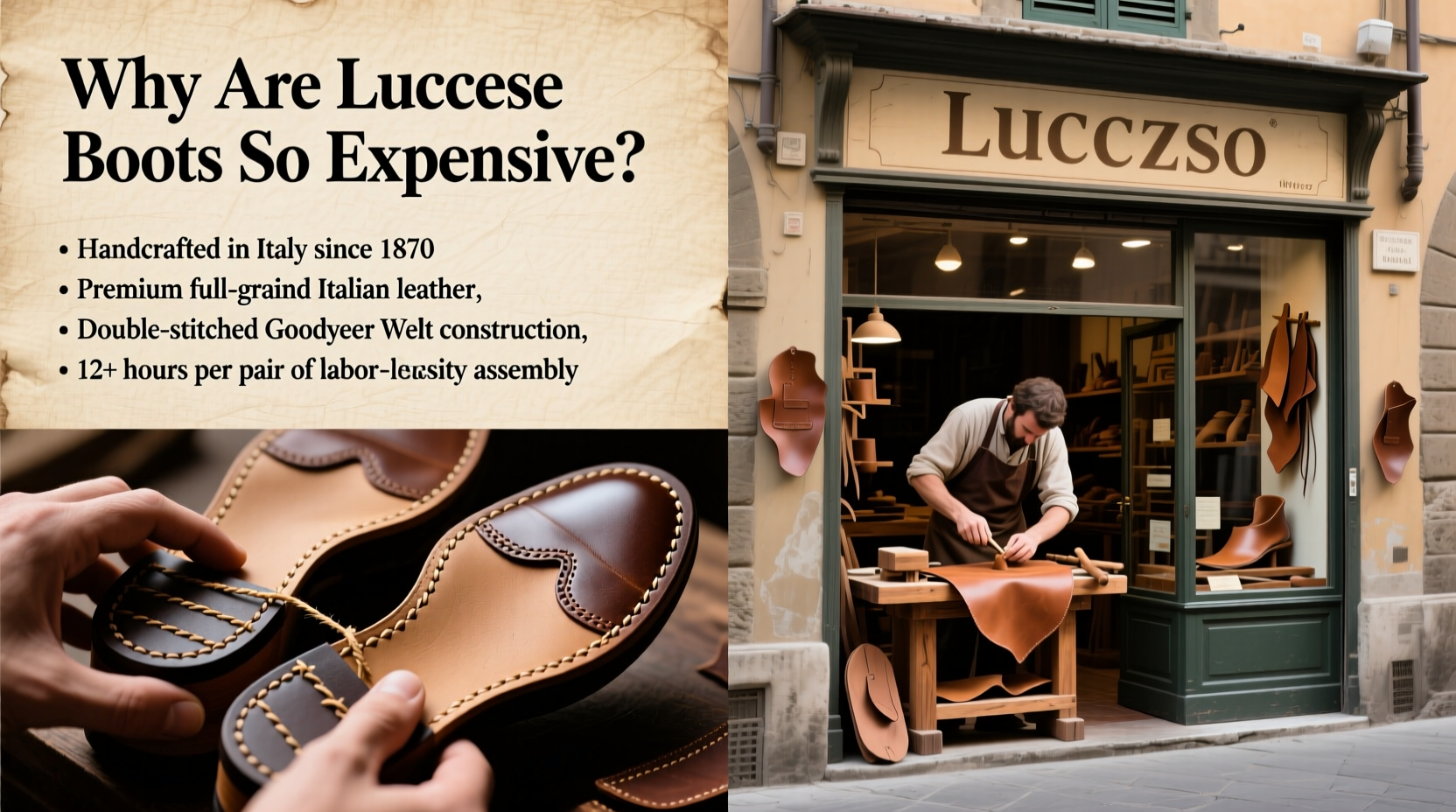
One of the most significant reasons for the high cost of Lucchese boots is the extensive manual labor involved in their creation. Unlike mass-produced footwear made on automated assembly lines, each Lucchese boot is handcrafted by skilled artisans with years of experience. The process involves over 200 individual steps, many of which cannot be replicated by machines.
From cutting leather by hand to stitching the welt, shaping the last, and hand-laying decorative tooling, each stage demands precision and patience. A single pair can take up to 30 hours to complete. This level of human involvement ensures consistency in quality but inherently increases production costs. As one Lucchese master bootmaker noted:
“Every stitch tells a story. Machines can sew faster, but only hands can feel the tension, adjust the grain, and honor the shape of the foot.” — Carlos Mendez, Senior Bootmaker at Lucchese since 1998
The company maintains its Texas-based workshops to preserve this tradition, resisting offshoring despite higher domestic labor expenses. This commitment to local craftsmanship directly influences the final price.
Premium Materials: Quality You Can Feel
Lucchese sources only the finest leathers and exotic skins from around the world. Whether it’s Italian calfskin, alligator, ostrich, or lizard, each hide undergoes rigorous inspection before being approved for use. The tanning process alone often takes weeks to ensure softness, durability, and rich color depth.
What sets Lucchese apart is not just the type of material used, but how it’s prepared. Many of their leathers are vegetable-tanned—a slower, eco-friendlier method that produces supple, breathable, and long-lasting results compared to cheaper chrome-tanned alternatives.
In addition to premium uppers, Lucchese uses genuine leather midsoles and outsoles, stacked leather heels, and brass hardware. Even the lining is typically soft calfskin or goatskin, eliminating synthetic shortcuts that compromise comfort and longevity.
Construction Techniques That Last Generations
The way a boot is built determines how long it lasts—and how much it costs to make. Lucchese employs time-intensive methods like hand-welting and cork-filling, which are rarely found outside bespoke shoemaking.
- Goodyear Welt Construction: Allows the sole to be replaced without damaging the upper, making the boot repairable for decades.
- Cork-Filled Insoles: Mold to the wearer’s foot over time, providing custom-like comfort and support.
- Hand-Lasted Boots: Each pair is stretched over a wooden last by hand, ensuring a precise fit and natural shape.
These techniques require specialized tools and training. They also slow down production, reducing output volume and increasing per-unit cost. However, they result in boots that age beautifully, develop a rich patina, and often become heirloom pieces passed down through families.
Design Heritage and Artisan Detailing
Lucchese doesn’t just make functional footwear—they create wearable art. Their design team draws inspiration from Western history, Native American patterns, Spanish colonial motifs, and modern fashion trends. Intricate tooling, embroidery, inlays, and metal accents are applied by hand using chisels, stamps, and needles.
A single ornate pair may feature over 1,000 individual tooling impressions, each placed with exact pressure and alignment. This level of detail is not merely decorative; it reflects a deep respect for traditional craftsmanship. Custom orders amplify this further, allowing buyers to choose everything from heel height to stitching color, resulting in truly unique footwear.
Such personalization adds administrative and production complexity, contributing to higher pricing. Yet for collectors and enthusiasts, these details justify the investment.
Brand Legacy and Market Positioning
Founded in 1883 in San Antonio, Texas, Lucchese has built a reputation spanning over 140 years. The brand has dressed cowboys, celebrities, politicians, and even movie stars—appearing in films like *No Country for Old Men* and worn by icons like Johnny Cash and George Strait.
This heritage isn’t just marketing—it translates into trust. Consumers pay not only for the physical product but for the assurance of authenticity, consistency, and timeless style. In luxury goods, brand equity plays a crucial role in pricing, especially when combined with limited production runs and high demand.
Unlike fast-fashion brands that flood the market, Lucchese controls supply to maintain exclusivity and quality control. This deliberate scarcity helps sustain value over time, both emotionally and financially.
Comparison: Lucchese vs. Mass-Market Cowboy Boots
| Feature | Lucchese Boots | Mass-Market Boots |
|---|---|---|
| Construction Method | Hand-welted or hand-stitched | Cemented (glued) |
| Sole Replaceability | Yes, multiple times | Rarely possible |
| Leather Quality | Top-grade, full-grain, exotic skins | Corrected grain, synthetic blends |
| Labor Origin | USA (Texas) | Overseas (Mexico, China, India) |
| Production Time per Pair | 20–30 hours | Under 2 hours |
| Lifespan (with care) | 15+ years | 2–5 years |
| Price Range | $500 – $3,000+ | $80 – $250 |
Real-World Example: A Rancher’s Perspective
Take the case of Mark Delgado, a third-generation rancher from West Texas. He purchased his first pair of Lucchese boots in 2007—an investment of $620 at the time. Over 17 years, he’s had the soles replaced twice, conditioned the leather regularly, and worn them nearly daily during branding season.
“People ask me why I don’t buy cheaper boots,” Mark says. “But these saved my knees. The arch support, the way they molded to my feet… after 2,000 miles on horseback, they still feel broken in, not beat up. I’ve spent less per year on footwear than my neighbors who replace boots every two seasons.”
His story illustrates how initial cost must be weighed against long-term value. For professionals and frequent wearers, Lucchese boots often prove more economical over time.
Practical Checklist: Is a Lucchese Boot Right for You?
Before investing, consider these questions:
- Do you prioritize long-term durability over short-term savings?
- Will you wear boots frequently enough to justify the investment?
- Are you willing to perform basic maintenance (cleaning, conditioning)?
- Do you appreciate handmade details and natural materials?
- Are you seeking a boot that can be repaired and resoled?
If most answers are “yes,” a Lucchese boot may offer exceptional lifetime value—even at a high upfront cost.
Frequently Asked Questions
Can Lucchese boots be resoled?
Yes. Most Lucchese boots use Goodyear welt or hand-stitched construction, allowing for multiple resoles. Many cobblers specialize in Western boot repair and can restore soles, heels, and shanks while preserving the original structure.
Are Lucchese boots worth the price?
For those who value craftsmanship, comfort, and longevity, yes. While cheaper options exist, few match Lucchese’s combination of fit, materials, and repairability. Over a decade or more, the cost per wear can be lower than budget boots replaced every few years.
How do I verify authentic Lucchese boots?
Genuine pairs include a certificate of authenticity, a branded box, and consistent stitching. Inside, look for the signature “L” logo stamped on the insole and the phrase “Handmade in USA” embossed on the heel counter. Avoid third-party sellers without official authorization.
Conclusion: Value Beyond the Price Tag
The expense of Lucchese boots stems from real, measurable factors: skilled labor, superior materials, enduring construction, and a legacy of excellence. They aren’t priced to impress—they’re priced to last. In an era of disposable fashion, Lucchese stands apart by building footwear meant to endure, evolve, and earn its place in your wardrobe for decades.
Whether you're a working cowboy, a collector, or someone who simply values well-made things, understanding what goes into these boots transforms the question from “Why are they so expensive?” to “Can I afford not to own a pair that truly lasts?”




 浙公网安备
33010002000092号
浙公网安备
33010002000092号 浙B2-20120091-4
Comments
No comments yet. Why don't you start the discussion?