
Mahjong, a game with roots stretching back to 19th-century China, has evolved into a global pastime enjoyed in homes, clubs, and competitive circuits. While basic sets can be found for under $50, premium versions often cost hundreds or even thousands of dollars. At first glance, this price disparity may seem baffling—after all, it’s just tiles and a rack. But behind the high cost lies a complex interplay of materials, craftsmanship, design, and cultural value. Understanding why some mahjong sets command such steep prices reveals not just their monetary worth but their lasting significance as functional art pieces.
Material Quality: The Foundation of Value
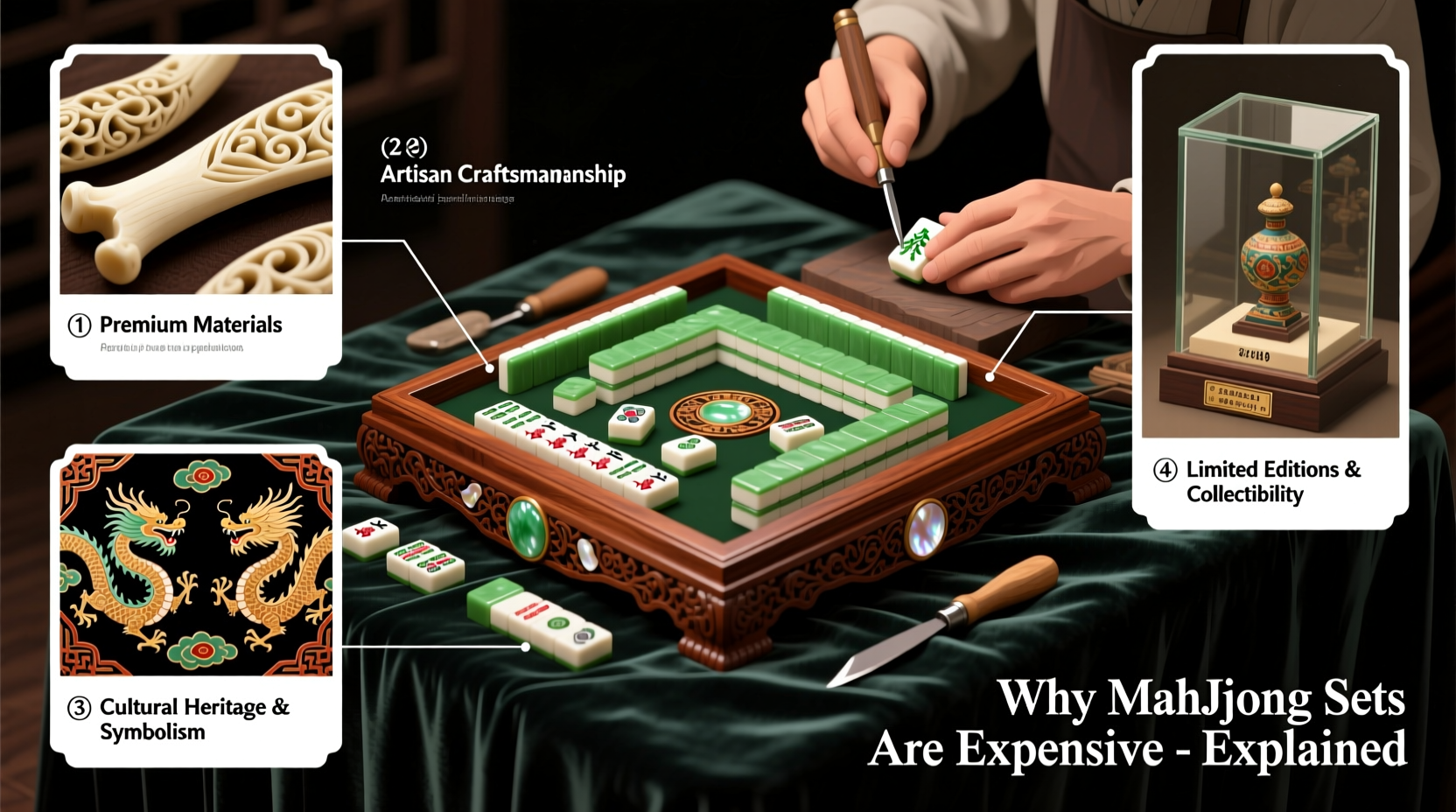
The material used in crafting mahjong tiles is one of the most decisive factors in pricing. Budget sets typically use plastic or resin, which are inexpensive to produce and lightweight. While serviceable for casual play, these materials lack durability and tactile appeal.
In contrast, high-end sets use natural materials like bone, bamboo, and even rare hardwoods. Traditional sets often feature hand-carved bone tiles laminated onto bamboo bases. Bone offers a satisfying weight and a smooth, cool texture that enhances gameplay. Over time, well-cared-for bone develops a soft patina, adding character without compromising integrity.
Some luxury manufacturers go further, using ivory (now largely banned), mother-of-pearl inlays, or exotic woods like rosewood and ebony. These materials are not only rare but require specialized tools and skills to shape and finish. The sourcing process alone—especially for regulated or endangered materials—adds to production costs and ethical considerations.
Craftsmanship and Labor Intensity
A mass-produced plastic set might take minutes to mold and assemble. A premium mahjong set, however, can take weeks or months to complete—each tile shaped, sanded, engraved, and polished by hand. Artisans often spend years mastering the delicate balance between precision and aesthetics.
Consider the engraving process: symbols must be deeply etched for clarity and filled with ink or lacquer by hand. Misalignment or smudging ruins the tile’s appearance. In top-tier sets, each character is painted individually using fine brushes, sometimes under magnification. This level of detail ensures legibility after years of handling.
Additionally, the backing and stacking trays are often hand-assembled from multiple wood components, fitted with felt linings, and finished with traditional joinery techniques. No glue or staples—just precision-cut dovetails and mortise joints that endure decades of use.
“Each set we make is a collaboration between heritage and patience. It’s not about speed—it’s about legacy.” — Li Wen, Master Craftsperson at Shanghai Mahjong Atelier
Design, Branding, and Cultural Significance
Premium brands invest heavily in design authenticity and cultural storytelling. Sets inspired by imperial motifs, regional styles (like Cantonese or Japanese Riichi), or limited-edition collaborations carry added value due to their narrative depth.
For example, a set modeled after Qing Dynasty court designs might feature dragons carved in relief, gold leaf accents, and silk-lined cases. These aesthetic choices aren’t merely decorative—they reflect historical reverence and artistic intent. Collectors and players alike pay a premium for sets that feel like artifacts rather than commodities.
Brand reputation also plays a role. Companies like Kwang Yew in Malaysia or Takumi Works in Japan have spent generations refining their craft. Their names signal quality assurance, provenance, and exclusivity. Owning a set from such a maker is akin to owning a Stradivarius violin or a Swiss watch—it’s an investment in tradition.
Market Dynamics and Rarity
Supply and demand heavily influence pricing, especially for antique or discontinued sets. Vintage Chinese mahjong tables and matching tile sets from the 1920s–1940s regularly sell for thousands at auction. Their rarity, combined with nostalgic appeal among collectors, drives up value.
Limited-run productions also create scarcity. Some artisans release only 50–100 sets per year, each numbered and certified. These exclusives often include custom packaging, certificates of authenticity, and artist signatures—elements that enhance perceived worth.
Moreover, rising global interest in mahjong has increased demand without a proportional rise in skilled labor. As fewer young people enter traditional crafts, experienced artisans become rarer, pushing labor costs higher. This imbalance naturally inflates prices across the market.
Comparative Breakdown: What You Get at Different Price Points
| Price Range | Materials | Craftsmanship | Expected Lifespan | Ideal For |
|---|---|---|---|---|
| $20–$60 | Plastic, synthetic resin | Mass-produced, machine-molded | 1–3 years | Casual players, beginners |
| $100–$300 | Bone-and-bamboo, wood composite | Semi-handcrafted, hand-painted details | 5–10 years | Enthusiasts, regular home play |
| $500–$2,000+ | Hand-carved bone, rare woods, pearl inlay | Fully handcrafted, artisan-signed | 20+ years (heirloom quality) | Collectors, serious players, gifts |
Mini Case Study: The $1,200 Jade-Inlaid Set
In 2022, a Hong Kong collector purchased a mahjong set crafted by third-generation artisan Mei Ling Ho. Priced at $1,200, the set featured jade-inlaid characters on ox-bone tiles, housed in a camphorwood box hand-engraved with phoenix motifs. Each tile took over an hour to complete.
Despite its cost, the set sold out within days of release. Buyers cited not only the visual beauty but also the sustainability of materials and ethical sourcing. Unlike mass-market alternatives, this set was designed to last generations—passed down like family silver. Resale value is expected to appreciate, making it both a personal treasure and a financial asset.
How to Choose a Worthwhile Mahjong Set: A Buyer’s Checklist
- ✅ Verify material composition—prefer bone, bamboo, or solid wood over plastic.
- ✅ Assess weight and balance—tiles should feel substantial, not hollow.
- ✅ Inspect engraving depth and paint fill—lines should be crisp and even.
- ✅ Check joinery and case construction—avoid glued particleboard; look for solid wood.
- ✅ Research the maker—brands with heritage often offer better quality control.
- ✅ Consider long-term value—will it last, or will you replace it in two years?
Frequently Asked Questions
Are expensive mahjong sets worth the investment?
For serious players and collectors, yes. High-end sets offer superior durability, tactile satisfaction, and aesthetic value. If you play regularly or value craftsmanship, the investment pays off in longevity and enjoyment.
Is ivory still used in mahjong sets?
No—commercial use of ivory is banned internationally under CITES regulations. Any modern set claiming to use ivory is likely illegal or mislabeled. Antique sets may contain ivory but cannot be legally traded across borders.
Can I maintain a premium set at home?
Absolutely. Wipe tiles with a dry cloth after use, store in a dry place away from sunlight, and avoid liquid cleaners. For bone sets, occasional buffing with a soft cloth preserves luster. Proper care extends life significantly.
Conclusion: Beyond the Price Tag
The cost of a mahjong set reflects far more than its physical components. It encompasses centuries of cultural tradition, meticulous human effort, and a commitment to excellence that machines cannot replicate. While budget options serve their purpose, premium sets elevate the game into an experience—one of touch, sound, and timeless design.
Whether you're drawn to the clack of bone tiles on wood or the elegance of hand-carved characters, understanding what drives the price helps you make informed choices. Don’t just buy a set—choose one that resonates with your values, playing style, and appreciation for enduring quality.




 浙公网安备
33010002000092号
浙公网安备
33010002000092号 浙B2-20120091-4
Comments
No comments yet. Why don't you start the discussion?