
Uneven eyebrow growth is a common yet frustrating concern for many people. Whether you've noticed one brow lagging behind the other, sparse patches, or irregular thickness, asymmetry can affect facial balance and confidence. While perfectly symmetrical brows are rare—due to natural facial asymmetry—significant differences in growth patterns often stem from specific underlying causes. The good news? Most of these imbalances can be corrected with targeted, natural approaches. Understanding the root reasons behind uneven growth is the first step toward restoring fuller, more balanced brows without resorting to invasive procedures.
Understanding Eyebrow Growth Cycles
Eyebrows, like scalp hair, follow a cyclical growth pattern consisting of three phases: anagen (growth), catagen (transition), and telogen (resting). The anagen phase for eyebrows typically lasts 30 to 45 days, much shorter than scalp hair, which explains why brows don’t grow as long. After this phase, hairs enter a resting period before eventually shedding and being replaced by new ones.
Because each hair follicle operates independently, it’s normal for some hairs to be in different phases at any given time. This natural variation contributes to temporary thinning or patchiness. However, when entire sections of one brow consistently fail to regrow or appear thinner than the other, external or internal factors are likely interfering with the cycle.
“Facial asymmetry is completely normal, but persistent unevenness in eyebrow growth often signals habits, trauma, or health issues that disrupt follicular function.” — Dr. Lena Torres, Dermatologist & Hair Specialist
Common Causes of Uneven Eyebrow Growth
Several factors—ranging from daily habits to medical conditions—can disrupt eyebrow symmetry. Identifying the cause is essential for choosing the right corrective approach.
1. Over-Plucking and Trauma
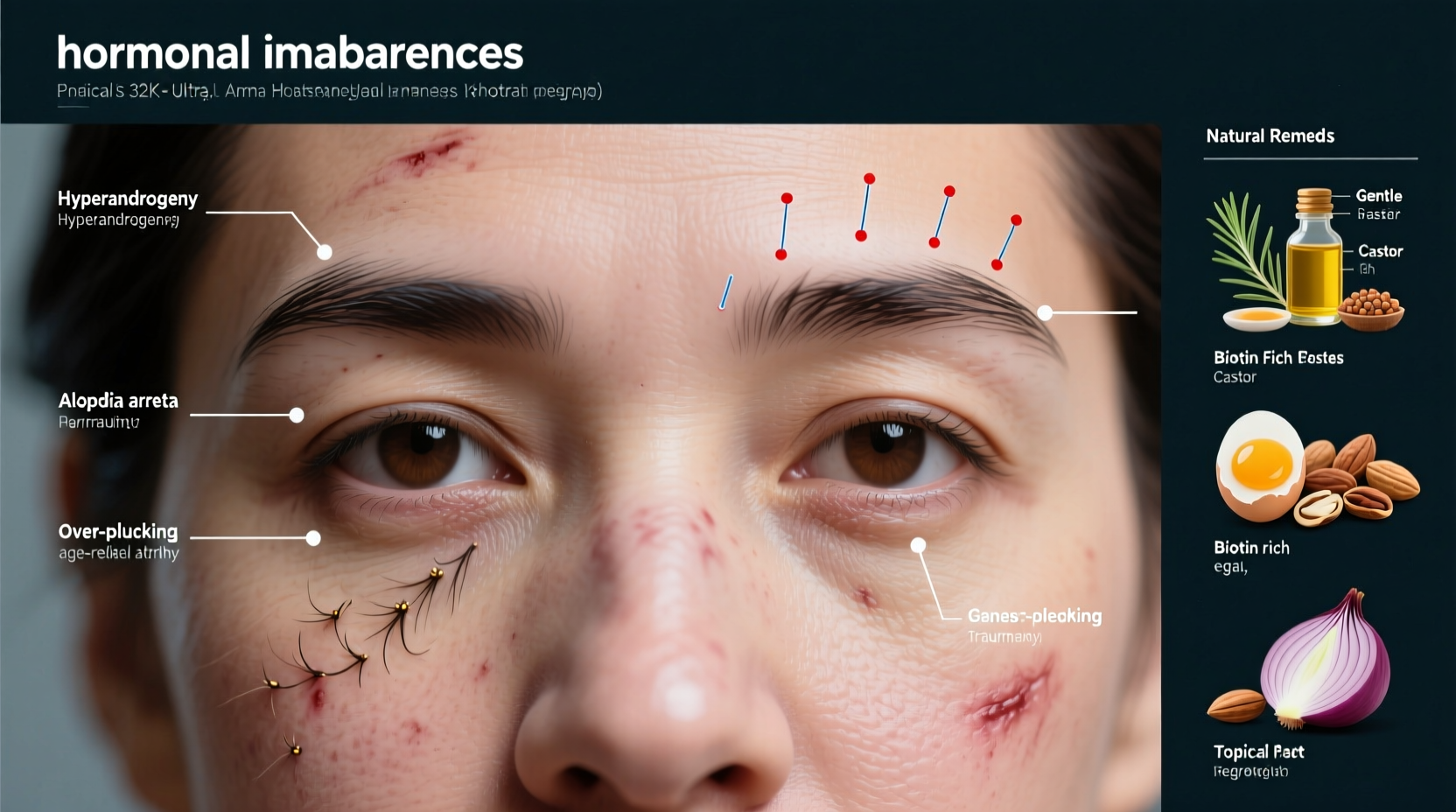
One of the most frequent culprits is over-plucking, especially if done more aggressively on one side. Repeated trauma to follicles can lead to scarring or permanent damage, reducing regrowth potential. Some individuals unconsciously favor one brow when shaping, leading to long-term imbalance.
2. Facial Asymmetry and Genetics
Natural facial asymmetry affects muscle tone, skin texture, and even hair density. One eyebrow arch may naturally sit higher or have sparser growth due to genetic predisposition. This isn't a flaw—it's biology—but it can be managed.
3. Hormonal Imbalances
Hormones play a major role in hair growth. Conditions like hypothyroidism, polycystic ovary syndrome (PCOS), or adrenal fatigue can lead to generalized thinning, including eyebrows. Thyroid hormones, in particular, regulate metabolism and follicular activity; low levels often result in brittle, slow-growing brow hairs.
4. Nutritional Deficiencies
Lack of key nutrients—such as biotin, iron, zinc, vitamin D, and protein—impairs keratin production and weakens hair structure. These deficiencies can manifest first in slower-growing areas like eyebrows.
5. Skin Conditions
Dermatological issues such as seborrheic dermatitis, eczema, or psoriasis on the forehead or brow line can inflame follicles and hinder growth. Infections like fungal overgrowth or folliculitis may also cause localized hair loss.
6. Medications and Medical Treatments
Certain drugs—including retinoids, chemotherapy agents, and anticoagulants—list hair thinning as a side effect. Even topical acne treatments applied near the brows can dry out follicles and reduce growth over time.
Natural Fixes to Promote Even Brow Growth
Before turning to cosmetic solutions like microblading or tinting, consider natural methods that support healthier, more balanced growth. These approaches focus on improving follicle health, circulation, and nutrient supply.
1. Nourishing Oils for Follicle Stimulation
Certain plant-based oils have been shown to improve hair density and strength when applied regularly:
- Castor oil: High in ricinoleic acid, it boosts circulation and has antimicrobial properties that protect follicles.
- Coconut oil: Penetrates the hair shaft to reduce protein loss and moisturize the skin beneath.
- Jojoba oil: Mimics natural sebum, helping regulate scalp and skin oil production around brows.
- Argan oil: Rich in vitamin E and fatty acids, it strengthens hair and prevents breakage.
Apply 1–2 drops nightly using a clean spoolie or cotton swab, massaging gently into both brows—even the fuller one—to maintain balance.
2. Balanced Nutrition for Hair Health
Diet plays a foundational role in hair growth. Focus on foods rich in:
- Biotin (eggs, almonds, sweet potatoes)
- Iron (spinach, lentils, red meat)
- Zinc (pumpkin seeds, chickpeas, oysters)
- Omega-3s (chia seeds, salmon, walnuts)
- Vitamin D (sunlight, fortified dairy, fatty fish)
A deficiency in any of these can delay regrowth or weaken existing hairs.
3. Gentle Grooming Habits
Stop aggressive plucking or waxing, especially on the weaker side. Allow brows to grow out for at least 6–8 weeks to assess natural shape and density. Use tweezers only to remove stray hairs outside the brow line, and always sanitize tools to prevent infection.
4. Scalp and Forehead Massage
Massaging the brow area increases blood flow to follicles, delivering oxygen and nutrients crucial for growth. Spend 1–2 minutes daily using fingertips in small circular motions along the brow bone. Pair with oil for added hydration.
5. Bimatoprost-Free Serums with Natural Actives
While prescription serums like bimatoprost stimulate growth, they can cause side effects like darkening of the skin or iris pigmentation. Instead, opt for natural alternatives containing:
- Peptides to signal follicle activity
- Panax ginseng extract to energize cells
- Bamboo silica to strengthen hair structure
Step-by-Step Guide to Restoring Brow Symmetry
Follow this 12-week plan to encourage even, healthy regrowth:
- Week 1–2: Assess and Reset
- Stop all plucking, waxing, or threading.
- Take photos of both brows for comparison.
- Review medications and consult a doctor if hormonal issues are suspected.
- Week 3–4: Begin Nourishment Routine
- Apply castor or jojoba oil nightly to both brows.
- Start a gentle massage routine (1–2 min/day).
- Evaluate diet; add one hair-supportive food daily.
- Week 5–8: Monitor Progress
- Repeat photos to track changes.
- Introduce a natural brow serum if desired.
- Address skin concerns (e.g., dandruff or dryness) with mild cleansers.
- Week 9–12: Refine and Maintain
- Resume light grooming only where necessary.
- Continue oil or serum application 3–4 times per week.
- Adjust nutrition based on results—consider a blood test if growth stalls.
“Patience is critical. It takes at least eight weeks to see visible improvement in eyebrow regrowth. Consistency beats intensity every time.” — Dr. Amara Patel, Trichologist
Do’s and Don’ts for Healthy Eyebrow Growth
| Do’s | Don’ts |
|---|---|
| Use clean tools when grooming | Overpluck or wax frequently |
| Apply nourishing oils nightly | Use expired or shared cosmetics |
| Eat protein-rich, nutrient-dense meals | Ignore signs of skin irritation |
| Massage brows to boost circulation | Scratch or rub irritated brow areas |
| Protect brows from harsh weather | Expect instant results—growth takes time |
Mini Case Study: Recovering From Over-Plucking
Sophia, a 28-year-old graphic designer, had shaped her brows tightly since her teens. Over time, her left brow became noticeably thinner—almost ghostly in certain lighting. Frustrated, she stopped plucking entirely and began applying warm coconut oil every night, combined with a daily 90-second massage. She also increased her intake of eggs, spinach, and pumpkin seeds. After ten weeks, fine new hairs appeared along the outer tail of her left brow. By week 14, the density improved enough that she could lightly fill gaps with a pencil. “I didn’t think it would come back,” she said. “Now I’m gentler and let my brows grow into their natural shape.”
Frequently Asked Questions
Can uneven eyebrows ever grow back evenly?
Yes, in most cases. Unless there’s permanent follicle damage (from scarring or long-term trauma), brows can regain symmetry with consistent care. Addressing root causes like nutrition, hormones, and grooming habits significantly improves outcomes.
How long does it take for eyebrows to grow back evenly?
Visible regrowth usually appears within 4–6 weeks, but full correction may take 3–6 months. Factors like age, health, and consistency of treatment influence the timeline. Younger individuals often see faster results.
Is it normal for one eyebrow to grow faster than the other?
Yes. Due to natural facial asymmetry and differences in blood flow or nerve stimulation, one brow may temporarily grow faster. This usually evens out over time. Persistent imbalance warrants investigation into lifestyle or health factors.
Checklist: Your 7-Day Action Plan for Better Brows
- ☐ Stop plucking, waxing, or threading for at least two months
- ☐ Buy a high-quality oil (castor, jojoba, or argan)
- ☐ Sanitize tweezers and spoolies
- ☐ Add one biotin-rich food to your daily meals
- ☐ Perform a 2-minute brow massage each night
- ☐ Take “before” photos of both brows
- ☐ Review current medications with your doctor if thinning is sudden
Natural Beauty Starts With Patience and Care
Uneven eyebrow growth doesn’t have to be permanent. With mindful habits, proper nutrition, and consistent nurturing, most people can achieve fuller, more balanced brows naturally. The key is to treat your brows not as accessories to be constantly reshaped, but as living features that reflect your overall health. Small daily actions—like a few drops of oil or a minute-long massage—compound into visible transformation over time. Resist the urge to overcorrect with aggressive styling. Let your brows breathe, heal, and grow at their own pace.




 浙公网安备
33010002000092号
浙公网安备
33010002000092号 浙B2-20120091-4
Comments
No comments yet. Why don't you start the discussion?