
Thinning eyebrows can be more than just a cosmetic concern—they may signal underlying health issues or nutritional deficiencies. While many people assume eyebrow loss is simply part of aging, the reality is often more complex. From hormonal imbalances to poor diet, stress, and skin conditions, several factors contribute to sparse brows. The good news? In many cases, targeted nutrition and lifestyle adjustments can support regrowth and improve overall hair health.
This article explores the science behind eyebrow thinning, identifies key vitamins and nutrients that promote regrowth, and provides practical steps you can take to restore fuller, healthier brows—naturally.
Understanding Why Eyebrows Thin
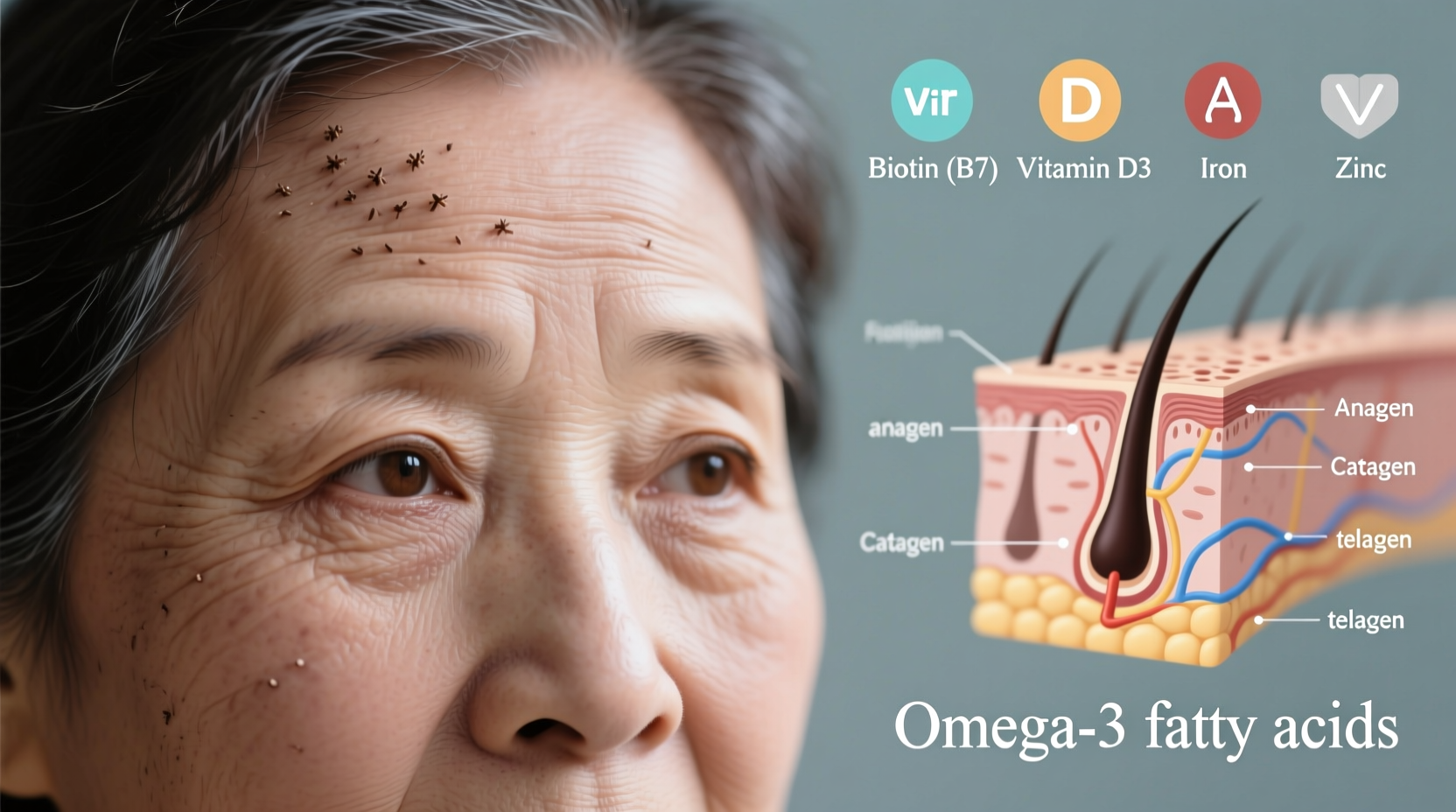
Eyebrow hair, like scalp hair, follows a growth cycle consisting of anagen (growth), catagen (transition), and telogen (resting) phases. When this cycle is disrupted, hair may shed prematurely or fail to regrow. Unlike scalp hair, eyebrow hairs have a shorter anagen phase—typically lasting only 30 to 45 days—which makes them more prone to shedding and slower regrowth.
Common causes of eyebrow thinning include:
- Hormonal imbalances: Thyroid disorders (especially hypothyroidism and hyperthyroidism) are among the most frequent medical causes of eyebrow loss. The outer third of the brow is particularly vulnerable and may thin significantly in such cases.
- Nutritional deficiencies: Lack of essential vitamins and minerals impairs keratin production and follicle function, leading to weak, brittle, or absent eyebrow hairs.
- Skin conditions: Eczema, psoriasis, and seborrheic dermatitis can inflame the skin around the brows, damaging follicles over time.
- Over-plucking or waxing: Chronic manipulation of eyebrow hairs can lead to traction alopecia, where follicles become damaged and stop producing hair.
- Autoimmune diseases: Conditions like alopecia areata cause the immune system to attack hair follicles, resulting in patchy or complete eyebrow loss.
- Stress and illness: Physical or emotional stress can trigger telogen effluvium, pushing hair into the resting phase prematurely.
- Aging: As we age, hair follicles naturally shrink and produce finer, lighter hairs—or none at all.
Vitamins That Support Eyebrow Regrowth
The foundation of healthy hair—including eyebrows—is proper nutrition. Hair follicles require a steady supply of micronutrients to produce strong, pigmented strands. Deficiencies in certain vitamins are directly linked to hair thinning and poor regrowth.
Here are the most effective vitamins and supplements for promoting eyebrow regrowth:
1. Biotin (Vitamin B7)
Biotin plays a crucial role in keratin production, the protein that forms the structure of hair, skin, and nails. Studies show that biotin supplementation can improve hair strength and thickness, especially in individuals with a deficiency.
A 2015 study published in *Dermatology and Therapy* found that women with thinning hair who took biotin experienced significant improvement in hair volume and scalp coverage after 90 days.
2. Vitamin A
Vitamin A supports sebum production, which keeps hair follicles moisturized and protected. However, balance is key—excess vitamin A can actually cause hair loss. Aim for dietary sources like sweet potatoes, carrots, and spinach rather than high-dose supplements.
3. Vitamin C
This antioxidant boosts collagen synthesis, strengthens capillaries that feed hair follicles, and enhances iron absorption—all vital for healthy eyebrow growth. Citrus fruits, bell peppers, and broccoli are excellent sources.
4. Vitamin D
Low levels of vitamin D are frequently observed in people with alopecia areata and other forms of hair loss. Vitamin D receptors are present in hair follicles and play a role in regulating the hair cycle.
“Vitamin D isn’t just for bones—it’s essential for hair follicle cycling and regeneration.” — Dr. Laura Nguyen, Dermatologist and Hair Health Specialist
5. Vitamin E
Vitamin E reduces oxidative stress in the scalp and brow area, protecting follicles from free radical damage. One clinical trial showed that participants with hair loss who took vitamin E supplements experienced a 34% increase in hair count after 8 months.
6. Iron
Iron deficiency, especially in women, is strongly associated with diffuse hair thinning. Ferritin—the stored form of iron—should ideally be above 50 ng/mL for optimal hair growth. Low ferritin impairs oxygen delivery to follicles, weakening hair production.
7. Zinc
Zinc regulates oil glands around follicles and supports DNA synthesis during hair cell division. Deficiency can lead to brittle hair and increased shedding. However, excessive zinc intake can interfere with copper absorption, so moderation is essential.
8. Niacin (Vitamin B3)
Niacin improves blood circulation to the skin, enhancing nutrient delivery to hair follicles. It also helps maintain the integrity of the skin barrier, reducing inflammation that could impair growth.
Essential Nutrients Comparison Table
| Nutrient | Role in Hair Growth | Daily Recommended Intake (Adults) | Top Food Sources |
|---|---|---|---|
| Biotin (B7) | Supports keratin production | 30 mcg | Eggs, nuts, sweet potatoes, salmon |
| Vitamin D | Regulates hair follicle cycle | 600–800 IU | Fatty fish, fortified milk, sunlight |
| Vitamin C | Boosts collagen & iron absorption | 75–90 mg | Oranges, strawberries, bell peppers |
| Vitamin E | Protects against oxidative stress | 15 mg | Almonds, sunflower seeds, spinach |
| Iron | Delivers oxygen to follicles | 8–18 mg (varies by gender) | Red meat, lentils, spinach, tofu |
| Zinc | Supports cell division & repair | 8–11 mg | Pumpkin seeds, chickpeas, oysters |
| Niacin (B3) | Improves blood flow to follicles | 14–16 mg | Turkey, peanuts, mushrooms |
Step-by-Step Guide to Promote Eyebrow Regrowth
Reversing eyebrow thinning requires a consistent, multi-pronged approach. Follow these steps to maximize your chances of natural regrowth:
- Assess Your Diet: Track your daily food intake for one week. Identify gaps in nutrient-rich foods, especially those high in biotin, iron, and vitamins A, C, D, and E.
- Get Blood Work Done: Request a full panel from your doctor including thyroid function (TSH, T3, T4), ferritin (iron stores), vitamin D, and zinc levels.
- Supplement Wisely: Based on lab results, consider adding a high-quality multivitamin or individual supplements. Avoid megadoses unless prescribed.
- Stop Over-Plucking: Allow brows to grow untouched for at least 8–12 weeks to give follicles time to recover.
- Apply Castor Oil (Optional): Though evidence is anecdotal, many report success using cold-pressed castor oil nightly. Its ricinoleic acid may reduce inflammation and improve circulation.
- Manage Stress: Practice mindfulness, yoga, or deep breathing. Chronic stress elevates cortisol, which can disrupt hormone balance and hair cycles.
- Stay Hydrated and Sleep Well: Dehydration and poor sleep impair cellular repair and hormone regulation—both critical for hair regrowth.
Real-Life Example: Maria’s Brow Recovery Journey
Maria, a 34-year-old teacher, noticed her eyebrows becoming noticeably thinner over six months. She had no history of over-plucking but recalled feeling unusually fatigued and cold—a clue pointing toward possible thyroid issues.
After visiting her GP, blood tests revealed she had subclinical hypothyroidism and low ferritin (22 ng/mL). Her vitamin D level was also below 20 ng/mL, considered deficient.
Under medical supervision, Maria began taking levothyroxine for her thyroid, started a regimen of iron and vitamin D supplements, and incorporated more leafy greens, eggs, and fatty fish into her meals. She stopped waxing her brows and applied castor oil every night.
Within four months, new fine hairs began appearing along her brow arches. By month six, her eyebrows were visibly fuller, darker, and more defined. Her energy levels also improved dramatically.
Maria’s case highlights how addressing root causes—rather than just symptoms—can lead to successful regrowth.
Checklist: Actions to Restore Your Eyebrows
- ☑ Get tested for thyroid function and nutrient deficiencies
- ☑ Eat at least three servings of iron-rich foods per week
- ☑ Include biotin-rich foods like eggs and almonds daily
- ☑ Take a quality multivitamin if diet falls short
- ☑ Stop plucking, waxing, or threading for 2–3 months
- ☑ Apply nourishing oils (e.g., castor or coconut) nightly
- ☑ Reduce stress through regular exercise or meditation
- ☑ Protect brows from harsh cosmetics and makeup removers
Frequently Asked Questions
Can I regrow eyebrows after years of plucking?
Yes, in many cases. If the hair follicles are still intact, regrowth is possible with proper care, time, and nutrition. However, long-term trauma can cause permanent follicle damage, so early intervention is best.
How long does it take for eyebrows to grow back?
Visible regrowth typically begins within 4 to 6 weeks, but full results may take 3 to 6 months. Consistency with nutrition, topical care, and avoiding further trauma is key.
Are there any side effects to taking hair growth supplements?
Some supplements, like high-dose biotin, can interfere with lab test results (including cardiac enzymes and thyroid panels). Always inform your doctor if you’re taking supplements, especially before blood work.
Final Thoughts and Next Steps
Thinning eyebrows are rarely just a surface-level issue. They often reflect deeper imbalances—nutritional, hormonal, or environmental. While cosmetic solutions like microblading offer quick fixes, true restoration comes from supporting your body’s natural ability to regenerate hair.
The right combination of vitamins, a balanced diet, and mindful care habits can make a meaningful difference. Start by evaluating your current health status, adjusting your nutrition, and giving your brows time to heal. Small, consistent actions compound into visible results.




 浙公网安备
33010002000092号
浙公网安备
33010002000092号 浙B2-20120091-4
Comments
No comments yet. Why don't you start the discussion?