
Many people experience persistently cold hands, especially during colder months. But when the chill lingers even in warm environments, it may signal an underlying issue. Cold hands aren’t just uncomfortable—they can affect daily function, sleep quality, and overall well-being. Understanding why your hands stay cold requires looking beyond the obvious. From circulatory patterns to hormonal imbalances, several factors influence how blood flows to your extremities. This article explores the most common and lesser-known causes of chronically cold hands and offers science-backed strategies to restore warmth and improve circulation.
How Blood Circulation Affects Hand Temperature
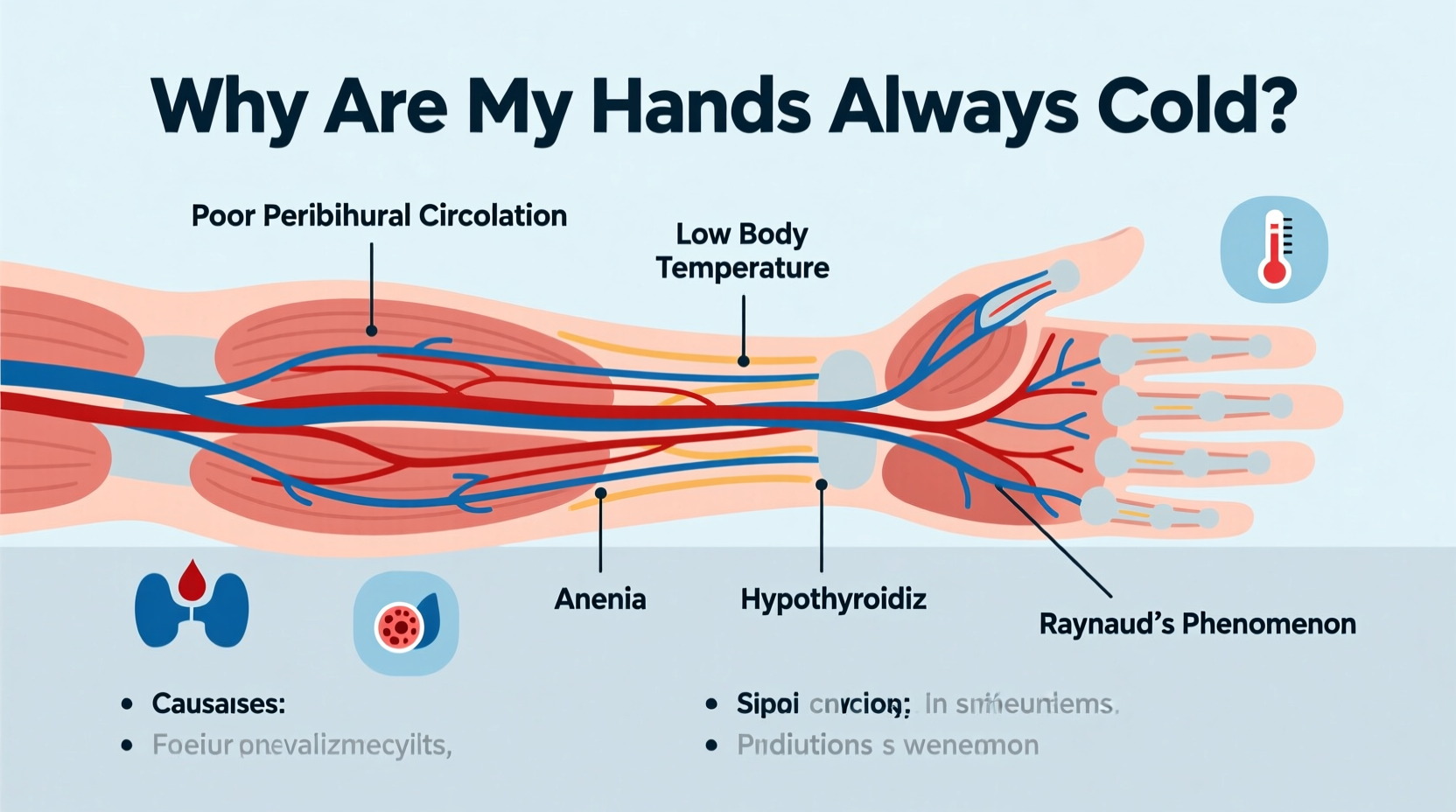
Blood delivers heat as much as it does oxygen. When circulation to the hands is reduced, fingers feel cold due to diminished blood flow. The body naturally prioritizes warming vital organs like the heart and brain over extremities. In cold environments, this response—called vasoconstriction—is normal. However, if your hands remain icy despite a warm room or active movement, it could indicate inefficient circulation.
Peripheral circulation depends on healthy blood vessels, adequate blood pressure, and proper nerve signaling. Conditions like Raynaud’s phenomenon exaggerate the body’s natural cooling response, causing small arteries in fingers to spasm dramatically in reaction to cold or stress. These episodes can turn fingers white or blue before returning to red as circulation resumes.
Common Medical Causes of Cold Hands
Persistent cold hands are sometimes a symptom of an underlying health condition. Identifying these early can prevent complications and improve quality of life.
- Anemia: Low red blood cell count reduces oxygen delivery throughout the body, impairing the ability to generate and maintain heat.
- Hypothyroidism: An underactive thyroid slows metabolism, reducing internal heat production. People with hypothyroidism often report feeling cold all over, particularly in hands and feet.
- Diabetes: Over time, high blood sugar can damage nerves and blood vessels, leading to poor circulation in extremities—a condition known as peripheral neuropathy.
- Raynaud’s Disease: This condition affects up to 5% of the population and causes episodic restriction of blood flow to fingers and toes, typically triggered by cold or emotional stress.
- Autoimmune Disorders: Lupus, scleroderma, and rheumatoid arthritis are linked to vascular changes that compromise hand warmth.
“Cold hands can be more than a minor annoyance—they’re sometimes the first clue to systemic vascular or endocrine dysfunction.” — Dr. Lena Torres, Vascular Neurologist, Cleveland Clinic
Lifestyle and Environmental Triggers
Not all cases stem from medical conditions. Daily habits and surroundings play a major role in hand temperature regulation.
Sedentary behavior reduces overall circulation. Sitting at a desk for hours without moving allows blood to pool and slows return flow from limbs. Smoking constricts blood vessels and damages endothelial lining, worsening peripheral blood flow. Caffeine and certain medications—including decongestants and beta-blockers—can also induce vasoconstriction.
Environmental exposure matters. Even indoor settings with poor heating or excessive air conditioning contribute to persistent coldness. Working in refrigerated environments or frequently handling cold objects (like freezer items or metal tools) trains the body to restrict blood flow preemptively.
| Factor | Impact on Hand Temperature | Action Step |
|---|---|---|
| Sedentary Work | Reduces circulation to extremities | Take movement breaks every 30–60 minutes |
| Smoking | Constricts blood vessels | Quit smoking; seek cessation support |
| Caffeine Intake | May cause temporary vasoconstriction | Limit to 1–2 cups/day; avoid late in day |
| Tight Jewelry or Clothing | Restricts blood flow | Wear looser rings, sleeves, and gloves |
Practical Steps to Warm Your Hands
Whether your cold hands are due to lifestyle or medical causes, targeted actions can make a measurable difference.
- Exercise regularly: Cardiovascular activities like brisk walking, cycling, or swimming improve overall circulation. Just 20 minutes a day can enhance blood flow to extremities over time.
- Dress in layers: Retaining core warmth helps maintain peripheral circulation. Wear thermal base layers and insulate your torso—this encourages blood to flow outward rather than being shunted inward.
- Use heated gloves or hand warmers: Chemical or rechargeable hand warmers provide immediate relief during outdoor activities or commutes.
- Practice hand massage: Gently massaging fingers and palms stimulates local circulation and relaxes tense muscles that may compress small vessels.
- Avoid sudden temperature shifts: Going from a heated building into freezing air shocks the vascular system. Allow gradual acclimation when possible.
Mini Case Study: Office Worker with Persistent Cold Hands
Sarah, a 34-year-old data analyst, reported chronically cold hands year-round, even while wearing gloves indoors. She worked long hours at a desk with minimal movement and drank three energy drinks daily. After consultation, her doctor ruled out Raynaud’s and thyroid issues but noted low iron levels and high caffeine intake. Sarah began walking during lunch, switched to herbal tea, and started iron supplementation. Within six weeks, she reported significantly warmer hands and increased energy. Her case illustrates how lifestyle adjustments—even without disease—can resolve symptoms effectively.
When to See a Doctor
Occasional cold hands are normal. But persistent symptoms accompanied by color changes (white, blue, red), numbness, pain, or sores on fingertips warrant medical evaluation. These signs may point to Raynaud’s, autoimmune disorders, or vascular disease.
Diagnostic tests may include blood work (for anemia or thyroid function), nailfold capillaroscopy (to examine tiny blood vessels), or Doppler ultrasound (to assess blood flow). Early diagnosis of conditions like scleroderma or Buerger’s disease can prevent irreversible tissue damage.
Checklist: What You Can Do Today
- ✅ Move every hour—stand, stretch, or walk briefly
- ✅ Check your diet for iron, vitamin B12, and folate
- ✅ Eliminate or reduce caffeine and nicotine
- ✅ Wear insulated gloves in cold weather
- ✅ Monitor for skin color changes or pain in fingers
- ✅ Schedule a wellness check-up if symptoms persist
Frequently Asked Questions
Can anxiety cause cold hands?
Yes. During stress or anxiety, the body activates the “fight-or-flight” response, redirecting blood from extremities to core organs. This natural survival mechanism can leave hands feeling cold, clammy, or numb. Managing stress through breathing exercises, meditation, or therapy often improves symptoms.
Are cold hands dangerous?
Not always. But if they’re accompanied by fatigue, brittle nails, hair loss, or constant fatigue, it could indicate hypothyroidism or anemia. Sudden onset or asymmetry (one hand much colder than the other) should be evaluated promptly, as it may suggest a blocked artery.
Do women get cold hands more than men?
Yes, statistically. Women are more prone due to lower muscle mass, higher fat distribution, and hormonal fluctuations. Estrogen influences vascular tone, and many women report worse symptoms during menstruation or menopause.
Conclusion: Take Control of Your Comfort
Chronically cold hands are more than a seasonal inconvenience—they’re a signal from your body about circulation, metabolism, and overall health. While some causes require medical attention, many solutions start with simple, sustainable changes. From staying active and adjusting your wardrobe to reviewing your diet and stress levels, each step contributes to better blood flow and lasting warmth. Don’t dismiss the chill. Listen to your body, take action, and reclaim comfort—one warm handshake at a time.




 浙公网安备
33010002000092号
浙公网安备
33010002000092号 浙B2-20120091-4
Comments
No comments yet. Why don't you start the discussion?