
Many people experience persistently cold hands, especially during colder months. But when the chill lingers year-round—even in warm environments—it’s worth paying attention. Cold hands aren’t always a sign of a serious condition, but they can sometimes point to underlying health issues affecting circulation, nerves, or metabolism. Understanding the root causes and recognizing warning signs can help you determine whether it’s time to seek medical advice.
Common Causes of Chronically Cold Hands
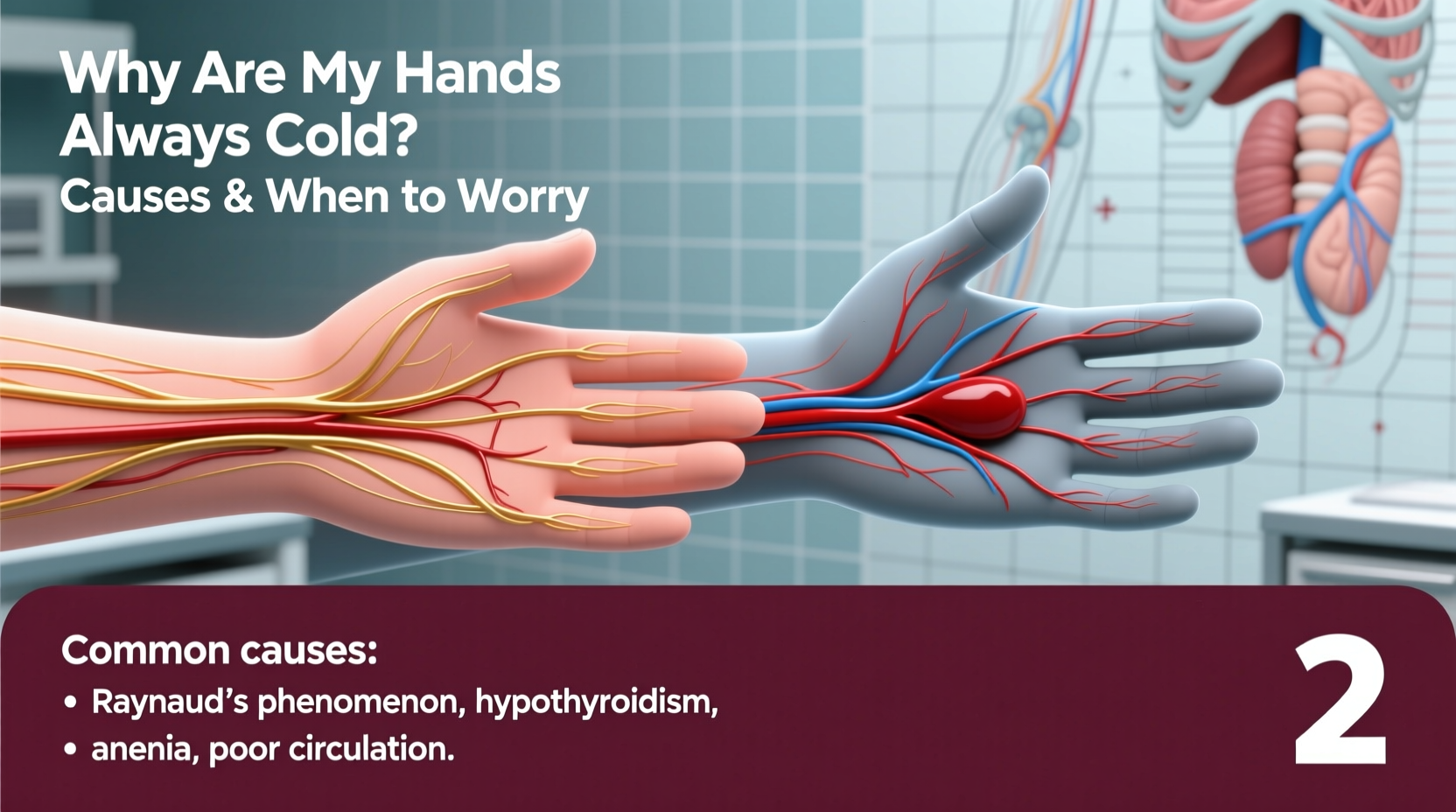
The sensation of cold hands typically stems from reduced blood flow to the extremities. The body naturally prioritizes warming vital organs over limbs, so fingers and hands often feel colder first. However, several factors can exacerbate or trigger this response:
- Low ambient temperature: Exposure to cold triggers vasoconstriction—narrowing of blood vessels—to conserve heat.
- Raynaud’s phenomenon: A condition where small arteries spasm excessively in response to cold or stress, leading to color changes (white, blue, then red) in fingers.
- Anemia: Low red blood cell count reduces oxygen delivery and can impair circulation, making extremities feel cold.
- Hypothyroidism: An underactive thyroid slows metabolism, reducing internal heat production.
- Peripheral artery disease (PAD): Narrowed arteries limit blood flow to limbs, often accompanied by leg pain during activity.
- Nerve damage (neuropathy): Diabetes or other conditions may impair nerve signals related to temperature regulation.
- Low body weight: Less body fat means less insulation and lower baseline metabolic heat.
When Cold Hands Signal a Medical Concern
Occasional cold hands are normal. But persistent symptoms—especially when paired with other signs—may indicate an underlying disorder. You should consider consulting a healthcare provider if you experience:
- Frequent color changes in fingers (white, blue, red)
- Pain, numbness, or tingling in hands beyond cold exposure
- Slow-healing cuts or sores on fingertips
- Symptoms that interfere with daily tasks (e.g., difficulty typing or gripping objects)
- Cold hands even in warm rooms or tropical climates
“Persistent cold extremities, especially with skin discoloration, should not be ignored. It could be early Raynaud’s or a vascular issue needing evaluation.” — Dr. Lena Torres, Vascular Medicine Specialist
Red Flags That Warrant Immediate Attention
In rare cases, chronically cold hands may reflect more serious circulatory problems. Seek prompt medical care if you notice:
- Sudden onset of coldness in one hand only
- Swelling, paleness, or loss of pulse in the affected hand
- Chest pain or shortness of breath alongside cold extremities
- Signs of infection near fingers or wrists with poor warmth return
Diagnosing the Underlying Cause
A doctor will typically begin with a detailed history and physical exam. They may ask about your environment, lifestyle habits, family history of autoimmune diseases, and accompanying symptoms like fatigue or hair loss (which may suggest hypothyroidism).
Diagnostic tests might include:
| Test | Purpose | Conditions Identified |
|---|---|---|
| Blood tests (CBC, TSH, glucose) | Check for anemia, thyroid function, diabetes | Anemia, hypothyroidism, neuropathy |
| Capillaroscopy | Examine tiny blood vessels under fingernail folds | Raynaud’s, connective tissue disorders |
| Doppler ultrasound | Assess blood flow in arteries | Peripheral artery disease, blockages |
| Autoimmune panels (ANA, RF) | Detect markers of lupus, scleroderma | Secondary Raynaud’s due to autoimmune disease |
Everyday Strategies to Improve Hand Warmth
While treating any medical cause is essential, simple lifestyle adjustments can significantly improve comfort and circulation.
Step-by-Step Guide to Warmer Hands
- Layer clothing properly: Wear thermal base layers and insulating mid-layers before adding outerwear. Heat lost from the core affects extremities.
- Use heated gloves or hand warmers: Rechargeable options are effective for outdoor workers or those with Raynaud’s.
- Exercise regularly: Cardiovascular activity improves overall circulation. Even brisk walking 20 minutes a day helps.
- Avoid smoking: Nicotine constricts blood vessels and worsens peripheral circulation.
- Manage stress: Anxiety can trigger vasospasms. Practice breathing exercises or mindfulness techniques.
- Stay hydrated: Dehydration reduces blood volume and impairs circulation.
Mini Case Study: Sarah’s Experience with Raynaud’s
Sarah, a 34-year-old graphic designer, began noticing her fingers turning white and numb every winter while working at her desk near a drafty window. Initially dismissing it as normal cold sensitivity, she eventually developed sharp pains and slow color recovery after warming up. After seeing a rheumatologist, capillaroscopy revealed abnormal vessel patterns, and blood tests showed positive ANA markers. She was diagnosed with secondary Raynaud’s linked to early-stage lupus. With medication (calcium channel blockers), ergonomic workspace adjustments, and wearing fingerless gloves lined with thermal fabric, her symptoms improved dramatically within three months.
Do’s and Don’ts for Managing Cold Hands
| Do | Don't |
|---|---|
| Keep hands dry and insulated in cold weather | Expose hands directly to icy surfaces or cold water |
| Warm hands gradually (e.g., warm water, not hot) | Rub or massage frozen-looking skin aggressively |
| Treat underlying conditions like anemia or thyroid issues | Ignore worsening symptoms or color changes |
| Monitor symptoms and keep a symptom journal | Self-diagnose based on internet searches alone |
Frequently Asked Questions
Can anxiety cause cold hands?
Yes. During periods of stress or anxiety, the body activates the “fight-or-flight” response, which diverts blood away from extremities toward vital organs. This natural reaction can make hands feel cold even in warm environments. Chronic stress may lead to persistent vasoconstriction, contributing to long-term discomfort.
Is it normal for only one hand to be cold?
Not usually. While minor differences in temperature between hands can occur, a consistently colder hand—especially if new or sudden—could indicate localized vascular issues such as thoracic outlet syndrome, arterial blockage, or nerve compression. This warrants medical evaluation to rule out serious causes.
Can medications cause cold hands?
Yes. Certain drugs, including beta-blockers (used for high blood pressure), migraine medications containing ergotamine, and some ADHD stimulants, can restrict blood flow as a side effect. If you suspect a medication is causing cold hands, consult your doctor before making any changes.
Conclusion: Know Your Body, Take Action
Chronic cold hands are more than just a seasonal annoyance—they can be a signal from your body that something needs attention. While many causes are benign and manageable through lifestyle choices, others require timely diagnosis and treatment. Pay attention to patterns, document associated symptoms, and don’t hesitate to reach out to a healthcare professional if concerns arise. Circulation reflects overall vascular health, and addressing issues early can prevent complications down the line.




 浙公网安备
33010002000092号
浙公网安备
33010002000092号 浙B2-20120091-4
Comments
No comments yet. Why don't you start the discussion?