
If you’ve found yourself sneezing more, eyes watering, or struggling through outdoor activities lately, you’re not alone. Millions of people across the U.S. and other temperate regions report that their pollen allergies feel significantly worse this year than in previous seasons. While seasonal allergies are common, the intensity many are experiencing now suggests deeper environmental and physiological factors at play. This article explores the real reasons behind heightened allergy severity, backed by climate data, immunology research, and clinical insights—and offers practical, effective relief strategies you can start using today.
Climate Change and Longer Pollen Seasons
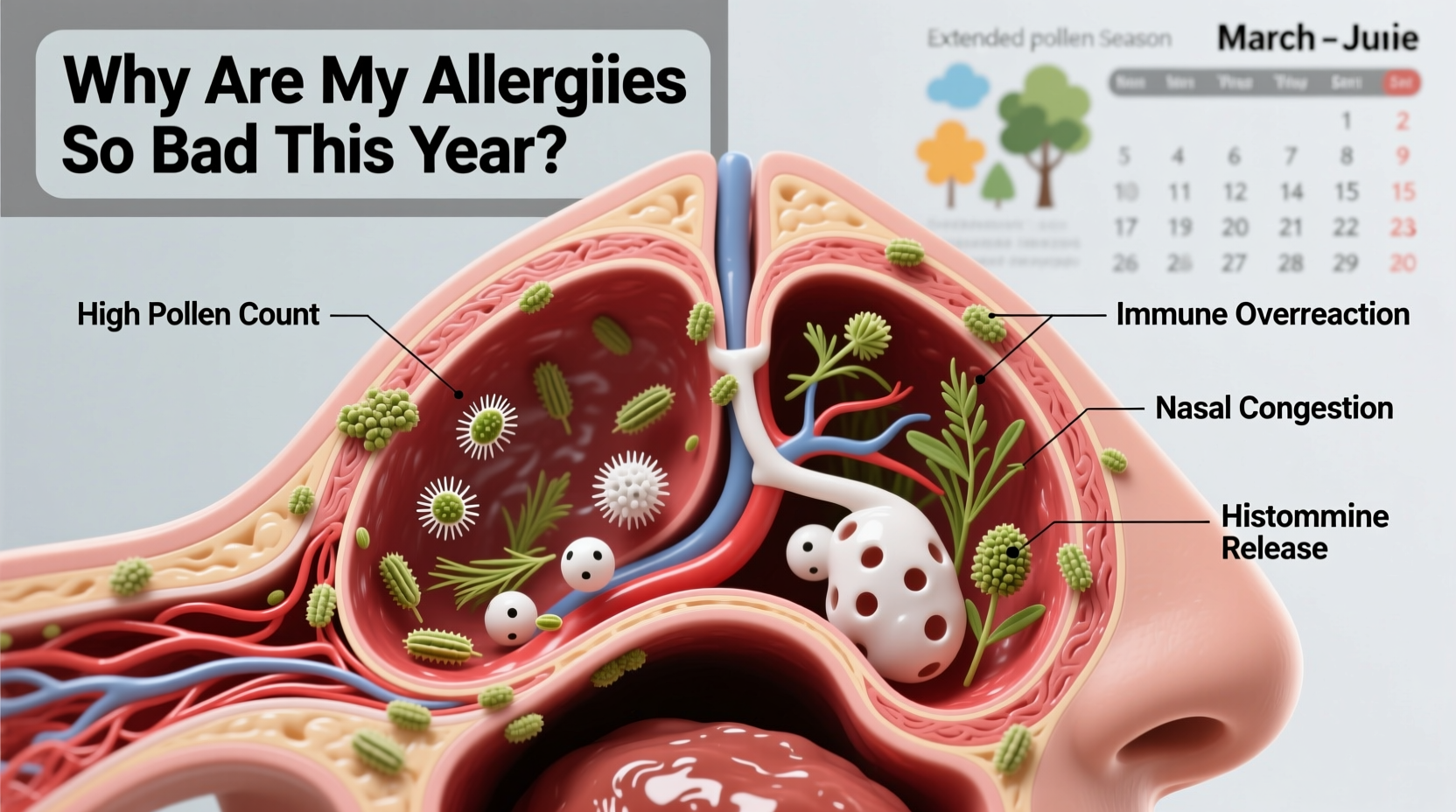
One of the most significant contributors to worsening pollen allergies is climate change. Rising global temperatures have extended growing seasons for plants, meaning trees, grasses, and weeds produce pollen earlier in the spring and later into the fall. According to a 2021 study published in Nature Communications, the North American pollen season has lengthened by nearly 20 days on average since 1990, with pollen concentrations increasing by over 20% during that time.
Warmer winters allow plants to emerge from dormancy sooner. Increased atmospheric carbon dioxide (CO₂) also acts as a fertilizer, stimulating plants to grow larger and produce more pollen. For example, ragweed—a major allergen—produces up to 60% more pollen when grown under elevated CO₂ conditions.
Urbanization and Air Pollution Synergy
Cities are becoming hotspots for severe allergy symptoms, not just because of higher plant density but due to the interaction between pollen and air pollution. Vehicle exhaust, industrial emissions, and ground-level ozone don’t just irritate the lungs—they alter pollen grains at a molecular level, making them more allergenic.
Studies show that pollutants like nitrogen dioxide (NO₂) and particulate matter (PM2.5) can break down pollen into smaller particles that penetrate deeper into the respiratory tract. These modified pollen fragments trigger stronger immune responses, leading to more intense symptoms such as nasal congestion, coughing, and even asthma flare-ups.
Additionally, urban environments often feature landscaping dominated by male ornamental trees and shrubs—which produce pollen but no seeds or fruit—because they require less maintenance. This “botanical sexism” leads to disproportionately high pollen loads in city centers.
Changes in Immune System Exposure (The Hygiene Hypothesis)
A lesser-known but well-supported theory is the hygiene hypothesis. Modern lifestyles, particularly in developed countries, involve reduced exposure to microbes, parasites, and diverse environmental antigens during childhood. Without these natural immune system trainers, the body may become hyper-reactive to harmless substances like pollen.
Children raised in rural areas, on farms, or with pets tend to develop fewer allergies. Their immune systems learn early to distinguish between true threats and benign particles. In contrast, overly sanitized environments may predispose individuals to allergic sensitization later in life.
“Pollen isn’t inherently more dangerous—it’s our immune systems that have become more reactive due to changes in environment and lifestyle.” — Dr. Lena Patel, Allergist & Immunologist, Johns Hopkins Medicine
Effective Relief Strategies: What Works Now
While you can’t control the weather or reverse urban development, you *can* take meaningful steps to reduce your exposure and symptom burden. The following checklist combines medical recommendations with practical behavioral adjustments.
Personal Allergy Relief Checklist
- Start antihistamines or nasal corticosteroids 1–2 weeks before allergy season begins
- Keep windows closed during peak pollen hours (5 a.m.–10 a.m.)
- Shower and change clothes after being outdoors
- Use HEPA filters in bedrooms and HVAC systems
- Wear wraparound sunglasses to reduce eye exposure
- Avoid hanging laundry outside where pollen can cling to fabric
- Check daily pollen counts and plan outdoor activities for low-pollen days
Comparing Common Allergy Treatments
| Treatment | Best For | Onset Time | Potential Side Effects |
|---|---|---|---|
| Oral Antihistamines (e.g., loratadine, cetirizine) | Sneezing, itching, runny nose | 30–60 minutes | Drowsiness (especially with older types like diphenhydramine) |
| Nasal Corticosteroid Sprays (e.g., fluticasone) | Chronic congestion, inflammation | 1–3 days (best used preventively) | Nasal irritation, occasional nosebleeds |
| Decongestants (e.g., pseudoephedrine) | Short-term congestion relief | 15–30 minutes | Increased blood pressure, insomnia; not for long-term use |
| Leukotriene Inhibitors (e.g., montelukast) | Allergy-induced asthma, nasal symptoms | Several hours to days | Mood changes (rare); requires monitoring |
| Allergy Shots (Immunotherapy) | Long-term desensitization | Months to years for full effect | Local swelling, rare systemic reactions |
A Real-Life Example: Managing Spring Allergies in Austin, TX
Sarah, a 34-year-old teacher in Austin, Texas, noticed her seasonal allergies became unbearable in early March 2024. She experienced constant fatigue, sinus headaches, and difficulty concentrating—symptoms that interfered with her work. After visiting an allergist, she learned her IgE levels were highly reactive to oak and cedar pollen, both abundant in Central Texas.
Her doctor recommended starting a daily nasal steroid spray in late February, adding a non-drowsy antihistamine during peak weeks, and installing a HEPA air purifier in her bedroom. Sarah also began checking the local pollen forecast each morning and shifted her jogging routine to late afternoon when pollen counts dropped. Within three weeks, her symptoms improved dramatically. She reported better sleep, less reliance on decongestants, and regained energy.
This case illustrates how combining proactive medication, environmental control, and behavioral adaptation can significantly improve quality of life—even in high-pollen regions.
Step-by-Step Guide to Building Your Allergy Defense Plan
- Identify your triggers: See an allergist for skin or blood testing to pinpoint specific pollens affecting you.
- Track local pollen levels: Use reliable sources like the National Allergy Bureau (NAB) or weather apps with pollen tracking.
- Begin preventive treatment: Start nasal steroids or antihistamines 1–2 weeks before your typical symptom onset.
- Reduce indoor exposure: Seal windows, use air purifiers, vacuum with HEPA filters, and avoid drying clothes outside.
- Modify outdoor habits: Wear masks on high-pollen days, shower post-exposure, and keep car vents on recirculate mode.
- Reevaluate annually: Adjust your strategy based on symptom patterns and consult your doctor about long-term options like immunotherapy.
Frequently Asked Questions
Why do my allergies feel worse this year compared to last year?
Allergy severity varies annually based on weather patterns, rainfall, temperature shifts, and pollen load. A mild winter followed by a warm, wet spring can lead to explosive plant growth and higher pollen production. Additionally, increased air pollution and personal stress levels can amplify immune responses, making symptoms feel more intense.
Can diet help reduce pollen allergy symptoms?
While no food cures allergies, some evidence suggests that anti-inflammatory diets rich in antioxidants (like fruits, vegetables, omega-3 fatty acids) may support immune balance. Some people experience oral allergy syndrome (OAS), where raw fruits and vegetables cross-react with pollen proteins. If you notice itching when eating apples, carrots, or almonds during pollen season, cooking these foods may reduce symptoms.
Are children more affected by rising pollen levels?
Yes. Children spend more time outdoors and have developing immune and respiratory systems. With pollen seasons starting earlier and lasting longer, kids are exposed to allergens at younger ages, increasing the risk of developing chronic allergies or asthma. Early intervention with environmental controls and medical guidance is key.
Take Control of Your Allergy Season
The rise in pollen allergy severity isn’t imaginary—it’s a measurable consequence of climate change, urban design, and modern living. But understanding the causes empowers you to respond effectively. By combining medical treatments with smart environmental management and timely interventions, you can reclaim your spring and summer months without being sidelined by symptoms.




 浙公网安备
33010002000092号
浙公网安备
33010002000092号 浙B2-20120091-4
Comments
No comments yet. Why don't you start the discussion?