
Sticky stools—those that cling to the toilet bowl, leave a film on the water, or are difficult to flush—are more than just a bathroom nuisance. They can signal changes in digestion, dietary habits, or even underlying health conditions. While occasional variations in stool consistency are normal, persistent stickiness warrants attention. Understanding the root causes and knowing when to act can help protect your digestive health and overall well-being.
What Makes Stools Sticky?
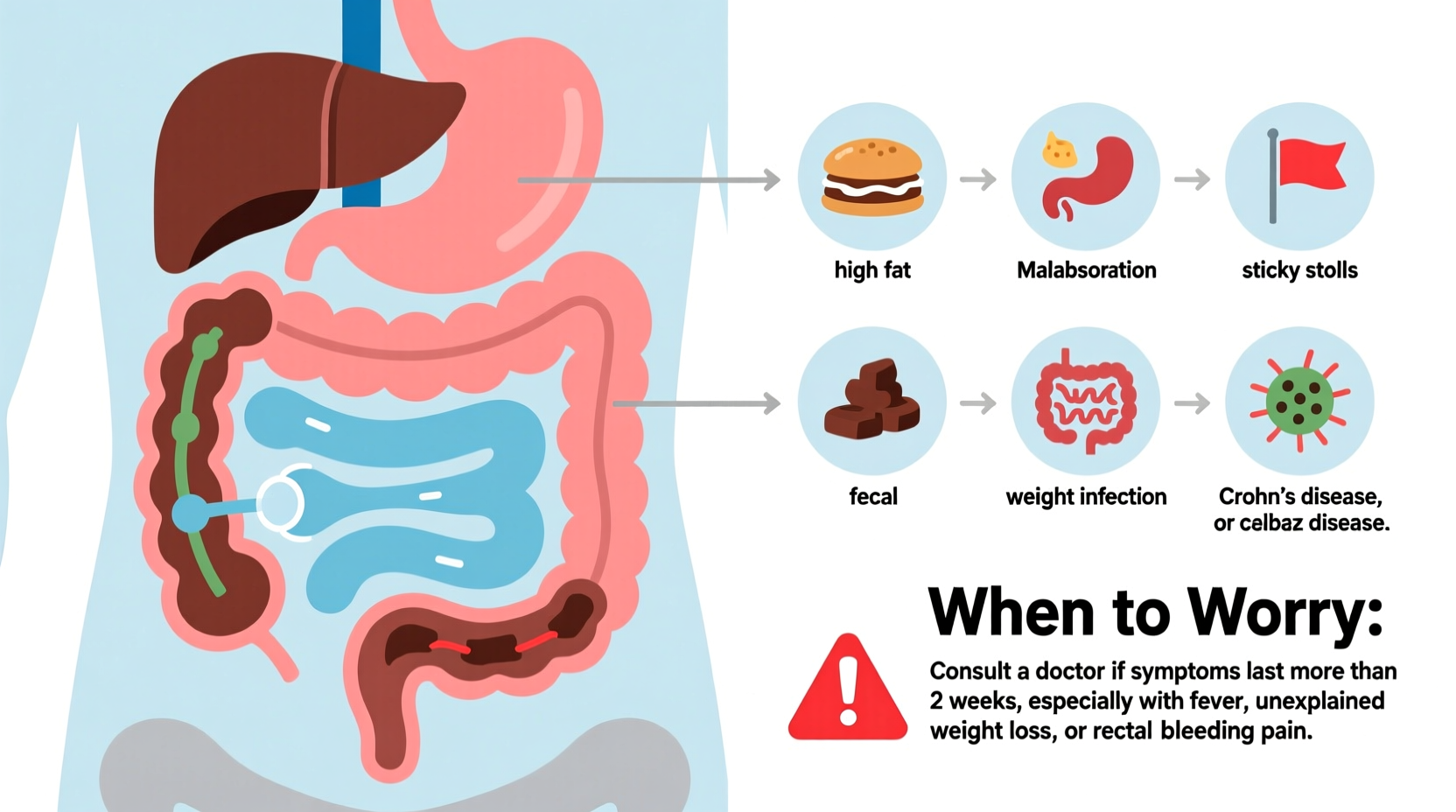
Normal stools are firm, well-formed, and pass easily without residue. Sticky stools, by contrast, may appear greasy, oily, or unusually soft, sometimes floating or leaving a slick film behind. This texture often points to excess fat in the stool—a condition known medically as steatorrhea. Fat normally gets broken down by bile and absorbed in the small intestine. When this process is disrupted, undigested fat passes into the colon, altering stool consistency and appearance.
Diet plays a major role. Foods high in fat, especially saturated and trans fats, can temporarily increase fat content in stool. However, if sticky bowel movements persist despite dietary adjustments, it may indicate a deeper issue with fat absorption or organ function.
Common Causes of Sticky Stools
Several factors can contribute to sticky bowel movements. Some are temporary and diet-related; others point to chronic conditions affecting the digestive system.
- High-fat diet: Consuming large amounts of fried foods, oils, fatty meats, or rich sauces can overwhelm the digestive system, leading to fat malabsorption.
- Lactose intolerance: Inability to digest lactose (milk sugar) may cause bloating, gas, and loose, sticky stools after consuming dairy.
- Celiac disease: An autoimmune reaction to gluten damages the small intestine lining, impairing nutrient and fat absorption.
- Pancreatic insufficiency: The pancreas produces enzymes essential for digesting fats. Conditions like chronic pancreatitis or cystic fibrosis reduce enzyme output, leading to greasy, sticky stools.
- Bile acid malabsorption: Bile helps emulsify fats. If bile isn’t properly reabsorbed in the ileum, excess fat remains in the stool.
- Gut infections: Parasites like Giardia or bacterial overgrowth can interfere with digestion and cause sticky, foul-smelling diarrhea.
- Irritable bowel syndrome (IBS): While not directly causing fat malabsorption, IBS can alter stool consistency and lead to mucus-laden or sticky-feeling stools.
When Diet Is the Culprit
A short-term spike in fat intake—such as indulging in fast food or holiday meals—can result in temporary sticky stools. These usually resolve within a day or two once normal eating resumes. However, if symptoms continue beyond three days despite dietary improvements, further evaluation is needed.
“Persistent sticky stools should never be ignored. They’re often the body’s way of signaling impaired fat digestion or intestinal inflammation.” — Dr. Lena Torres, Gastroenterologist
When to Worry: Red Flags to Watch For
Occasional sticky stools aren’t necessarily alarming. But certain accompanying symptoms suggest an underlying medical issue requiring prompt attention.
| Symptom | May Indicate | Action Needed |
|---|---|---|
| Foul-smelling, oily stools that float | Steatorrhea, pancreatic issues | Consult gastroenterologist |
| Unintentional weight loss | Malabsorption, chronic illness | Seek medical evaluation |
| Abdominal pain or bloating | IBS, infection, celiac disease | Monitor and document frequency |
| Yellow or pale-colored stools | Liver or bile duct problems | Immediate medical review |
| Chronic diarrhea lasting >2 weeks | Infection, inflammatory bowel disease | Diagnostic testing required |
If you notice blood in the stool, fever, severe cramping, or jaundice (yellowing of skin or eyes), seek medical care immediately. These signs may point to serious conditions such as liver disease, pancreatic cancer, or inflammatory bowel diseases like Crohn’s or ulcerative colitis.
Step-by-Step Guide to Assessing and Addressing Sticky Stools
Follow this practical timeline to determine whether your symptoms are temporary or require professional intervention.
- Day 1–3: Track your diet and symptoms. Keep a journal noting meals, stool appearance, and any discomfort. Avoid processed fats and dairy initially.
- Day 4–5: Eliminate suspected triggers. Cut out fried foods, heavy cream, butter, and gluten if sensitivity is suspected. Replace with lean proteins, vegetables, and whole grains.
- Day 6–7: Reassess. If stools normalize, reintroduce one food at a time to identify the culprit. If no improvement, proceed to next step.
- Week 2: Consult a healthcare provider. Request blood tests (e.g., celiac panel), stool analysis for fat content, and possibly imaging (abdominal ultrasound or CT scan).
- Week 3+: Follow up with specialist. Based on results, you may need referral to a gastroenterologist for endoscopy, breath testing, or enzyme replacement therapy.
Mini Case Study: Recognizing Celiac Disease Through Stool Changes
Sarah, a 34-year-old teacher, noticed her stools had become increasingly sticky and foul-smelling over several months. She also felt fatigued and lost 8 pounds unintentionally. After cutting back on fatty foods with no improvement, she visited her doctor. Blood tests revealed elevated antibodies for celiac disease, confirmed by a biopsy showing intestinal damage. Upon adopting a strict gluten-free diet, her symptoms resolved within six weeks. Her case highlights how persistent sticky stools can be an early warning sign of autoimmune digestive disorders.
Checklist: What You Can Do Today
Use this checklist to take control of your digestive health:
- ✅ Review your last 3 days of meals for high-fat or processed foods
- ✅ Eliminate obvious fat sources (fried foods, creamy sauces) for 5 days
- ✅ Increase fiber intake with oats, apples, carrots, and legumes
- ✅ Stay hydrated—drink at least 8 glasses of water daily
- ✅ Monitor bowel movements and note changes in color, smell, or consistency
- ✅ Schedule a doctor’s visit if symptoms persist beyond 7–10 days
- ✅ Consider testing for food intolerances (gluten, lactose) if family history suggests risk
FAQ
Can stress cause sticky stools?
While stress doesn't directly cause fat in the stool, it can worsen conditions like IBS, which may alter bowel consistency and lead to mucus or sticky-feeling stools. Managing stress through mindfulness or therapy can improve digestive comfort.
Are floating stools always a sign of a problem?
Not always. Occasional floating stools can result from gas or dietary changes. However, consistently floating, greasy stools that are difficult to flush strongly suggest fat malabsorption and should be evaluated.
Is it normal for breastfed babies to have sticky stools?
Yes. Breastfed infants often have soft, yellow, sometimes sticky stools, which is normal. However, in older children or adults, sticky stools are less typical and warrant investigation if persistent.
Conclusion
Sticky stools are more than a passing inconvenience—they can reflect how well your body is digesting and absorbing nutrients. While dietary choices are often the simplest explanation, recurring symptoms should not be dismissed. By paying attention to patterns, making informed adjustments, and seeking timely medical advice, you can uncover the cause and restore digestive balance. Your gut health is foundational to your overall vitality. Listen to its signals, act with awareness, and prioritize long-term wellness.




 浙公网安备
33010002000092号
浙公网安备
33010002000092号 浙B2-20120091-4
Comments
No comments yet. Why don't you start the discussion?