
In the fast-evolving world of digital fashion, platforms rise and fall based on user experience, algorithmic transparency, and community dynamics. Once the undisputed leader in visual storytelling, Instagram has faced growing criticism over its shift toward video-heavy content and opaque recommendation systems. As a result, an increasing number of fashion influencers, designers, and brands are migrating to Threads — Meta’s text-first social network — to reclaim creative control and foster deeper audience connections. This shift isn’t just about novelty; it reflects a broader desire for authenticity, conversation, and sustainable engagement in the fashion space.
The Decline of Organic Reach on Instagram
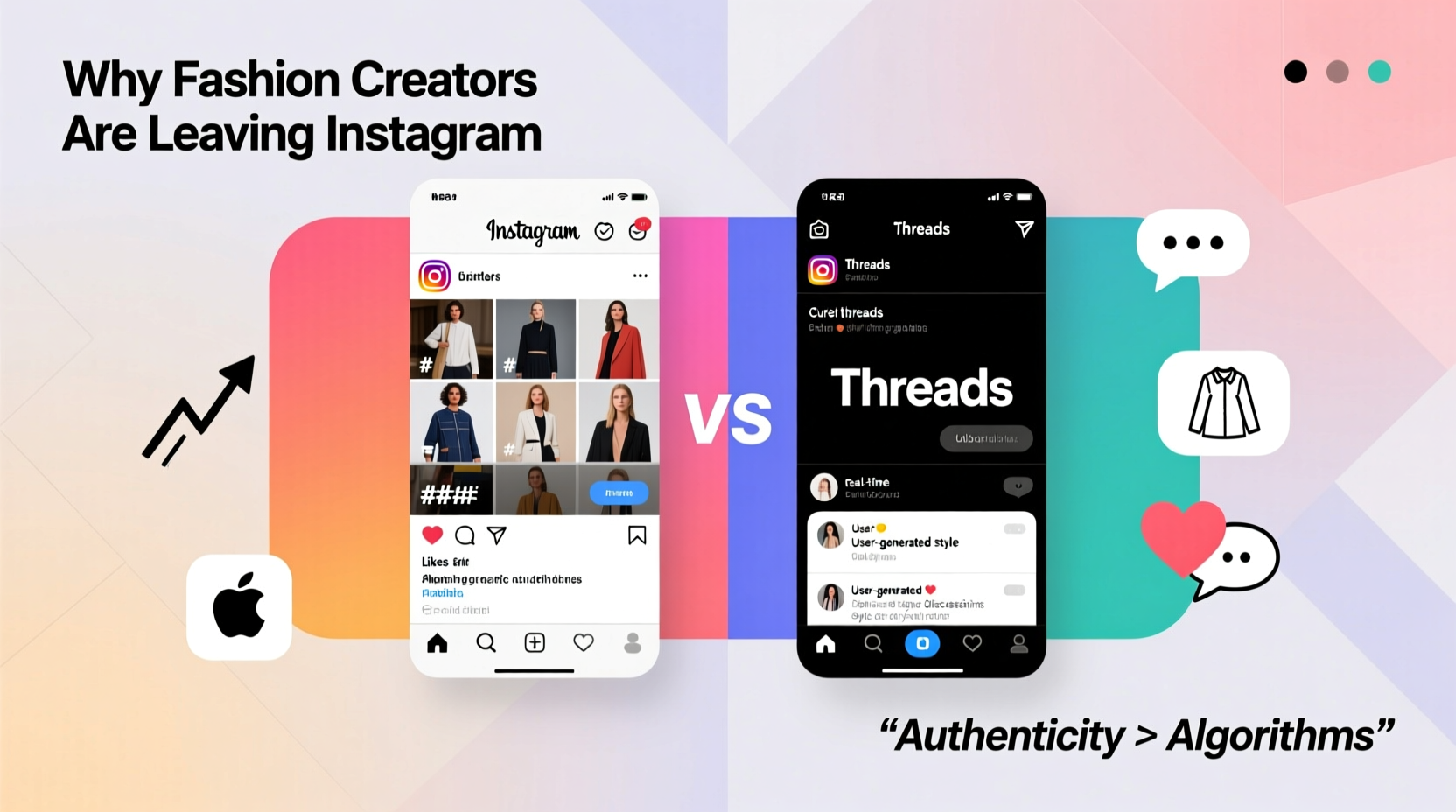
For years, Instagram served as the primary showcase for fashion content. Its grid layout, Stories, Reels, and influencer culture made it ideal for visual branding. However, recent changes have alienated many long-time users. The platform now prioritizes algorithm-driven Reels over static posts, often burying high-quality photography under a flood of short-form videos. Fashion photographers, stylists, and boutique brands report organic reach dropping below 5% — making it nearly impossible to grow without paid promotion.
“Instagram used to reward consistency and aesthetic cohesion,” says Lila Monroe, a New York-based fashion curator with over 200K followers. “Now, unless you’re constantly churning out viral-style videos, your work disappears.” This shift disproportionately affects niche aesthetics like slow fashion, avant-garde design, or heritage tailoring — styles that thrive on detail and narrative, not rapid entertainment.
Threads Offers a Return to Authentic Conversation
Launched in 2023 as a competitor to X (formerly Twitter), Threads was initially seen as a microblogging app focused on real-time dialogue. But its minimalist interface, chronological feed, and support for long-form text quickly attracted creatives seeking refuge from performative social media. For fashion professionals, Threads provides a rare opportunity to discuss trends, ethics, and inspiration without being forced into a video-centric format.
Unlike Instagram’s endless scroll of ads and suggested content, Threads displays posts in reverse chronological order by default. This means followers actually see what you post — when you post it. There’s no pressure to game the algorithm with trending audio or clickbait captions. Instead, thoughtful commentary on runway shows, fabric sourcing, or cultural influences can spark meaningful discussions that build authority and trust.
“We’ve gained more engaged followers in three months on Threads than in two years on Instagram. People aren’t just liking our posts — they’re replying with insights, asking questions, sharing personal style journeys.” — Marcus Tran, founder of @reform.clothing
Key Differences Between Instagram and Threads for Fashion Creators
| Feature | Threads | |
|---|---|---|
| Content Format | Image/Video-centric | Text-first, supports images |
| Algorithm | Opaque, favors Reels & engagement bait | Chronological by default, transparent ranking |
| Engagement Style | Likes, shares, DMs | Replies, reposts, quote threads |
| Average Post Lifespan | Hours (due to fast feed turnover) | Days (slower pace, longer visibility) |
| Creative Freedom | High visual pressure, curated aesthetics | Low-pressure, idea-driven expression |
| Moderation Tools | Limited user control | Customizable keyword filters, mute options |
This comparison highlights why Threads is becoming a sanctuary for fashion thinkers who value depth over virality. While Instagram demands constant production, Threads rewards reflection.
Case Study: From Silent Grid to Vocal Community
Sophia Reyes, a sustainable denim designer based in Barcelona, had built a strong Instagram presence showcasing her hand-dyed jeans and zero-waste patterns. Despite beautiful imagery and collaborations with eco-brands, she struggled to convert followers into customers or conversations. “I felt like I was shouting into a void,” she recalls.
In early 2024, Sophia began using Threads to share behind-the-scenes insights: the challenges of sourcing organic cotton, the emotional labor of running a small atelier, and even her frustrations with greenwashing in mainstream fashion. Within weeks, her replies section became a hub for ethical fashion advocates, fellow makers, and conscious consumers.
One thread discussing “Why natural indigo fades differently” went viral within niche textile circles, leading to features in independent fashion newsletters and invitations to speak at a Berlin sustainability summit. More importantly, direct messages increased by 300%, with clients citing her honesty as the reason they chose to buy.
Sophia didn’t change her brand — she changed her medium. On Threads, her voice finally matched her vision.
How Fashion Brands Are Leveraging Threads Strategically
Forward-thinking brands aren't just posting on Threads — they're reimagining how they communicate. Rather than treating it as another promotional channel, successful accounts use it to humanize their operations, respond to feedback in real time, and co-create with their audience.
Consider these emerging strategies:
- Live Commentary During Fashion Weeks: Designers post real-time reactions, backstage anecdotes, and critiques, turning passive viewers into participants.
- Transparency Threads: Brands break down pricing, material costs, and labor practices in multi-part posts that educate and build trust.
- Feedback Loops: Polls and open-ended questions invite input on upcoming collections, fostering a sense of ownership among followers.
- Collaborative Storytelling: Users are encouraged to reply with photos of how they style pieces, creating organic UGC without the pressure of Reels challenges.
Step-by-Step Guide to Transitioning Your Fashion Content to Threads
- Define Your Voice: Decide whether your Threads persona will be educational, conversational, or opinionated. Consistency builds recognition.
- Audit Your Instagram Content: Identify which posts generated deep comments or DMs — these topics are ideal for expansion into threaded discussions.
- Create a Welcome Thread: Introduce yourself, explain why you’re on Threads, and invite followers to ask questions.
- Repurpose Thoughtfully: Turn image captions into longer reflections. A single photo can inspire a 5-part thread on inspiration, process, and impact.
- Engage Daily: Spend 10–15 minutes replying to replies. Reciprocate attention to grow community loyalty.
- Monitor Analytics: Track which threads gain the most reposts and replies. Double down on those themes.
- Cross-Promote Subtly: Mention your Threads handle in Instagram bios and Stories, but avoid aggressive pushing.
Challenges and Limitations of Threads for Fashion
Despite its advantages, Threads is not a perfect replacement. It lacks Instagram’s robust shopping integrations, analytics dashboard, and video capabilities. Image uploads are limited to 10 per post, and there’s no native way to tag products or link directly to e-commerce pages. Additionally, the user base remains smaller and skewed toward tech-savvy, urban creatives — limiting reach compared to Instagram’s global footprint.
However, many see these constraints as features, not flaws. The absence of shopping tags reduces commercial pressure, allowing fashion discourse to exist beyond transactions. And while the audience is currently niche, it’s highly engaged — a valuable trade-off for brands prioritizing influence over mass exposure.
Frequently Asked Questions
Can I still post fashion photos on Threads?
Yes. Threads supports up to 10 images per post, and high-quality visuals remain effective. However, the platform emphasizes context — pairing images with descriptive text performs better than standalone photos.
Is Threads safe for fashion brands concerned about negative feedback?
Threads offers stronger moderation tools than Instagram, including keyword muting, account blocking, and customizable privacy settings. Many brands find the tone of discourse more civil due to the emphasis on written dialogue over instant reactions.
Do hashtags work on Threads?
Hashtags function but are less dominant than on Instagram. Discovery happens more through engagement (replies, reposts) than search. Using 1–2 relevant hashtags can help, but focus on crafting compelling content first.
Checklist: Optimizing Your Fashion Presence on Threads
- ✅ Write a clear bio explaining your fashion focus and values
- ✅ Pin a welcome or manifesto thread
- ✅ Post at least 3 times per week with varied content types
- ✅ Respond to all early replies to boost visibility
- ✅ Share both professional insights and personal reflections
- ✅ Use alt-text for images to improve accessibility
- ✅ Link to your website or portfolio in your profile
- ✅ Monitor trending fashion conversations and contribute thoughtfully
The Future of Fashion Discourse Is Conversational
The migration from Instagram to Threads signals a broader recalibration in how fashion content is created and consumed. Audiences are no longer satisfied with polished surfaces; they crave substance, accountability, and dialogue. Threads doesn’t eliminate visuals — it repositions them as companions to ideas rather than standalone spectacles.
As algorithms continue to favor engagement over artistry, platforms that prioritize human connection will gain ground. Threads may not replace Instagram entirely, but it offers a vital alternative: a space where fashion is discussed not just as a product, but as a culture, a craft, and a conversation.
“The future of fashion media isn’t in flawless feeds — it’s in fearless conversations.” — Naomi Pierce, Digital Editor at *Runway Review*




 浙公网安备
33010002000092号
浙公网安备
33010002000092号 浙B2-20120091-4
Comments
No comments yet. Why don't you start the discussion?