
The nylon rustle of a windbreaker zipping up. Bold color blocking. Oversized silhouettes with elastic cuffs. These were the hallmarks of 1990s sportswear, once dismissed as outdated gym-class relics—now they're front-row fixtures at fashion weeks and staples in streetwear wardrobes. Retro windbreakers have surged back into mainstream style, worn by everyone from downtown influencers to global athletes. But why now? And what exactly makes these lightweight jackets so compelling decades after their peak?
The return of the 90s windbreaker isn’t just about aesthetics—it’s a convergence of generational nostalgia, cyclical fashion rhythms, sustainability shifts, and digital culture. This revival reflects deeper currents in how we consume clothing today: less about function alone, more about identity, memory, and storytelling.
The Cultural Nostalgia Factor
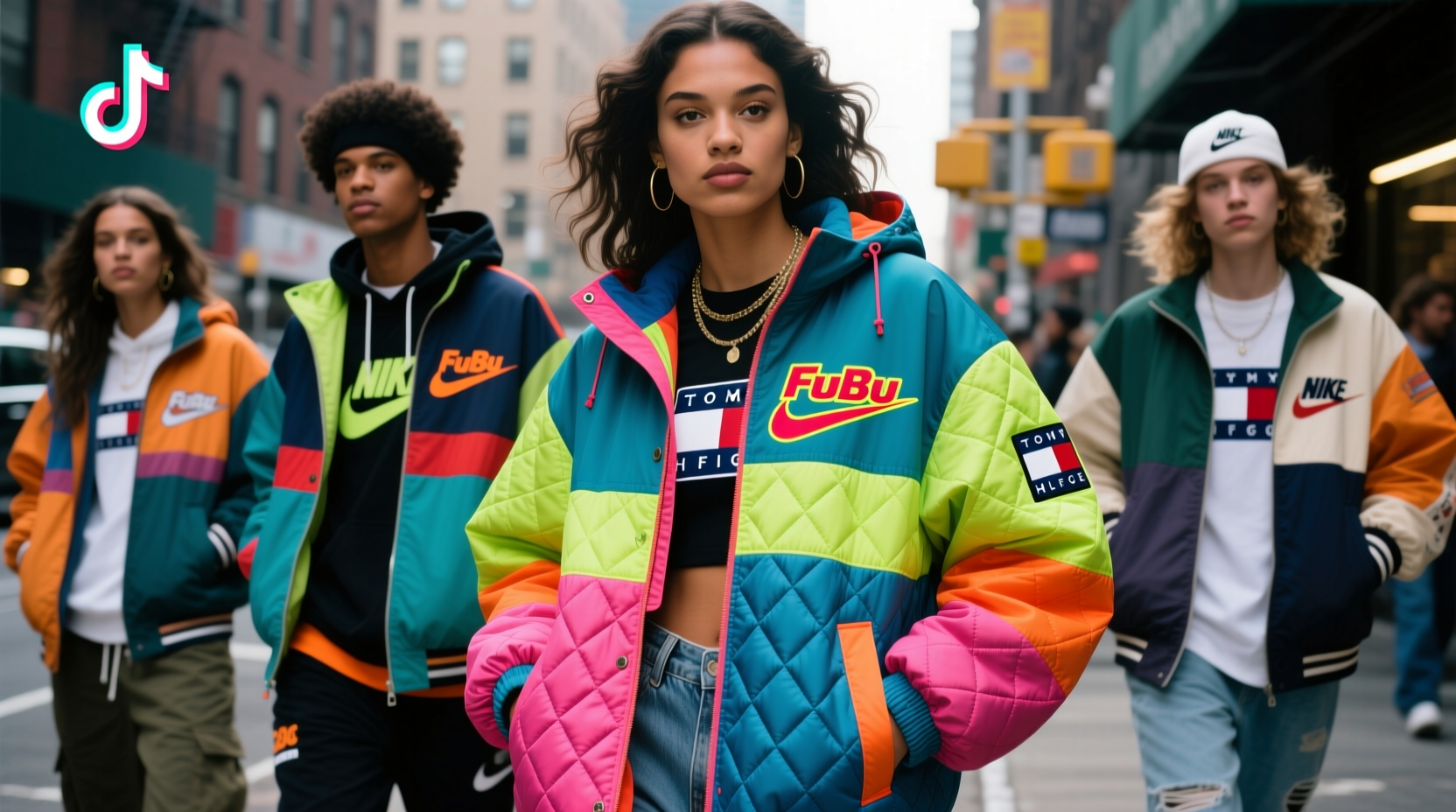
Nostalgia has become one of fashion’s most powerful engines. Millennials and Gen Z—the dominant consumer forces in today’s apparel market—are drawn to styles that evoke emotional resonance, even if indirectly. For many millennials, the windbreaker recalls childhood memories: schoolyard games, family vacations, or weekend trips to the mall. For Gen Z, raised on curated internet archives and vintage aesthetics, the 90s represent an era of raw authenticity before social media saturation.
This longing for simpler times manifests in fashion through reissues, reinterpretations, and homages. Brands like Tommy Hilfiger, Fila, and Champion have reissued classic windbreaker designs with minimal updates, banking on recognition rather than reinvention. Even high-fashion labels such as Balenciaga and Prada have incorporated retro-inspired silhouettes into recent collections, elevating the humble shell jacket to runway status.
“Nostalgia sells because it doesn’t just offer clothing—it offers belonging.” — Dr. Lila Monroe, Cultural Anthropologist & Fashion Trends Analyst
Psychologically, wearing pieces tied to past decades provides comfort during uncertain times. The pandemic, economic instability, and rapid technological change have amplified this desire for familiar touchstones. A bright yellow and navy windbreaker may seem trivial, but it can symbolize safety, youth, and optimism—all qualities in short supply lately.
Fashion’s Cyclical Nature and the 30-Year Rule
Fashion operates in cycles, often repeating trends every 20–30 years. This phenomenon, sometimes called the “30-year rule,” suggests that styles fall out of favor, lie dormant, then re-emerge when they feel fresh again to a new generation. The 1990s are now firmly within this sweet spot: distant enough to feel novel, close enough to be accessible.
Consider the timeline:
- 1990s: Windbreakers dominate casual wear—popularized by athletes, hip-hop artists, and outdoor brands.
- 2000s: Replaced by tech fabrics and minimalist designs; windbreakers seen as unfashionable.
- 2010s: Vintage hunting rises; thrift stores begin stocking 90s gear.
- 2020s: Full-scale revival, driven by resale markets, influencer culture, and brand relaunches.
Each cycle brings reinterpretation. Today’s windbreakers aren’t exact replicas—they’re often slightly longer, roomier, or paired with modern staples like wide-leg jeans or chunky sneakers. Designers tweak proportions while preserving signature details: reflective logos, mesh lining, and dual-slider zippers.
Sustainability and the Rise of Secondhand Culture
Another major driver behind the windbreaker comeback is the growing emphasis on sustainable fashion. With increasing awareness of fast fashion’s environmental toll, consumers are turning to secondhand, vintage, and durable garments. Windbreakers, originally designed for performance and longevity, fit perfectly into this mindset.
Unlike disposable polyester blends flooding discount racks today, many original 90s windbreakers were built to last. Made from tightly woven ripstop nylon with reinforced stitching, they resist tears and weather damage. Their simple construction also means fewer components to fail—no complex linings or electronic elements.
Platforms like Depop, Poshmark, and Grailed have turned vintage windbreakers into collectible items. Rare colorways, limited editions, or athlete-signed versions can fetch hundreds of dollars. This secondary market fuels demand and encourages preservation rather than disposal.
Moreover, repairing and restyling old windbreakers aligns with circular fashion principles. DIY customization—adding patches, dyeing, or altering hems—has become a creative outlet for eco-conscious wearers.
Streetwear Influence and Celebrity Endorsement
No discussion of modern windbreaker popularity would be complete without acknowledging streetwear’s dominance in shaping taste. Since the mid-2010s, streetwear has blurred the lines between athletic, military, and casual wear. The windbreaker, historically positioned at this intersection, became a natural candidate for reinvention.
Celebrities and musicians have played pivotal roles in normalizing the look. Kanye West wore oversized windbreakers during Yeezy Season presentations. Rihanna has been spotted in vintage Nike and Adidas shells. Travis Scott regularly layers them over graphic tees, reinforcing their cool factor.
Athleisure trends further legitimized performance wear as everyday attire. As society embraced comfort post-pandemic, the functional benefits of windbreakers—lightweight, packable, water-resistant—gained renewed appreciation. They transition seamlessly from errands to travel to casual outings.
Urban environments, where sudden rain showers and temperature swings are common, make windbreakers especially practical. Yet their appeal extends beyond utility. In cities like Tokyo, Berlin, and Brooklyn, styling a windbreaker with tailored pants or leather boots signals an intentional, layered aesthetic—one that balances ruggedness with refinement.
Real Example: The Case of Alex Rivera
Alex Rivera, a 28-year-old graphic designer in Portland, Oregon, began collecting vintage windbreakers three years ago after spotting one at a flea market. “It was a faded teal Reebok with a diagonal stripe—ugly by some standards, but I loved the texture and history,” he says. He started wearing it casually, then noticed increased attention online when he posted photos.
Within months, his Instagram following grew, and he launched a small blog reviewing vintage outerwear. His most popular post? “How to Spot Authentic 90s Sportswear Labels.” He now consults with resale shops on authentication and speaks at pop-up vintage fairs.
For Alex, the windbreaker represents more than fashion—it’s a gateway to design history, material literacy, and community. “These jackets tell stories about branding, globalization, and subcultures,” he explains. “Wearing one connects you to something bigger.”
How to Style a Retro Windbreaker Today
While vintage appeal is strong, integrating a retro windbreaker into a modern wardrobe requires balance. Too much nostalgia can read as costume-like; too little context risks losing the piece’s character. Here’s how to wear it with intention:
- Pair with neutral basics: Let the jacket shine by wearing it over plain white tees, black turtlenecks, or denim shirts.
- Play with proportion: Combine an oversized windbreaker with slim-fit trousers or bike shorts for contrast.
- Choose footwear wisely: Clean sneakers (like Air Force 1s or Stan Smiths) complement the sporty vibe without competing.
- Layer strategically: Add a hoodie underneath for colder days, or wear alone over a tank top in transitional weather.
- Limit other retro pieces: Avoid stacking too many throwback elements—stick to one or two focal points per outfit.
| Do | Don’t |
|---|---|
| Wear with minimalist accessories | Over-accessorize with flashy chains or hats |
| Roll sleeves slightly for a relaxed fit | Leave tags attached (unless intentionally vintage) |
| Match one accent color from the jacket elsewhere (e.g., shoes or socks) | Mix multiple bold patterns (plaid pants + striped shirt + busy jacket) |
| Dry clean or hand wash delicate vintage finds | Machine wash heavily embroidered or fragile pieces |
FAQ: Common Questions About Retro Windbreakers
Are retro windbreakers still functional, or just fashionable?
Many original 90s windbreakers remain highly functional. Their nylon construction resists light rain and wind, making them suitable for spring and fall. However, older coatings may degrade over time, reducing water resistance. For regular use, consider reapplying a DWR (durable water repellent) spray.
How can I tell if a windbreaker is truly vintage?
Check for specific markers: tag fonts (often Helvetica or Futura), country-of-origin labels (commonly China, Vietnam, or Indonesia for late-90s production), and fabric weight. Authentic vintage pieces usually feel stiffer and more substantial than modern equivalents. Also, examine stitching—older garments typically have tighter, more consistent seams.
Is it okay to alter a vintage windbreaker?
That depends on your intent. If you're modifying it for personal wear, alterations like hemming or adding ventilation are acceptable. But if you plan to resell or collect, modifications can reduce value. Always preserve original elements when possible—store extra parts separately.
Practical Checklist: Building a Windbreaker-Worthy Wardrobe
Before investing in a retro windbreaker, ensure your wardrobe supports versatile layering. Use this checklist to assess readiness:
- ✅ Own at least two neutral base-layer tops (white, black, gray)
- ✅ Have a pair of clean, understated sneakers
- ✅ Maintain well-fitting denim or chinos in dark or mid-wash
- ✅ Possess a lightweight beanie or cap for accessory cohesion
- ✅ Understand your body proportions—know whether oversized fits flatter you
- ✅ Research care requirements for synthetic fabrics
Looking Ahead: Will the Trend Last?
All trends eventually plateau—but some leave lasting impact. While the fever pitch of 90s windbreaker mania may cool in the coming years, key elements will likely endure. Consumers now expect versatility, durability, and emotional connection from their clothes. The windbreaker embodies all three.
Forward-thinking brands are already adapting. Patagonia, The North Face, and Arc’teryx now blend retro aesthetics with advanced materials—offering jackets that look vintage but perform like modern technical gear. This hybrid approach may define the next phase: not pure nostalgia, but evolved functionality rooted in heritage design.
Additionally, younger designers are using archival sportswear as inspiration for gender-neutral collections. The unisex nature of windbreakers makes them ideal for inclusive fashion narratives. As conversations around identity and representation grow louder, garments without rigid gender codes gain broader appeal.
Final Thoughts: Wear It With Meaning
The resurgence of retro windbreakers is more than a fleeting trend—it’s a reflection of how culture processes memory, values sustainability, and reclaims the past to navigate the present. These jackets carry histories far beyond fabric and thread. They speak of playgrounds, concerts, road trips, and quiet mornings waiting for the bus.
When you wear one today, you’re not just dressing—you’re curating. You’re choosing to honor craftsmanship, embrace imperfection, and participate in a larger dialogue about what fashion means in the 21st century.




 浙公网安备
33010002000092号
浙公网安备
33010002000092号 浙B2-20120091-4
Comments
No comments yet. Why don't you start the discussion?