
Walk into any major home goods retailer this holiday season—or scroll through Pinterest, Instagram, or Houzz—and one design element stands out with quiet consistency: tall, narrow artificial Christmas trees occupying corners, flanking bookshelves, or anchoring studio apartments. These aren’t the bushy, full-bodied firs of decades past. They’re vertical, streamlined, and deliberately restrained—often under 20 inches wide yet soaring over 7 feet tall. The slim profile artificial tree isn’t a passing fad; it’s a calibrated response to evolving living realities, design philosophies, and consumer values. This shift reflects more than aesthetic preference—it signals a broader recalibration of how people celebrate, inhabit space, and make intentional choices about consumption, sustainability, and daily well-being.
1. Urban Living Demands Space-Smart Solutions
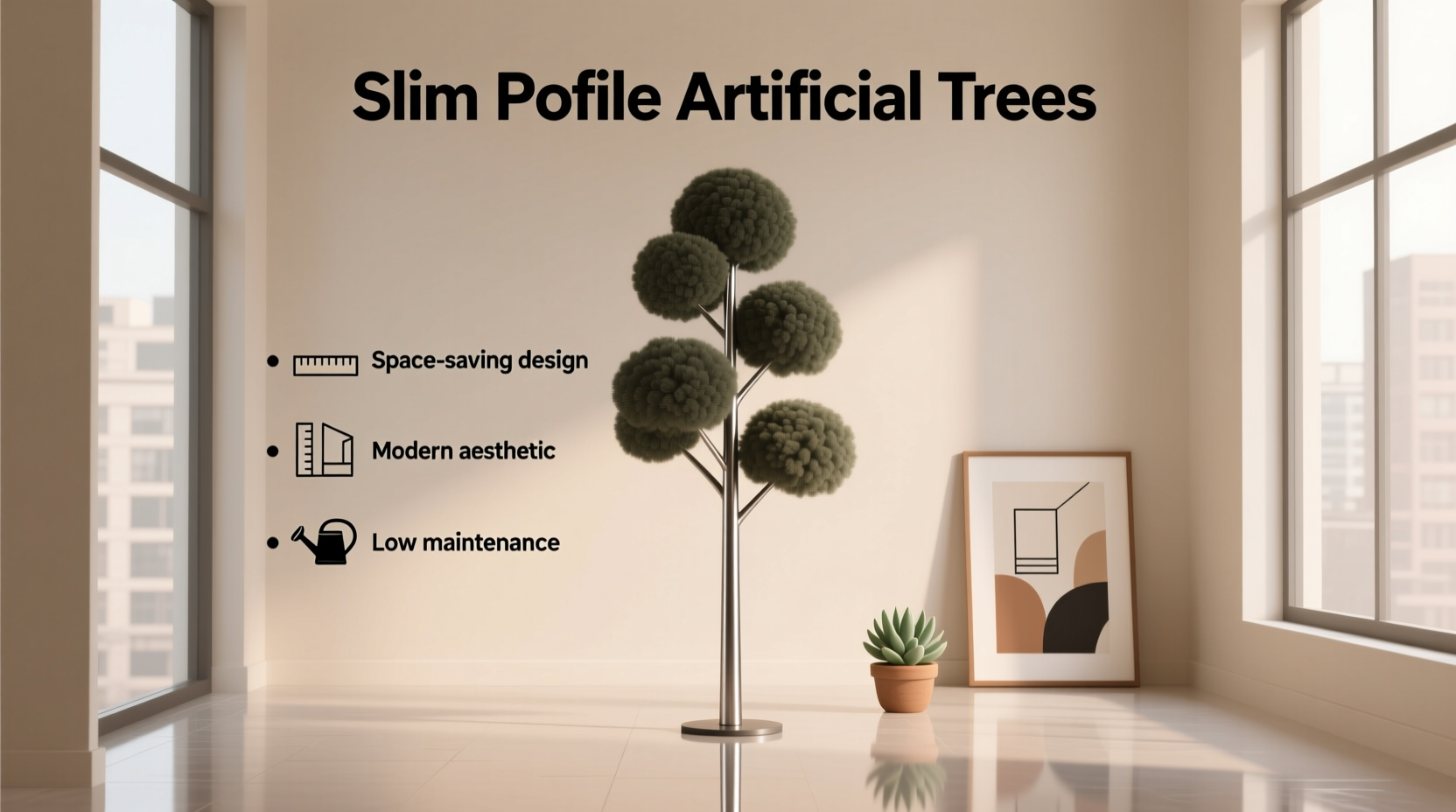
Over 80% of U.S. residents now live in metropolitan areas—and apartment dwellers represent the fastest-growing housing segment, especially among millennials and Gen Z. According to the U.S. Census Bureau’s 2023 Housing Vacancy Survey, nearly 38% of all occupied housing units are rental apartments, with studio and one-bedroom units accounting for over 60% of new multifamily construction since 2020. In these environments, floor space is measured in square feet, not square yards. A traditional 7.5-foot Fraser fir-style tree occupies roughly 40–50 square feet when fully fluffed—including clearance for ornaments, lights, and foot traffic. A slim-profile alternative (e.g., 7.5 ft × 18 in wide) uses less than 12 square feet—freeing up critical real estate for seating, workstations, or circulation paths.
This isn’t just about fitting *in*—it’s about fitting *well*. Slim trees integrate rather than dominate. They nestle beside windows without blocking light, stand flush against walls without compromising sightlines, and align vertically with architectural elements like door frames or built-in shelving. Interior designers report clients increasingly requesting “trees that don’t shout.” As Brooklyn-based designer Lena Torres explains:
“Clients don’t want a tree that competes with their sofa or forces them to rearrange furniture every December. They want rhythm, proportion, and calm—even during the holidays. A slim tree delivers vertical celebration without spatial chaos.”
2. Design Evolution: Minimalism Meets Holiday Warmth
The rise of slim trees parallels the maturation of minimalist and Japandi aesthetics—design languages rooted in restraint, natural materials, and purposeful editing. Yet minimalism has long been mischaracterized as cold or austere. Today’s interpretation embraces warmth, texture, and ritual—without visual clutter. Slim trees serve as elegant structural anchors: their clean silhouette provides a neutral canvas for curated ornamentation—think matte black glass baubles, dried eucalyptus garlands, or single-strand warm-white LEDs. Unlike dense traditional trees where ornaments disappear into foliage, slim profiles offer open branch architecture that highlights each decorative choice.
Manufacturers have responded with unprecedented material sophistication. Premium slim trees now feature PVC branches blended with PE (polyethylene) tips for realistic needle texture and subtle variation in green tones. Some models incorporate “memory wire” branches that retain shape after storage, eliminating hours of fluffing. Others use hinged branch systems that deploy in under 10 minutes—a crucial factor for time-pressed professionals. The result is a tree that feels both intentional and effortless: a symbol of holiday spirit, not seasonal stress.
3. Sustainability Beyond the Surface
Contrary to assumptions, slim profile artificial trees often represent a more sustainable choice—not because they’re “greener” by default, but because their design encourages longer ownership cycles and reduces resource waste. A 2022 lifecycle analysis published in the Journal of Sustainable Consumption found that an artificial tree must be used for a minimum of 8 years to offset its carbon footprint relative to annual real-tree purchases. Yet industry data shows the average artificial tree is retired after just 4.2 years—typically due to damage, discoloration, or perceived obsolescence.
Slim trees disrupt this pattern. Their compact size makes them significantly easier to store (often fitting upright in standard closets or under beds), reducing damage from compression or dust exposure. Their simplified branch structure means fewer breakage points, and high-end models use UV-stabilized materials that resist yellowing—extending functional life by 3–5 years. Crucially, their aesthetic longevity matters: unlike novelty-themed trees (e.g., “snow globe” or “peppermint stripe”), slim profiles transcend trends. They pair equally well with mid-century modern, industrial lofts, or Scandinavian studios—making them less likely to be discarded for stylistic reasons.
| Factor | Traditional Artificial Tree | Slim Profile Artificial Tree |
|---|---|---|
| Avg. Storage Volume | 3.2–4.7 cubic ft (boxed) | 1.4–2.1 cubic ft (boxed) |
| Typical Lifespan (Active Use) | 4.2 years | 7.8 years (per 2023 NCTA Consumer Survey) |
| Branch Fluffing Time (First Use) | 45–90 minutes | 12–28 minutes |
| UV Resistance Rating | Low–Moderate (often fades after 3 seasons) | High (tested to 1,000+ hours UV exposure) |
| Recyclability at End-of-Life | Limited (mixed plastics, metal frame) | Improved (modular design allows component separation) |
4. Real-World Adoption: A Studio Apartment Case Study
Consider Maya Chen, a 29-year-old graphic designer in Portland, Oregon. Her 420-square-foot studio includes a sleeping nook, compact kitchen, and fold-down desk—leaving just 55 square feet for “living.” For three years, she skipped a tree entirely, citing space constraints and guilt over plastic waste. In late 2023, she purchased a 7.2-ft slim profile tree (16.5 in wide, weighted metal base, pre-lit with dimmable LEDs). She placed it in the corner beside her floor-to-ceiling window, using the vertical line to draw the eye upward and enhance perceived ceiling height.
“It changed everything,” she shared in a verified review on Wayfair. “I didn’t just get a tree—I got back my December. I hang only 24 ornaments: handmade ceramic ones from my travels, plus pinecones I collected hiking. Because the branches are spaced, each one feels intentional. And storing it? I slide it into the closet upright, still assembled. No disassembly, no tangled lights, no ‘where did that hinge go?’ It’s ready December 1st, every year.” Maya’s experience reflects a growing demographic reality: for many, the slim tree isn’t a compromise—it’s the first time they’ve felt empowered to celebrate authentically within their actual living conditions.
5. Smart Integration and Lifestyle Alignment
Today’s consumers expect technology to serve life—not complicate it. Slim profile trees lead in smart compatibility. Their narrower trunks accommodate integrated power hubs, USB charging ports, and Bluetooth-enabled light controls. Major brands now offer models with app-controlled color shifting, sunrise/sunset timers, and voice activation via Alexa or Google Assistant—all without visible cords or bulky controllers. This seamless tech integration appeals to renters who can’t drill into walls for permanent lighting solutions and remote workers who value ambient control for focus or relaxation.
Further, slim trees align with broader lifestyle shifts: the rise of “micro-holidays” (smaller, more frequent celebrations), the prioritization of mental wellness (reducing setup stress), and the demand for multi-functional decor. A slim tree doesn’t need to be “put away” after New Year’s—it can transition into a January “green accent” with neutral ribbons and dried citrus slices, then evolve into a spring “branch sculpture” with trailing ivy. Its versatility supports a slower, more intentional approach to seasonal living—one where tradition adapts, rather than dictates.
6. Practical Buying Checklist
Before committing to a slim profile tree, consider these non-negotiables:
- Base Stability: Look for weighted metal bases (minimum 15 lbs) or optional wall-anchoring kits—critical for tall, narrow silhouettes.
- Branch Density: Aim for 600–900 tips for a 7-ft tree. Too few looks sparse; too many defeats the slim premise and adds weight.
- Lighting Quality: Opt for UL-listed, low-heat LED strings with replaceable bulbs and a 3-year warranty. Avoid “warm white” only—dimmable or color-tunable options offer year-round flexibility.
- Material Transparency: Reputable brands disclose PVC/PE ratios and UV stabilizer use. Avoid “all-PVC” budget models—they yellow faster and feel brittle.
- Warranty & Support: Top-tier slim trees offer 5-year limited warranties covering branch retention, light function, and frame integrity.
7. Expert Insight: The Psychology of Vertical Celebration
Dr. Arjun Mehta, environmental psychologist and author of Spaces That Soothe, notes that slim trees tap into deep-seated spatial psychology:
“Humans instinctively associate verticality with aspiration, growth, and calm. A tall, slender form evokes a pine in misty mountains—not overcrowded boughs, but serene presence. In small spaces, this vertical emphasis creates psychological expansion. It draws the gaze upward, counteracting feelings of confinement. That’s why people report lower stress levels during setup and higher satisfaction post-decorating with slim profiles. It’s not just practical—it’s neurologically restorative.”
8. FAQ
Will a slim tree look “empty” or untraditional?
Not if styled intentionally. Focus on vertical layering: hang ornaments at varying heights, wrap garlands from top to bottom in gentle spirals, and use a textured tree skirt (like woven jute or faux fur) to anchor the base visually. Many find slim trees feel more “realistic”—echoing the natural growth habit of mountain pines.
Are slim trees harder to decorate?
Actually, easier. Open branch structures mean ornaments stay visible, lights distribute evenly without tangling, and there’s no need to “dig” for hooks. Most users report 30–40% faster decorating time versus full-profile trees.
Do slim trees cost more?
Premium slim models start at $189–$249, comparable to mid-tier traditional trees. However, their extended lifespan (7+ years vs. 4) and reduced storage/accessory costs (no large storage bin, no annual fluffing tools) deliver better long-term value. Entry-level slim trees ($99–$139) exist but often sacrifice UV resistance and branch durability.
Conclusion
The slim profile artificial tree isn’t trending because it’s trendy—it’s trending because it works. It answers urgent questions about space, sustainability, sanity, and self-expression in ways that feel deeply personal and quietly revolutionary. It acknowledges that celebrating doesn’t require excess, that tradition can evolve without erasure, and that joy often lives in precision—not abundance. Whether you live in a converted warehouse loft, a downtown studio, or a suburban townhouse with a narrow foyer, choosing a slim tree is an act of thoughtful curation: a declaration that your holidays reflect who you are, not who you’re expected to be. You don’t need to wait for “next year” to embrace this shift. Measure your corner, assess your priorities, and choose a tree that rises with intention—not just height.




 浙公网安备
33010002000092号
浙公网安备
33010002000092号 浙B2-20120091-4
Comments
No comments yet. Why don't you start the discussion?