
Every holiday season, millions of people exchange gifts with loved ones, coworkers, and friends. Yet behind the festive wrapping paper lies a quiet epidemic: returns. According to the National Retail Federation, over $100 billion in holiday merchandise is returned annually in the U.S. alone, with a significant portion stemming from well-meaning but misguided gift choices. Understanding why certain gifts consistently end up back in retail boxes isn’t just about saving money—it’s about preserving emotional intent. A returned gift can feel like a rejection, even when it’s not meant that way. The key lies in shifting from convenience-based gifting to thoughtful, personalized selection.
The Psychology Behind Gift Returns
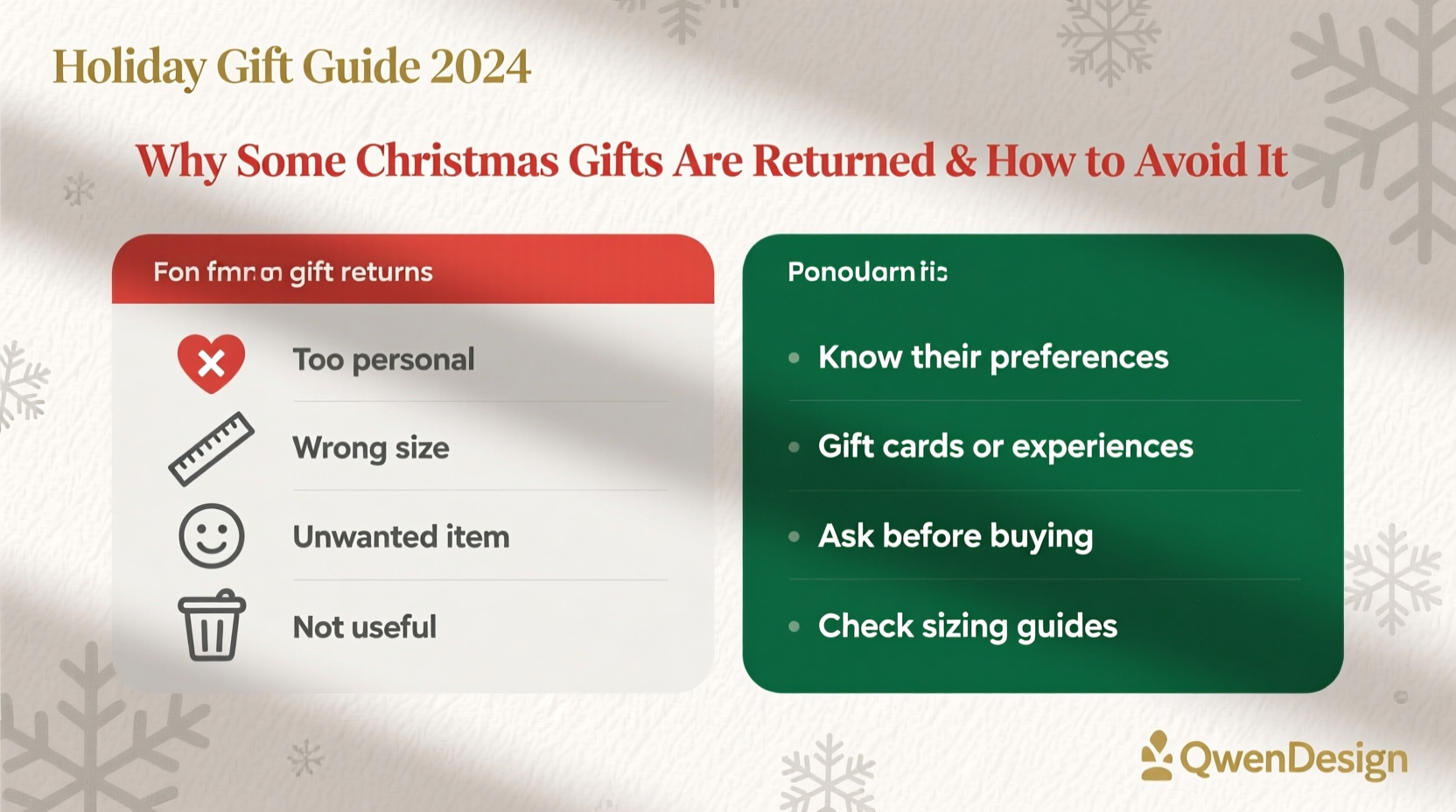
Gift returns aren't solely about quality or price—they're often rooted in mismatched expectations. When someone receives a present, they evaluate it through both practical and emotional lenses. If a sweater doesn’t fit, a gadget lacks utility, or a candle scent clashes with their home, the disconnect becomes immediate. But deeper than function is the perception of effort and understanding. A gift that feels impersonal—like generic gift cards (without context), mass-market scented lotions, or trendy items with no personal relevance—can signal a lack of attention, regardless of cost.
Dr. Rebecca Hartwell, a behavioral economist specializing in consumer gifting, explains: “People don’t return gifts because they’re bad; they return them because they don’t align with identity, lifestyle, or need. The emotional weight of receiving something irrelevant can outweigh its monetary value.”
“Thoughtlessness is the leading cause of gift returns—not poor quality.” — Dr. Rebecca Hartwell, Behavioral Economist
This insight reveals a crucial truth: successful gift-giving isn’t about spending more. It’s about knowing more. Gifts perceived as lazy or last-minute—bought out of obligation rather than intention—are statistically more likely to be exchanged or discarded.
Common Types of Gifts That Get Returned (And Why)
Certain categories of gifts appear repeatedly in return lines. These items aren’t inherently flawed, but they carry higher risk due to subjectivity, sizing issues, or low personal relevance.
| Gift Type | Return Rate Estimate | Primary Reason for Return |
|---|---|---|
| Clothing & Accessories | 35–45% | Sizing, style mismatch, color preference |
| Beauty & Skincare Sets | 30% | Allergies, skin type incompatibility, fragrance sensitivity |
| Electronics & Gadgets | 20–25% | Duplication, complexity, lack of need |
| Home Fragrances (Candles, Diffusers) | 40% | Scent aversion, overpowering aroma, pet safety concerns |
| Generic Gift Cards | 15% (but high underutilization) | Lack of personalization, forgotten balances, unused balance expiration |
Take clothing, for example. While appreciated in concept, apparel is one of the most frequently returned categories because fit is deeply individual. Even if you know someone’s size, brands vary, cuts differ, and personal taste evolves. Similarly, beauty products may seem safe, but ingredients like sulfates, parabens, or essential oils can trigger reactions. Scented candles, though popular, often clash with a recipient’s existing home environment—especially in homes with pets, asthma sufferers, or minimal ventilation.
How to Avoid Giving Unwanted Gifts: A Strategic Approach
Avoiding returns starts long before shopping begins. It requires observation, empathy, and planning. The best gifts reflect not just what the giver thinks is nice, but what the receiver genuinely values.
1. Prioritize Experience Over Objects
Experiential gifts—concert tickets, cooking classes, spa days—create memories without clutter. They’re also less likely to be \"returned\" because they’re consumed in real time. Even if rescheduled, the intent remains intact. Experiences show investment beyond materialism.
2. Customize Thoughtfully
Personalization doesn’t mean slapping a name on a mug. It means tailoring the gift to hobbies, routines, or aspirations. For a coffee-loving reader, a handcrafted pour-over kit with beans from their favorite region speaks louder than a generic gift basket. For a new parent, a curated playlist of lullabies or a month of meal delivery services shows deep understanding.
3. Use the “Three Questions” Rule Before Buying
Before finalizing any purchase, ask:
- Have I seen them use or mention something similar?
- Does this fit into their daily life or long-term goals?
- Would they buy this for themselves if budget weren’t an issue?
If two or more answers are “no,” reconsider.
4. Embrace Gift Cards—But Make Them Meaningful
Not all gift cards are created equal. A plain Visa card with no note says “I ran out of time.” But a gift card to a specific bookstore, paired with a handwritten list of recommended reads, transforms it into a curated experience. Attach it to a small physical token—a bookmark, a coffee sleeve from their favorite café—to add warmth.
Real Example: From Regret to Recognition
Sarah had been buying her brother David the same thing for years: a premium hoodie from a popular brand. He always smiled, thanked her, and said he’d wear it. But last January, she noticed the tags were still on three of them. Confused and slightly hurt, she asked him why.
David explained gently: while he appreciated the gesture, the hoodies didn’t suit his work-from-home routine—he preferred lightweight loungewear. Plus, the brand’s fit ran large, making them uncomfortable. “I didn’t want to hurt your feelings,” he said, “so I kept them hoping I’d find a use.”
The next year, Sarah observed David’s habits. She noticed he drank tea constantly, used a worn-out desk organizer, and followed a podcast on sustainable living. Instead of another hoodie, she gifted him a bamboo desk set, a sampler of organic herbal teas, and a donation in his name to a climate nonprofit. His reaction was immediate: “This feels like *me*.” None of it was expensive—but all of it was meaningful.
No item was returned. More importantly, David framed the handwritten note that came with the donation.
Step-by-Step Guide to Thoughtful Gifting
Follow this timeline in the weeks leading up to the holidays to ensure your gifts land with impact:
- 6 Weeks Out – Observe & Listen: Pay attention to casual comments, social media posts, wish lists, or frustrations (“I can never find good running socks”). Keep a mental or digital note.
- 4 Weeks Out – Research Options: Identify 2–3 potential ideas per person based on your observations. Look for versatility, usability, and alignment with values (eco-friendly, handmade, local).
- 3 Weeks Out – Narrow & Verify: Check sizing charts, return policies, and availability. For clothing, discreetly confirm sizes with a mutual friend if unsure.
- 2 Weeks Out – Purchase & Prepare: Buy early to avoid rushed decisions. Include a personalized note explaining why you chose the gift—this boosts perceived thoughtfulness by 70%, according to a 2022 Journal of Consumer Research study.
- 1 Week Out – Reassess: Double-check storage conditions (e.g., perishable items) and packaging. Ensure everything is wrapped or ready with care.
Checklist: How to Give a Gift That Stays
Before handing over your present, run through this checklist:
- ✅ Does this align with their actual interests, not mine?
- ✅ Is the size/style appropriate (if applicable)?
- ✅ Have I included a personal note explaining my choice?
- ✅ Is it easy to use or consume without extra effort?
- ✅ Would they feel comfortable displaying or using this publicly?
- ✅ Does it support a habit, hobby, or goal they’ve mentioned?
If all boxes are checked, you’ve significantly reduced the odds of a return—and increased the chances of a lasting impression.
Frequently Asked Questions
Isn’t it better to give cash or a gift card to avoid returns?
Cash and open-ended gift cards do eliminate return risk, but they often lack emotional resonance. People remember how a gift made them feel far longer than its monetary value. If you choose this route, personalize it: pair cash with a heartfelt letter outlining what you hope they’ll spend it on—like a weekend getaway or a class they’ve wanted to try.
What should I do if I receive a gift I know I’ll return?
Always express gratitude first. A simple “Thank you—I really appreciate you thinking of me” goes a long way. Never mention returning it unless asked. If the giver brings it up, frame it positively: “I loved the thought behind it, but I already have something similar, so I’m exchanging it for something else I need.”
Are subscription boxes a safe option?
They can be, but only if carefully chosen. Generic mystery boxes often disappoint due to irrelevant items. Instead, select niche subscriptions aligned with known passions—book clubs for avid readers, specialty coffee deliveries, or craft beer samplers for enthusiasts. Bonus points if you commit to joining them for one box together.
Conclusion: Give with Intention, Not Obligation
The holidays invite us to connect, celebrate, and express love through small acts of generosity. But true generosity isn’t measured in price tags or volume—it’s reflected in attention. Gifts that get returned aren’t failures of commerce; they’re symptoms of disconnection. By shifting focus from what we think looks nice to what actually matters to the recipient, we transform gifting from a chore into a meaningful ritual.
Start small. Listen closely. Remember the details. A gift born from genuine understanding doesn’t just avoid the return line—it becomes part of someone’s story.




 浙公网安备
33010002000092号
浙公网安备
33010002000092号 浙B2-20120091-4
Comments
No comments yet. Why don't you start the discussion?