
As the holiday season rolls in, few things bring more cheer than a home adorned with twinkling Christmas lights. But when those festive strands start flickering unpredictably—blinking out of sync, dimming suddenly, or pulsing like a disco ball gone rogue—the mood shifts from merry to maddening. Erratic behavior in Christmas lights isn’t just an aesthetic nuisance; it can signal underlying electrical issues, component failure, or improper setup. The good news is that most causes are diagnosable and fixable with basic tools and a bit of patience.
This guide breaks down the science behind erratic blinking, identifies common culprits, and provides actionable solutions to restore your display to its intended brilliance. Whether you're dealing with vintage incandescent strings or modern LED sets, understanding the root causes ensures not only visual consistency but also safety and longevity.
Understanding How Christmas Lights Work
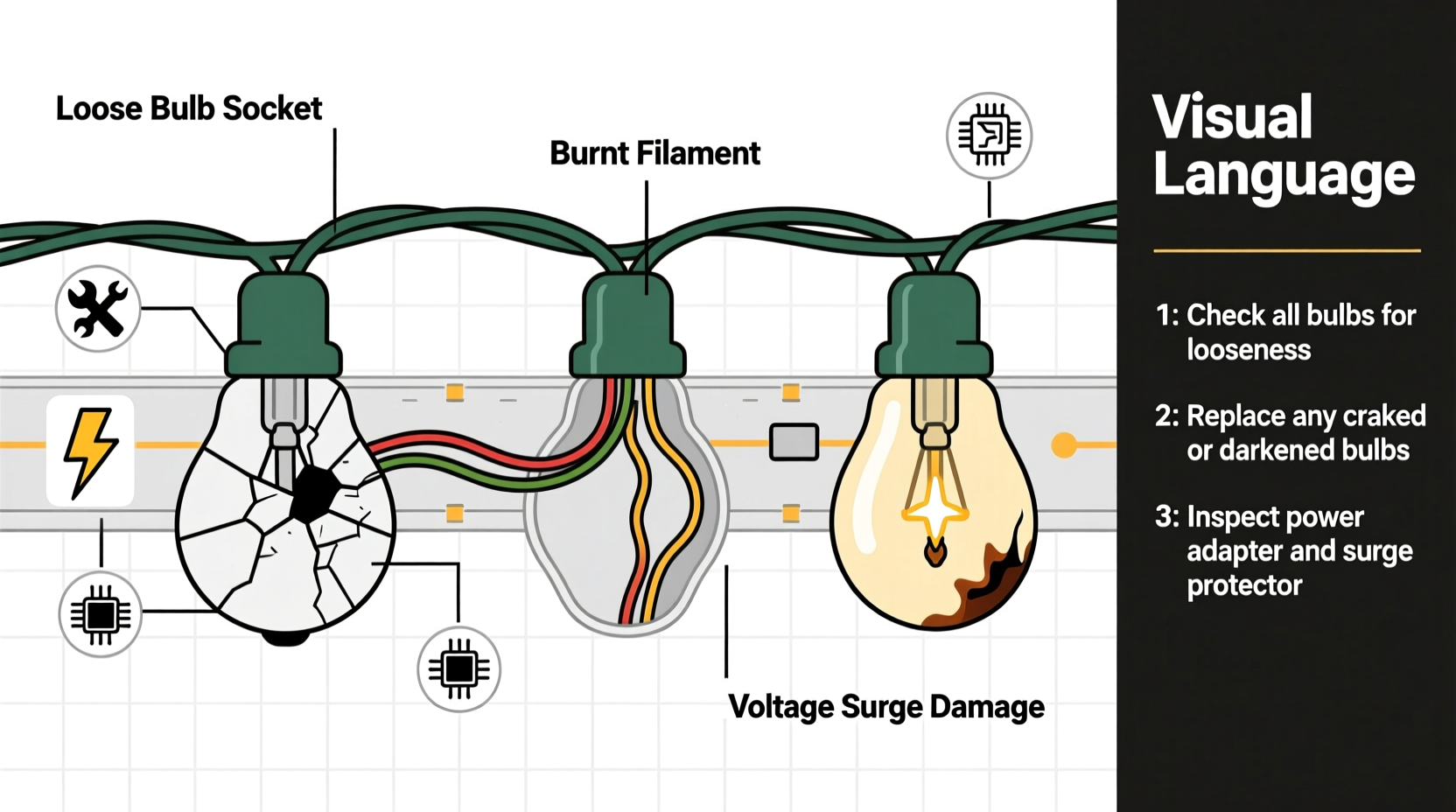
Before troubleshooting, it’s essential to understand the two primary types of Christmas lights: incandescent and LED. Each operates differently, which affects how they respond to faults.
Incandescent lights rely on a small filament inside each bulb. When electricity flows through, the filament heats up and emits light. Many traditional sets use series wiring, meaning all bulbs are connected in a single circuit. If one bulb fails or becomes loose, it interrupts the entire string, causing sections—or the whole strand—to go dark or blink irregularly.
LED lights, on the other hand, are more energy-efficient and durable. They often use parallel or shunted wiring, allowing individual bulbs to fail without shutting down the entire strand. However, LEDs may include built-in controllers for blinking effects, which can malfunction and cause erratic patterns.
Additionally, many light sets come with special bulbs called “shunt” bulbs. These are designed to bypass a failed filament, keeping the rest of the string lit. But if the shunt doesn’t activate properly—or if debris interferes with contact—flickering or intermittent operation occurs.
“Over 60% of erratic lighting issues stem from poor connections or incompatible controllers, not outright component failure.” — Mark Reynolds, Electrical Systems Technician with 25 years in residential lighting
Common Causes of Erratic Blinking
Erratic blinking rarely happens without reason. Below are the most frequent causes, ranked by likelihood and impact:
1. Faulty or Loose Bulbs
In series-wired incandescent strings, a single loose, damaged, or improperly seated bulb can destabilize the entire circuit. Even minor movement from wind or handling can cause intermittent contact, leading to flickering.
2. Blown or Stuck Flasher Bulb
Many older light sets include a red-tipped “flasher” bulb that creates a blinking effect by heating and cooling a bimetallic strip. If this bulb fails or gets stuck in the “on” position, it disrupts timing across the strand, causing random or rapid blinking.
3. Overloaded Circuits or Voltage Fluctuations
Plugging too many light strings into a single outlet or daisy-chaining beyond manufacturer limits can cause voltage drops. LEDs are especially sensitive to inconsistent power, which may trigger internal drivers to reset repeatedly, resulting in strobing or pulsing.
4. Damaged Wires or Connectors
Outdoor exposure, foot traffic, or rodent activity can fray wires or corrode plug connectors. Intermittent conductivity due to partial breaks leads to unpredictable blinking or dimming.
5. Incompatible Controllers or Dimmer Switches
Using third-party timers, smart plugs, or dimmers not rated for low-voltage LED strings can interfere with signal stability. Some digital controllers send pulsed signals that mimic blinking, confusing the light’s internal circuitry.
6. Moisture or Corrosion in Sockets
Outdoor lights exposed to rain, snow, or high humidity can develop corrosion inside bulb sockets. This increases resistance and causes flickering, especially after temperature changes or precipitation.
Step-by-Step Guide to Fixing Erratic Christmas Lights
Follow this systematic approach to diagnose and resolve blinking issues efficiently.
- Unplug the lights immediately. Safety first—always disconnect before inspection.
- Inspect the plug and end connector. Look for bent prongs, melted plastic, or discoloration indicating overheating. Test continuity with a multimeter if available.
- Check each bulb visually. Remove bulbs one by one and examine filaments (in incandescents) for breaks. For LEDs, look for dark spots or cracks.
- Test the flasher bulb (if present). Replace it with a known-working one. If blinking stabilizes, the original was faulty.
- Use a light tester or voltage detector. Devices like the \"LightKeeper Pro\" can clear shunt failures and detect open circuits without removing bulbs.
- Examine wire runs for damage. Pay attention to areas near doors, windows, or where lights pass through gutters. Repair cuts with waterproof wire nuts and electrical tape rated for outdoor use.
- Clean socket contacts. Use a cotton swab dipped in isopropyl alcohol to wipe corrosion from metal contacts. Let dry completely before reinserting bulbs.
- Test on a different circuit. Plug the strand into another outlet, preferably on a separate breaker, to rule out household voltage issues.
- Reduce load. Unplug other strings from the same circuit. Limit daisy-chained sets to three or fewer unless labeled for higher capacity.
- Bypass controllers temporarily. Plug directly into the wall to see if blinking stops. If so, the issue lies with the timer or smart plug.
Do’s and Don’ts: Troubleshooting Table
| Action | Do | Don't |
|---|---|---|
| Replacing bulbs | Use exact voltage and base type matches | Mix bulb types or wattages within a strand |
| Connecting multiple strands | Follow manufacturer’s link limit | Daisy-chain more than 3 incandescent or 5 LED sets |
| Cleaning sockets | Use isopropyl alcohol and dry thoroughly | Use water or abrasive cleaners |
| Storing lights | Wrap around a cardboard reel; store in dry container | Leave coiled tightly or expose to damp basements |
| Using controllers | Choose models rated for your light type | Use household dimmers with non-dimmable LEDs |
Real Example: A Case of the Holiday Flickers
Sarah from Portland, Oregon, hung her favorite pre-lit garland on the front porch railing each December. Last year, half the strand blinked rapidly while the other stayed dim. She replaced several bulbs with no change. After reading about voltage drop, she realized she had linked five LED garlands to one outdoor timer. Upon disconnecting three, the remaining two operated smoothly. Further inspection revealed moisture in one connector box. After drying it with a hairdryer and sealing it with silicone tape, the lights remained stable throughout the season. Sarah now uses only two strands per timer and stores connectors in sealed bags.
This case highlights how multiple factors—overloading, environmental exposure, and controller compatibility—can combine to create erratic behavior. Isolating variables is key to effective diagnosis.
Preventive Maintenance Checklist
- ✅ Inspect all light strings before installation each year
- ✅ Replace aging flasher bulbs proactively
- ✅ Clean bulb sockets and plug contacts annually
- ✅ Use surge-protected, GFCI-rated outlets for outdoor displays
- ✅ Avoid running cords under rugs or through doorways
- ✅ Store lights on reels or in compartmentalized bins
- ✅ Keep spare bulbs and fuses matched to each set
- ✅ Limit daisy-chaining to manufacturer specifications
- ✅ Use weatherproof covers on all outdoor connections
- ✅ Test new controllers with one strand before full deployment
Frequently Asked Questions
Can LED Christmas lights be repaired if they blink randomly?
Yes, in many cases. While individual LED chips cannot be replaced like incandescent bulbs, common issues such as faulty drivers, damaged wires, or moisture in connectors can be fixed. Some advanced users solder replacement components, but for most consumers, replacing the affected section or entire strand is more practical.
Why do my Christmas lights blink faster when it's cold outside?
Temperature affects both mechanical and electronic components. In incandescent sets, the flasher bulb’s bimetallic strip responds more quickly in cold air, shortening the cooling phase and increasing blink rate. In LEDs, cold can temporarily alter capacitor performance in the driver circuit, causing timing shifts. This usually resolves once the unit warms internally.
Is it safe to leave blinking Christmas lights on overnight?
If the lights are in good condition, properly rated for indoor/outdoor use, and not overloaded, they are generally safe to leave on. However, always use GFCI protection outdoors and avoid covering lights with flammable materials. Consider using a timer to limit runtime and reduce fire risk and energy use.
Conclusion: Shine Bright Without the Flicker
Erratic Christmas lights don’t have to derail your holiday spirit. With a methodical approach, most issues—from loose bulbs to incompatible controllers—can be identified and resolved without replacing entire displays. Understanding the difference between normal blinking effects and problematic flickering empowers you to maintain both safety and aesthetics.
Start with simple checks: inspect bulbs, test connections, and review your power setup. Apply preventive care each season, and document repairs for future reference. A little effort now means years of reliable, joyful lighting ahead.




 浙公网安备
33010002000092号
浙公网安备
33010002000092号 浙B2-20120091-4
Comments
No comments yet. Why don't you start the discussion?