
Every holiday season, the frustration is familiar: you pull out your favorite string of Christmas lights, plug them in, and only half of them glow—or worse, none at all. With millions of households relying on festive lighting each December, malfunctioning strands are a widespread issue. The good news? Most problems have simple explanations and even simpler solutions. Whether it’s a single dark bulb or an entire string refusing to light, understanding the root causes can save time, money, and holiday spirit.
Modern Christmas lights—especially mini-incandescent and LED varieties—are designed for durability, but they’re not immune to wear, environmental exposure, or manufacturing flaws. By learning how these systems work and what commonly goes wrong, you can troubleshoot effectively and restore your display with confidence.
How Christmas Light Circuits Work
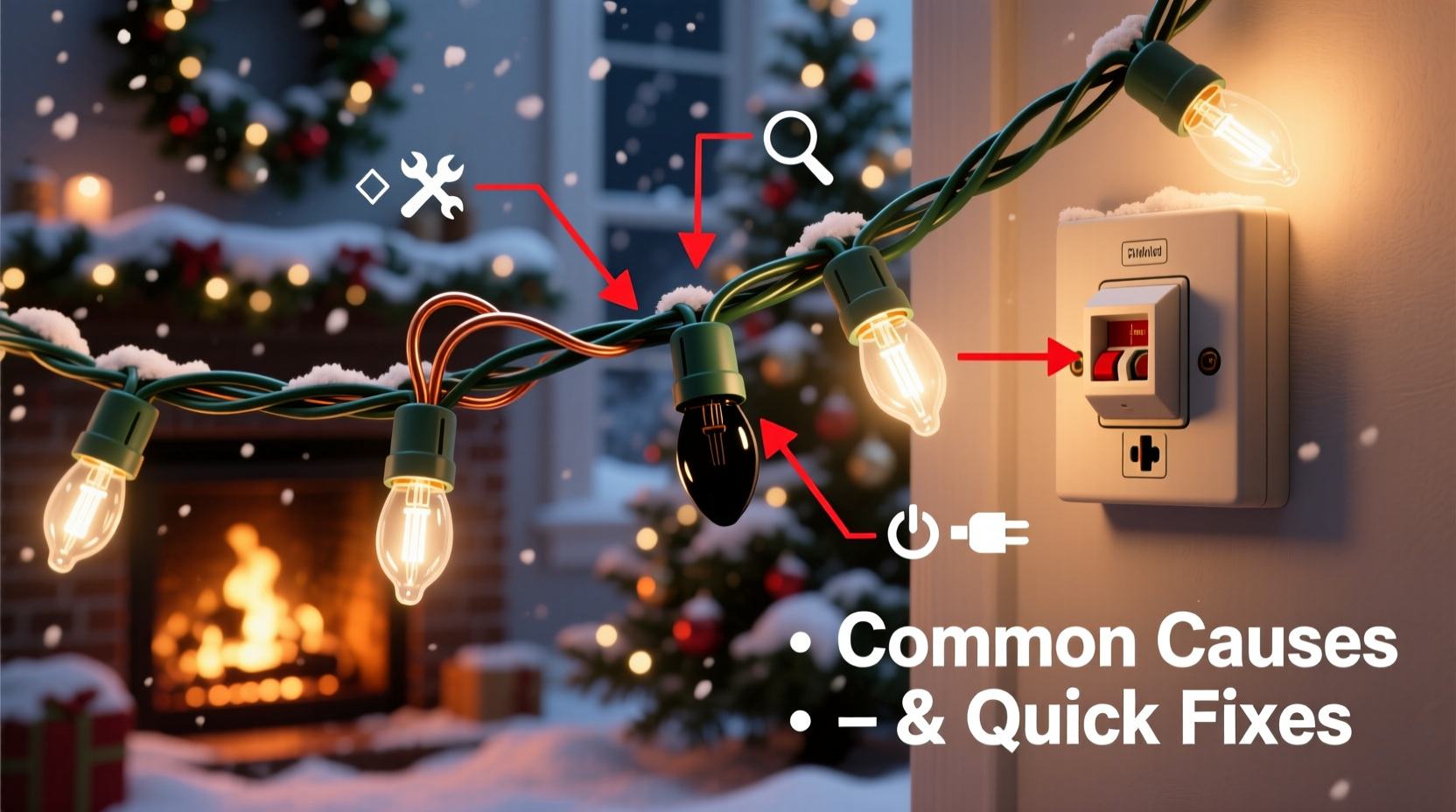
To diagnose issues, it helps to understand the basic electrical design of most holiday light strings. Traditional incandescent mini-lights are typically wired in series, meaning electricity flows from one bulb to the next in a continuous loop. If one bulb fails or becomes loose, it breaks the circuit, causing the entire section—or string—to go dark.
Newer LED strings often use a combination of series and parallel wiring, making them more resilient. Some models include shunt wires inside each bulb that allow current to bypass a dead filament, keeping the rest of the string lit. However, this doesn’t make them foolproof. Power supply failures, damaged sockets, or cut wires can still disrupt the flow.
Additionally, many modern sets come with built-in fuses in the plug. These protect against power surges and overloads but can blow during storage or after prolonged use. Checking these is often the first step in reviving a dead strand.
Common Causes of Non-Working Christmas Lights
Several factors contribute to Christmas lights failing. Identifying the culprit starts with systematic inspection and elimination of possibilities.
- Loose or burned-out bulbs: In series-wired strings, a single loose or dead bulb interrupts the circuit. The socket may appear intact, but without proper contact, the chain won’t complete.
- Blown fuses: Most plug-in light sets contain two small fuses (usually rated at 3–5 amps) located in the male end plug. These can fail due to power spikes, moisture, or age.
- Damaged wires or insulation: Cuts, kinks, or rodent damage can sever internal conductors. Even minor abrasions can lead to shorts or intermittent connections.
- Corroded or dirty sockets: Outdoor lights exposed to rain, snow, or salty air may develop corrosion in the bulb base contacts, preventing conductivity.
- Power source issues: Faulty outlets, overloaded circuits, or tripped GFCI breakers can prevent lights from turning on—even if the strand itself is fine.
- End-to-end connection overload: Many people connect multiple strings together. Exceeding the manufacturer’s recommended number can overload the circuit, causing failure.
“Over 60% of non-working light strings brought in for repair have either a blown fuse or a single missing/loose bulb.” — Mark Reynolds, Holiday Lighting Technician with 18 years of experience
Step-by-Step Troubleshooting Guide
Follow this logical sequence to identify and resolve the issue efficiently.
- Unplug the lights – Safety first. Never inspect or handle electrical components while powered.
- Check the outlet – Plug in another device to confirm the outlet works. Test outdoor outlets connected to GFCI circuits—they may have tripped.
- Inspect the plug for fuses – Open the fuse compartment (usually a sliding door on the male plug). Look for discoloration or broken filaments. Replace with identical-rated fuses only.
- Examine each bulb – Remove bulbs one by one and check for darkened glass, broken filaments, or looseness. Re-seat any that feel wobbly.
- Look for physical damage – Run your fingers along the wire length, checking for cuts, melted spots, or crushed sections. Pay attention near bends and where lights were previously stored.
- Test with a known-good bulb – Substitute suspect bulbs with ones confirmed to work. This isolates faulty units quickly.
- Use a light tester (optional) – For larger displays, a dedicated Christmas light tester can detect live current without removing bulbs.
Quick Fixes for Immediate Results
Sometimes, you don’t have time for deep diagnostics. These fast remedies resolve the majority of common issues.
Replace Blown Fuses
Many people overlook the fuse compartment. After opening it, you’ll typically find two small cylindrical fuses. Use a flashlight to inspect the internal wire. If it’s broken or blackened, replace both fuses—even if only one appears damaged. Spare fuses often come taped to the cord or can be purchased at hardware stores.
Re-seat Bulbs Firmly
A surprisingly common cause is poor bulb contact. Even if a bulb looks seated, gently press each one until it clicks or feels snug. Wiggling bulbs while the string is plugged in (carefully!) can reveal intermittent connections—flashing indicates a loose fit.
Clean Corroded Sockets
For outdoor lights, corrosion builds up over time. Dip a cotton swab in white vinegar or isopropyl alcohol and clean the metal contacts inside the socket. Let dry completely before reinserting bulbs.
Bypass Damaged Sections (LED Strings Only)
Some LED strings allow cutting and reconnecting at designated points. If you’ve identified a permanently damaged segment, consult the manufacturer’s instructions. You may be able to remove the bad section and rejoin the working ends with a connector kit.
Use a Voltage Detector
A non-contact voltage pen can help trace where power stops along the strand. Start at the plug and move down the line. When the detector stops beeping, the fault is likely nearby—either a broken wire or failed component.
Tips for Preventing Future Issues
Maintenance during and after the holiday season greatly extends the life of your lights.
- Store lights on cardboard reels or spools to avoid tangling and wire strain.
- Keep lights in climate-controlled areas—avoid attics or damp basements.
- Wrap cords loosely; never yank or twist tightly around sharp objects.
- Test all strings before decorating. Fix minor issues early rather than mid-installation.
- Use UL-listed extension cords rated for outdoor use when needed.
Do’s and Don’ts of Christmas Light Maintenance
| Do | Don’t |
|---|---|
| Inspect bulbs and fuses annually | Assume a dark string is beyond repair |
| Use spare bulbs and fuses from original packaging | Mix different voltage or wattage bulbs in one string |
| Clean sockets with alcohol before use | Pull lights by the wire when unplugging |
| Replace cracked or melted plugs immediately | Daisy-chain more than three sets unless labeled safe |
| Store in labeled, ventilated containers | Leave lights up year-round, especially outdoors |
Mini Case Study: Reviving a Family Heirloom Strand
The Peterson family had used the same set of red-and-gold mini-lights on their front porch for 17 years. Last November, only the first third of the 100-bulb string lit up. They assumed it was time to retire the set—until their son, a high school electronics student, decided to investigate.
He began by checking the fuses: both were intact. He then removed each bulb, testing them in a known-working socket. Ninety-seven bulbs were functional. One was burned out, and two others had corroded bases. After cleaning the contacts and replacing the dead bulb, the entire string lit evenly.
The real issue was revealed under closer inspection: a small mouse nest in their garage storage bin had partially chewed the wire near the middle connector. He spliced in a short replacement section using waterproof wire nuts and heat-shrink tubing. The lights were restored—and now hang safely coiled around a PVC reel, protected from pests and moisture.
FAQ: Frequently Asked Questions
Why do only half my Christmas lights work?
This usually means the string is divided into two circuits, and one has failed. Check for a loose bulb, blown fuse, or wire break in the dark half. Some sets are designed so that the second half depends on the first completing the circuit.
Can I replace incandescent bulbs with LEDs in the same string?
No. Incandescent and LED bulbs operate at different voltages and currents. Swapping them can damage the string or create safety hazards. Only use replacement bulbs specified by the manufacturer.
How long should Christmas lights last?
Quality incandescent strings last 3–5 seasons with proper care. LED strings can last 10 years or more due to lower heat output and greater durability. Lifespan depends heavily on storage conditions and usage environment.
Essential Checklist for Restoring Non-Working Lights
- Unplug the light string
- Verify the power outlet is working
- Inspect and replace blown fuses if present
- Remove and test each bulb for damage or looseness
- Check for visible wire damage or cuts
- Clean corroded sockets with isopropyl alcohol
- Re-seat all bulbs firmly
- Plug in and test the string
- If still not working, isolate sections using a tester or multimeter
- Retire or repair damaged segments as needed
“Most ‘dead’ light strings aren’t dead at all—they just need five minutes of attention.” — Holiday Lighting Association Maintenance Guide, 2023 Edition
Conclusion: Bring Back the Holiday Glow
There’s no reason to toss your Christmas lights at the first sign of trouble. With a methodical approach, most issues—from blown fuses to corroded contacts—are easily fixed using tools you likely already own. Understanding how your lights are wired, respecting electrical safety, and practicing preventive maintenance can keep your displays bright for years.
This holiday season, before buying new strings, take the time to troubleshoot the old ones. You’ll save money, reduce waste, and preserve sentimental decorations that carry memories as much as light. A little effort now ensures a brighter, more joyful celebration later.




 浙公网安备
33010002000092号
浙公网安备
33010002000092号 浙B2-20120091-4
Comments
No comments yet. Why don't you start the discussion?