
For millions of families, the holiday season wouldn’t feel complete without a Christmas tree at the center of their home. While real trees bring natural fragrance and tradition, artificial trees offer convenience, reusability, and no shedding. Yet, for a growing number of people, bringing an artificial tree into the house triggers sneezing, coughing, itchy eyes, and other allergy-like symptoms. Surprisingly, these reactions aren’t caused by pollen or mold in the traditional sense—but by a combination of materials, contaminants, and environmental factors tied to the tree itself.
Understanding why artificial Christmas trees can provoke allergic responses—and how to prevent them—is essential for creating a safe, comfortable holiday environment. This guide explores the science behind these reactions, identifies common triggers, and provides actionable steps to minimize or eliminate symptoms altogether.
The Hidden Allergens in Artificial Trees
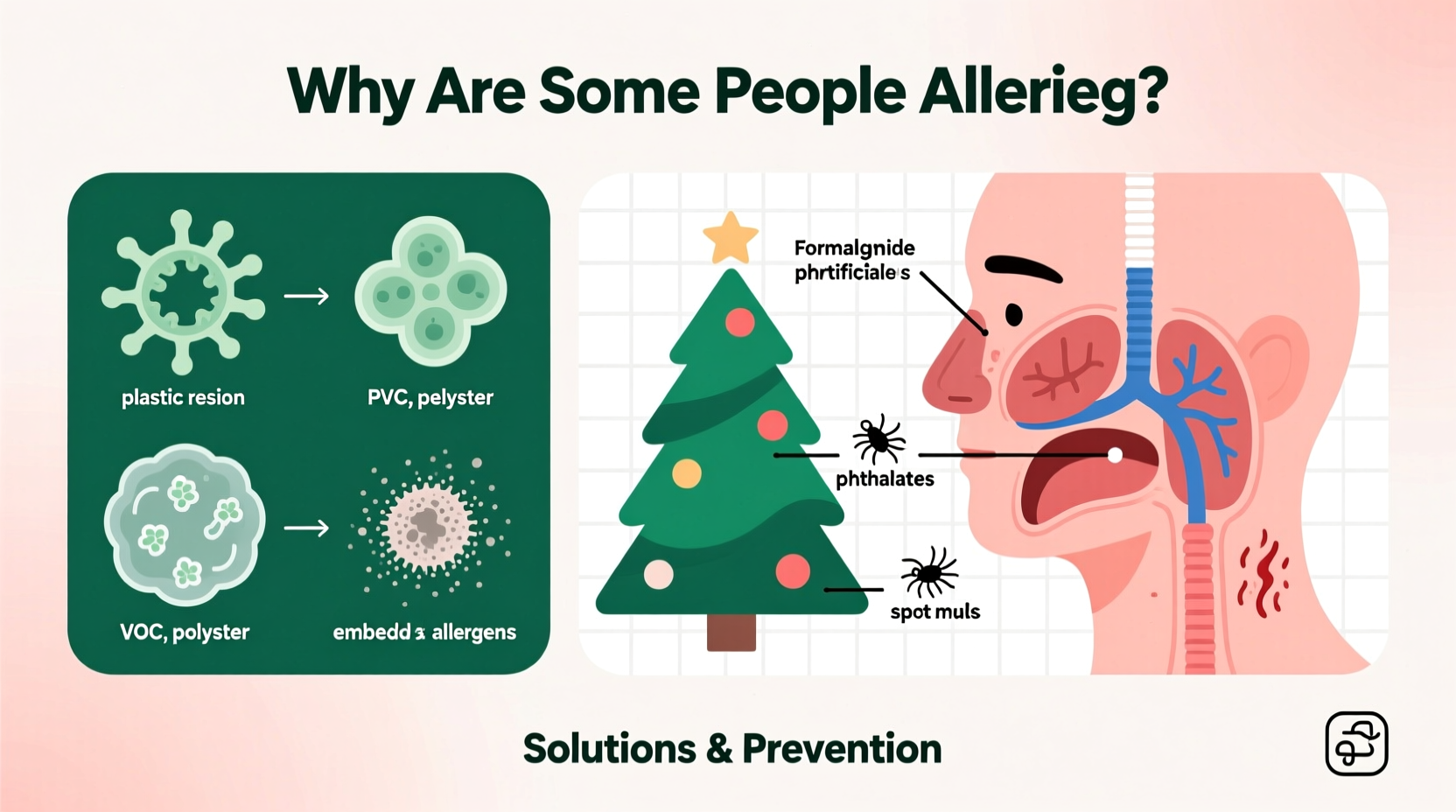
Unlike real Christmas trees, which may carry outdoor allergens like pollen or mold spores, artificial trees are made from synthetic materials—primarily polyvinyl chloride (PVC), metal, and plastic. While these materials aren't inherently allergenic, they can become reservoirs for irritants over time. When stored improperly between seasons, artificial trees collect dust, mold, pet dander, and even chemical off-gassing residues that trigger respiratory discomfort.
PVC, the most common material used in fake trees, contains phthalates and stabilizers that can emit volatile organic compounds (VOCs), especially when first unpacked after long storage. These VOCs can irritate the respiratory tract, particularly in sensitive individuals such as those with asthma or chemical sensitivities. Additionally, the fine texture of plastic needles traps microscopic particles, turning the tree into a floating allergen dispenser once assembled indoors.
Common Symptoms and Who’s Most at Risk
Symptoms linked to artificial tree exposure often mimic seasonal allergies or mild asthma. These include:
- Runny or stuffy nose
- Sneezing and postnasal drip
- Itchy, watery eyes
- Dry cough or wheezing
- Skin irritation (especially in children)
- Headaches or fatigue (linked to VOC exposure)
Individuals with pre-existing conditions are more vulnerable. People diagnosed with:
- Asthma
- Allergic rhinitis
- Multichemical sensitivity (MCS)
- Eczema or contact dermatitis
are more likely to react to the combination of physical allergens and chemical emissions from artificial trees. Infants and elderly family members also face higher risks due to weaker immune responses and increased time spent indoors during winter months.
“Even though artificial trees don’t produce pollen, they can still be major contributors to indoor allergen loads—especially when stored in damp basements or garages.” — Dr. Lena Patel, Board-Certified Allergist & Immunologist
Step-by-Step Guide to Prepare Your Artificial Tree Safely
You don’t need to give up your artificial tree to avoid allergic reactions. With proper preparation, you can significantly reduce allergens and chemical exposure. Follow this timeline each year before decorating:
- Unpack Outside: Remove the tree sections from storage and assemble them on a porch, balcony, or garage—never directly inside the main living area.
- Vacuum Thoroughly: Use a vacuum with a HEPA filter to go over every branch, paying close attention to the inner core where dust accumulates.
- Wipe Down Branches: Dampen a microfiber cloth with a solution of 1 part white vinegar to 3 parts water. Wipe each section to remove residual dust and inhibit mold.
- Air It Out: Let the tree stand outdoors or in a well-ventilated space for at least 24–48 hours to allow VOCs to dissipate.
- Clean Storage Container: Wash the storage box or bag with soapy water and let it dry completely before reuse to prevent cross-contamination.
- Use an Air Purifier: Once the tree is placed indoors, run a HEPA air purifier nearby for the first few days to capture airborne particles.
Comparison: Artificial vs. Real Trees for Allergy Sufferers
Many assume real trees are worse for allergies due to pollen, but research shows both types come with trade-offs. The table below compares key factors relevant to allergy-prone households:
| Factor | Artificial Tree | Real Tree |
|---|---|---|
| Pollen Exposure | None (unless contaminated) | Low to moderate (varies by species) |
| Mold Risk | High if stored in damp areas | High—studies show live trees carry mold spores |
| Chemical Emissions | Yes (VOCs from PVC and flame retardants) | No significant emissions |
| Dust Accumulation | Very high over time | Low (single-season use) |
| Lifespan & Reuse | 5–10+ years | One season |
| Best For | Families wanting low-maintenance, reusable decor | Those prioritizing natural materials and short-term exposure |
Interestingly, a 2011 study published in *Annals of Allergy, Asthma & Immunology* found that both real and artificial trees increased airborne mold counts in homes within two weeks of setup. However, artificial trees stored in humid environments showed significantly higher baseline contamination levels before even being brought indoors.
Checklist: Allergy-Safe Artificial Tree Protocol
Use this checklist annually to ensure your tree isn’t compromising your family’s health:
- ☑ Store tree in a sealed, clean plastic container (not cardboard or fabric)
- ☑ Keep storage area dry, cool, and off concrete floors (to prevent moisture absorption)
- ☑ Inspect for mold spots or musty smell before unpacking
- ☑ Clean all branches with a damp cloth and vinegar solution
- ☑ Vacuum tree thoroughly using a HEPA-filtered vacuum
- ☑ Allow tree to air out for 24–48 hours before placing indoors
- ☑ Run a HEPA air purifier near the tree for the first three days
- ☑ Avoid spraying artificial snow or flocking products (they trap allergens)
- ☑ Replace tree every 7–10 years—even with care, degradation increases risk
Mini Case Study: The Miller Family’s Holiday Relief
The Millers in Columbus, Ohio, had celebrated holidays with the same artificial tree for over eight years. Each December, their youngest daughter, Mia (age 6), developed persistent nighttime coughing and irritated eyes within days of the tree going up. At first, her pediatrician attributed it to seasonal colds, but symptoms disappeared every January—only to return like clockwork the next holiday season.
After consulting an allergist, the family learned that the tree, stored in their basement for years, was heavily contaminated with mold and dust mites. Lab tests confirmed elevated Aspergillus and Penicillium spore counts on swabs taken from the trunk and lower branches. Following a strict cleaning and ventilation protocol—including replacing the old storage bin and wiping down every needle—their next holiday season passed without incident. Mia hasn’t had a single episode since.
This case illustrates how delayed reactions can be misattributed to viruses or weather changes, when in fact, a recurring environmental trigger is to blame.
Alternatives and Upgrades for Sensitive Households
If cleaning and maintenance still lead to symptoms, consider alternative options that reduce exposure while preserving holiday spirit:
- PVC-Free Trees: Some newer models are made from PE (polyethylene) or non-PVC plastics with lower off-gassing potential.
- Modular Mini Trees: Smaller tabletop versions reduce surface area for dust accumulation.
- Fabric or Wood Trees: Decorative alternatives made from breathable, natural materials eliminate chemical and dust concerns entirely.
- Digital Displays: LED projectors or framed digital art offer festive visuals without physical allergens.
Additionally, avoid “flocked” artificial trees—those covered in white, snow-like material. Flocking is typically made from cellulose or chemical foam that sheds over time and can harbor mold and dust deep within its fibers. Many flocked trees also contain formaldehyde-based binders, which contribute to indoor air pollution.
FAQ: Common Questions About Artificial Tree Allergies
Can you be truly allergic to plastic?
True IgE-mediated allergy to PVC is extremely rare. However, sensitivity to additives like phthalates, flame retardants, or off-gassed VOCs can cause allergy-like symptoms. This is often categorized as chemical sensitivity rather than classical allergy.
How long do VOCs last after unpacking an artificial tree?
Most VOC emissions peak within the first 48 hours and decline rapidly. However, low-level off-gassing can continue for weeks, especially in warm rooms. Proper ventilation significantly reduces exposure duration.
Is it safer to buy a new artificial tree each year?
No—this is neither cost-effective nor environmentally sound. A better strategy is to maintain a high-quality tree with rigorous cleaning and proper storage. Replace only when signs of wear, odor retention, or damage appear.
Conclusion: Enjoy the Holidays Without the Sneezes
Artificial Christmas trees don’t have to come at the cost of comfort or health. By understanding the hidden sources of irritation—from accumulated dust to chemical off-gassing—you can take meaningful steps to protect your household. Simple habits like outdoor unpacking, thorough cleaning, and strategic ventilation make a dramatic difference.
The holiday season should be joyful, not spent battling congestion or insomnia from poor indoor air. With informed care and proactive measures, you can keep your traditions intact while ensuring everyone breathes easier. Start preparing your tree the right way this year—your lungs will thank you.




 浙公网安备
33010002000092号
浙公网安备
33010002000092号 浙B2-20120091-4
Comments
No comments yet. Why don't you start the discussion?