
If you've recently noticed a surge in bee activity around your garden, porch, or neighborhood, you're not alone. Bees are becoming increasingly visible in urban and suburban environments, especially during warmer months. While their presence can be startling—particularly if swarms appear near homes—it’s important to understand that high bee activity is usually a sign of ecological health, not danger. This article explores the biological, environmental, and seasonal factors behind increased bee sightings, offers practical advice for peaceful coexistence, and dispels common misconceptions about bee behavior.
The Seasonal Surge: When and Why Bees Become More Active
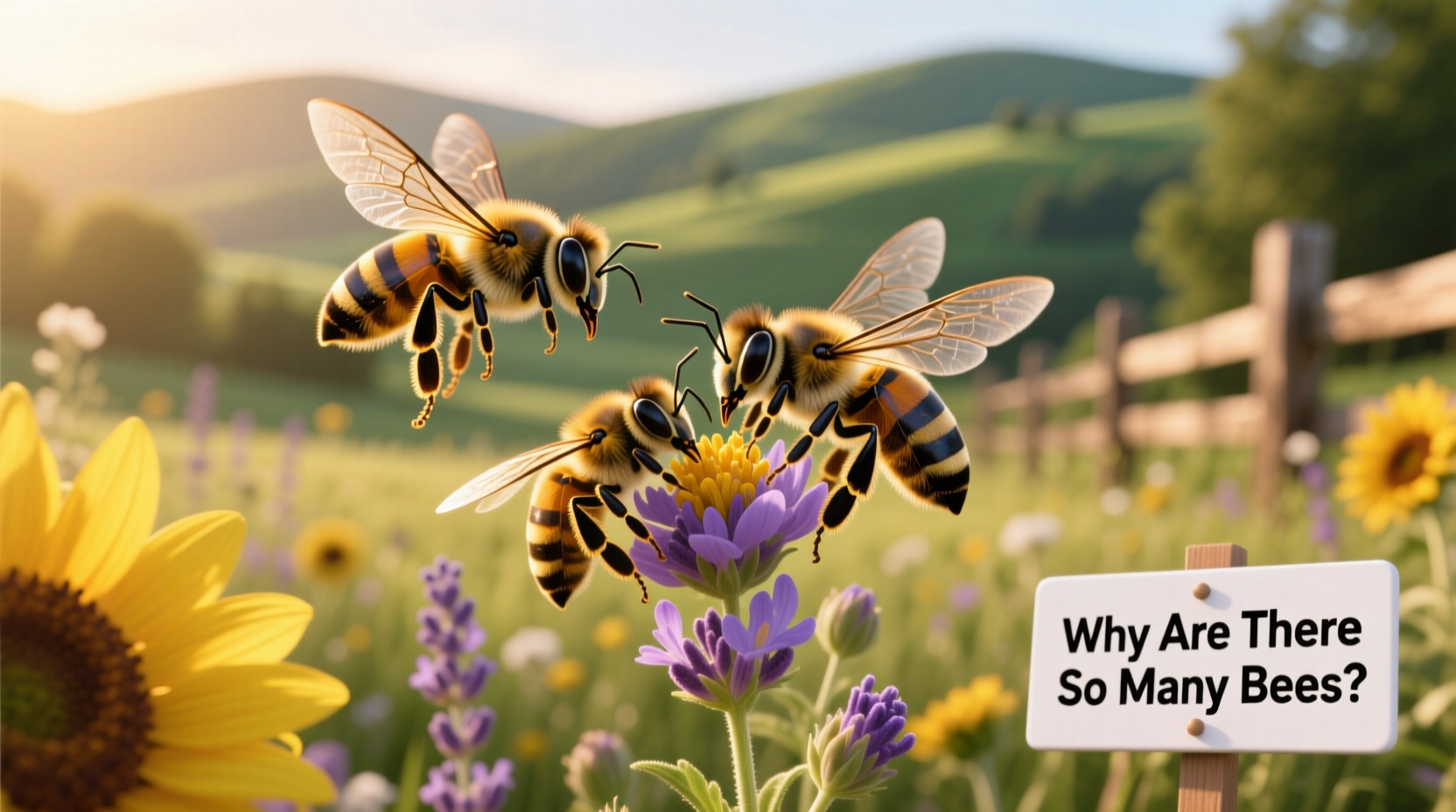
Bee populations naturally peak during late spring and early summer. This timing aligns with the blooming cycles of many flowering plants, which provide essential nectar and pollen. As temperatures rise above 55°F (13°C), honeybees and solitary bees emerge from overwintering states and begin foraging. The hive’s reproductive cycle also accelerates during this period, leading to colony expansion and, eventually, swarming.
Swarming is one of the most dramatic reasons for sudden increases in bee visibility. It occurs when a mature hive splits: the queen leaves with up to 60% of the worker bees to find a new home. These swarms often rest temporarily on tree branches, fences, or building eaves while scout bees search for a permanent nesting site. Though intimidating, swarm clusters are typically non-aggressive, as the bees have no hive or young to defend.
Environmental Factors Driving Bee Concentrations
Urbanization and landscaping choices play a significant role in where bees gather. Modern gardens often feature a high density of flowering ornamental plants such as lavender, sunflowers, and coneflowers—all of which are highly attractive to bees. Additionally, the decline of wild habitats has pushed pollinators into residential areas where reliable food sources are more concentrated.
Water availability also influences bee activity. Bees need water for cooling the hive and diluting honey. Birdbaths, fountains, leaky faucets, and even pet water bowls can become popular bee destinations during dry spells. A single water source may attract dozens of bees daily, especially in hot weather.
Another overlooked factor is light. Bees use the sun for navigation and are drawn to bright, open spaces. Light-colored walls, glass surfaces, and reflective materials can inadvertently attract them, creating the illusion of higher bee density.
Types of Bees and Their Behavior Patterns
Not all bees behave the same way. Understanding the different types can help explain why certain areas seem overrun:
- Honeybees: Social insects that live in large colonies. Often seen in coordinated groups foraging or swarming.
- Bumblebees: Larger, fuzzier bees that nest in ground cavities or under sheds. Generally docile unless provoked.
- Solitary bees (e.g., mason bees, leafcutter bees): Do not form hives and are rarely aggressive. They nest in small holes in wood or soil.
- Carpenter bees: Resemble bumblebees but bore into untreated wood. Males hover aggressively but cannot sting; females can sting but rarely do.
Different species peak at different times. For example, mason bees are most active in early spring, while carpenter bees emerge in late spring. This staggered emergence can create the impression of constant bee presence throughout the season.
“Increased bee activity in residential areas isn’t a sign of overpopulation—it’s a response to habitat loss and resource concentration. Bees are simply going where the flowers and water are.” — Dr. Lila Nguyen, Pollinator Ecologist, University of California
When Bees Pose a Real Concern: Nests vs. Swarms
While most bee encounters are harmless, established nests near homes can present risks, especially for people with allergies. It’s crucial to distinguish between a temporary swarm and a permanent nest:
| Feature | Swarm | Nest |
|---|---|---|
| Duration | Hours to a few days | Persistent, weeks to months |
| Location | Exposed surface (tree, railing) | Enclosed space (wall, attic, ground) |
| Behavior | Calm, clustered | Active comings and goings |
| Risk Level | Low | Moderate to high if disturbed |
| Action Needed | Contact beekeeper | Professional removal advised |
A nest inside a wall or roof void can grow rapidly and may require professional intervention. Attempting to eliminate a hive with pesticides can backfire—dead bees left in walls can attract pests like beetles and cause odors. Whenever possible, opt for live removal by a licensed beekeeper or pest control specialist trained in bee relocation.
Real Example: The Suburban Garden Dilemma
In Portland, Oregon, homeowner Maria Thompson noticed an unusual number of bees hovering near her side yard each afternoon. At first, she assumed they were wasps and considered spraying. Instead, she observed their behavior and noticed they were visiting her newly planted echinacea and salvia. After contacting a local beekeeping association, she learned that her garden had become a hotspot for native bumblebees and honeybee foragers from a nearby apiary.
With guidance, Maria installed a shallow bee bath—a dish filled with stones and water—to reduce bees visiting her pool. She also marked her glass patio door with UV-visible decals to prevent collisions. Within a week, bee activity near seating areas dropped significantly, and she began appreciating their role in pollinating her vegetables. “I went from fearing them to welcoming them,” she said. “Now I watch them like I would birds.”
How to Coexist Safely with Increased Bee Activity
You don’t need to eliminate bees to enjoy your outdoor space. The following checklist helps minimize conflicts while supporting pollinator health:
- Provide a dedicated bee water source away from patios.
- Avoid wearing strong floral perfumes or bright clothing outdoors.
- Keep sugary drinks and food covered during meals.
- Seal cracks in walls, roofs, and foundations to deter nesting.
- Plant bee-friendly flowers at the edge of your property, not near entrances.
- Use yellow or sodium vapor lights at night—they attract fewer insects.
Frequently Asked Questions
Are more bees appearing because of climate change?
Yes, rising temperatures and shifting bloom times due to climate change are extending the active season for bees. Warmer winters mean earlier emergence and longer foraging periods, increasing the window during which bees are visible.
Should I be worried if I see hundreds of bees in my yard?
Not necessarily. Large numbers of bees are often foragers from a single hive collecting resources. If they’re flying purposefully between flowers and not aggressive, they pose little threat. Only seek removal if a nest forms in a high-traffic area.
Can I move a bee nest myself?
It’s strongly discouraged. Disturbing a nest can provoke stings and endanger the bees. Always consult a beekeeper or pest management professional who prioritizes relocation over extermination.
Conclusion: Embracing Bees as Vital Neighbors
The growing visibility of bees is not a problem to solve, but a phenomenon to understand. These insects are responsible for pollinating over 75% of global food crops and play an irreplaceable role in ecosystem stability. What may seem like an invasion is often a reflection of successful gardening, seasonal biology, or habitat shifts—not aggression or overpopulation.
By learning to interpret bee behavior, providing safe alternatives to conflict zones, and supporting conservation efforts, we can foster harmony with these essential pollinators. The next time you notice a flurry of bee activity, pause and observe. You might just witness nature’s most efficient gardeners at work.




 浙公网安备
33010002000092号
浙公网安备
33010002000092号 浙B2-20120091-4
Comments
No comments yet. Why don't you start the discussion?