
In late November 2024, just weeks before his highly anticipated main event bout at UFC 310 against champion Leon Edwards, welterweight contender Belal Muhammad announced he was withdrawing from the fight. The reason? A serious medical condition: a bone infection. This sudden development not only dashed fan expectations but also raised concerns about the physical toll elite fighters endure behind the scenes. Unlike typical training injuries such as sprains or muscle tears, a bone infection is a systemic health issue that can have long-term consequences if not treated properly. For Muhammad, this wasn’t just about missing a title shot—it was about preserving his long-term health and career longevity.
The Nature of Bone Infections in Athletes
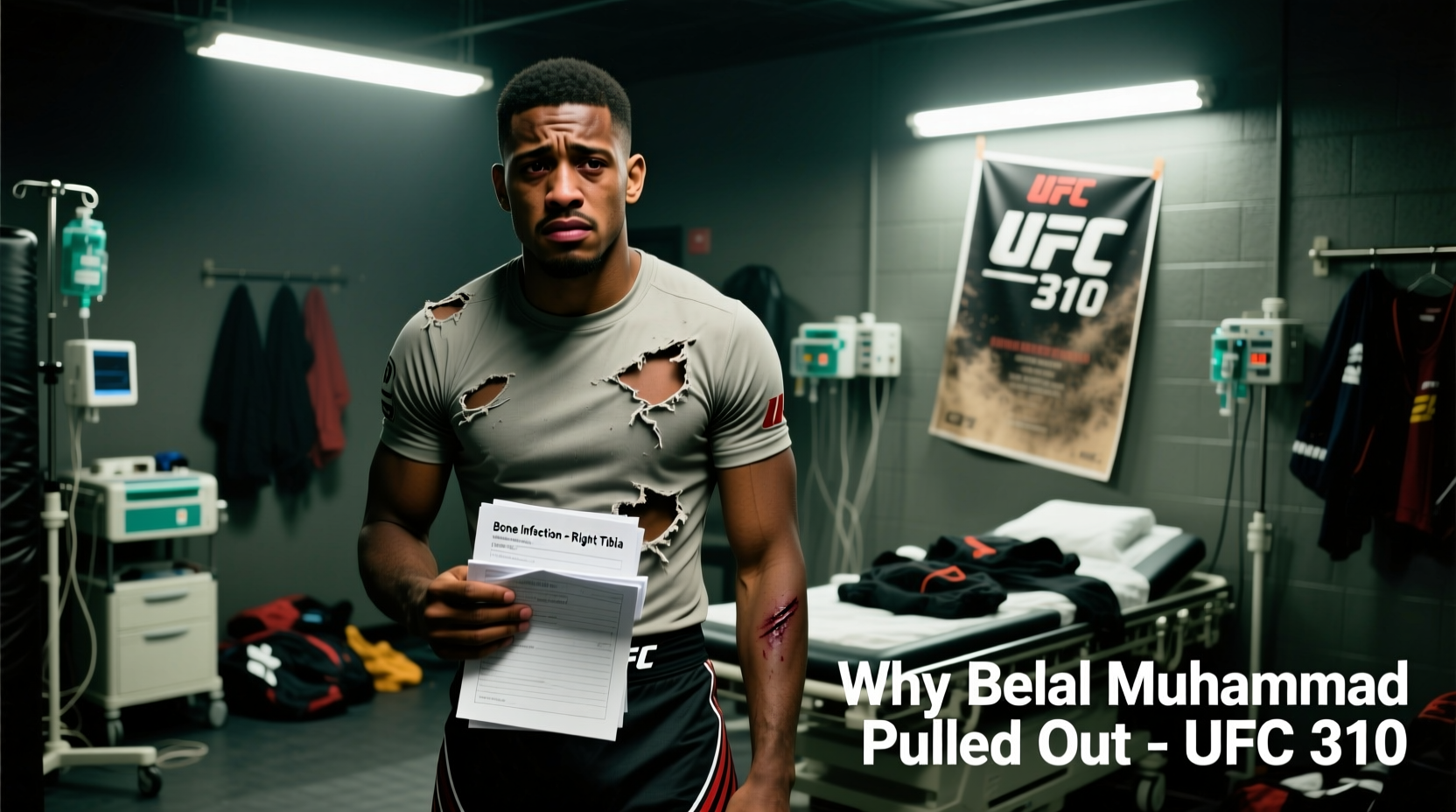
Bone infections, medically known as osteomyelitis, occur when bacteria or other pathogens invade bone tissue. This can happen through open wounds, bloodstream transmission, or as a complication of surgery or fractures. In combat sports, where athletes frequently sustain cuts, bruises, and joint trauma, the risk increases—especially if minor injuries are not cleaned or monitored properly.
Muhammad’s case reportedly stemmed from an infected cut sustained during sparring. What began as a small laceration escalated due to delayed healing and bacterial infiltration. Over time, the infection spread to the underlying bone in his forearm, triggering inflammation, pain, and fever-like symptoms. By the time it was diagnosed via MRI and blood work, the infection had progressed enough to require immediate antibiotic treatment and rest—making competition impossible.
“Bone infections are rare but dangerous in high-performance athletes. They don’t just affect strength or mobility—they compromise the entire physiological system.” — Dr. Lena Torres, Sports Medicine Specialist, Cleveland Clinic
Timeline of Events Leading to Withdrawal
A closer look at Muhammad’s final weeks of training reveals how quickly things unraveled:
- Week 1 (Early November): Muhammad reports persistent pain near a previous forearm cut during grappling sessions. Dismissed initially as muscle strain.
- Week 2: Swelling increases; low-grade fever develops. Team physician orders blood tests showing elevated inflammatory markers.
- Week 3: MRI confirms localized osteomyelitis in the radius bone. Infectious disease specialist consulted.
- Week 4: IV antibiotics initiated. Doctor’s note prohibits contact training or travel.
- November 25: Official announcement made: Muhammad withdraws from UFC 310.
This rapid progression underscores how easily a seemingly minor injury can spiral in the high-stress environment of fight camp. Muhammad later stated in a post-withdrawal interview: “I felt like I could push through, but my body was shutting down. I couldn’t grip properly, let alone throw punches. When the doctor said ‘no fight,’ I knew it was real.”
Impact on Title Aspirations and UFC Landscape
Muhammad’s withdrawal dealt a major blow to his long-awaited first title shot. After going undefeated for eight consecutive fights—including dominant wins over Sean Brady, Gilbert Burns, and Geoff Neal—he earned the #1 contender spot through persistence and technical mastery. Now, with the bout canceled, the UFC faces a dilemma: delay the Edwards matchup, find a replacement, or reshuffle the division.
UFC officials confirmed that Edwards will remain on the card, now facing rising contender Shavkat Rakhmonov in a co-main slot, while Muhammad’s return is tentatively scheduled for early 2025. However, the psychological impact on Muhammad cannot be understated. Years of sacrifices—dieting, weight management, relentless training—are put on hold due to a non-traumatic, preventable medical issue.
Still, some analysts argue this pause could benefit Muhammad in the long run. Without the pressure of an imminent title fight, he can focus entirely on full recovery, potentially returning stronger and more prepared.
Comparison of Welterweight Contender Status Post-Withdrawal
| Contender | Recent Result | Status for Title Shot | Next Expected Fight |
|---|---|---|---|
| Belal Muhammad | Withdrew due to infection | On medical hiatus | Q1 2025 vs TBD |
| Leon Edwards | Scheduled vs Rakhmonov | Champion (active) | UFC 310 (main event) |
| Shavkat Rakhmonov | 7–0 UFC record | Potential next challenger | UFC 310 (vs Edwards) |
| Geoff Neal | Win over Rafael dos Anjos | Outside top tier | TBD, likely Q1 2025 |
Prevention and Fighter Health Management
Muhammad’s situation highlights a broader issue in MMA: the lack of standardized medical monitoring during fight camps. While commissions regulate pre-fight exams, there’s no requirement for ongoing bloodwork, imaging, or infectious disease screening unless symptoms arise. Many fighters train in private gyms without access to full-time physicians, increasing the risk of undetected complications.
To mitigate such risks, top-tier camps are now adopting more rigorous protocols:
- Weekly blood panels to monitor inflammation and immune response
- Immediate wound care stations in training areas
- Partnerships with sports medicine clinics for rapid diagnostics
- Telehealth check-ins with team doctors during intense phases
As one coach from American Top Team noted: “We used to treat cuts like badges of honor. Now we treat them like red flags. One bad infection can end a career.”
Checklist: Injury Prevention for Combat Athletes
- Inspect all cuts and abrasions daily for signs of redness, swelling, or pus.
- Clean wounds immediately with antiseptic solution after training.
- Cover open sores with breathable, waterproof dressings during sparring.
- Monitor body temperature and fatigue levels—fever may indicate infection.
- Schedule baseline blood work every 3 months during active training.
- Report persistent pain or stiffness to a medical professional immediately.
Real-World Example: Past Fighters Who Faced Similar Setbacks
Muhammad isn’t the first elite fighter derailed by infection. In 2019, Justin Gaethje was forced to withdraw from a lightweight title eliminator after developing sepsis from an infected foot cut. Similarly, in 2016, Rose Namajunas had her UFC 201 bout canceled due to a staph infection originating from a mat burn.
Gaethje’s case offers a cautionary parallel. Initially downplaying the pain, he continued training until he collapsed during a session. Hospitalized for five days on IV antibiotics, he later admitted: “I thought I was being tough. Turns out, I was being stupid.” His recovery took over two months, delaying his next fight by half a year.
Likewise, Muhammad’s experience serves as a reminder that resilience in MMA must include discipline in health management—not just physical endurance.
Frequently Asked Questions
Can a bone infection end a fighter’s career?
Not necessarily, but untreated or recurring osteomyelitis can lead to chronic pain, reduced mobility, or even bone deterioration. With proper treatment—antibiotics, rest, and sometimes surgery—most athletes recover fully. However, repeated infections may force long-term retirement.
How long will Belal Muhammad be out?
Based on standard recovery timelines for osteomyelitis, Muhammad is expected to be sidelined for 3–6 months. This includes 4–6 weeks of intravenous antibiotics followed by rehabilitation to regain strength and coordination. His earliest possible return is March 2025.
Could this have been prevented?
Possibly. Early detection is key. If the initial cut had been tested or cultured when symptoms began, the infection might have been caught before spreading to the bone. Improved hygiene practices and routine medical checkups during camp could reduce such risks significantly.
Conclusion: Health Over Hype
Belal Muhammad’s withdrawal from UFC 310 is more than a scheduling setback—it’s a stark reminder that health always comes before glory. In a sport defined by toughness, admitting vulnerability takes courage. Choosing medical recovery over a title shot demonstrates maturity and long-term vision.
Fans may be disappointed, but Muhammad’s decision protects not just his body, but his legacy. When he returns, he’ll do so not just as a contender, but as a fighter who prioritized sustainability over spectacle. That kind of wisdom often separates those who burn bright from those who last.




 浙公网安备
33010002000092号
浙公网安备
33010002000092号 浙B2-20120091-4
Comments
No comments yet. Why don't you start the discussion?