
Blurry vision affects millions of people worldwide and can range from a minor annoyance to a sign of a serious underlying condition. It may occur suddenly or develop gradually, affect one or both eyes, and be accompanied by other symptoms such as headaches, eye strain, or dizziness. Understanding the root causes is essential for timely intervention and effective management. Whether it’s due to refractive errors, eye diseases, or systemic health issues, recognizing the warning signs can prevent long-term complications.
Common Causes of Blurry Vision
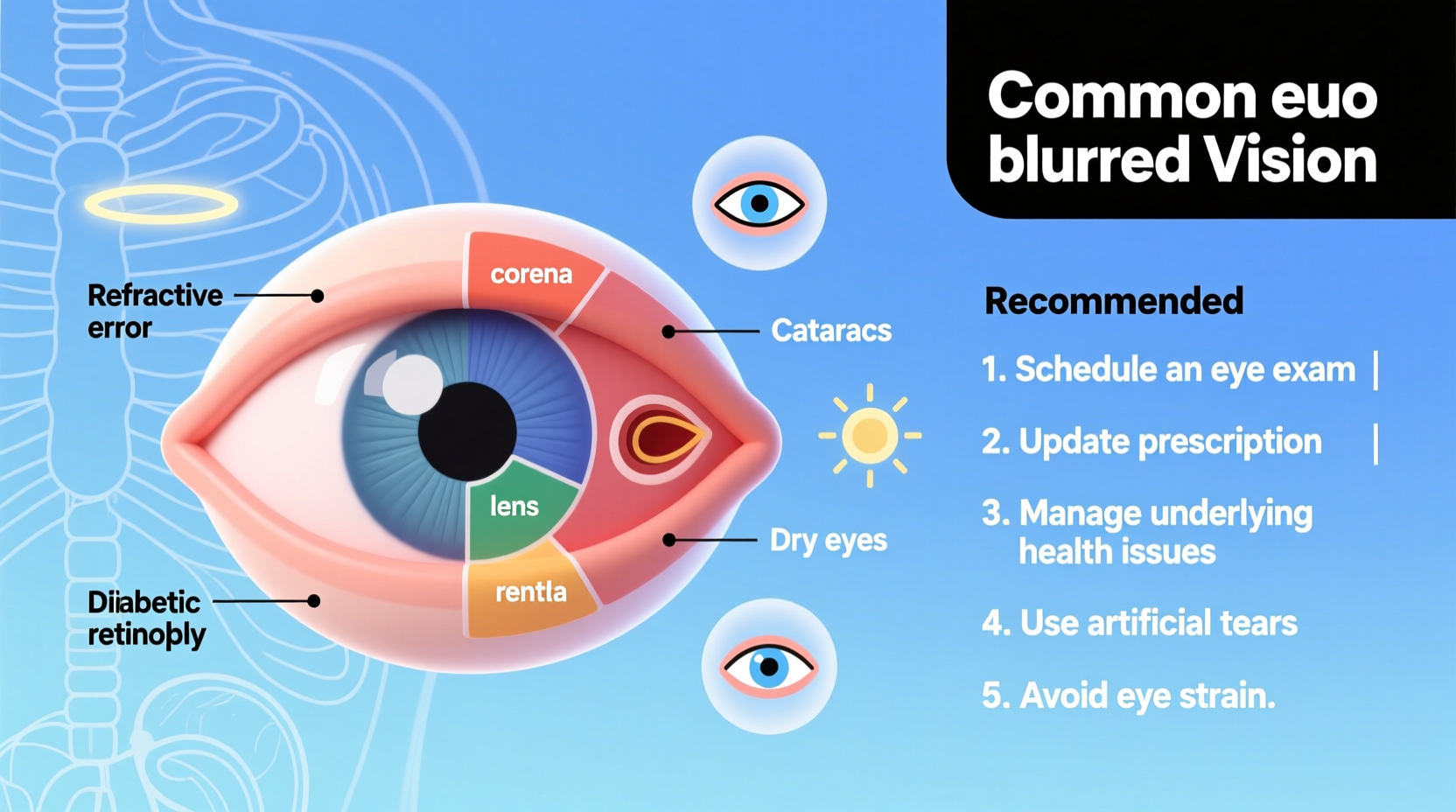
Blurry vision is not a diagnosis but a symptom with numerous potential origins. Some causes are temporary and easily corrected, while others require medical attention. Below are the most frequent contributors:
- Refractive Errors: Nearsightedness (myopia), farsightedness (hyperopia), astigmatism, and presbyopia are among the leading causes. These occur when the shape of the eye prevents light from focusing correctly on the retina.
- Dry Eye Syndrome: Insufficient tear production or poor tear quality leads to irritation and blurred vision, especially after prolonged screen use.
- Cataracts: A clouding of the eye’s natural lens, typically age-related, causing progressive blurriness, glare sensitivity, and faded colors.
- Glaucoma: Increased intraocular pressure damages the optic nerve. Early stages may show no symptoms, but untreated glaucoma can lead to permanent vision loss.
- Diabetic Retinopathy: High blood sugar levels damage blood vessels in the retina, leading to swelling, leakage, and blurred or patchy vision.
- Migraine with Aura: Visual disturbances like shimmering lights, zigzag lines, or temporary blurring often precede a migraine headache.
- Eye Infections or Inflammation: Conditions such as uveitis, keratitis, or conjunctivitis can cause redness, pain, and blurred vision.
When Blurry Vision Signals a Medical Emergency
Not all cases of blurred vision are equal. Some indicate urgent conditions requiring prompt treatment. Sudden onset of blurriness—especially when combined with other neurological or visual symptoms—may point to a stroke, retinal detachment, or acute glaucoma.
“Sudden vision changes, particularly if unilateral and accompanied by weakness or speech difficulty, should be treated as a medical emergency.” — Dr. Alan Reyes, Neuro-Ophthalmologist, Massachusetts Eye and Ear
Warning signs that warrant immediate care include:
- Sudden loss of vision in one or both eyes
- Double vision without prior history
- Severe eye pain with blurred vision
- Flashing lights or a curtain-like shadow over the visual field (possible retinal detachment)
- Headache, confusion, or difficulty speaking alongside vision changes
Step-by-Step: What to Do When Vision Suddenly Blurs
- Stop and assess: Note when it started, which eye(s) are affected, and whether there are additional symptoms like pain or dizziness.
- Avoid driving or operating machinery: Impaired vision compromises safety.
- Check for obvious triggers: Have you been staring at a screen? Are your contact lenses dirty or expired?
- Remove contacts if worn: Replace with glasses and see if clarity improves.
- Contact an eye care professional or visit an emergency clinic: Do not wait more than a few hours if symptoms persist or worsen.
Chronic vs. Temporary Blurry Vision: Identifying Patterns
Distinguishing between temporary and chronic blurriness helps determine the appropriate response. Temporary blurring often resolves with rest, hydration, or correction of environmental factors. Chronic blurring, however, suggests an ongoing issue needing professional diagnosis.
| Pattern | Possible Cause | Action Required |
|---|---|---|
| Blurs after screen use | Digital eye strain, dry eyes | Follow 20-20-20 rule; use artificial tears |
| Gradual blurring with aging | Presbyopia, early cataracts | Schedule comprehensive eye exam |
| Intermittent blurring with fatigue | Blood sugar fluctuations (in diabetics) | Monitor glucose levels; consult endocrinologist |
| Constant blurring uncorrected by glasses | Macular degeneration, optic nerve damage | Immediate ophthalmologic evaluation |
Mini Case Study: Sarah’s Experience with Fluctuating Vision
Sarah, a 47-year-old office worker, began noticing her vision blurred by mid-afternoon, especially when working on spreadsheets. The effect disappeared after a good night’s sleep but returned daily. Initially attributing it to stress, she consulted an optometrist after two months. Testing revealed mild dry eye syndrome exacerbated by air conditioning and reduced blink rate during computer work. With prescription lubricating drops and ergonomic adjustments—including a larger monitor and scheduled breaks—her symptoms resolved within three weeks. This case highlights how lifestyle factors can mimic more serious conditions but are often manageable with proper assessment.
What You Can Do: Prevention and Management Strategies
While some causes of blurry vision are unavoidable, many can be prevented or minimized through proactive habits and regular monitoring.
Checklist: Daily Habits to Protect Your Vision
- Follow the 20-20-20 rule: Every 20 minutes, look at something 20 feet away for 20 seconds.
- Stay hydrated to support natural tear production.
- Wear UV-protective sunglasses outdoors.
- Use prescribed corrective lenses consistently.
- Keep diabetes and hypertension under control with regular check-ups.
- Avoid smoking, which increases risks for cataracts and macular degeneration.
- Include leafy greens, omega-3-rich fish, and colorful fruits in your diet.
Frequently Asked Questions
Can dehydration cause blurry vision?
Yes. Dehydration reduces tear production and can lead to dry, irritated eyes, resulting in temporary blurriness. Rehydrating often restores normal vision within hours.
Is blurry vision a sign of high blood pressure?
Not directly, but severely elevated blood pressure (hypertensive crisis) can cause swelling of the optic nerve or retinal damage, leading to blurred or double vision. This requires urgent treatment.
Should I see an optometrist or ophthalmologist for persistent blurriness?
An optometrist can diagnose and manage common vision problems like refractive errors and dry eye. However, if disease such as glaucoma, retinal issues, or neurological involvement is suspected, referral to an ophthalmologist—a medical doctor specializing in eye care—is necessary.
Conclusion: Take Action Before It’s Too Late
Blurry vision is more than an inconvenience—it’s a signal from your body that something may be off. Whether caused by everyday strain or a deeper medical issue, ignoring it risks irreversible damage. Regular eye exams, healthy lifestyle choices, and prompt response to changes are your best defense. Don’t wait for symptoms to worsen. Schedule an eye check-up today, especially if you’re over 40, have diabetes, or spend long hours in front of screens. Your vision is irreplaceable—treat it with the care it deserves.




 浙公网安备
33010002000092号
浙公网安备
33010002000092号 浙B2-20120091-4
Comments
No comments yet. Why don't you start the discussion?